

Windsor Kitchen Chairs
When you search for windsor kitchen chairs, you encounter sturdy timber seating built for domestic service across the nineteenth and early twentieth centuries.
Windsor Kitchen Chairs
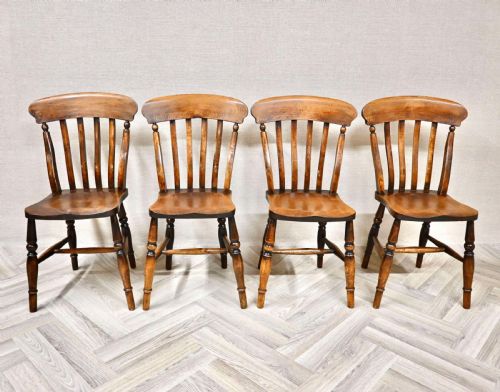
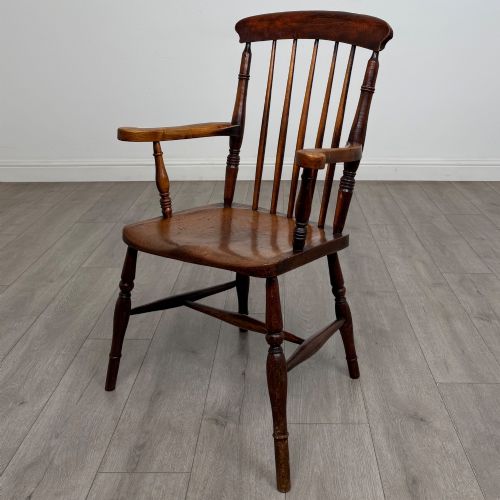
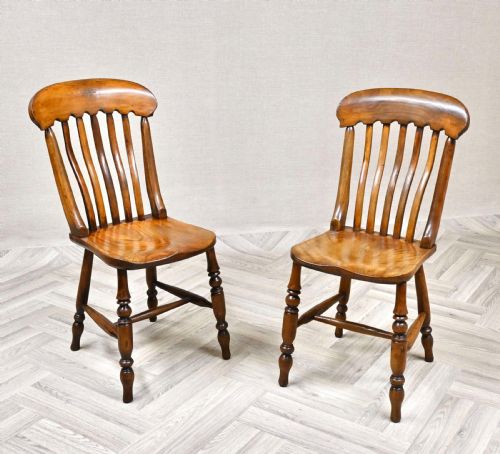
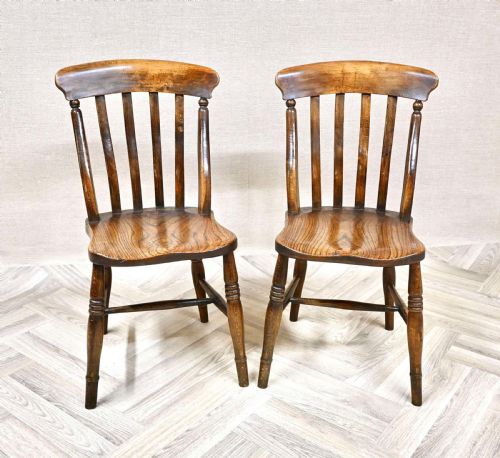
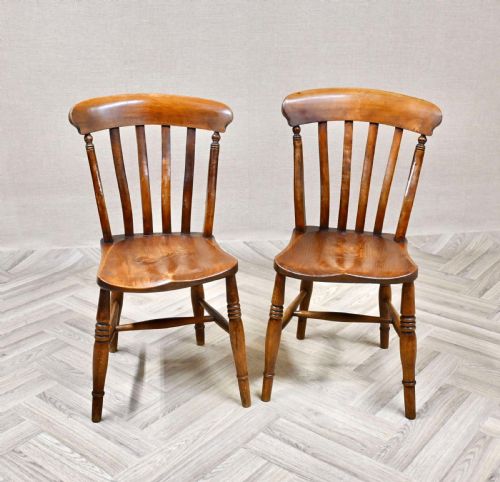
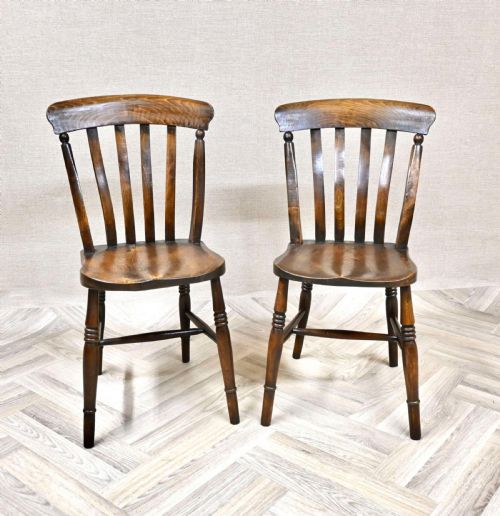
Windsor kitchen chairs emerge primarily from nineteenth-century vernacular traditions, taking form as dining chairs, armchairs, and side chairs intended for everyday domestic use. You meet these pieces in various configurations, from single armchairs to matched sets of six or twelve originating from English country workshops.
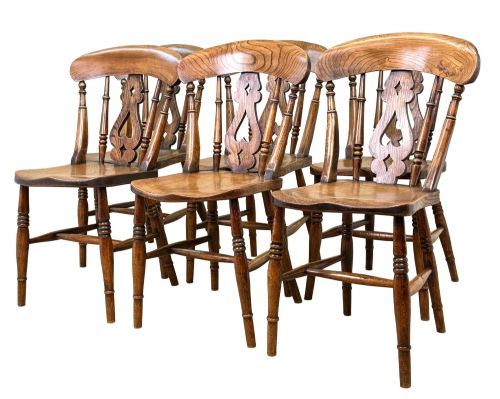
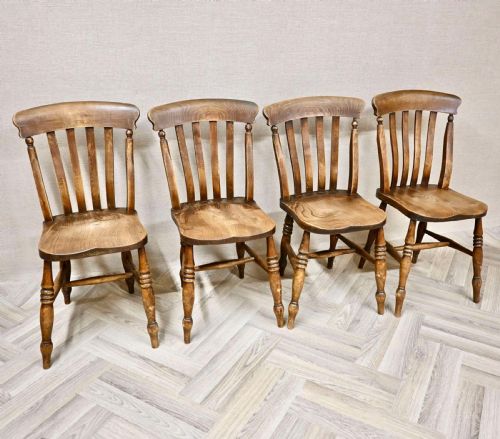
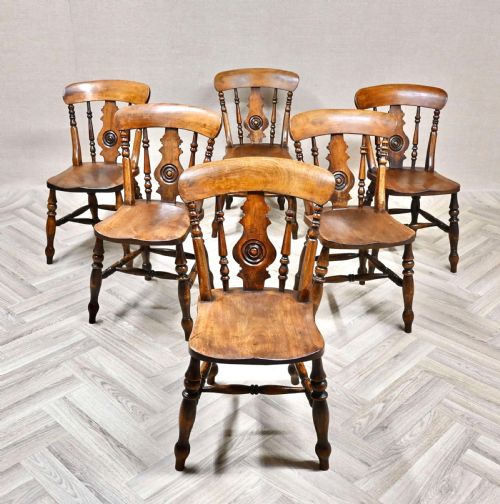
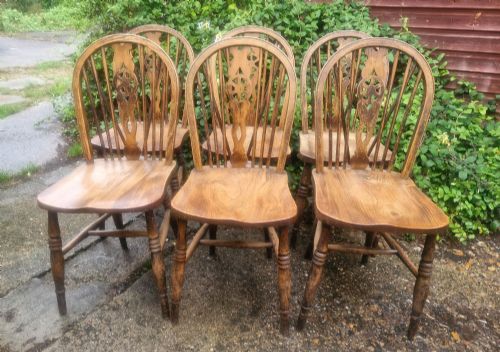
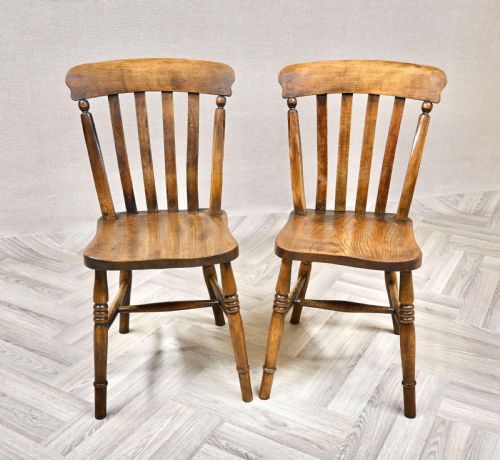
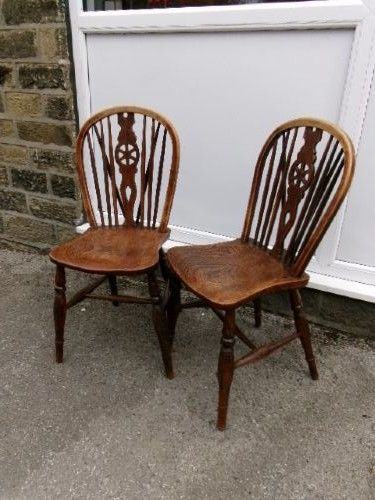
The designs incorporate distinct back splats and spindles, including wheelbacks, lathbacks, lyrebacks, and bullseye patterns. These seating options span Victorian farmhouse styles and later utility variations, reflecting regional craftsmanship across English counties.
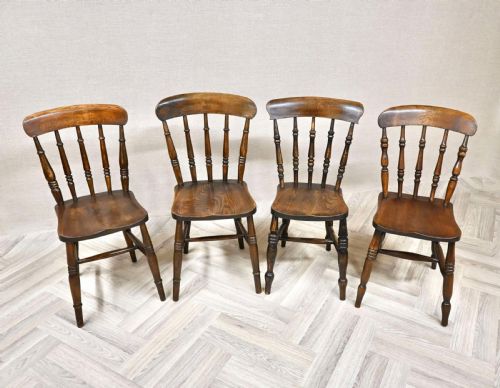
Makers constructed these forms using traditional stick-back and hoop-back methods, combining turned uprights with solid wooden seats. The resulting chairs provide durable seating that accommodates both rustic farmhouse interiors and traditional dining spaces.
How They Were Made
Craftspersons built windsor kitchen chairs by wedging individual legs and back spindles directly into solid sculpted wooden seats. Elm serves as the primary timber for these sculpted seats because its interlocking grain resists splitting under heavy daily use.
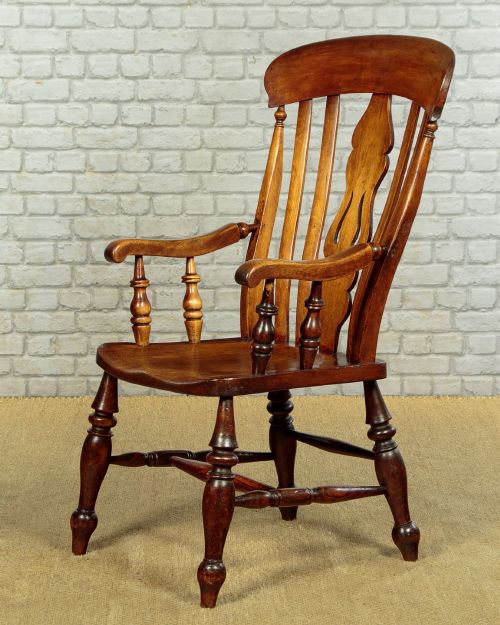
Turned beech, ash, or oak components form the structural framework, spindles, and legs, while bentwood hoops utilise the flexible properties of ash or similar hardwoods. Traditional joinery relies on wedged tenons and stretcher systems, such as crinoline stretchers, to lock the undercarriage into a rigid frame.
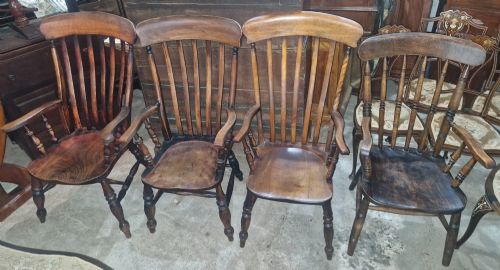
The archive records show matched sets and harlequin groupings spanning the Victorian era up to mid-century utility production.
What Varies in Quality
The grade of timber selection dictates the durability and visual depth of each piece, with figured elm seats and well-turned ash spindles representing superior output. Chairs featuring balanced proportions and integrated matching sets demonstrate higher workshop standards than hastily assembled utility variants.
The integrity of the structural joints and the depth of the sculpted saddle seat separate standard regional output from exceptional examples. Original surface patination and minimal timber replacement preserve the historical character valued by collectors.
The Windsor Kitchen Chairs Glossary
- Wheelback
- A chair back featuring a carved central wooden disc shaped like a cartwheel. This decorative splat often appears on nineteenth-century dining chairs.
- Lathback
- A design incorporating horizontal wooden slats across the upper back of the chair. These flat laths provide ergonomic support for the sitter.
- Crinoline stretcher
- A curved undercarriage brace shaped like a hoopskirt that links the legs of an armchair. This structural addition enhances stability.
- Penny seat
- A wooden seat featuring a circular depression carved into the centre to resemble a large coin. This shaping provides added comfort during prolonged sitting.
- Stick back
- A chair construction method where multiple turned spindles connect the seat directly to the top rail. This technique underpins traditional country vernacular designs.
Windsor Kitchen Chairs: Frequently Asked Questions
What woods were used for windsor kitchen chairs?
Maker workshops combined different timbers to exploit the specific mechanical properties of each tree. Elm typically forms the solid, carved seat due to its resistance to splitting.
Turned components like legs and spindles rely on dense hardwoods such as ash, beech, and oak for structural rigidity.
How do I identify a wheelback chair?
The defining feature is a pierced wooden splat in the centre of the backrest carved to resemble the spokes and outer rim of a cartwheel. This motif became popular during the Victorian period for farmhouse dining sets.
Surrounding the wheel motif, you usually find traditional bentwood hoops and vertical spindles.
Are these chairs comfortable for daily dining?
The solid timber seats feature ergonomic saddle shaping designed to accommodate the body during long hours of domestic labour or dining. Adding loose cushions can further adapt them for modern seating preferences.
Their robust undercarriage construction ensures they withstand continuous daily use without losing stability.
What is a harlequin set?
A harlequin set consists of multiple chairs that share a general style, period, or regional origin rather than being cut from the exact same workshop batch. These groupings were often assembled over time to match a dining table.
Individual pieces might vary slightly in spindle count, turning detail, or timber shade while maintaining a cohesive overall appearance.