
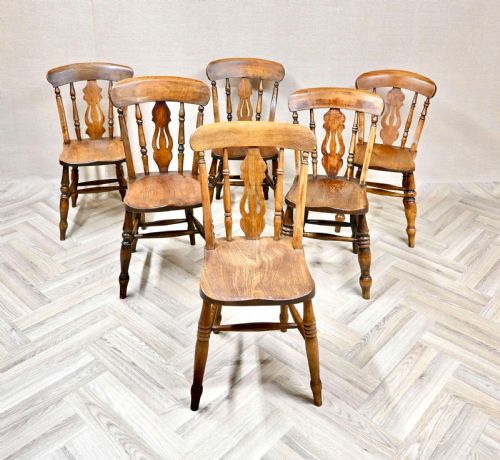


Edwardian Windsor Chairs
Edwardian windsor chairs bring sturdy vernacular comfort to a room, combining traditional English country forms with durable timber construction.
Edwardian Windsor Chairs
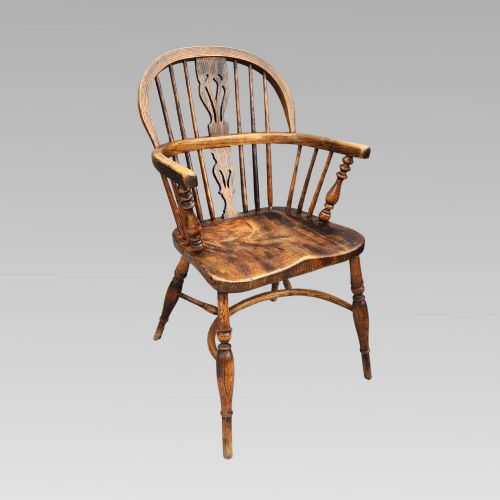
Edwardian windsor chairs encompass traditional seating forms rooted in English country vernacular, including armchairs, dining chairs, and rocking chairs. When you search for edwardian windsor chairs, you encounter domestic seating built for daily utility in kitchens, country houses, and farmhouses.
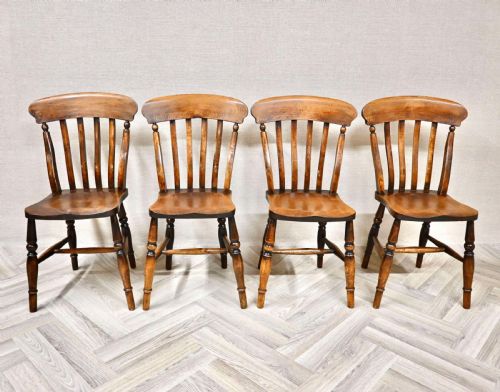
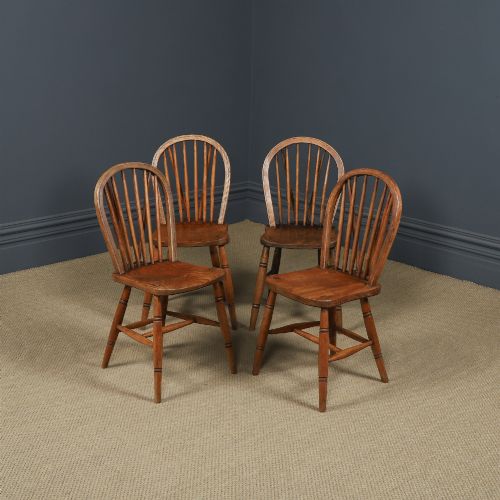
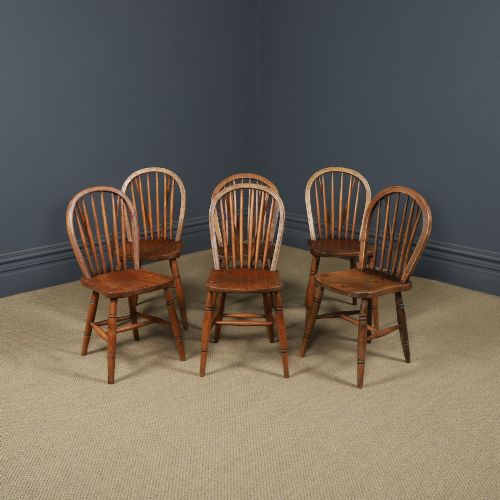
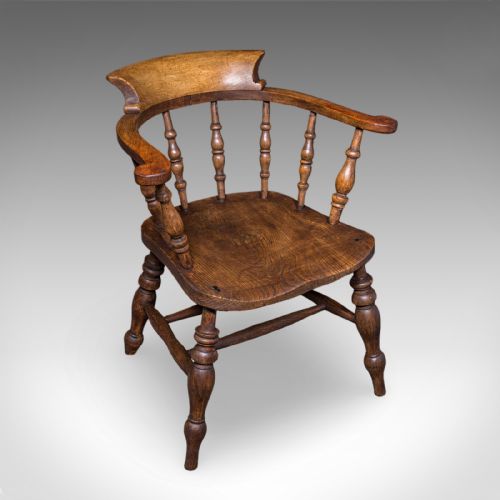
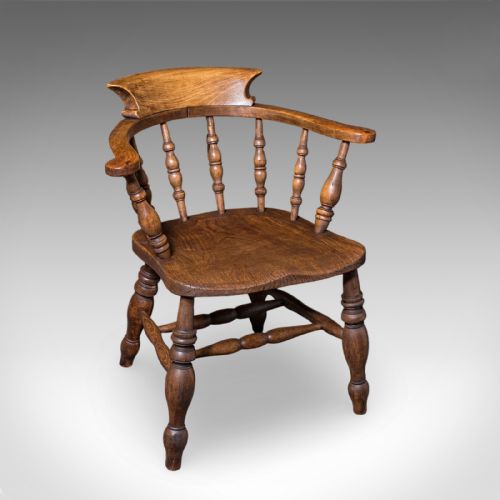
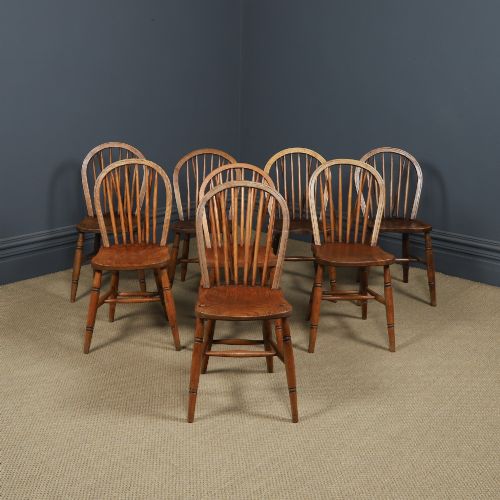
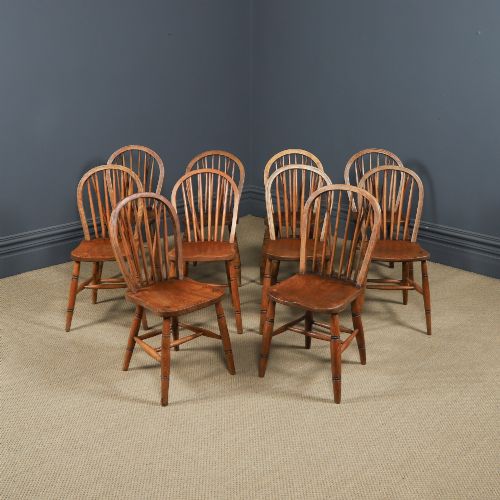
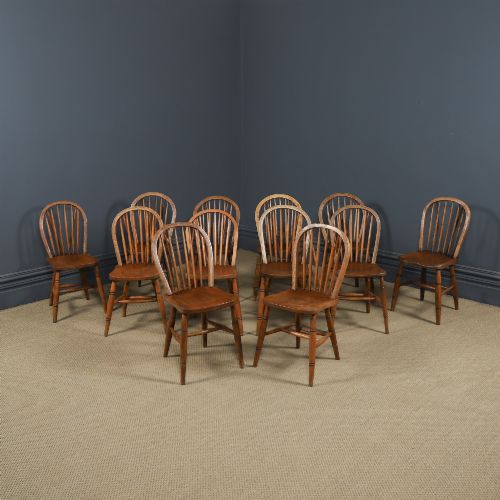
The selections span single pieces, pairs, and matched sets ranging from four up to sixteen chairs. Forms such as the smoker's bow, captain's chair, lathback, and hoop-and-stick back dominate both current listings and archive records from this period.
How they were made
Maker construction relies on combining complementary timbers selected for specific structural roles within each chair. Ash provides strong, resilient frames and legs, elm supplies durable solid seats, and beech or alder often forms spindles and bending parts.
Joinery employs traditional turned components fitted into solid wood saddles, frequently utilising steam-bent hoops and comb backs for upper structural support. Surfaces retain natural grain patterns through simple finishes rather than heavy veneers.
Archive records show matching dining sets containing up to sixteen chairs alongside smaller pairs of kitchen armchairs.
What varies in quality
Quality rests upon timber selection and the integrity of the original joints connecting the spindle back to the solid wood seat. Well-preserved seating retains tight wedged tenons and balanced proportions without excessive timber shrinkage.
Consistency across larger sets distinguishes standard utility items from finer examples produced for substantial country houses. Uniformity in the hand-turned spindles and depth of the saddle seat indicate the maker's skill.
Bateman·Liberty
The Edwardian Windsor Chairs Glossary
- Windsor chair
- A wooden chair constructed with a solid timber saddle seat into which the back and legs are separately dowelled. This design provides sturdy domestic seating without requiring an internal upholstered frame.
- Smoker's bow
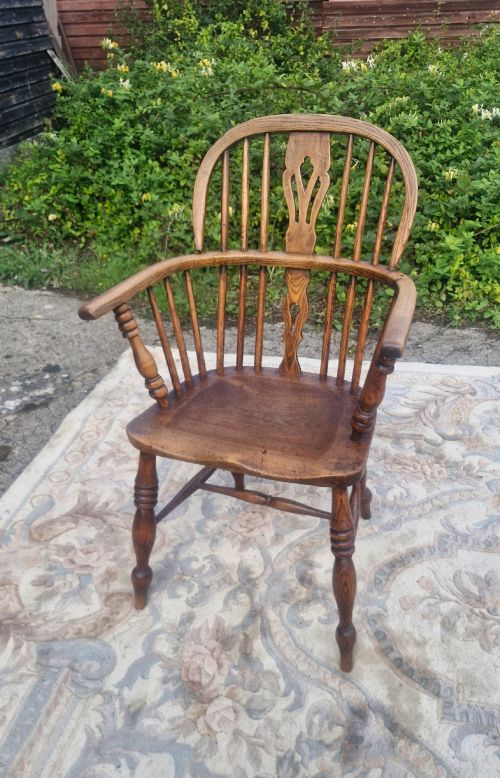
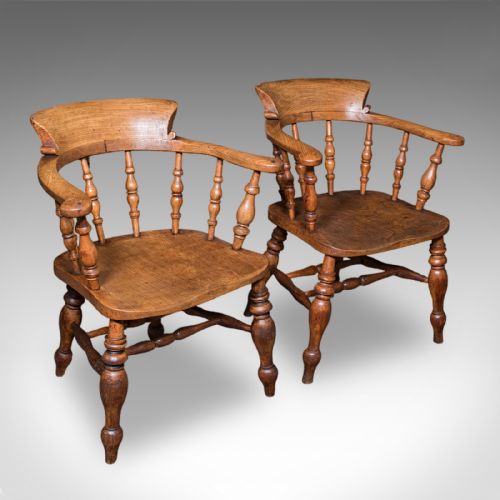
- A low-backed Windsor armchair featuring a continuous curved armrail supported by turned spindles. These robust elbow seats frequently served in domestic smoking rooms and country kitchens.
- Hoop back
- A continuous bentwood rail forming the upper back and arm support of a chair. This steam-bent element distributes weight evenly down to the wooden seat.
- Penny seat
- A wooden saddle seat featuring a circular depressions carved into the surface for sitting comfort. The term derives from the round shape reminiscent of a large coin.
- Lathback
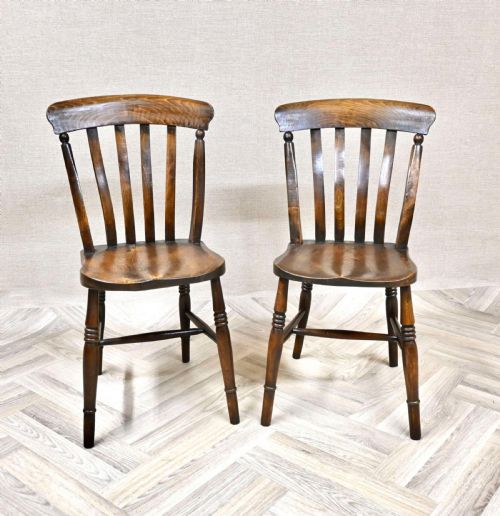
- A chair back incorporating flat vertical wooden slats instead of round turned spindles. These slats provide solid back support in traditional kitchen seating.
- Crinoline stretcher
- An arched under-stretcher connecting the legs of a Windsor chair to provide lateral stability. The curved shape resembles the hoop skirts worn in earlier fashion.
Edwardian Windsor Chairs: Frequently Asked Questions
How do I identify an Edwardian windsor chair?
Edwardian windsor chairs typically feature traditional English country forms combined with lighter timber scantlings than their 19th-century predecessors. They frequently employ combinations of ash, elm, and beech in hoop-and-stick or smoker's bow configurations.
Examination of the underside reveals traditional wedged tenon joints securing the legs and spindles into the solid wood seat. These construction details distinguish period pieces from later reproductions.
Can I use these chairs around a dining table?
Many sets of edwardian windsor chairs were built specifically for kitchen and dining use, making them practical for daily seating. Single armchairs and carvers also function well as desk chairs or accent seating.
When mixing single chairs into a dining group, pay attention to seat height and arm clearance to ensure they fit comfortably beneath table edges.
How do I care for antique elm and ash seats?
Solid wood chairs require minimal maintenance beyond regular dusting with a dry or slightly damp cloth. Avoid placing them near direct heat sources or in extreme humidity to prevent timber splitting.
Applying a traditional beeswax polish periodically helps nourish the dry grain and protects the natural timber finish from daily wear.
What is the difference between a smoker's bow and a captain's chair?
Smoker's bow chairs feature a low, continuous curved backrail with shorter spindles designed for relaxed elbow support. Captain's chairs often share similar low configurations but may incorporate broader seats and slightly more formal turned legs.
Both forms belong to the wider Windsor family and were widely utilised in domestic studies and country houses.