

Victorian Wood Dining Chairs
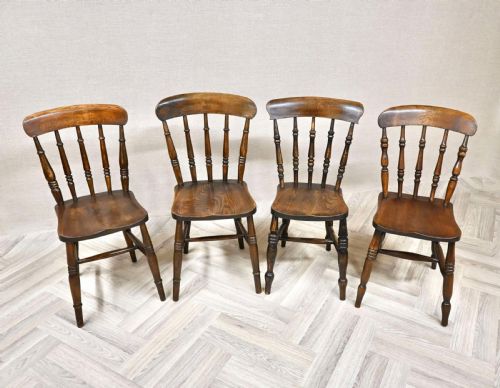
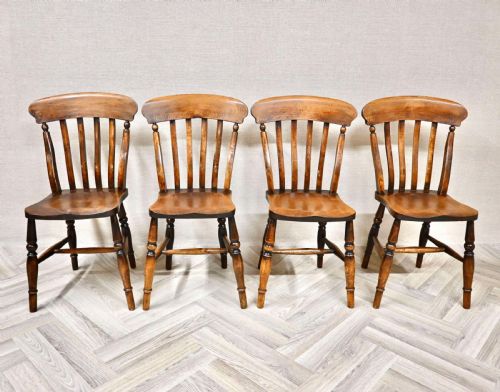
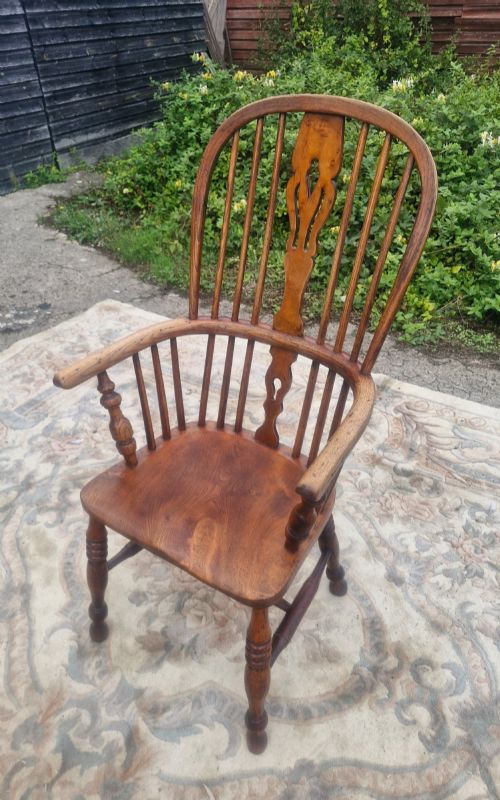
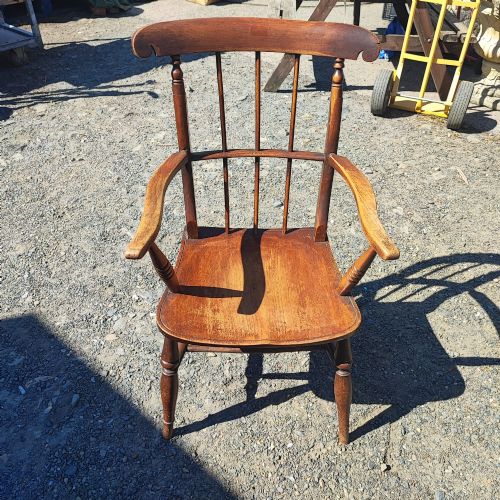
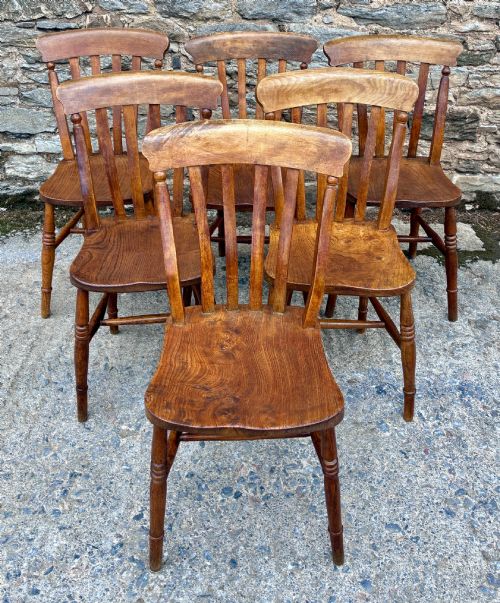
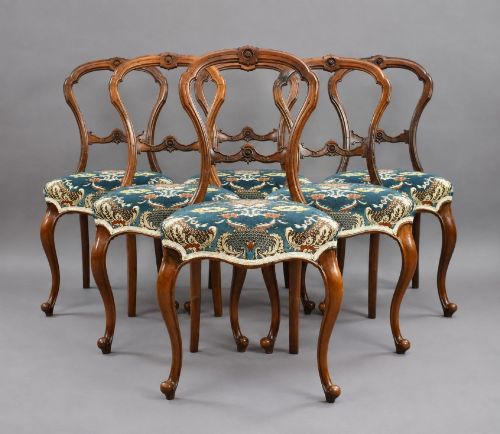
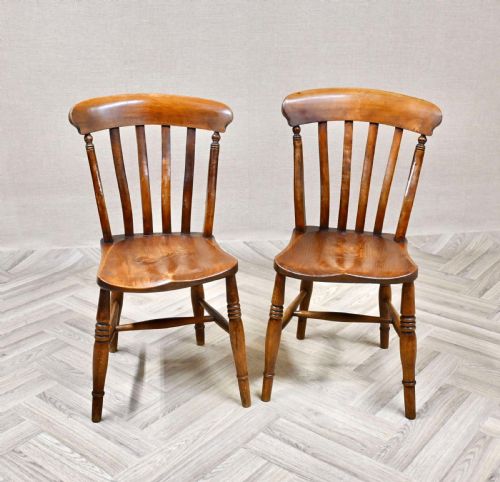
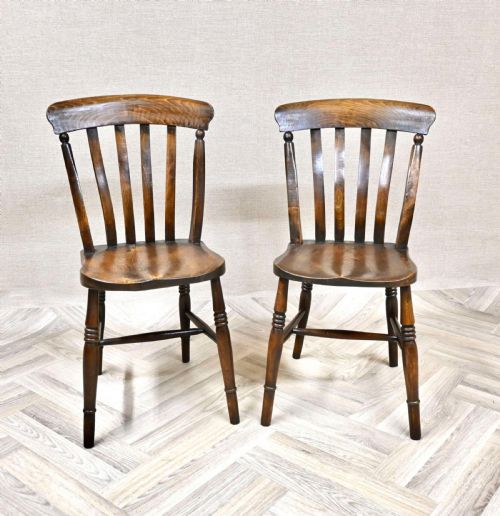
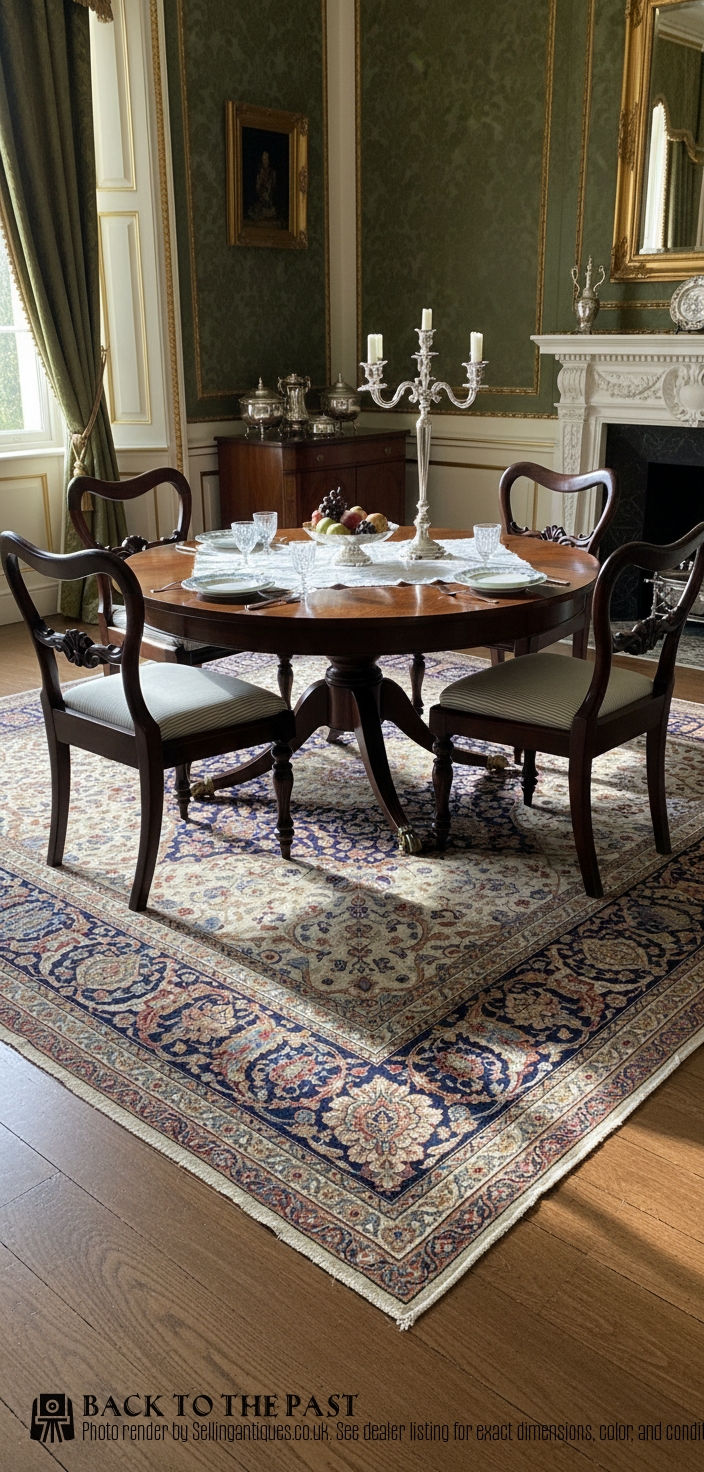
When you search for victorian wood dining chairs, you encounter everything from sturdy elm kitchen Windsor models to formal rosewood balloon back sets.
Victorian Wood Dining Chairs
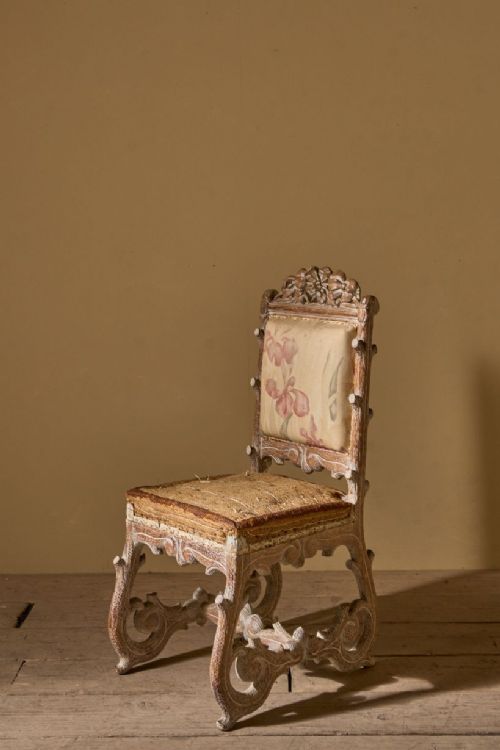
Victorian wood dining chairs span formal dining room suites in mahogany and rosewood alongside robust country kitchen and farmhouse seating in elm, ash, and beech. Buyers seeking victorian wood dining chairs will find sets numbering from pairs up to tens, as well as individual armchairs and side chairs.
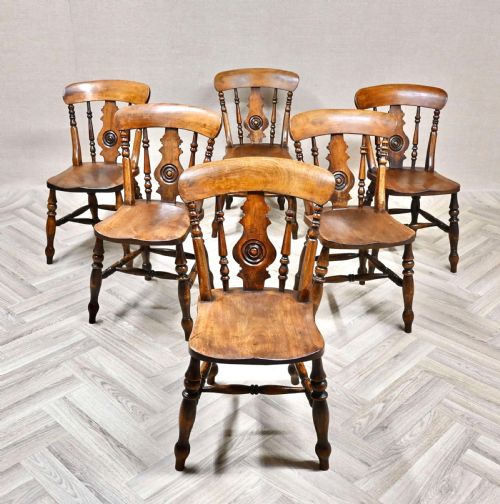
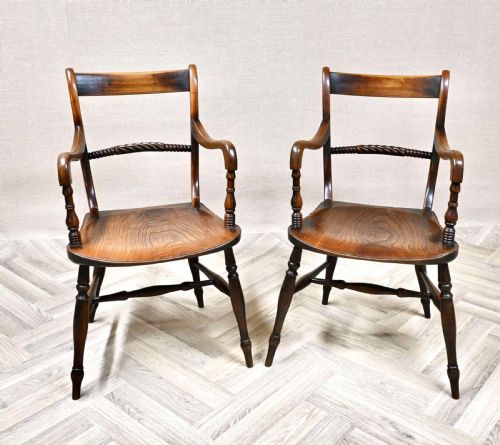
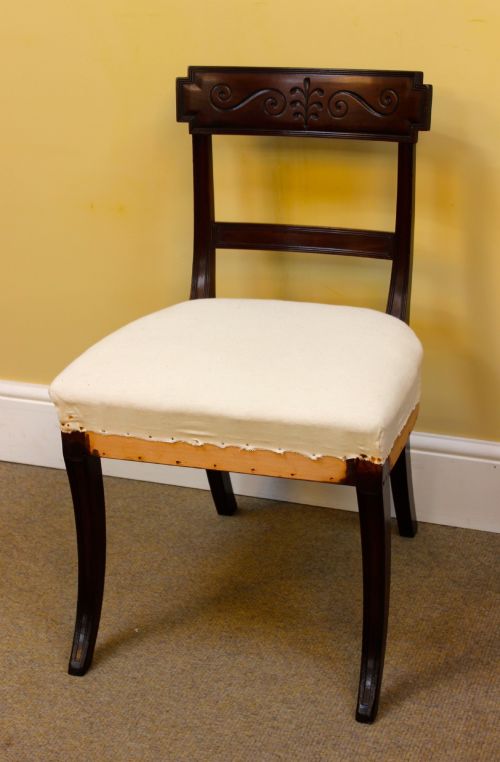
The formal pieces typically display carved balloon backs, open frames, and upholstered drop-in seats suited to nineteenth-century parlours and dining spaces. Meanwhile, the country variations include Windsor forms with lathe backs, barbacks, and ropetwist details reflecting traditional rural craftsmanship.
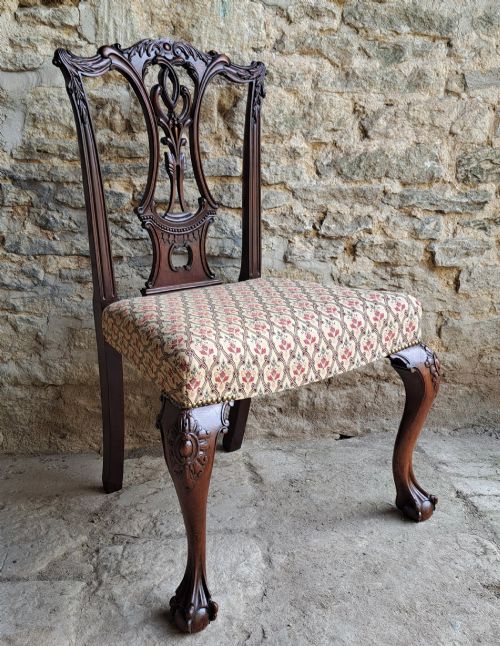
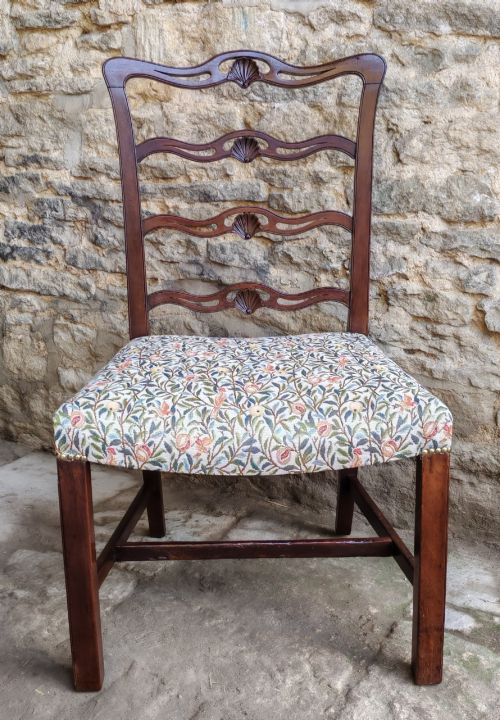
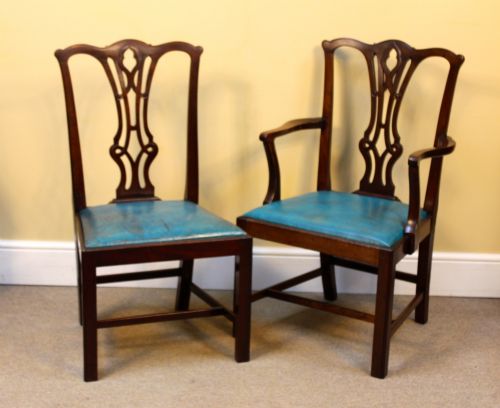
Revival styles also appear frequently, echoing earlier Chippendale and Hepplewhite designs through distinctive splats and carved crest rails. These pieces together represent the diverse domestic seating used across nineteenth-century Britain.
Materials and construction
Makers utilised dense hardwoods such as mahogany, rosewood, oak, and walnut for formal dining furniture, often employing carving and polite joinery to shape balloon backs and cabriole legs. These timbers provided the strength required for slender members and decorative crest rails.
Country and kitchen chairs relied on domestic timbers including elm, ash, beech, and yew, frequently combining bentwood techniques with turned spindles and solid saddle seats. Brass fittings and velvet or fabric upholstery added comfort and functional detail to parlour and dining variants.
Listings demonstrate a strong presence of nineteenth-century mahogany, rosewood, and elm across various regional kitchen and formal dining forms.
Judging quality
Quality rests in the crispness of the timber carving, the selection of figured veneers, and the structural integrity of the frame joints. Superior examples exhibit balanced proportions, harmonious grain patterns across a matching set, and robust underlying construction that resists wobble.
Lesser pieces may show simpler, uninspired turnings, replacement elements, or fatigue in the joints from heavy domestic use. A matched set originating together commands greater consistency than a harlequin collection assembled later.
The Victorian Wood Dining Chairs Glossary
- Windsor
- A traditional chair constructed with a solid wooden seat into which the legs and back spindles are directly wedged. Country versions frequently incorporate elm and ash.
- Splathback
- A central vertical wooden strip within a chair back that provides lumbar support and decorative detail. Revival styles frequently adapt these from eighteenth-century precedents.
- Lathe back
- A chair back featuring horizontal wooden slats shaped on a lathe. These appear commonly on farmhouse kitchen and Windsor dining chairs.
- Harlequin set
- A collection of chairs assembled to match in style and period rather than originating as a single workshop production. Such groups share general proportions and timber types.
Victorian Wood Dining Chairs: Frequently Asked Questions
How do I spot a matched dining set?
Examine the timber grain, turning details, and exact dimensions across all chairs in the group. Consistent wear patterns and uniform construction methods indicate they were produced together.
Discrepancies in carving depth or wood colour suggest a harlequin gathering assembled at a later date.
What is the difference between formal and country chairs?
Formal dining chairs utilise polished hardwoods like mahogany and rosewood with upholstered seats intended for dining rooms. They feature refined details such as balloon backs and carved crest rails.
Country chairs employ timbers like elm and ash in Windsor or kitchen forms designed for durability and daily domestic use.
Are these chairs suitable for daily use?
Nineteenth-century wooden chairs were built for daily utility and remain robust when joints are secure. Solid construction in hardwoods ensures they handle regular seating.
Periodic checking of leg joints and glue blocks maintains their stability in modern dining spaces.
How do I identify a revival style?
Revival pieces incorporate decorative vocabulary from earlier periods, such as Chippendale or Hepplewhite, executed with nineteenth-century manufacturing methods. Look for characteristic splat shapes and crest rails combined with Victorian timber finishing.
These designs bridge earlier aesthetics with nineteenth-century domestic requirements.