


Windsor Dining Chairs
When choosing windsor dining chairs, you select sturdy vernacular seating shaped from native timbers for centuries of domestic use.
Windsor Dining Chairs
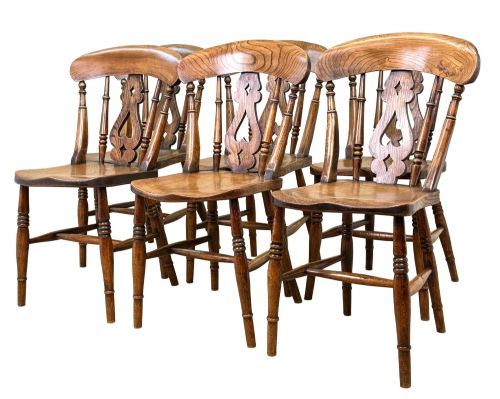
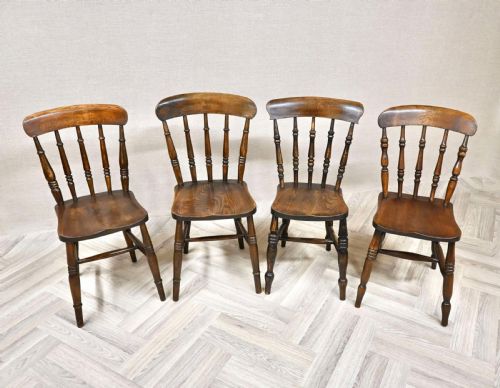
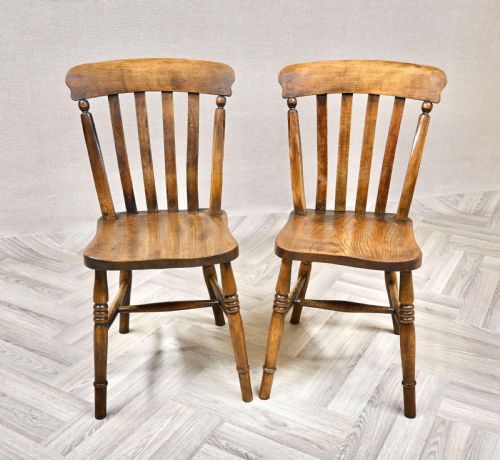
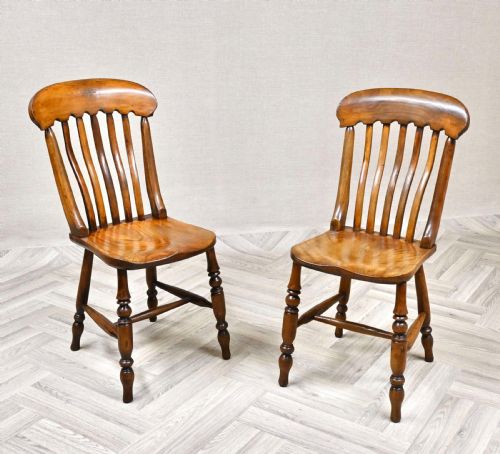
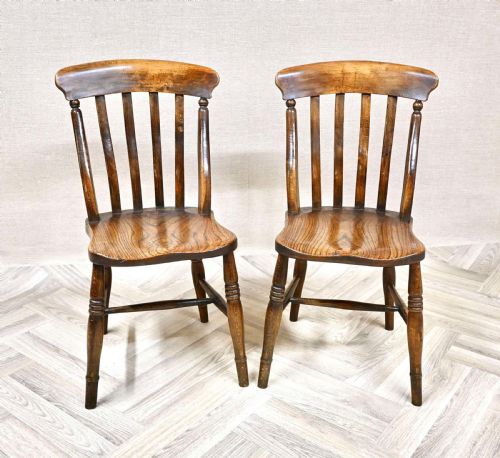
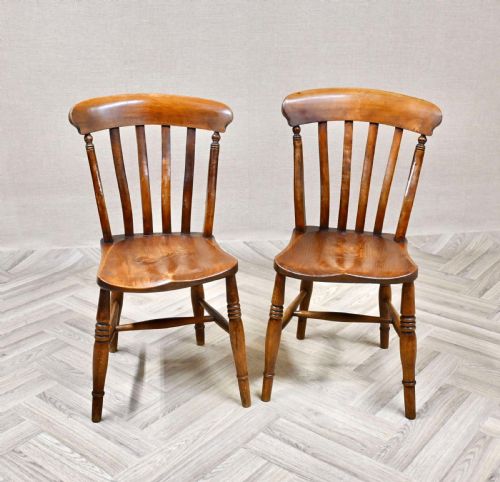
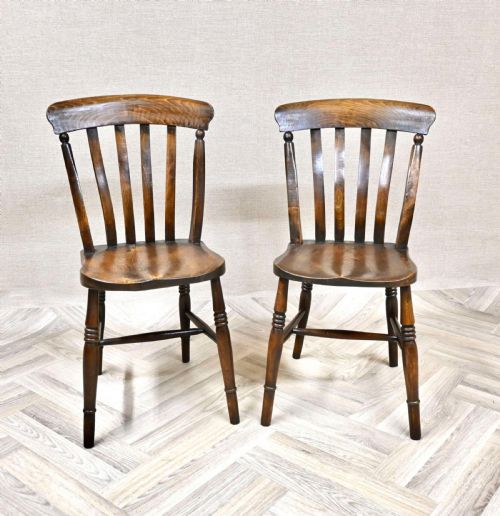
Windsor dining chairs comprise traditional country seating built with a distinct central spindle structure fitted into a solid wooden seat.
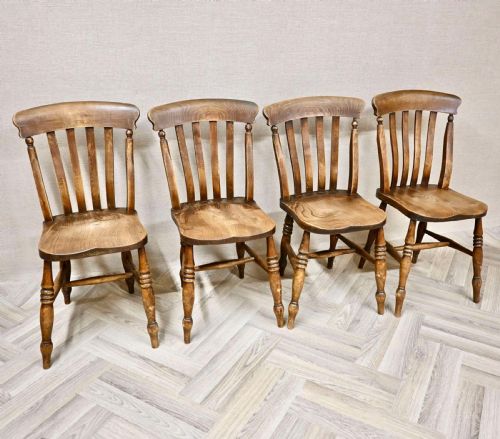
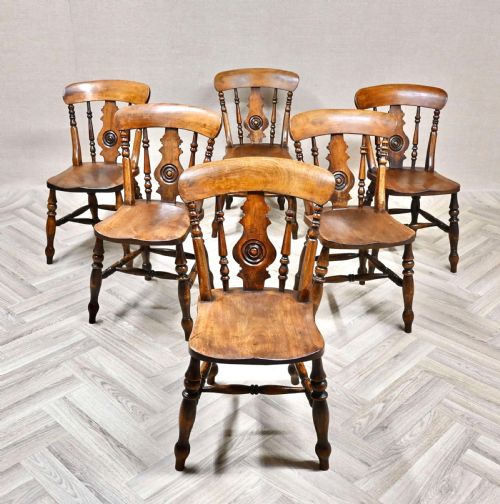
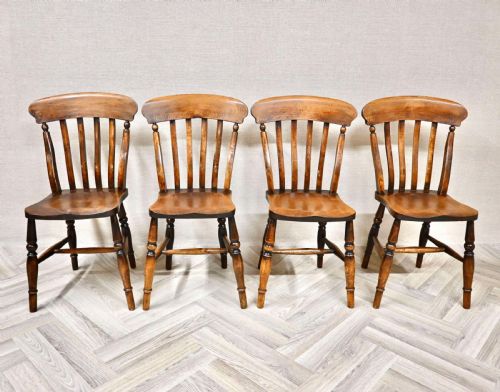
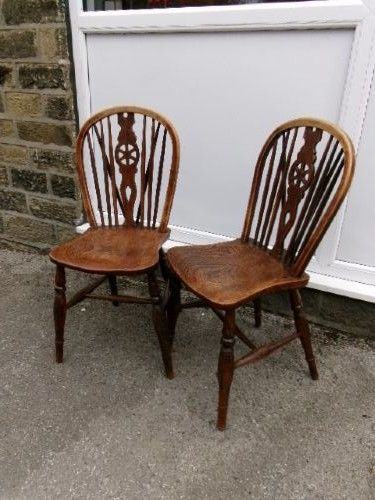
Most examples found on this page date from the nineteenth century and originate from English farmhouse kitchens, displaying various regional hoop, wheel, or lath back designs.
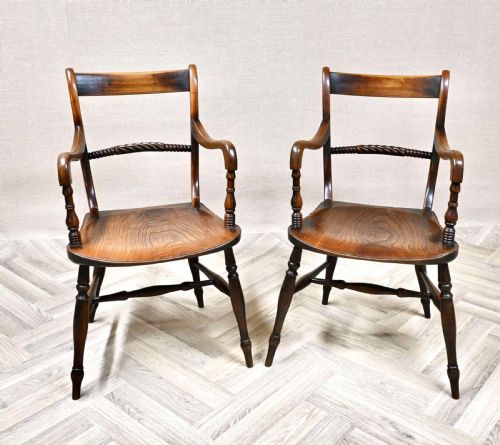
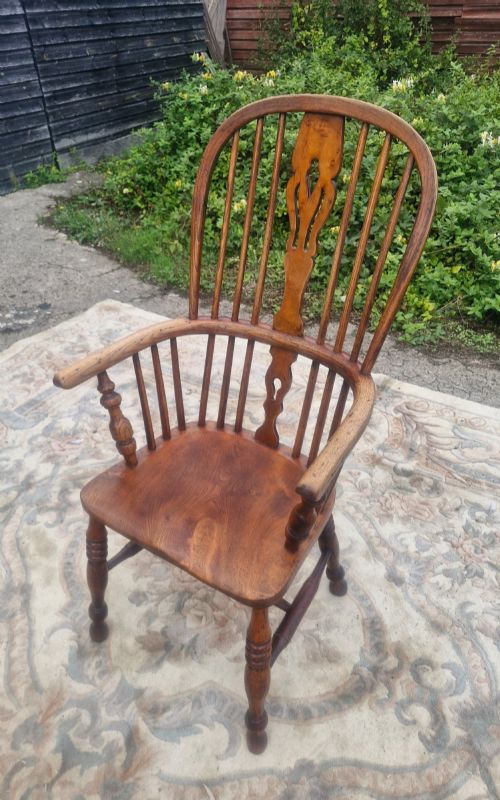
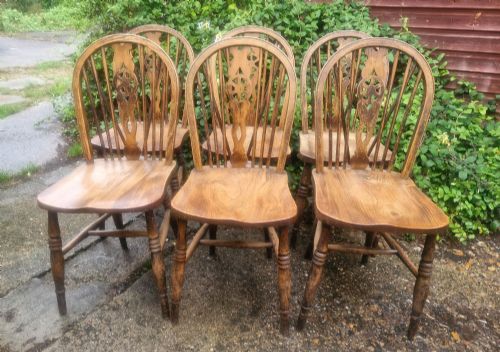
Buyers encounter both single dining chairs and matched sets of four, six, or more, alongside individual high-back armchairs.
How They Were Made
Cabinet makers utilised a combination of native timbers, frequently pairing elm for comfortable, dished seats with ash, beech, or oak for bent bows and turned spindles.
The construction relies on traditional wedged tenon joints where legs and back supports pierce directly through the solid wooden seat block.
Windsor Dining Chairs Retail Price Guide 2026
Typical asking prices for windsor dining chairs among the pieces listed under this phrase on Sellingantiques today, from the lower quarter to the upper quarter. They describe what is for sale here now, not the wider market.
Listings feature nineteenth-century styles including Gothic, stick back, and Windsor armchairs.
What Varies in Quality
Quality rests upon the selection of timber and the harmony of the turned components, with dense yew wood and well-figured elm commanding greater appreciation.
The grace of the bentwood hoop, the complexity of the spindle turnings, and the presence of structural elements like crinoline stretchers elevate superior examples.
The Windsor Dining Chairs Glossary
- Hoop back
- A continuous bentwood bow forming the backrest and arm supports of the chair. This design provides structural strength and ergonomic comfort.
- Wheel back
- A central splat shaped like a carriage wheel incorporated into the wooden backrest. This decorative motif appears frequently on nineteenth-century kitchen chairs.
- Crinoline stretcher
- An arched underframe connecting the legs of a chair to provide rigidity. These metal or wooden braces often feature sophisticated turning.
- Elm seat
- A solid timber base carved into a saddle shape for sitting. Elm is chosen for its interlocking grain which resists splitting under stress.
Windsor Dining Chairs: Frequently Asked Questions
How do I care for antique wooden chairs?
Maintain the timber by applying natural beeswax occasionally to nourish the grain and prevent drying. Keep the chairs away from direct heat sources and sudden temperature changes to protect the joints.
Regular dusting with a soft cloth preserves the surface patina. Avoid liquid polishes that contain silicone, which can damage old finishes over time.
Can I mix different styles around a table?
Harlequin sets and matched groups demonstrate how country interiors naturally evolved over time. Blending hoop back and lath back forms creates an authentic period aesthetic.
Ensure seat heights align comfortably with your dining table. Similar wood tones and shared vernacular origins help unify mismatched seating.
What defines a Thames Valley chair?
Thames Valley pieces typically incorporate high-grade timbers such as yew wood and elm. These regional examples display refined turning and sophisticated back designs.
Local workshops along the river developed distinctive regional traditions that collectors prize. Their construction often includes intricate spindle work and robust underframes.
Are these chairs suitable for daily use?
Vernacular seating was built for robust domestic service in farmhouses and kitchens. Their peg and wedge construction provides enduring structural integrity for modern dining.
Check that legs and spindles remain firm within the seat block. Periodic inspection of the joints ensures safe use for everyday meals.