

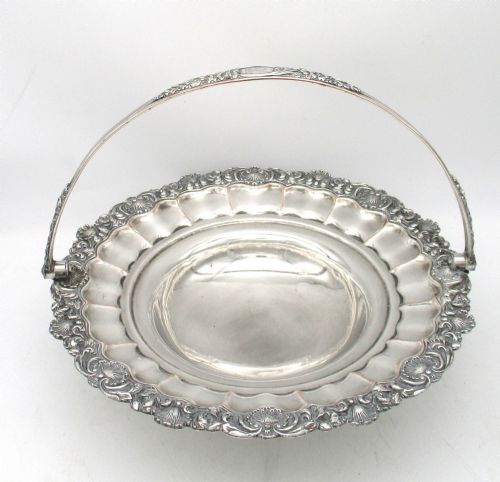


William IV Silver Table
A William IV silver table piece brings solid weight and precise decoration from the nineteenth century into daily use.
William IV Silver Table
When you search for a William IV silver table piece, you encounter solid sterling items, heavy silver gilt, and substantial snuff boxes or table salts dating from the nineteenth century. The selection includes Georgian and Regency transitional forms, alongside heavy silver gilt boxes and table salts made in London and Birmingham.
Makers such as Joseph Wilmore and Thomas Shaw feature prominently among the boxes, while silver basins and plated baskets represent the broader domestic range. These objects reflect the formal dining and social habits of the period, executed in solid silver or Old Sheffield plate.
The objects span practical dining accessories like sauce boats and meat domes as well as personal table items. Each piece demonstrates the characteristic weight and decorative restraint associated with the era.
Materials and construction
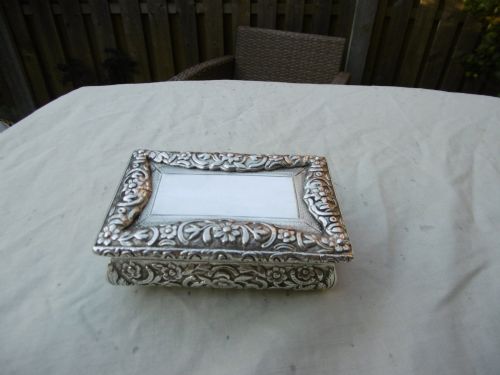
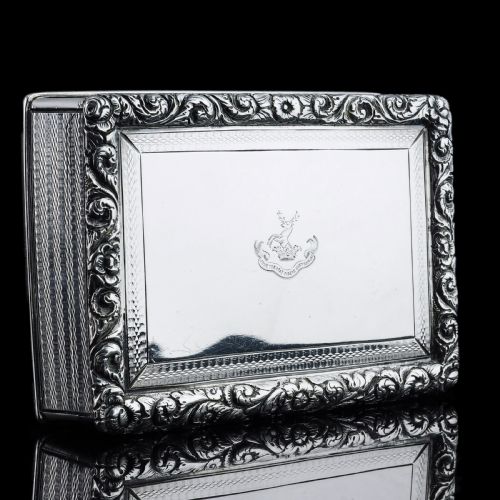
Silversmiths utilised heavy sterling silver and silver gilt, shaping them through traditional hammering, casting, and chasing techniques. Floral chased borders and crisp linear details appear frequently across the boxes and salts.
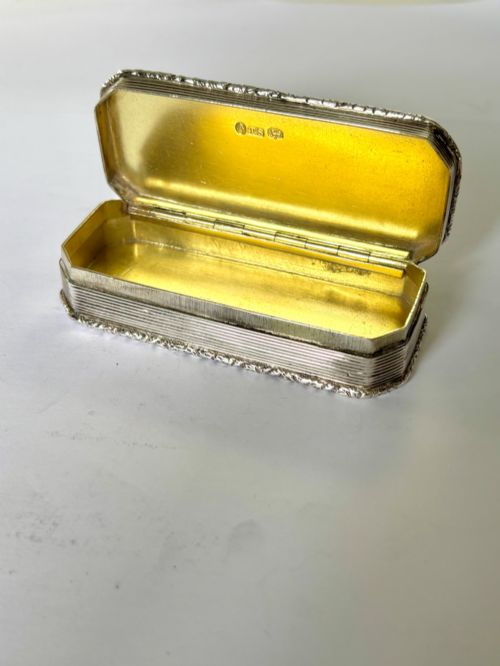
Makers applied gilding to the interior surfaces of boxes and salts to protect the silver from corrosive food elements. Hallmarks stamped directly into the metal record the assay office, date letter, and maker's mark.
William IV Silver Table Retail Price Guide 2026
Typical asking prices for william iv silver table among the pieces listed under this phrase on Sellingantiques today, from the lower quarter to the upper quarter. They describe what is for sale here now, not the wider market.
Listings feature items spanning the nineteenth century, including the Georgian, Regency, and William IV periods.
Judging quality and craftsmanship
Depth and crispness of the chased decoration separate ordinary domestic items from superior examples. Sharp relief work on floral borders indicates a skilled hand using punch and hammer.
Weight and gauge of the metal dictate the substance of the piece, particularly in larger snuff boxes and table salts. Thicker walls prevent denting and preserve the structural integrity of hinged lids.
Clarity of the hallmarks confirms the legitimacy and origin of the piece. Crisp, unrubbed stamps from makers like Joseph Wilmore add significant authority to a box.
Joseph Wilmore·Thomas Shaw·Henry Wilkinson
The William IV Silver Table Glossary
- Silver Gilt
- Silver that has been coated with a thin layer of gold on its surface. This technique provides a rich golden appearance while maintaining a solid silver structure underneath.
- Old Sheffield Plate
- A composite material made by fusing a sheet of silver to a thicker base of copper. This method creates durable tableware that predates modern electroplating.
- Table Salt
- A small open vessel or standing container placed on the dining table to hold loose salt. Examples from the period often feature matching pairs with gilded interiors.
- Snuff Box
- A small hinged box designed to hold powdered tobacco. These items often display intricate chased borders and substantial weight.
- Meat Dome
- A large domed cover used to keep roasted meats warm on the dining table. These pieces are frequently formed from Old Sheffield plate.
William IV Silver Table: Frequently Asked Questions
What defines a William IV silver piece?
Pieces from this era combine Regency neoclassical restraint with early Victorian elaboration, typically marked by solid sterling construction and crisp floral chasing. The style represents a distinct transitional phase in British silver smithing.
Items from this period frequently display heavy gauges of metal and maker marks associated with Birmingham and London assay offices.
How do I care for silver table items?
Regular dusting with a soft cloth keeps silver surfaces clean without removing the fine details of chased borders. Avoid harsh chemical dips that strip the natural patina accumulated over centuries.
Store silver in dry environments away from direct sunlight to minimise tarnishing. Gilded interiors require particularly gentle handling to preserve the gold layer.
How are these pieces dated?
Silversmiths stamped official hallmarks onto the metal, including a date letter that corresponds to the specific year of assay. Additional marks record the maker's initials and the town of origin.
These stamps provide the primary evidence for establishing the exact period of manufacture for each item.