


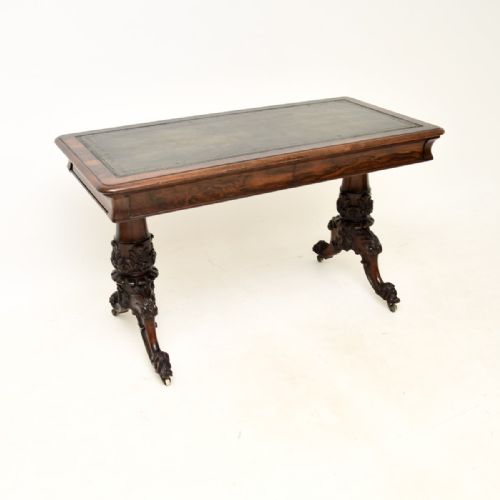
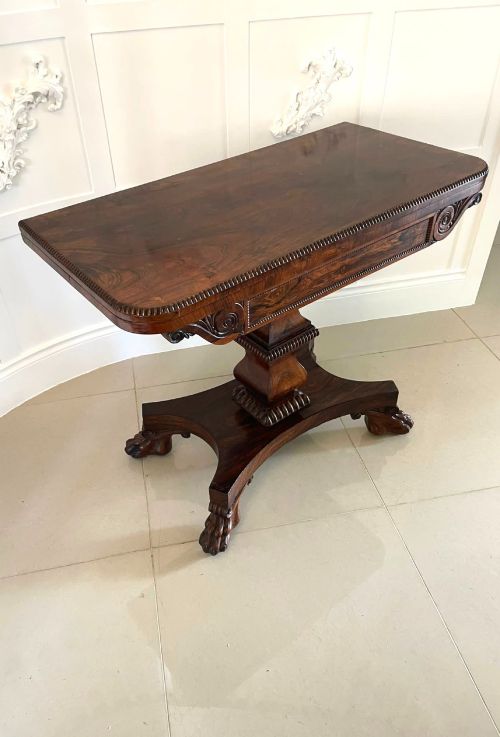
William IV Rosewood
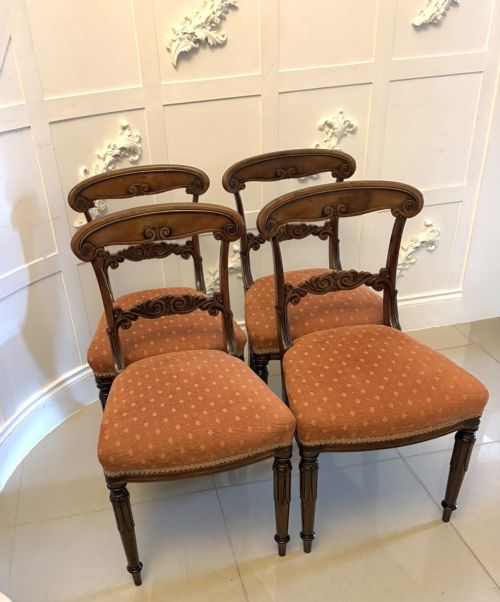
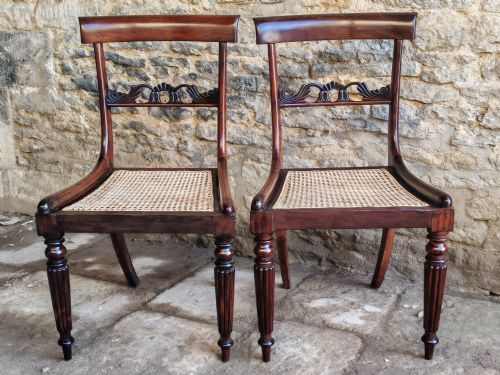
William iv rosewood furniture brings rich dark grain and bold classical carving into domestic spaces with distinct architectural authority.
William IV Rosewood
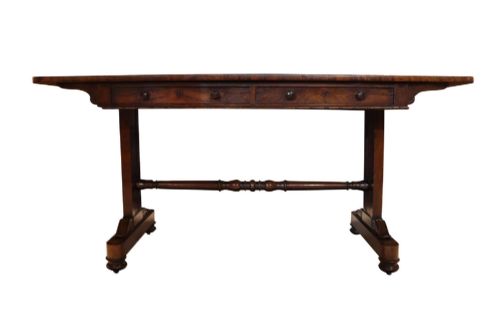
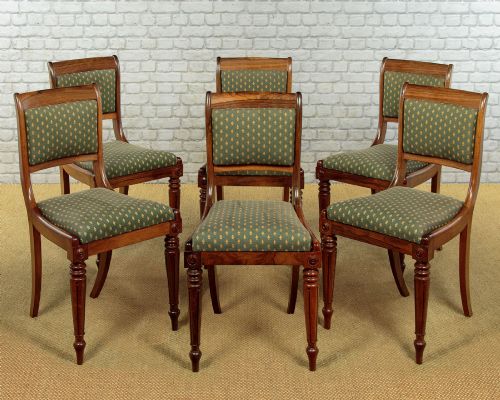
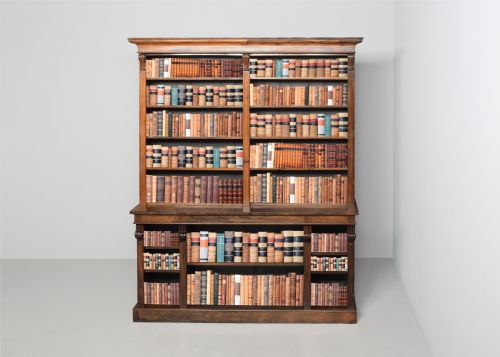
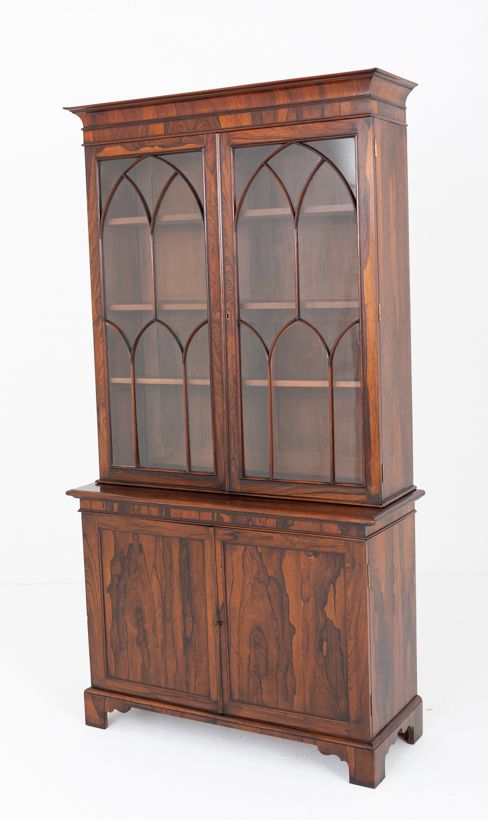
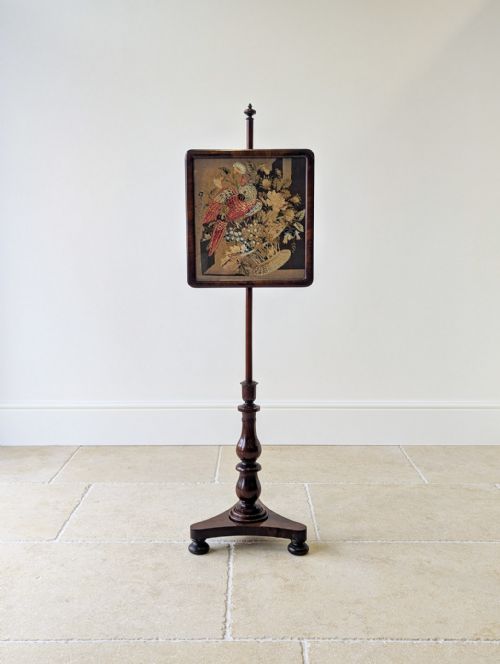
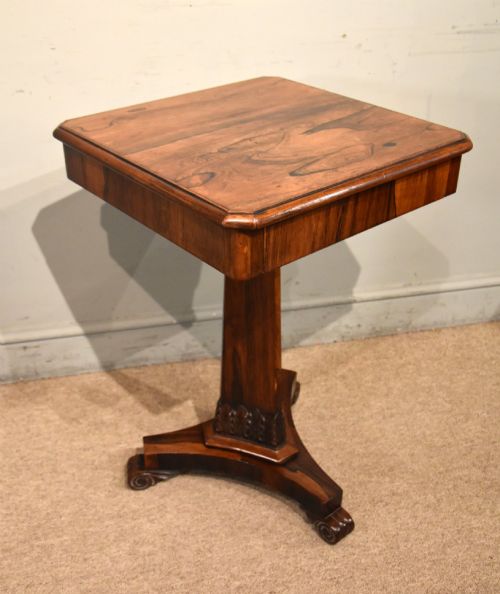
William iv rosewood pieces span domestic utilitarian furniture and grand reception room centrepieces created during the early nineteenth century. Centre tables, card tables, and dining tables dominate the forms, alongside open bookcases, writing tables, and specialised work tables.
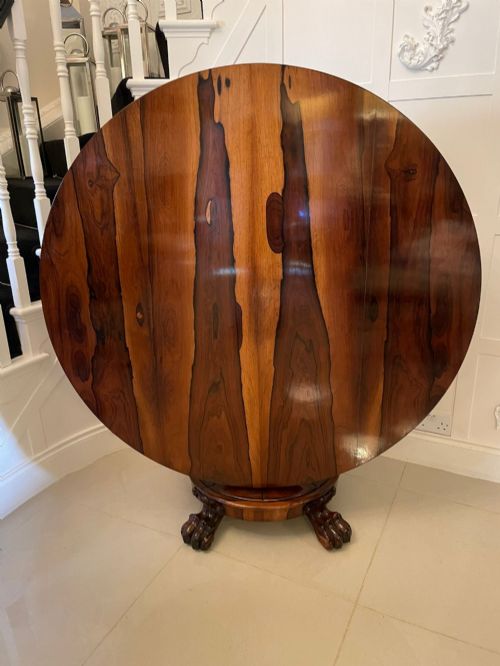
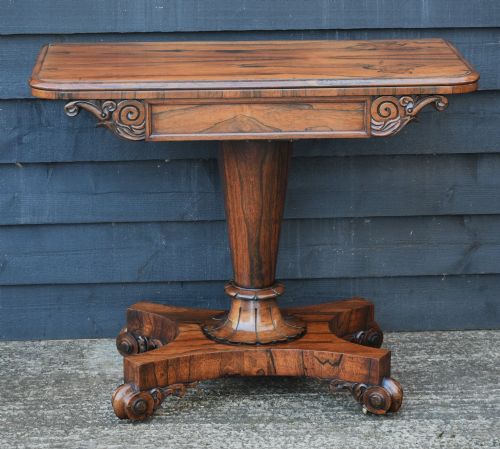
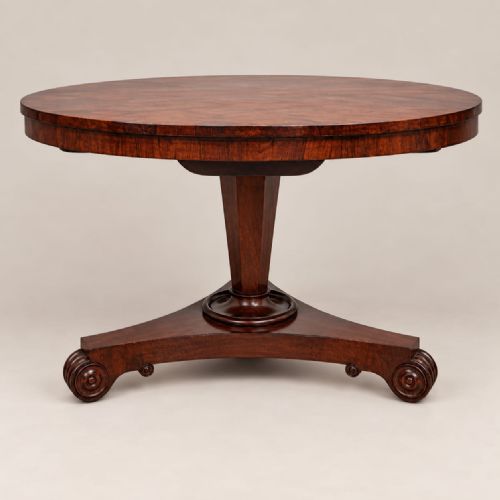
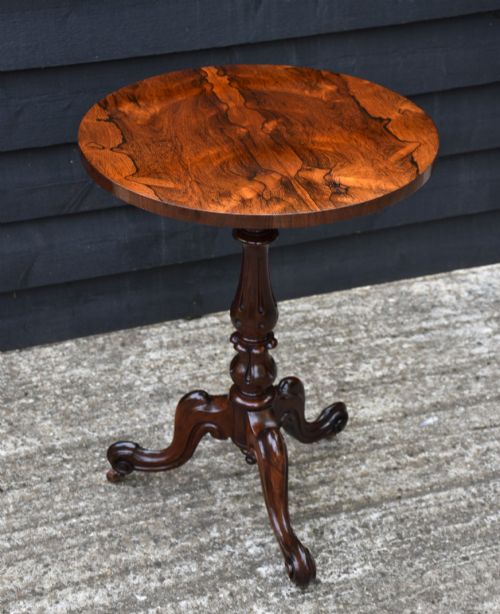
The aesthetic bridges late Regency elegance and early Victorian heaviness, frequently utilising substantial circular pedestals, triform bases, and carved lion-paw feet. Buyers encounter circular breakfast tables and fold-over card tables most frequently in this search.
Materials and Construction
Cabinet makers utilised dense Brazilian rosewood veneers applied to solid secondary timbers like mahogany and oak, selecting heartwood for dramatic dark grain figures. Heavy structural elements such as central pedestals and feet were carved from solid wood to support weight and bear decorative detail.
Secondary materials including brass castors, leather writing surfaces, and glass doors complemented the dark timber framework. Interior compartments in work tables and tea poys frequently incorporated intricate fitted layouts in lighter woods.
Listings demonstrate that 19th-century cabinet makers paired dense rosewood veneers with brass hardware, leather panels, and glass doors.
Gradations in Quality
Quality rests upon the selection of the timber grain, where richly figured veneer sheets with natural contrast elevate a piece far above plain stock. Crispness of hand-carved details, such as sunburst motifs and scrolling foliage, distinguishes workshop output.
Structural integrity of the joints, particularly on tilt-top mechanisms and heavy pedestal bases, dictates longevity and daily utility. Attributions to documented cabinet makers like Gillows add historical substance to superior construction.
Gillows·W C Wilkinson·Mein of Kelso·J C Louden
The William IV Rosewood Glossary
- Rosewood
- A dense, dark timber prized for its dramatic black grain patterns and high natural oil content. It takes a brilliant polish and served as the primary face veneer for elite nineteenth-century cabinet work.
- Teapoy
- A small box on a pedestal used to store loose tea leaves, sugar, and mixing bowls. These lidded containers often feature fitted interior compartments and central locking mechanisms.
- Triform
- A three-sided architectural base or pedestal configuration frequently utilised on heavy circular tables. This design provides structural stability while allowing substantial clearance for seating.
- Chiffonier
- A low sideboard or enclosed cabinet featuring shelves and doors, designed for dining rooms or parlours. It evolved from earlier sideboards to store silver, linen, and glassware.
- Canterbury
- A low, partitioned stand used for holding sheet music, books, or periodicals. It typically incorporates carrying handles and small castor wheels for mobility.
William IV Rosewood: Frequently Asked Questions
How do I identify a William IV table?
William iv tables typically feature heavy circular top surfaces supported by thick central pedestals resting on triangular or triform platforms. Look for bold classical carving, such as scrolled acanthus leaves or lion paw feet.
Substantial weight and dark figured rosewood veneers further distinguish pieces from this specific design period.
What is a rosewood tea poy used for?
A tea poy served as a secure, lidded container for storing expensive dry tea leaves in nineteenth-century drawing rooms. The interior usually contains small removable canisters and mixing bowls.
Servants would prepare tea for guests from these decorative boxes before locking them away again.
Are tilt-top breakfast tables stable?
Tilt-top tables utilise a heavy brass catch mechanism beneath the top surface to secure the heavy rosewood leaf in a horizontal position. When properly maintained, the central pillar and solid timber base distribute weight securely.
The tilting function originally allowed servants to store the table flat against a wall when not in daily use.
How do I care for antique rosewood?
Maintain rosewood furniture by keeping it away from direct sunlight and steady heat sources to prevent timber shrinkage and veneer cracking. Apply a microcrystalline wax periodically to nourish the surface and protect the traditional polish.
Avoid liquid polishes and silicone sprays, which degrade the historic finish over time.