

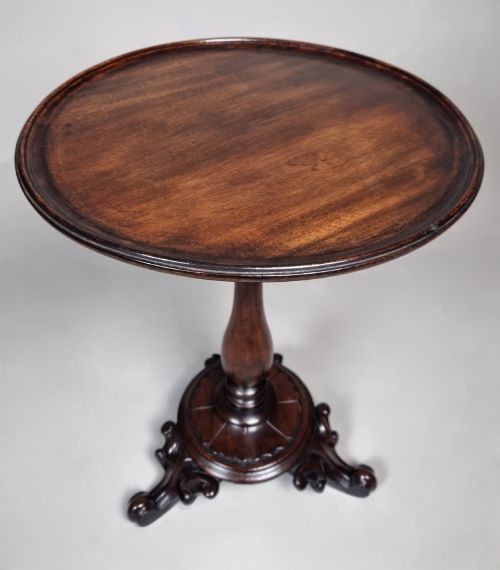
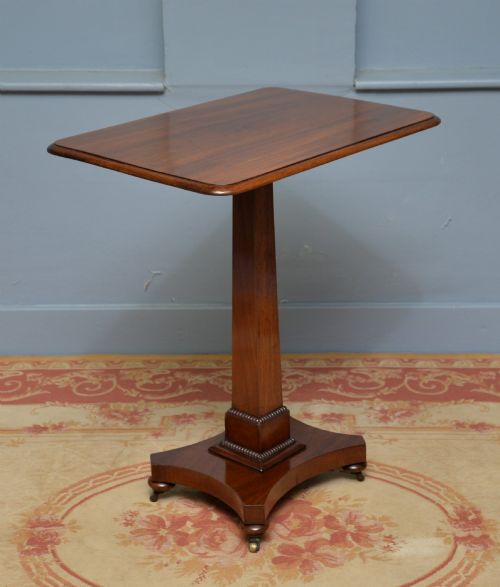
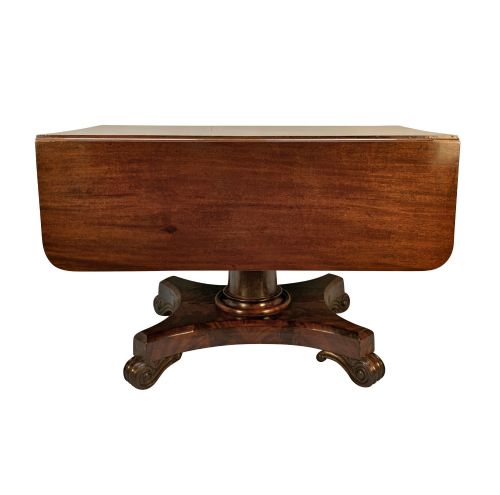
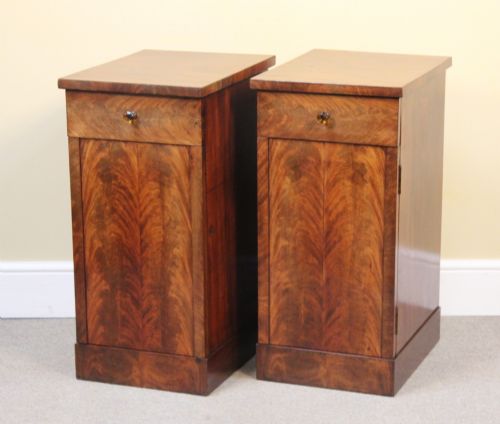
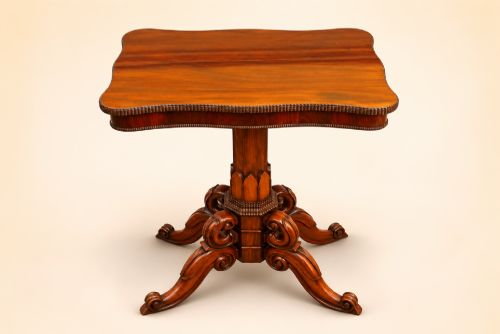
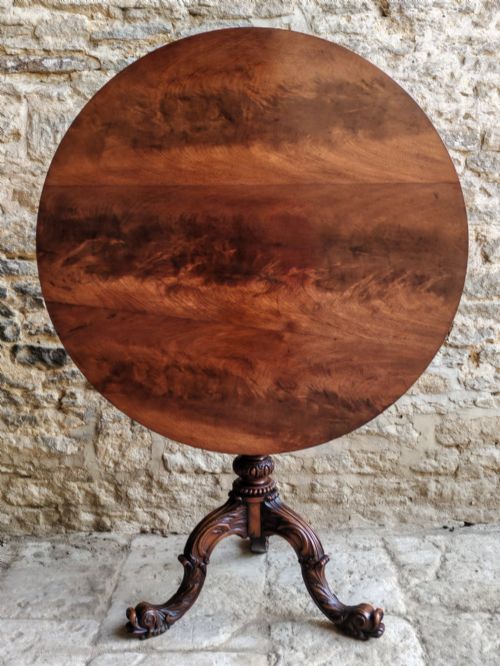
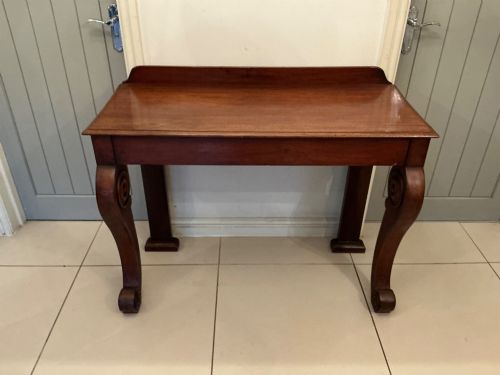
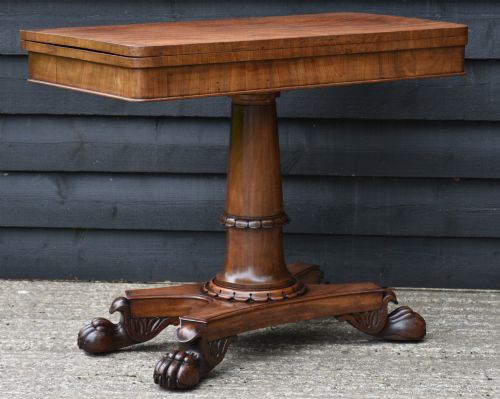
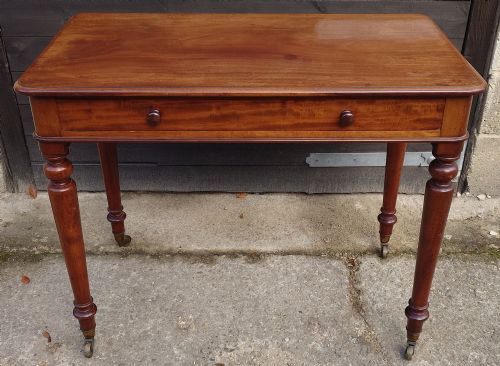
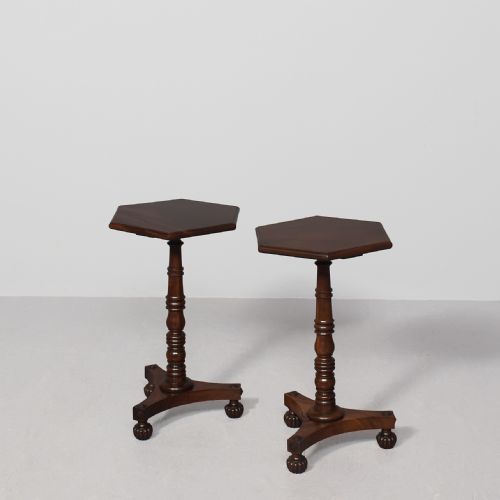
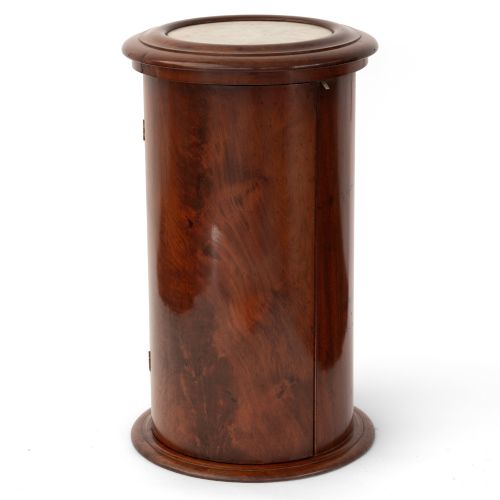
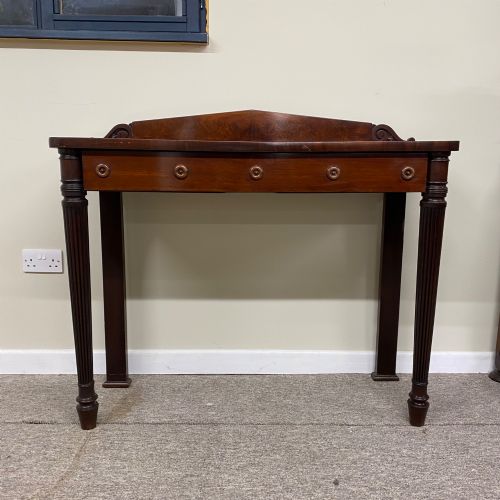
William IV Mahogany Side Table
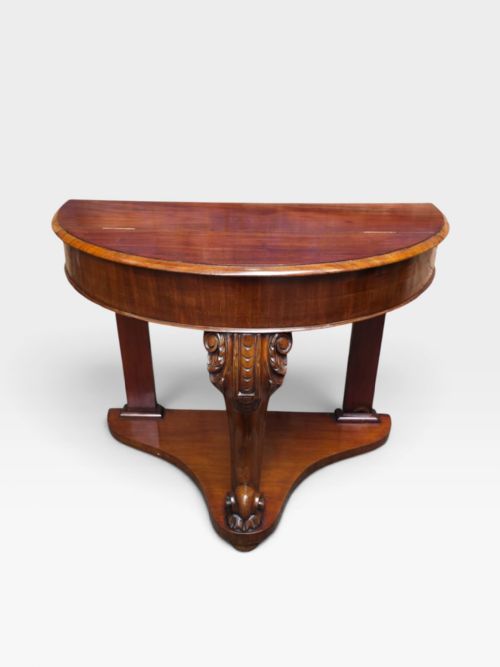
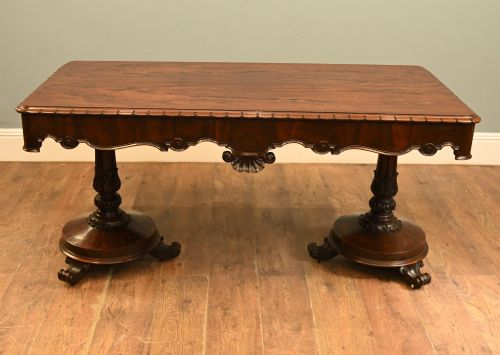
These robust timber pieces are a william iv mahogany side table, bringing solid weight and carved detail to a room.
William IV Mahogany Side Table
A william iv mahogany side table brings architectural presence and heavy timber construction into a room, often taking the form of a console, occasional piece, or tea table. The listings show these items sitting alongside related pieces from the wider nineteenth century, including Georgian and Victorian periods.
Makers of this era built these tables for practical use in hallways, drawing rooms, and libraries, employing sturdy pedestals and console shapes. The most common version met on this page is the side table or console table in solid mahogany, frequently featuring carved paw feet or pedestal bases.
Materials and Construction
Cabinetmakers built these pieces using dense timbers like mahogany and flame mahogany veneer, sometimes accented with rosewood, walnut, or ebonised details. Tops occasionally incorporate marble, leather, or glass inserts depending on the specific function of the table as a desk, console, or serving piece.
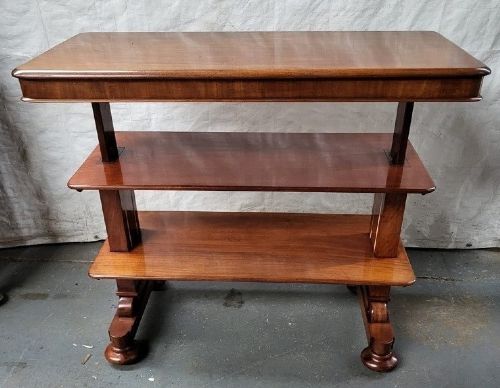
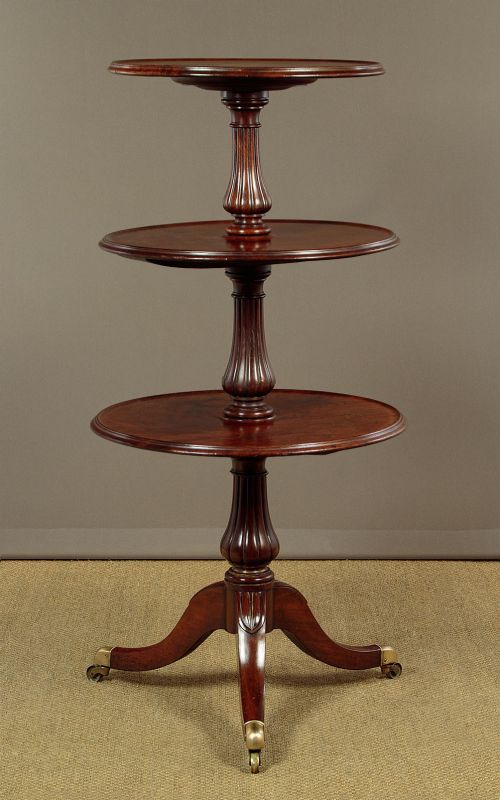
Joinery relied on solid framing combined with turned pedestals and heavy carved supports. Brass hardware, casters, and folding mechanisms appear on tea tables, butler trays, and metamorphic designs.
William IV Mahogany Side Table Retail Price Guide 2026
Typical asking prices for william iv mahogany side table among the pieces listed under this phrase on Sellingantiques today, from the lower quarter to the upper quarter. They describe what is for sale here now, not the wider market.
Listings span multiple materials including brass, marble, leather, and rosewood alongside the dominant mahogany.
Judging Quality
Quality rests upon the selection of timber figures and the crispness of the hand-carved details on the bases and feet. Pieces with well-matched flame mahogany veneers and substantial marble tops show a higher grade of craftsmanship.
Structural integrity of the pedestals and joints determines how well the piece survives heavy daily use. Tables retaining original brass fittings and uncompromised structural glue lines demonstrate superior workshop origin.
The William IV Mahogany Side Table Glossary
- Console table
- A table designed to stand against a wall, frequently fitted with a marble or wood top.
- Flame mahogany veneer
- A thin slice of timber cut from wood where the branch meets the trunk, producing a distinctive flickering flame pattern.
- Pembroke table
- A drop-leaf table with hinged flaps on either side.
- Metamorphic table
- Furniture engineered to transform from one form into another, such as a buffet or desk.
William IV Mahogany Side Table: Frequently Asked Questions
Where did they place a side table?
These tables stood against walls in formal hallways, drawing rooms, and dining spaces where servants prepared dishes or hosts served tea.
Their narrow profile allowed them to occupy circulation areas without blocking pathways while providing a surface for lamps, books, or decorative objects.
How do I identify the period?
Look for the characteristic heavy pedestals, bold carved scrollwork, and rich timber grain associated with the 1830s.
While overlapping with late Regency and early Victorian design, these pieces lean towards heavier proportions and distinct carved paw feet.
Are marble tops original?
Marble inserts appear frequently on serving, hall, and console tables designed to handle damp items or heavy use.
They provide a durable, cool surface that complements the dark grain of the surrounding mahogany frame.