

William IV Cupboards
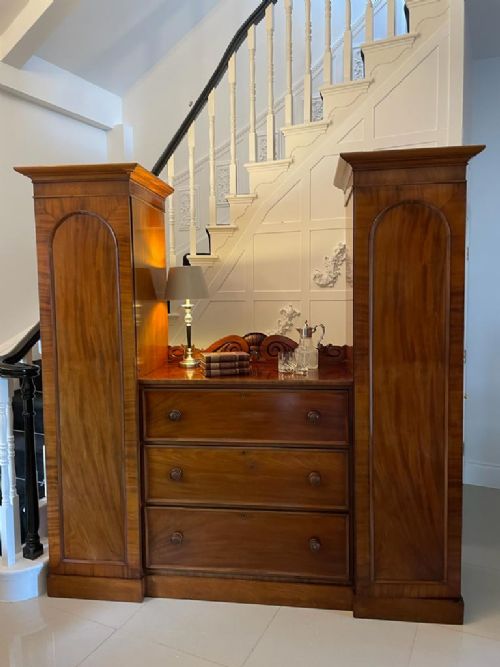
William IV cupboards bring architectural presence and dense figuring to a room, offering robust storage in rich woods like mahogany and rosewood.
William IV Cupboards
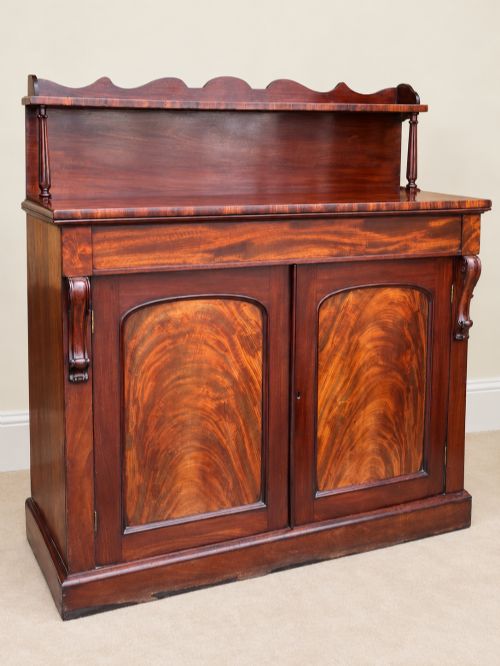
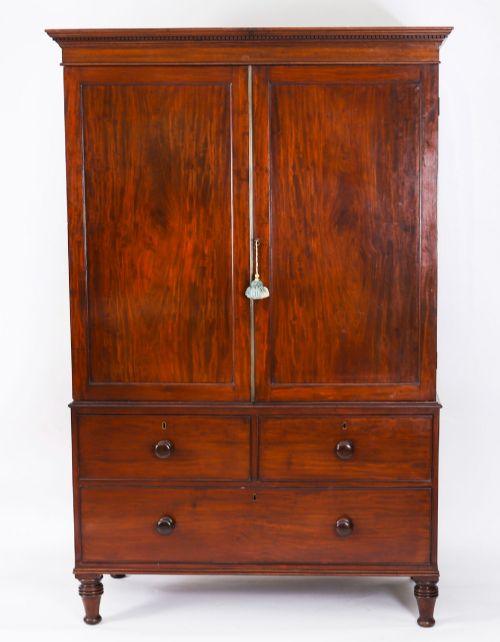
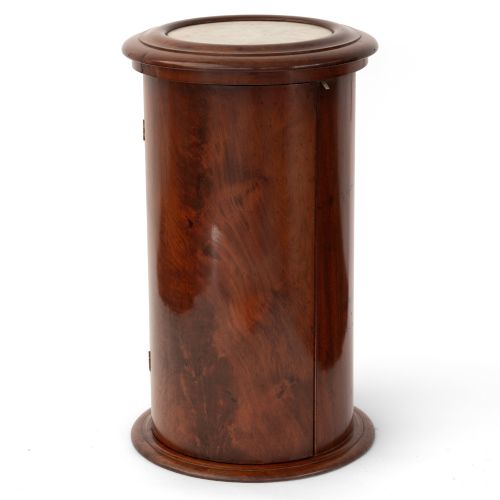
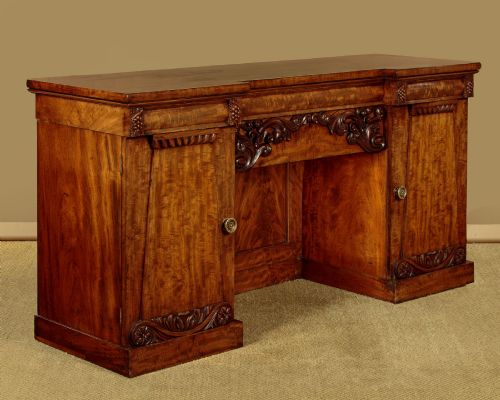
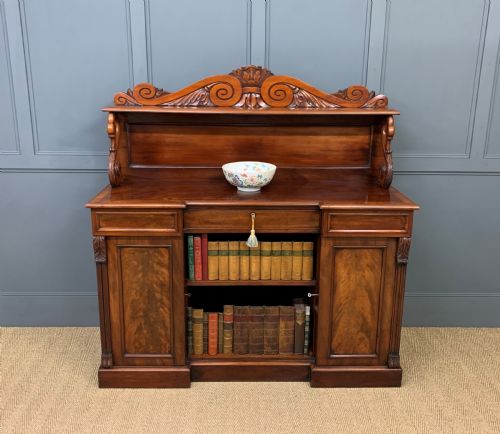
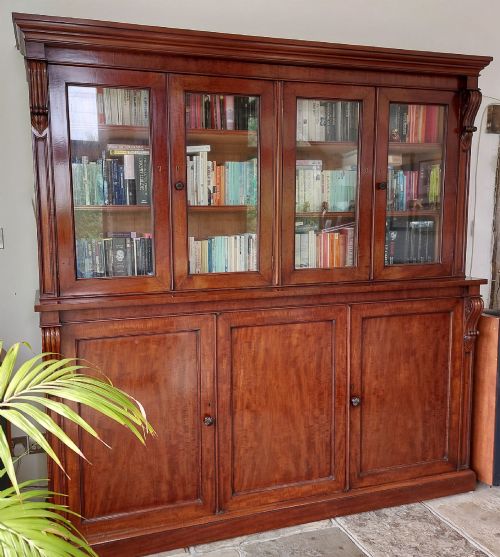
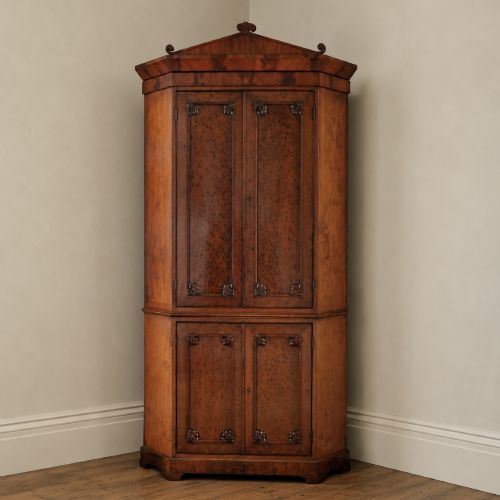
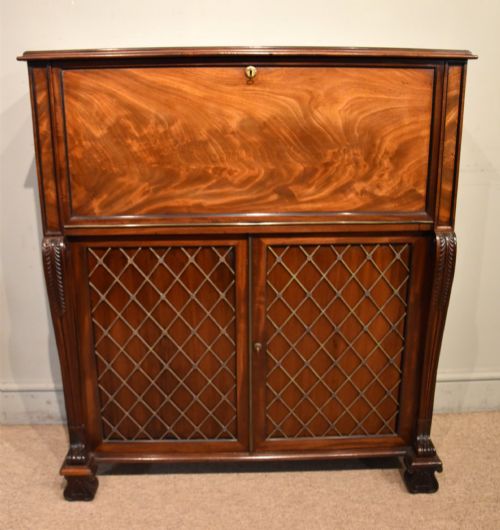
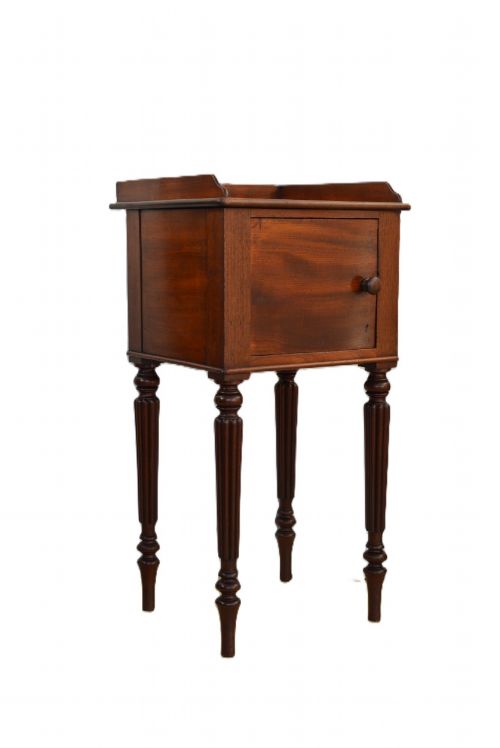
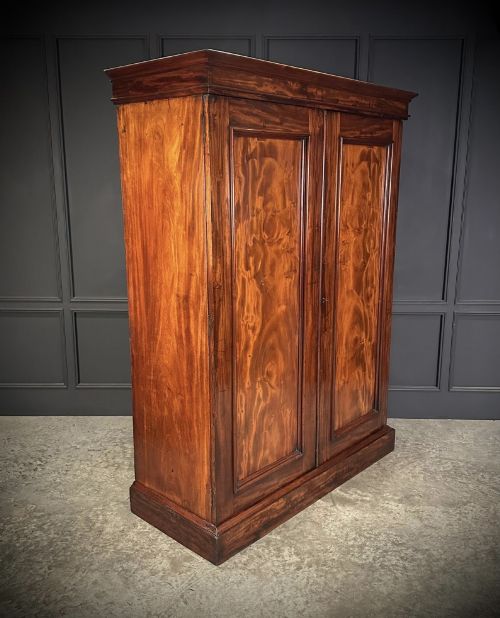
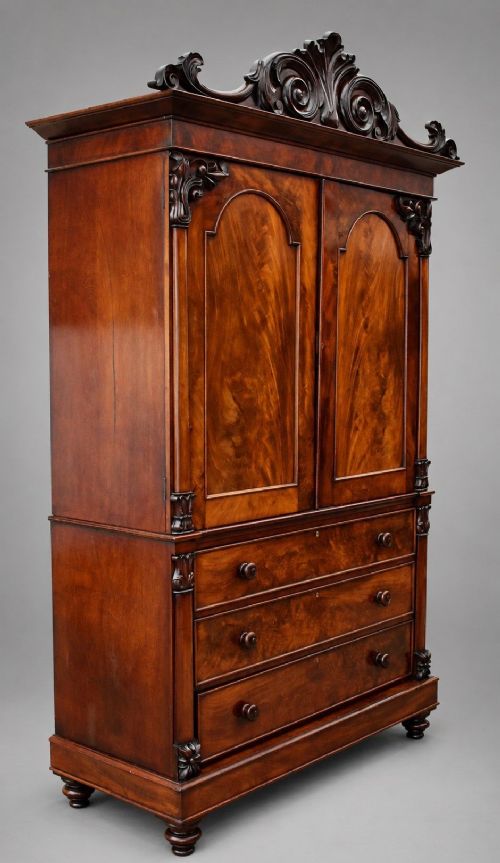
William IV cupboards encompass a sturdy range of storage forms, including bedside cabinets, chiffoniers, side cabinets, bookcases, wardrobes, and linen presses. These pieces date principally from the nineteenth century, reflecting the transitional tastes between Regency and early Victorian periods.
Mahogany and flame mahogany veneer dominate the listings, alongside rich rosewood and occasional oak, burr walnut, and pine. Makers and workshops of the era utilised brass hardware, glass panels, and fabric inserts to finish these substantial forms.
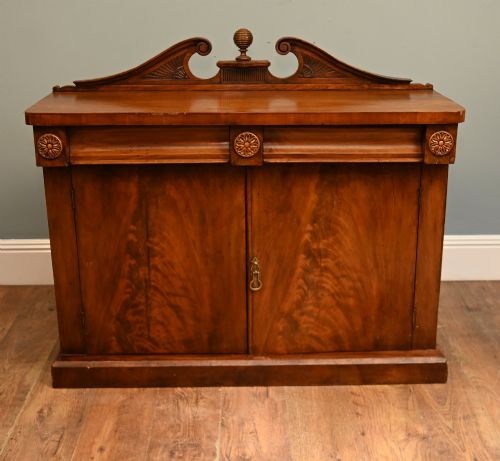
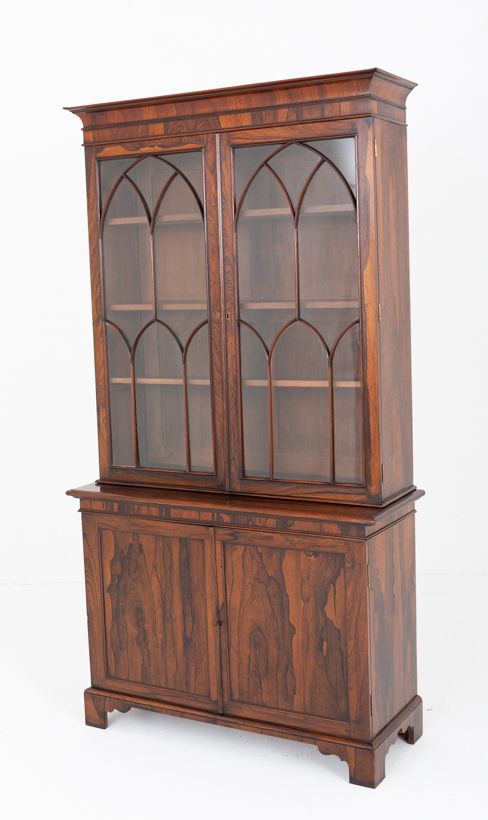
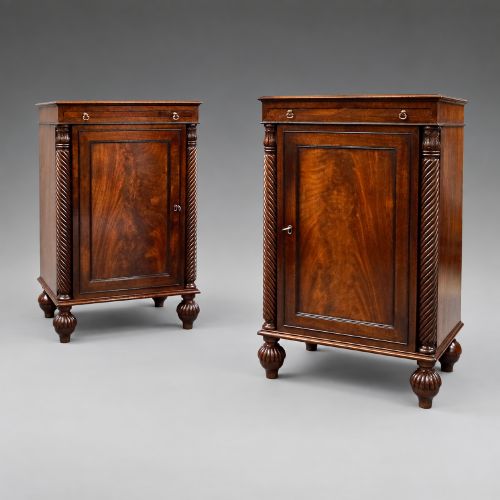
The buyer meets side cabinets and chiffoniers most frequently on this page, often featuring pedestal bases or reeded legs. Larger pieces such as breakfront bookcases and library cabinets also appear, alongside pairs of bedside cupboards.
Quality differences
The hierarchy of these pieces rests upon timber selection and the ambition of the design, distinguishing standard utility storage from high-workshop production. Cabinets displaying exceptional flame mahogany veneer, burr walnut, or dense rosewood command greater attention.
Execution of detail defines the upper tier, seen in balanced proportions, fine reeded legs, and architectural library bookcases referencing makers like Gillows. Lesser examples present simpler stock timber forms with minimal secondary detailing.
William IV Cupboards Retail Price Guide 2026
Typical asking prices for william iv cupboards among the pieces listed under this phrase on Sellingantiques today, from the lower quarter to the upper quarter. They describe what is for sale here now, not the wider market.
Some nineteenth-century bedside cabinets arrive complete with their original working keys tucked inside the locks.
Gillows
The William IV Cupboards Glossary
- Chiffonier
- A low sideboard or cabinet, typically featuring enclosed shelving below and sometimes a raised superstructure above. This form serves as a versatile side cabinet in dining and living spaces.
- Linen Press
- A tall wardrobe-style piece containing sliding trays or shelves for textiles in the upper section and drawer storage below. These large storage items often showcase flame mahogany grain.
- Pedestal Cabinet
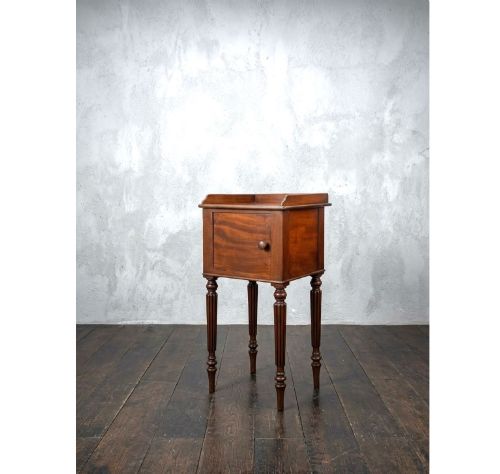
- A compact single-door cabinet resting on a plinth base, frequently utilised as a bedside cupboard or nightstand. Pairs of these cylindrical or hexagonal pedestals appear across nineteenth-century listings.
- Flame Mahogany Veneer
- A decorative wood slicing technique that produces a flickering, flame-like pattern across cabinet doors and drawer fronts. Cabinetmakers employed this veneer to elevate the visual impact of utilitarian furniture.
- Breakfront
- A cabinet design where the central section projects forward from the flanking wings. This architectural arrangement adds depth and shadow to large bookcases and sideboards.
William IV Cupboards: Frequently Asked Questions
How do I identify a William IV cupboard?
William IV pieces sit between the Regency and early Victorian periods, identifiable by robust classical proportions, heavy scrollwork, and rich timber figuring. Look for architectural cornices, reeded legs, and turned pillars that distinguish the style from lighter Georgian furniture.
Cabinets from this era frequently employ flame mahogany veneer or rosewood, sometimes bearing attribution to workshops such as Gillows. The combination of substantial carcases and restrained classical ornamentation marks the period.
Where should I place a chiffonier?
A chiffonier works effectively in a dining room or hallway as a serving surface and enclosed storage unit for glassware or linens. The lower cupboards conceal bulkier items while the top surface displays decorative objects.
Because many examples include low shelving or mirrored upper sections, positioning them against a main living room wall allows the piece to anchor the room. Ensure adequate clearance for doors to swing open fully in tighter spaces.
Are bedside cupboards usually sold in pairs?
Bedside cupboards appear both as single items and matched pairs in nineteenth-century cabinetmaking. Single nightstands suit smaller guest rooms, while pairs balance a larger bed frame.
Listings include hexagonal and cylindrical pedestal forms alongside rectangular cupboards. Checking the dimensions ensures the height aligns correctly with mattress levels.
How do I care for rosewood and mahogany?
Maintain nineteenth-century hardwoods by keeping them away from direct sunlight and sudden temperature shifts that dry out timber and veneer. Regular dusting with a soft, dry cloth preserves the polished finish without chemical buildup.
Applying traditional beeswax occasionally nourishes the grain of flame mahogany and rosewood. Avoid placing damp items directly on the polished timber surfaces.