



Antique Mahogany Lockers
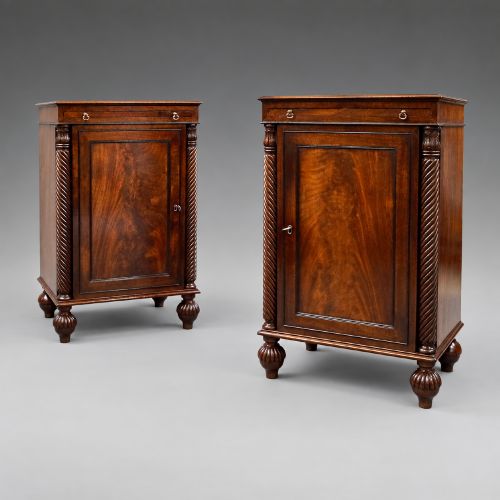
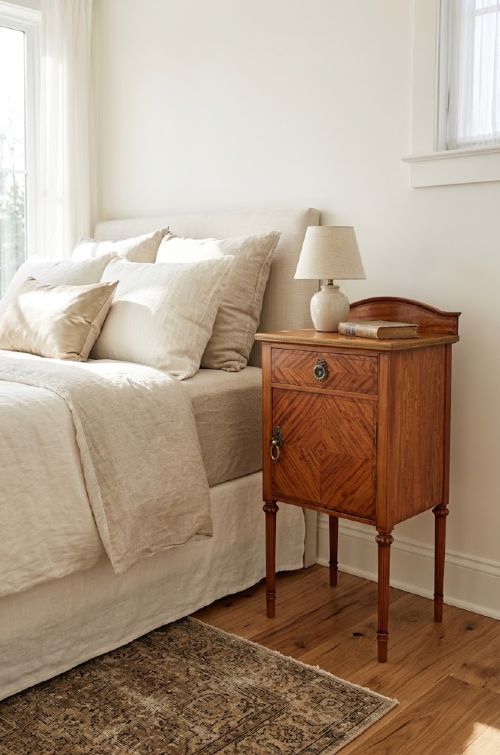
These antique mahogany lockers bring practical bedside storage and rich timber grain to the bedroom.
Antique Mahogany Lockers
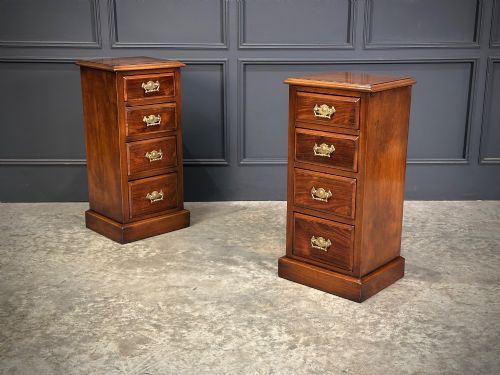
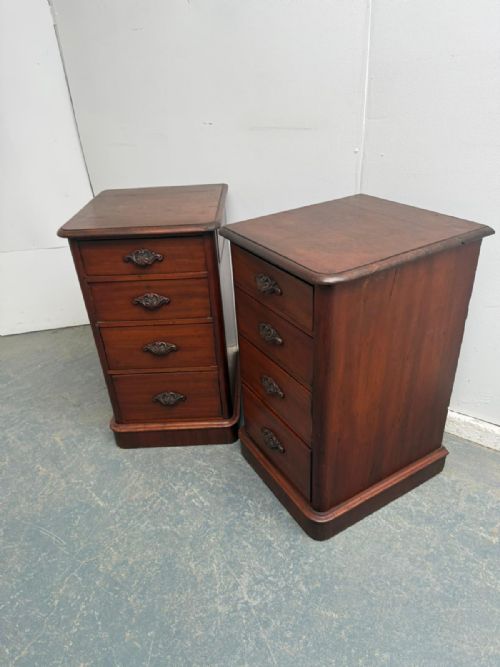
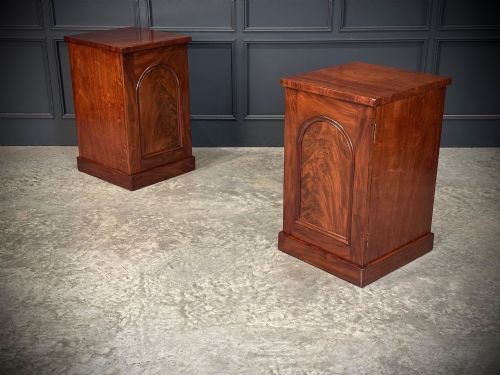
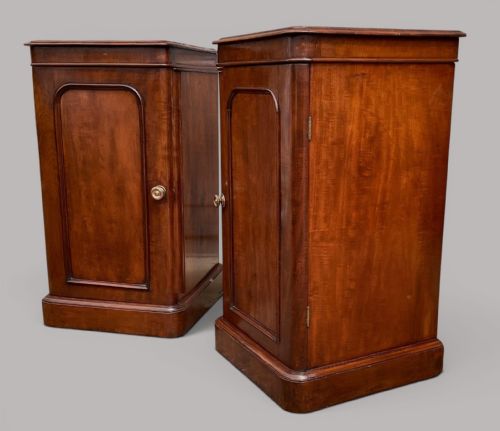
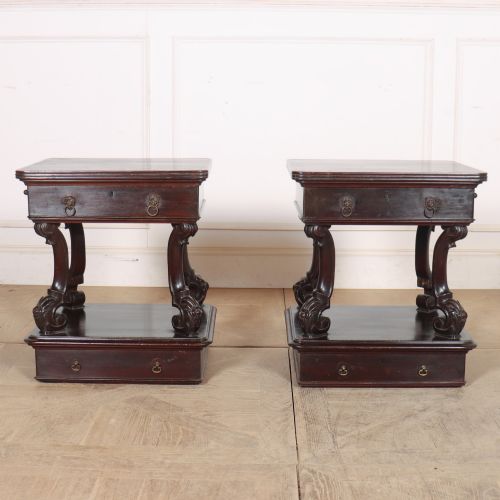
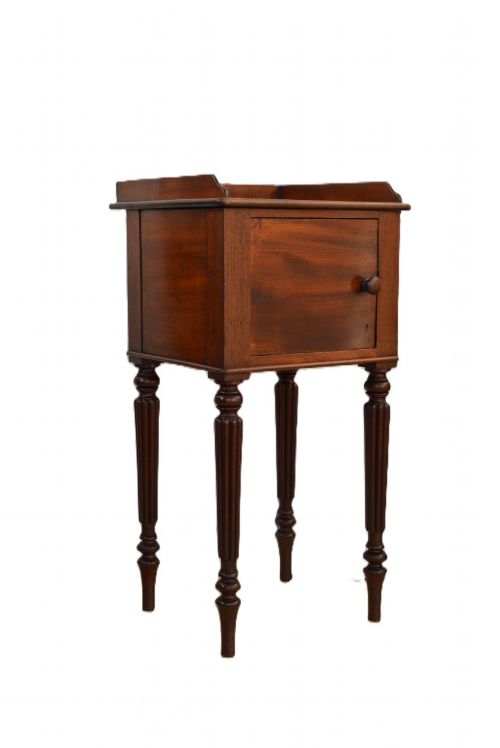
When searching for antique mahogany lockers, collectors encounter a variety of bedside forms including cupboards, chests of drawers and nightstands. The pieces span several periods from the Georgian era through to the Edwardian period, often appearing as matched pairs.
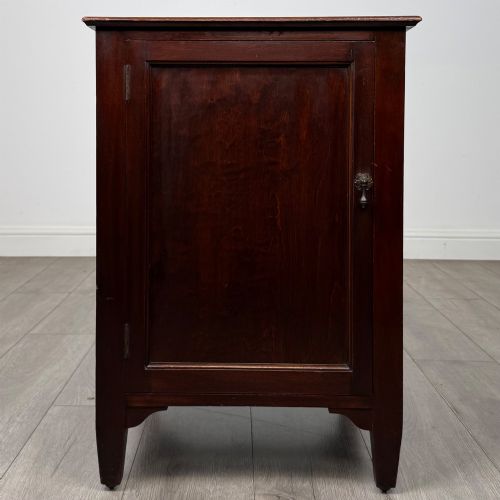
Makers designed these items to house chamber pots or store personal items beside the bed, resulting in compact proportions. Victorian and Georgian examples dominate the selection, frequently utilising pedestal designs or small chests.
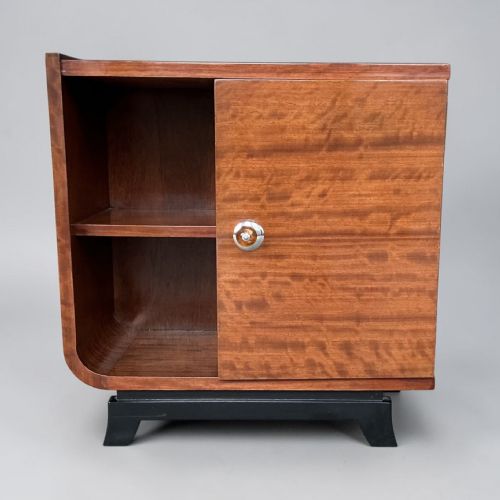
The objects serve modern bedrooms as functional bedside tables while retaining their historic character. Variations include drop flap surfaces, reeded legs and military campaign styles.
Materials and Construction
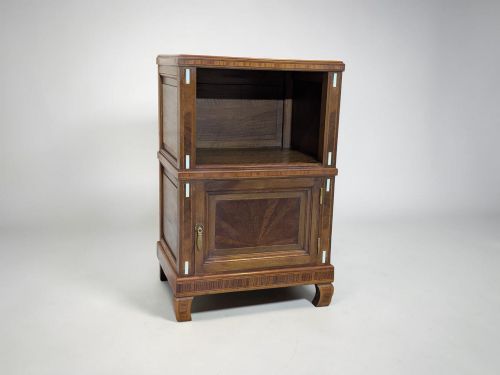
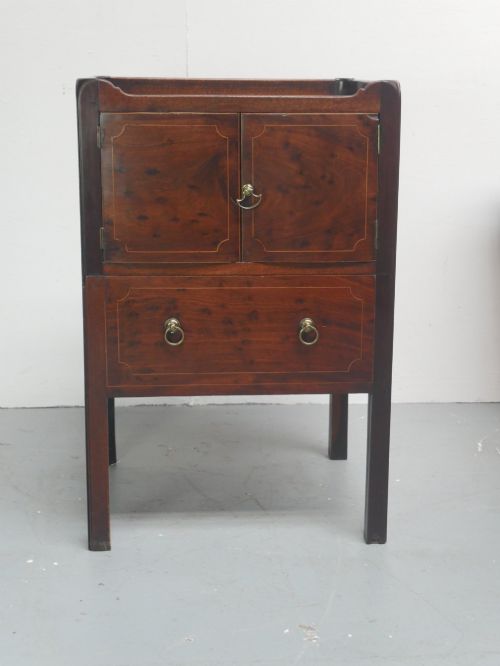
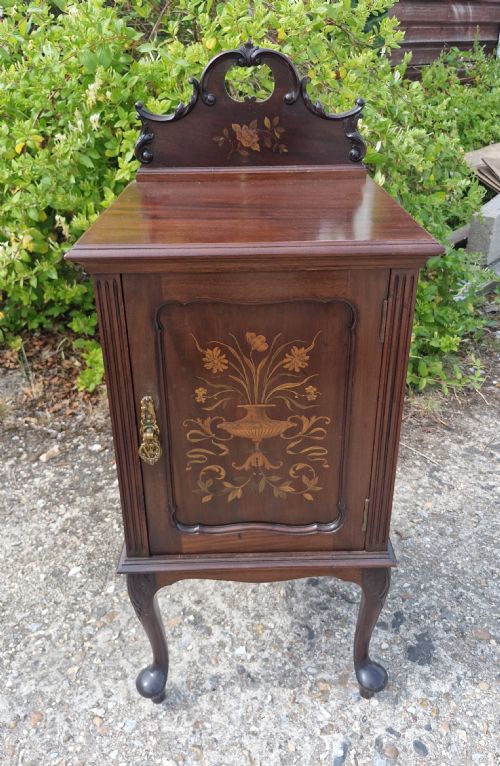
Cabinet makers built these lockers using solid mahogany and flame mahogany veneers over secondary timbers. Workshops frequently added contrasting stringing and inlay work in satinwood, boxwood and ebonised wood.
Metal fittings such as brass handles and hinges provide functional contrast to the dark timber surfaces. Some pieces incorporate marble tops, particularly those influenced by French Empire and Victorian designs.
Some Victorian military lockers hide small compartments originally designed to keep an officer's pocket watch safe during active service.
Indicators of Quality
The standard of a piece rests primarily on the choice of timber, with highly figured flame mahogany and crisp inlay work distinguishing finer items. Drawer construction details, such as hand-cut dovetails and solid linings, separate standard utility furniture from superior workshops.
Proportion and symmetry determine the appeal of paired lockers. Pieces that retain their original brass hardware, polished wax finish and structural integrity command greater interest from collectors.
Holland & Sons·Gillows·Heals
The Antique Mahogany Lockers Glossary
- Flame mahogany
- A veneer cut from timber where the branch joins the main trunk, creating a distinctive swirling flame pattern. Cabinet makers used this veneer on prominent surfaces to catch the light.
- Pot cupboard
- A small bedside cabinet originally built to enclose a chamber pot. These items often feature a single door above a small compartment.
- Campaign style
- Portable furniture designed for military officers on the move, typically featuring recessed brass handles and corner brackets for durability during transport.
- Inlay
- A technique where pieces of contrasting wood like satinwood or boxwood are inserted into recesses in the mahogany surface to form decorative patterns.
- Pedestal cupboard
- A tall, single-column cabinet standing on a plinth or feet. These pieces maximise vertical storage space in tight bedside areas.
Antique Mahogany Lockers: Frequently Asked Questions
How do I date an antique mahogany locker?
Dating relies on stylistic clues, construction methods and timber characteristics. Georgian pieces often display simpler internal framing and rich patination, whilst Victorian examples incorporate heavier mouldings and varied pedestal forms.
Later Edwardian and twentieth-century items may show machine-cut elements or lighter satinwood inlay. Comparing the hardware and secondary woods helps confirm the period of manufacture.
Were these lockers always used beside the bed?
Many of these items functioned as bedside storage, pot cupboards or lamp stands in domestic bedrooms. Some forms, such as campaign lockers, served military personnel during travel.
Their compact dimensions make them suitable for modern living spaces as side cabinets or small chest of drawers.
How should I care for antique mahogany surfaces?
Maintain the timber by applying a traditional beeswax polish occasionally and buffing with a soft cloth. Avoid placing these items in direct sunlight or near heat sources to prevent the mahogany veneer from drying out or splitting.
Keep marble tops clean with a damp cloth and mild soap, avoiding acidic cleaners that can etch the stone.