
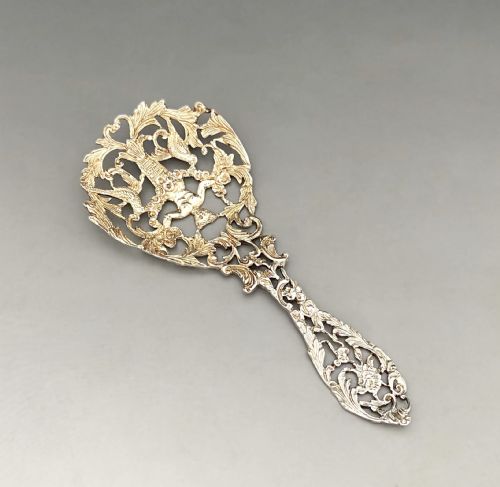


William Comyns Silver
William Comyns silver brings master silversmithing to everyday dressing tables and writing desks through elaborate photo frames, trinket boxes, and decorative baskets.
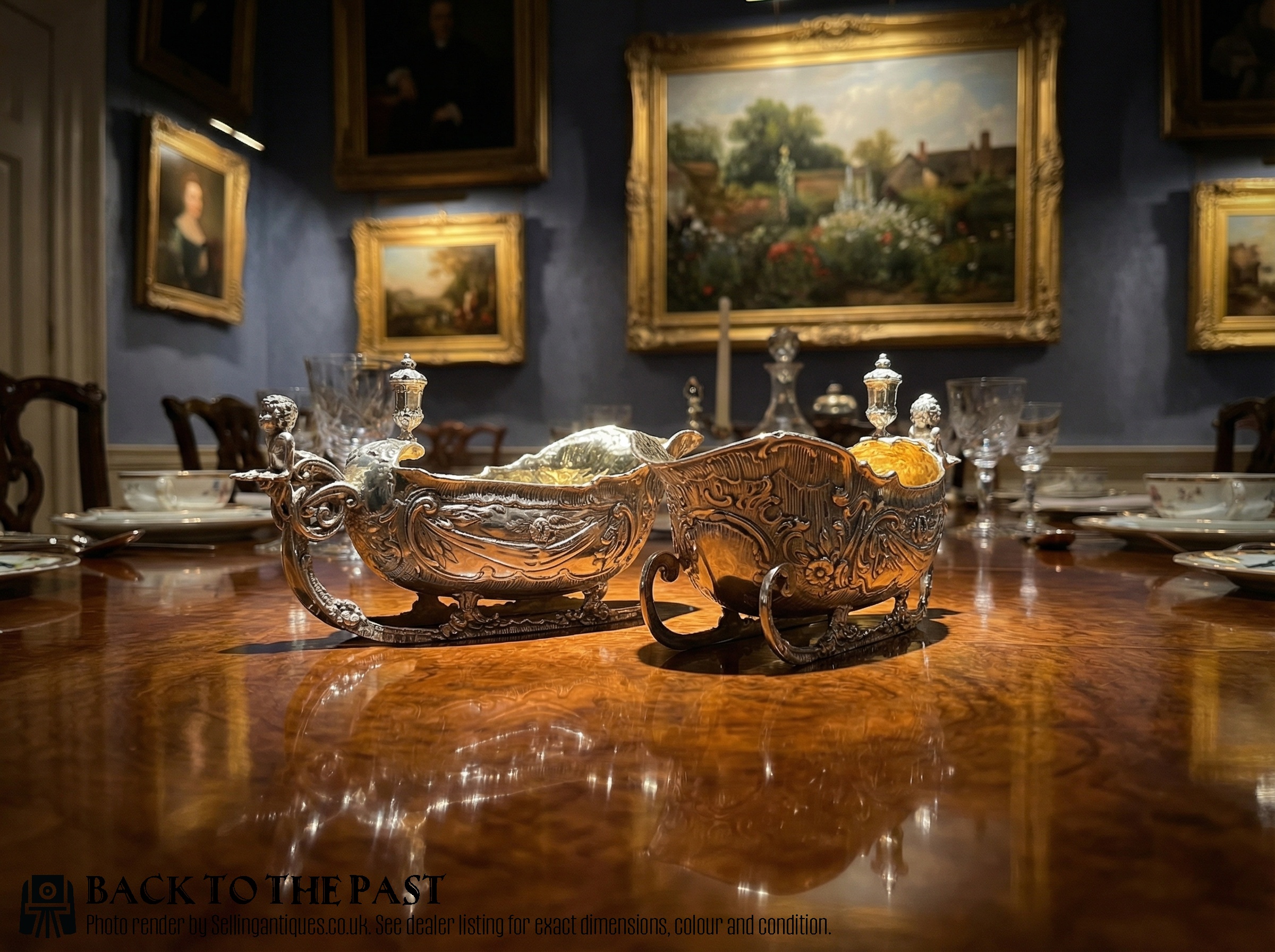
William Comyns Silver
Most items you will meet on this page originate from the Victorian and Edwardian periods, displaying distinct historic revival styles. These domestic objects combine structural silver with materials such as glass, tortoiseshell, and velvet.
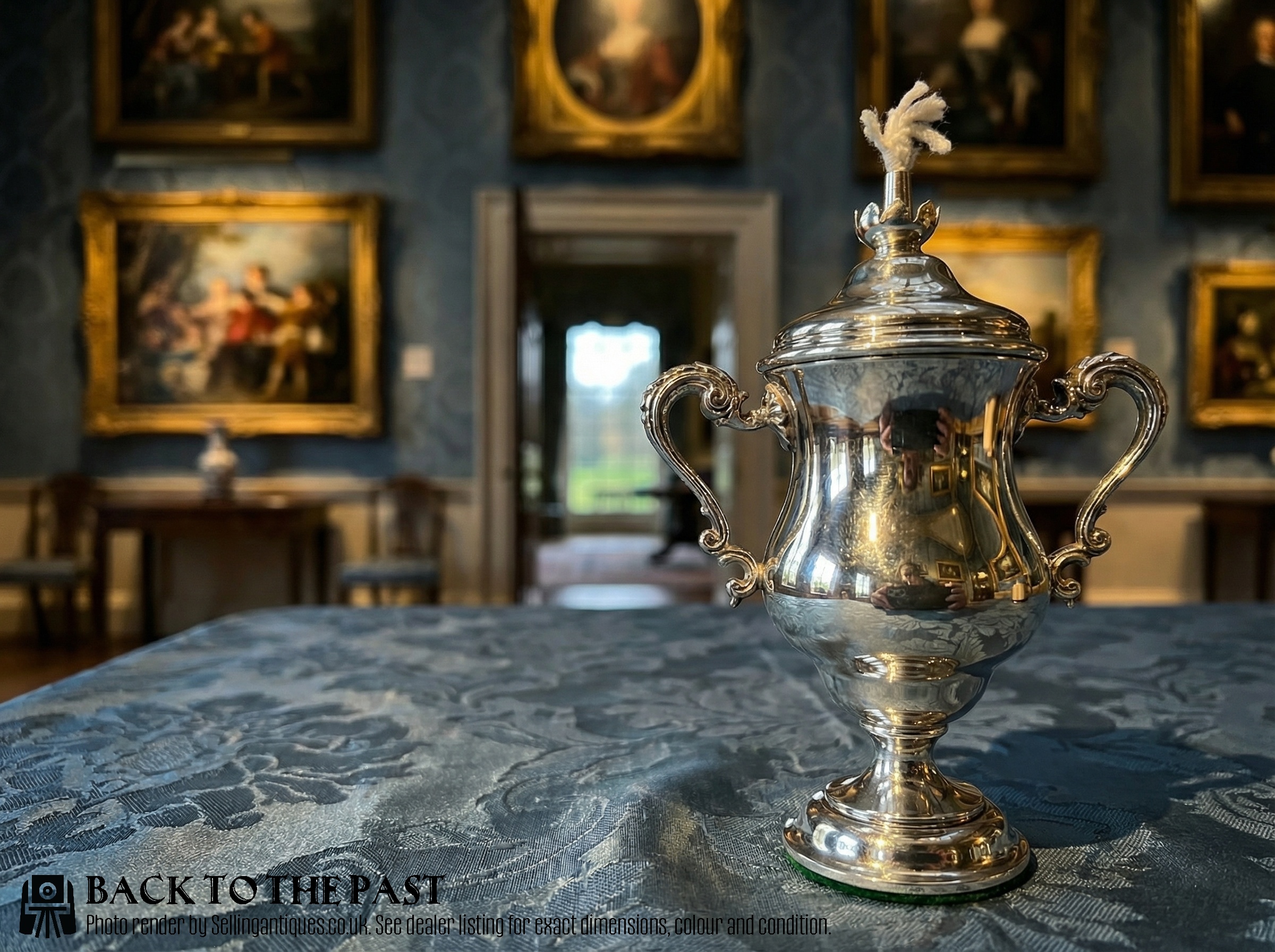
How William Comyns Silver Was Made
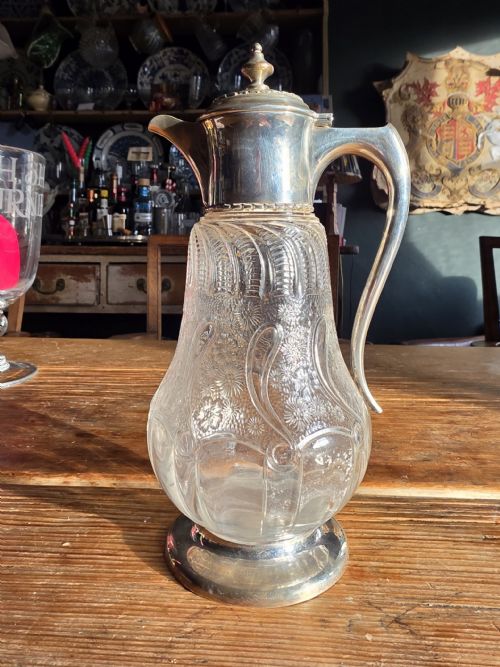
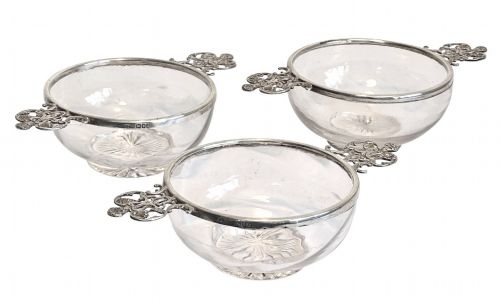
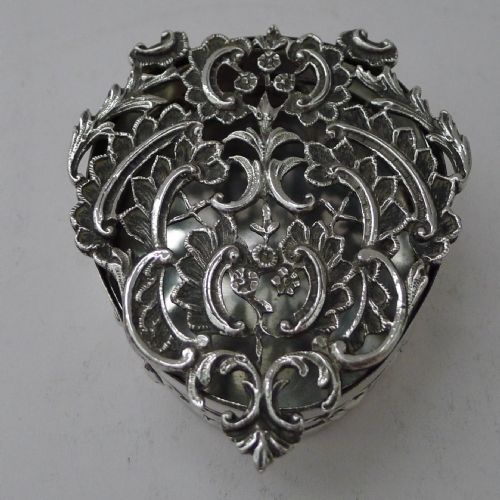
Workshops utilised sterling silver alongside contrasting elements like Bristol green glass, tortoiseshell, and enamel to create richly textured domestic items. Piercing, embossing, and cast silver techniques defined the ornamentation of frames, baskets, and boxes.
Silversmiths applied detailed repoussé work, frequently incorporating cherub faces, scrollwork, and floral motifs onto the surfaces of trays, mirrors, and caskets. Silver-gilt was also employed to provide a warm interior finish to smaller trinket dishes and pill boxes.
William Comyns Silver Retail Price Guide 2026
Typical asking prices for william comyns silver among the pieces listed under this phrase on Sellingantiques today, from the lower quarter to the upper quarter. They describe what is for sale here now, not the wider market.
Materials paired with sterling silver across these items include cut glass, tortoiseshell, enamel, and velvet.
What Varies in Quality
The standard of william comyns silver depends heavily on the crispness and depth of the embossed or chased decoration. Pieces where the motifs retain sharp relief without flattening from excessive polishing represent superior craftsmanship.
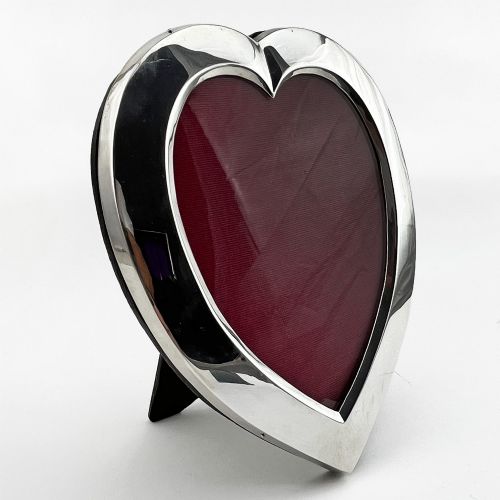
The integrity of secondary materials also dictates overall excellence, ensuring that glass liners, tortoiseshell panels, and silk velvet linings remain well-fitted and original to the silver mount. Heavy gauge silver used in larger photo frames and caskets indicates a more substantial build.
William Comyns and Sons Ltd
The William Comyns Silver Glossary
- Repoussé
- A metalworking technique where the silver is hammered from the reverse side to form a raised design in relief. This method produced the characteristic cherubs and floral scrolls seen on many frames and boxes.
- Sterling Silver
- An alloy consisting of ninety-two point five percent silver by mass, with the remainder being other metals usually copper. British pieces carry the lion passant hallmark to confirm this standard.
- Silver-Gilt
- Sterling silver that has been coated with a thin layer of gold on its surface. This treatment protects the interior of items like pill boxes and scent bottles from tarnishing.
- Pierced Work
- A decorative technique involving the cutting or piercing of openwork patterns through the sheet silver. It appears frequently on baskets, bonbon dishes, and sugar casters.
- Hallmark
- An official stamp applied to precious metals indicating the maker, assay office, and year of testing. William Comyns pieces commonly display the maker mark alongside London office symbols.
William Comyns Silver: Frequently Asked Questions
What items did William Comyns make?
The workshop produced a vast array of silver domestic goods, ranging from large dressing table mirrors and photograph frames to small pill boxes and scent bottles. They specialised in decorative tabletop pieces incorporating embossed designs.
Buyers often encounter trinket boxes, baskets with swing handles, and desk accessories bearing these historic marks.
Are tortoiseshell and glass parts original?
Many dressing table boxes and trinket dishes combine sterling silver mounts with genuine tortoiseshell or coloured glass liners. Examining the fit and adhesive methods helps determine whether these elements remain intact from the original manufacturing period.
Careful handling preserves both the silver hinges and the delicate organic materials.
How should I clean silver with velvet or glass?
Cleaning requires keeping polishes and liquids away from delicate secondary materials like velvet linings, enamel, and tortoiseshell inserts. A soft microfiber cloth works best for maintaining the polished surface of the silver without damaging adjacent components.
Gentle maintenance ensures the embossed details and fragile mountings endure safely.