


White Table Lamps
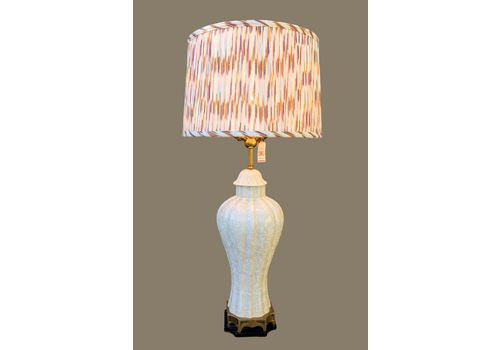
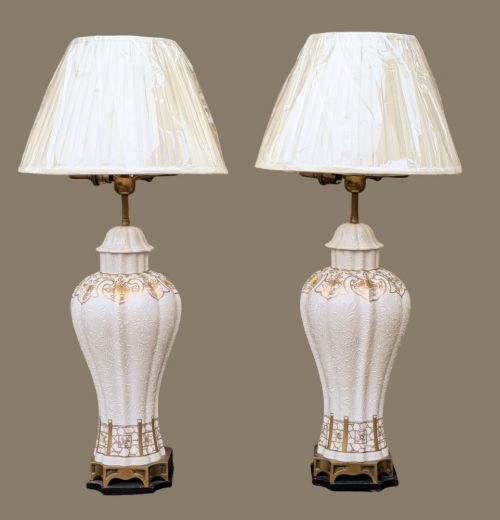
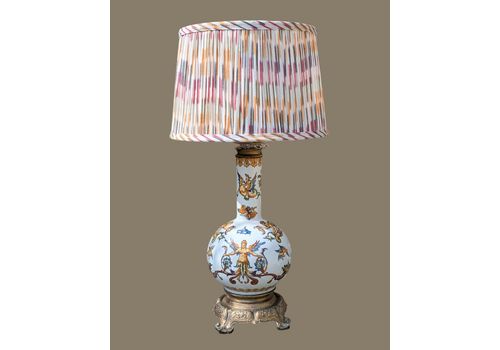
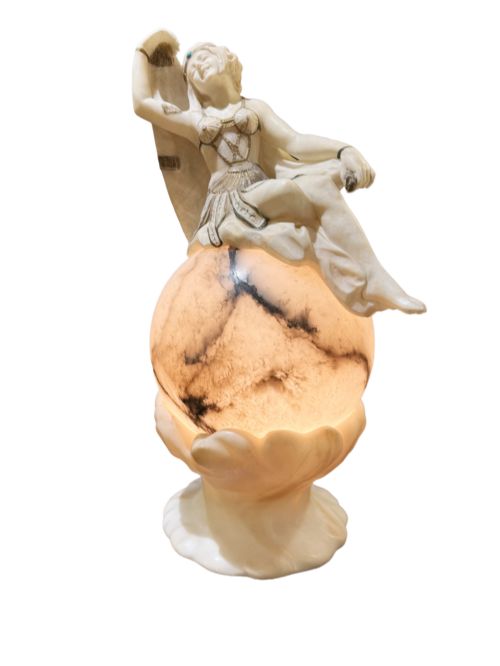
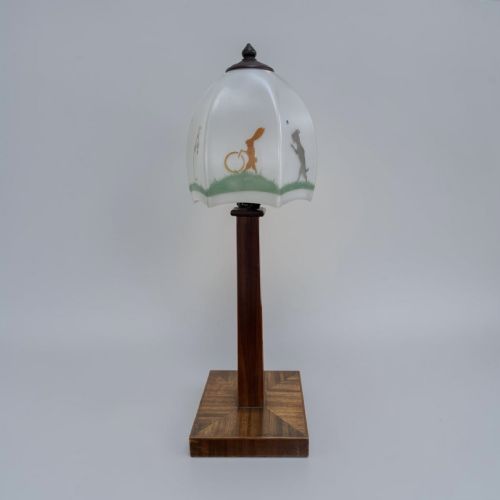
White table lamps bring sculptural presence and soft illumination to a room, spanning carved alabaster, moulded porcelain and converted oil lamps.
White Table Lamps
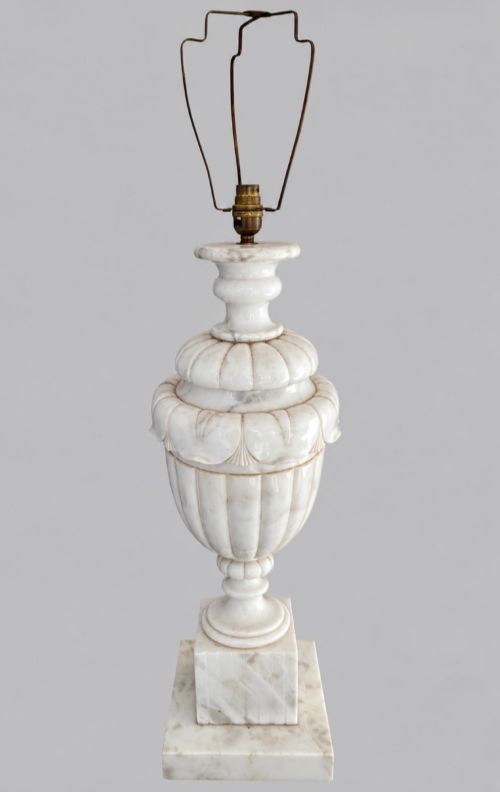
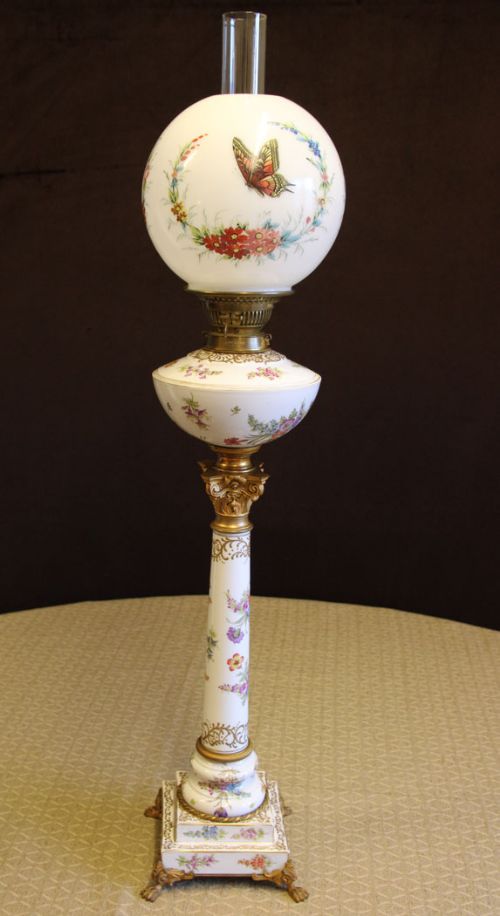
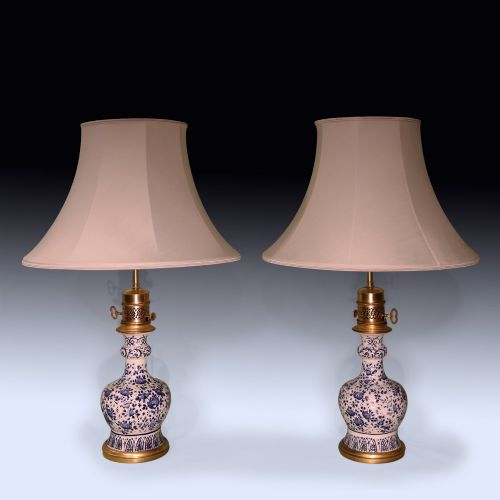
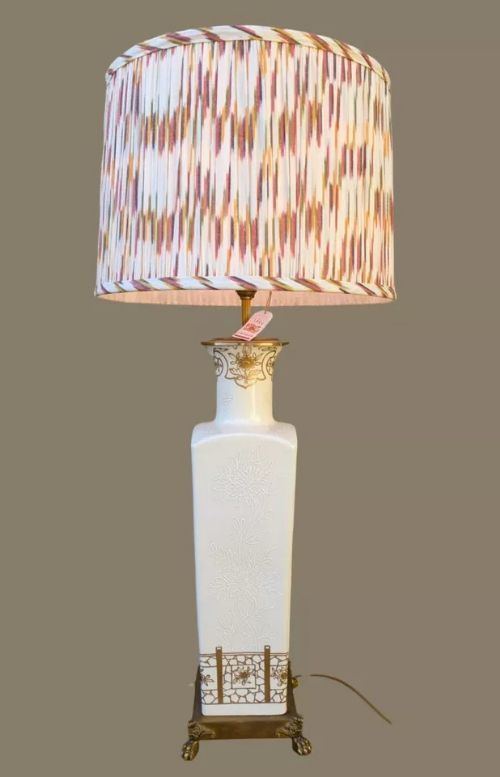
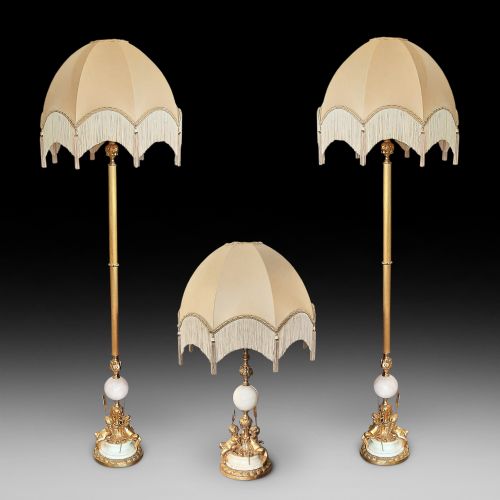
White table lamps encompass transformed vessels and dedicated lighting pieces originating from the nineteenth and early twentieth centuries. Buyers seeking these items encounter converted nineteenth century Chinese jars, Victorian porcelain oil lamps, and nineteen thirties alabaster sculptures repurposed for modern interiors.
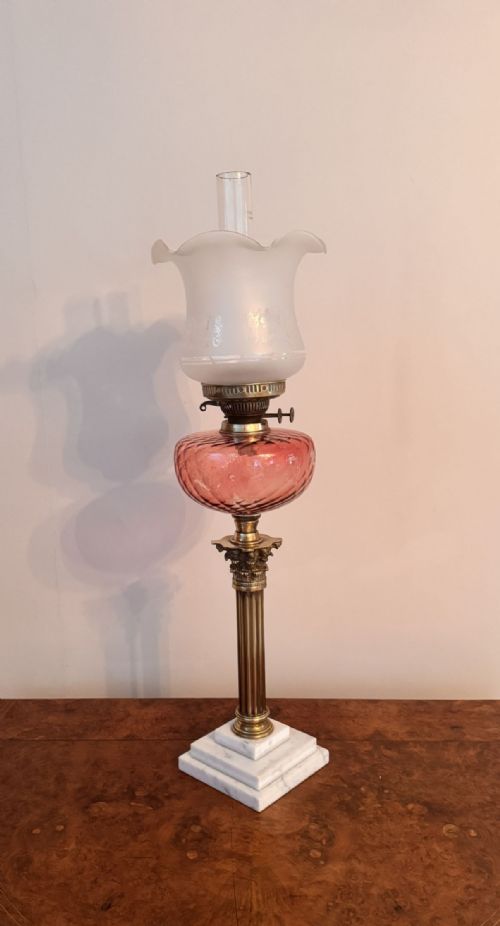
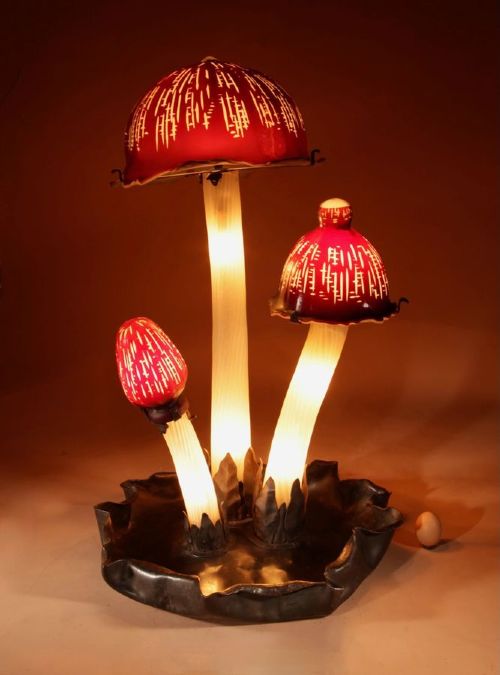
The selection ranges from neoclassical marble columns and Paris porcelain to glass mushroom designs and German figural ceramics. Many examples began life as oil lamps or vases before receiving electrical fittings during later decades.
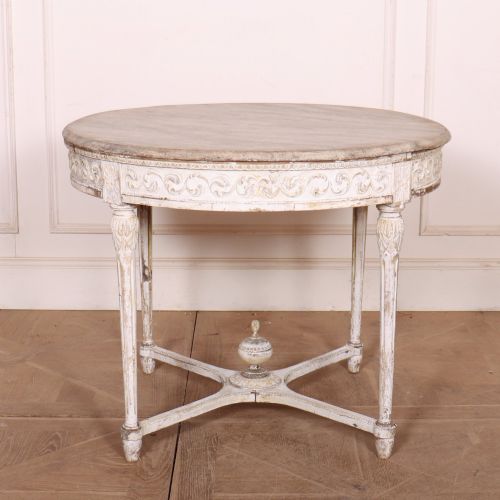
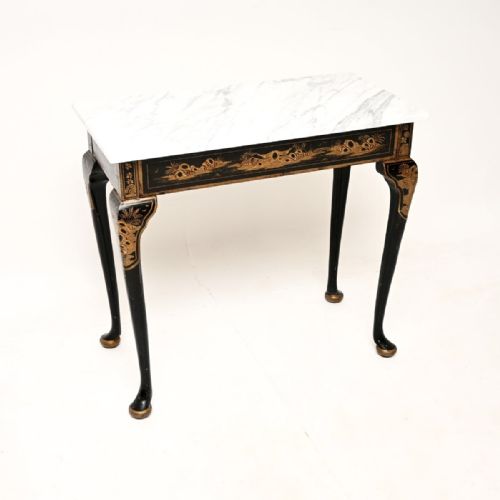
Forms include single sculptural figures, matching pairs, and monumental vases bearing Chinoiserie or classical motifs. Alongside lighting, the inventory contains occasional side and centre tables designed to support them.
Assessing quality
Quality rests in the crispness of the carving, the weight of the material, and the fidelity of the decorative glaze. Superior pieces exhibit fine detailing in porcelain figures, precise chryselephantine or bronze trim, and harmonious proportions between base and shade.
Conversion integrity also dictates standard, where professional adaptation preserves the original vessel without compromising structural balance. Finer items retain stamped maker marks, original opaline glass shades, or intact gilding across brass and bronze fittings.
White Table Lamps Retail Price Guide 2026
Typical asking prices for white table lamps among the pieces listed under this phrase on Sellingantiques today, from the lower quarter to the upper quarter. They describe what is for sale here now, not the wider market.
Materials span carved alabaster, opaline glass, Paris porcelain, and patinated white metal.
Sitzendorf·Lalique·Hicks and Meigh
The White Table Lamps Glossary
- Opaline glass
- A semi-translucent white glass popular in the nineteenth century for producing soft, diffused lighting and decorative vases.
- Alabaster
- A fine-grained, translucent gypsum stone utilised for classical sculptures, carved lamp bodies, and architectural urns.
- Chinoiserie
- European decorative style reflecting Chinese artistic traditions, frequently found on porcelain jars and vases converted into lighting.
- Corinthian column
- A classical architectural order featuring ornate acanthus leaf capitals, often cast in brass to form lamp stems.
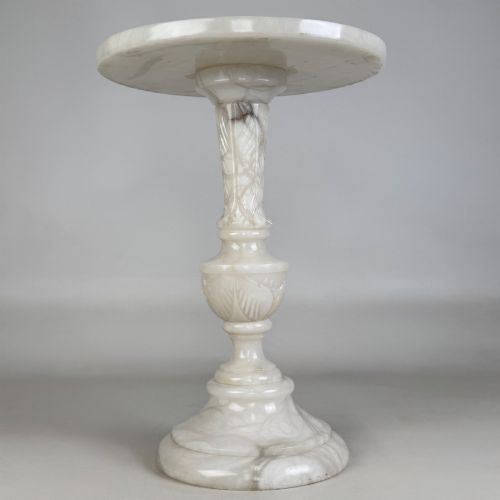
- Gueridon
- A small circular table on a central pillar, historically used as a stand for lighting or decorative objects.
White Table Lamps: Frequently Asked Questions
How do I date an antique white table lamp?
Dating relies on examining the materials, manufacturing marks, and historical context of the base vessel. Many pieces incorporate converted nineteenth-century ceramic vases or Victorian oil lamp reservoirs fitted with later electrical components.
Hardware details, such as brass thumb turns, weighted iron bases, and shade fitters, provide further clues to whether a piece originates from the Victorian era or the nineteen-thirties Art Deco period.
Can I use original oil lamps safely with electricity?
Most antique oil lamps seen today have been safely converted to electricity by routing wiring through the original burner mechanism or font. This allows historical brass and porcelain reservoirs to function as modern table lamps without altering their external appearance.
Buyers should have older internal wiring inspected by a qualified electrician to ensure it meets current safety standards before regular daily use.
How do I match antique lamp bases with modern shades?
Balancing an antique base requires considering the visual weight and height of the ceramic or stone body. Substantial porcelain ginger jars or heavy alabaster columns generally require wider, tailored fabric shades to maintain proper proportion.
Matching historical aesthetics also involves selecting neutral tones, pleated silks, or opaline glass shades that complement the period style of the individual piece.
What is the difference between porcelain and ironstone lamps?
Porcelain is a fine, vitrified ceramic fired at high temperatures, known for its smooth white surface and translucency when held to light. Ironstone is a heavy, durable earthenware developed in the nineteenth century to mimic porcelain with robust strength.
Pieces originating from makers like Hicks and Meigh typically utilise ironstone for large, decorative vases, whereas delicate figural lamps employ soft-paste or hard-paste porcelain.