



White Staffordshire Flatbacks
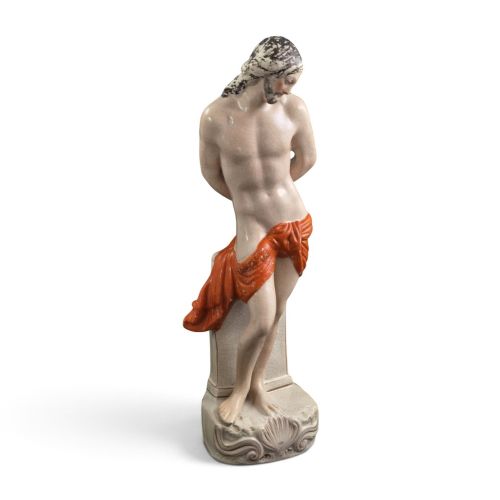
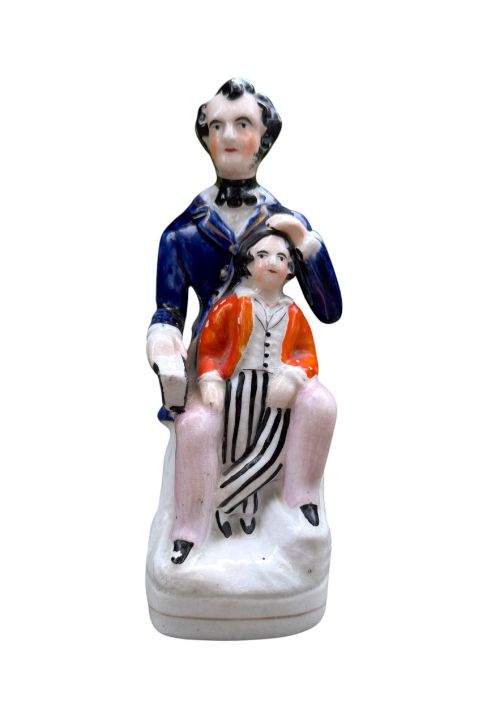
White staffordshire flatbacks are pottery figures made to sit on mantelpieces, capturing public heroes, royalty and dramatic scenes in monochrome and muted tones.
White Staffordshire Flatbacks
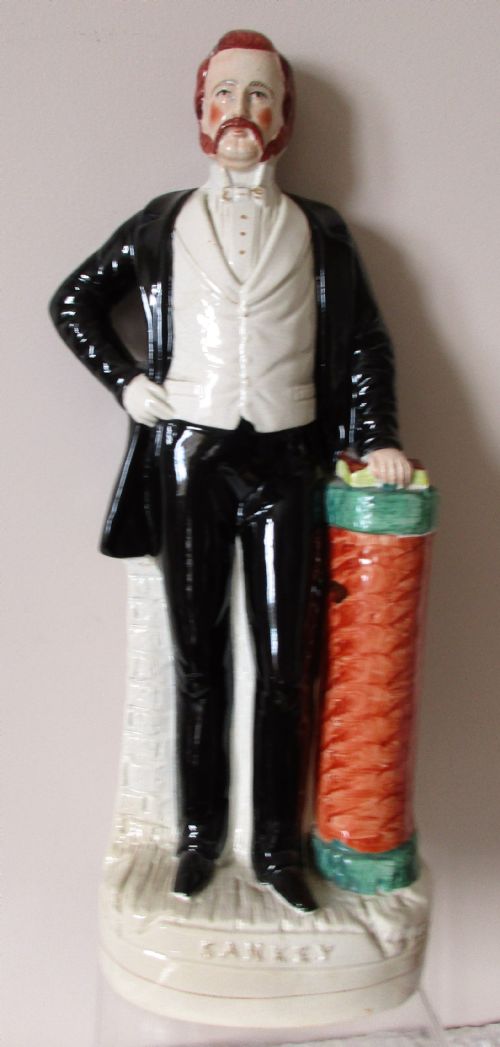
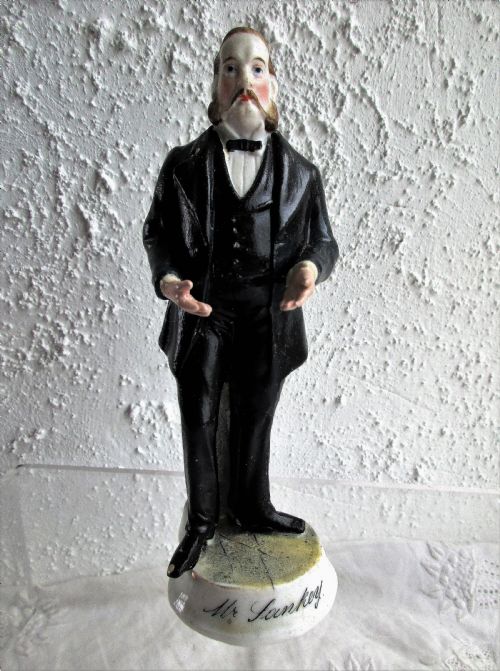
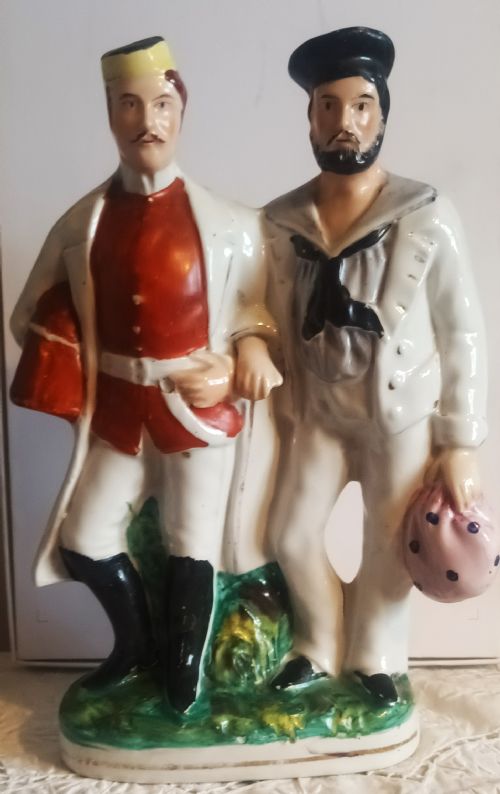
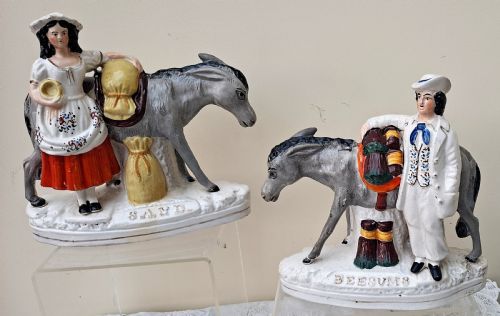
When you search for white staffordshire flatbacks, you are looking at nineteenth century earthenware figures shaped with flat backs designed to be viewed from the front on a shelf.
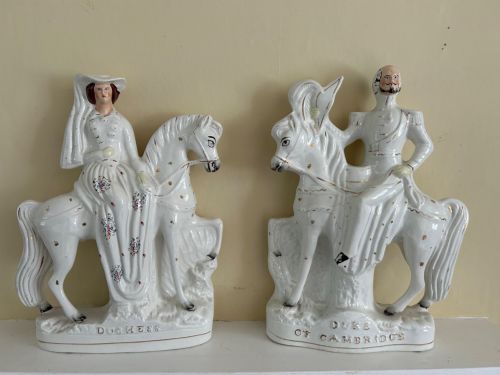
The pieces you are most likely to meet on this page span the Victorian era, portraying historical characters, royal portrait groups, animals and literary subjects.
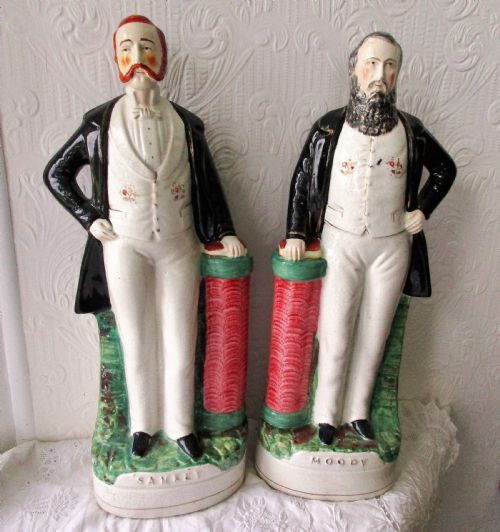
Pottery figures and decorative figurines form the core of these listings, often appearing as matched pairs or single mantel ornaments.
Materials and construction
Potters built these items using earthenware, shaping the clay in moulds before finishing the surface with lead glaze and ceramic body.
The unglazed or thinly glazed flat backs reveal the porous ceramic body beneath, characteristic of nineteenth century production methods.
Listings feature nineteenth century earthenware and porcelain figures utilising lead glaze, enamel paint, and gilt.
Evaluating craftsmanship
Quality rests in the crispness of the mould impression and the precision of the hand-painted enamel work, which separates boldly rendered subjects from softer, blurred examples.
Scale and ambition dictate distinction, with large portrait groups and complex equestrian or architectural subjects demanding greater skill from the potter.
The preservation of original enamel paint and the smoothness of the glaze surface define the survival state of individual pieces.
Staffordshire Pottery
The White Staffordshire Flatbacks Glossary
- Flatback
- A figure moulded with a finished front and a flat, unadorned rear designed specifically to stand flush against a wall or mantelpiece.
- Earthenware
- A porous type of pottery fired at lower temperatures, serving as the standard ceramic body for nineteenth century Staffordshire figures.
- Lead glaze
- A glassy coating applied to pottery before firing that gives the surface its characteristic shine and waterproof seal.
- Spill vase
- A hollow pottery figure incorporating a cylindrical holder designed to store wooden tapers used for lighting pipes or candles.
- Watch holder
- A decorative mantel figure featuring a small central recess intended to securely suspend a pocket watch.
White Staffordshire Flatbacks: Frequently Asked Questions
What are white staffordshire flatbacks?
White staffordshire flatbacks are nineteenth century earthenware pottery figures made in the English Midlands to decorate domestic mantelpieces. They depict royalty, historical events, animals and popular personalities.
Potters cast these ornaments in moulds with flat unglazed backs so they could sit flush against cottage and parlour walls.
How were these figures displayed?
Victorian households placed these ceramic figures along mantelpieces, often arranging them in symmetrical pairs or grouped with clock sets and spill vases. Their primary purpose was visual entertainment and commemoration.
Owners used functional variants like watch holders and money boxes for daily utility alongside their decorative role.
How do I date staffordshire flatbacks?
Dating relies on identifying the subject matter, such as specific royal marriages, military campaigns like the Crimean War, or contemporary evangelists whose public prominence fell within defined Victorian decades. Costume details and manufacturing styles also offer chronological clues.
The use of earthenware bodies and lead glazes points consistently to nineteenth century production.
Are these figures glazed ceramic?
Yes, the figures consist of a ceramic earthenware body covered in a clear or tinted lead glaze that provides a smooth, protective finish. Artisans then added enamel paint over the glaze.
While the front displays careful painting and glossy glaze, the flat reverse often remains plain and porous.