



White Pottery Urn
White pottery urn selections range from robust earthenware jars to delicate porcelain vases spanning centuries of global ceramic tradition.
White Pottery Urn
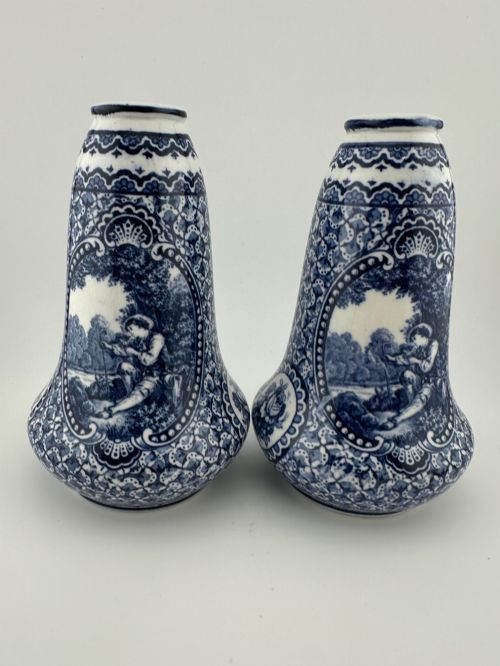
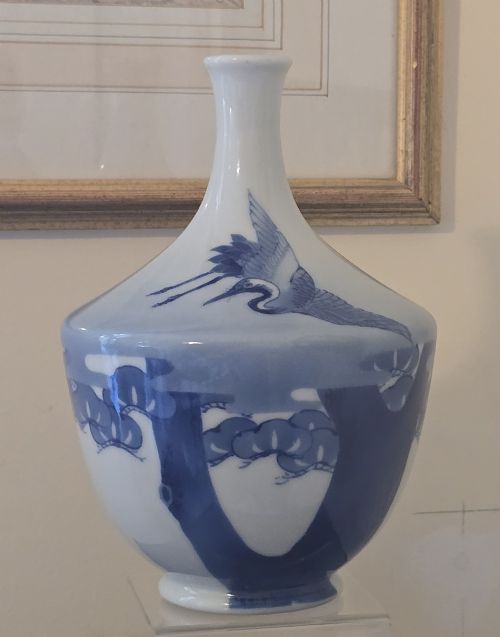
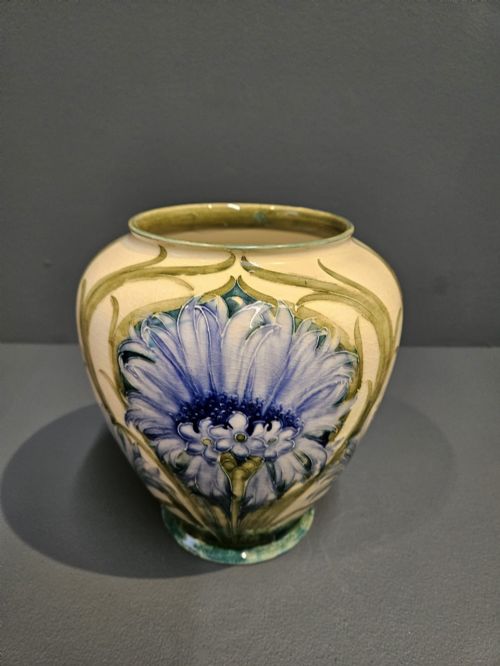
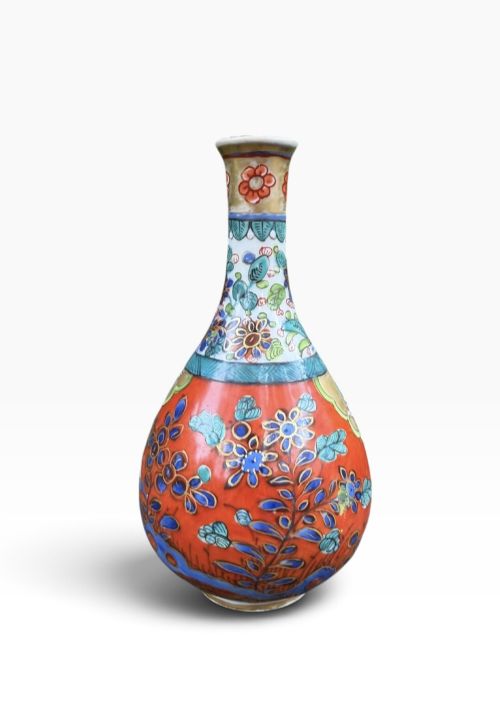
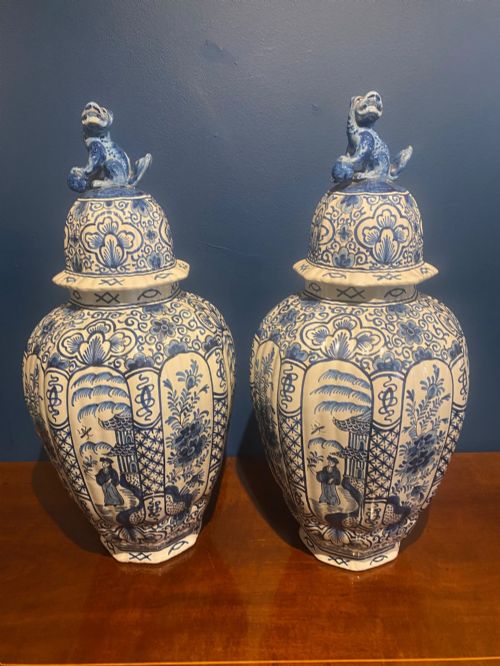
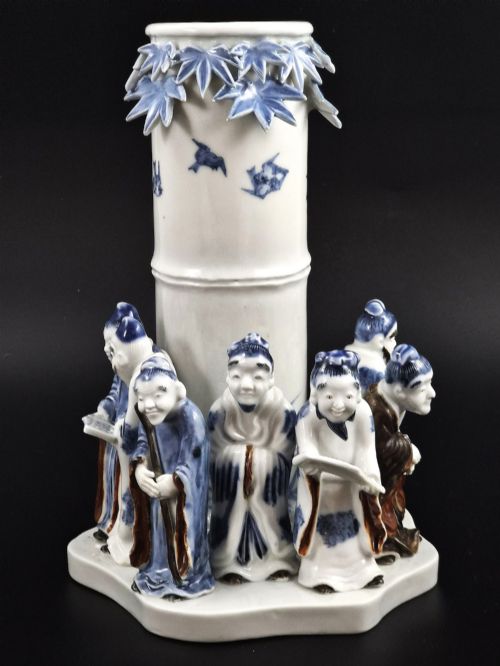
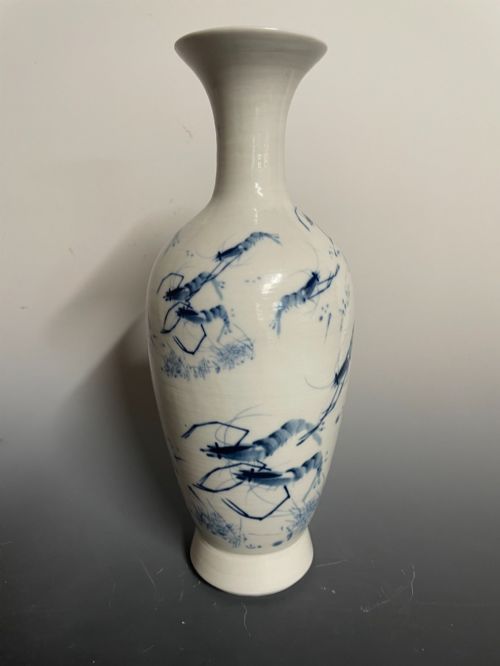
A white pottery urn functions primarily as a substantial decorative vessel, often taking the form of a baluster vase, lidded jar, or handled urn. Buyers searching for a white pottery urn encounter pieces originating from European faience workshops, Chinese kilns, and Japanese studios. These objects serve as prominent interior ornaments, sometimes adapted into table lamps for domestic use.
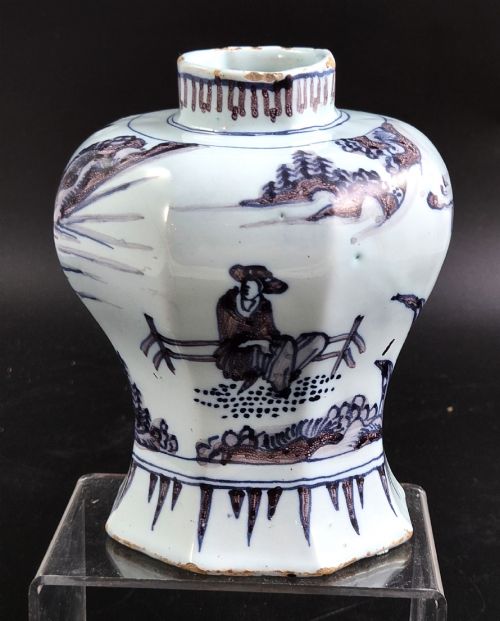
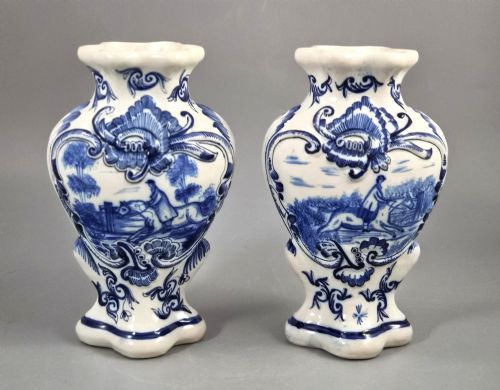
The domestic forms recorded on this page stretch from seventeenth-century Dutch Delftware to twentieth-century production. Many examples display influences from Chinese blue and white porcelain or Japanese Satsuma and Kutani traditions. Makers across Europe and Asia utilised earthenware and porcelain to create these commanding decorative items.
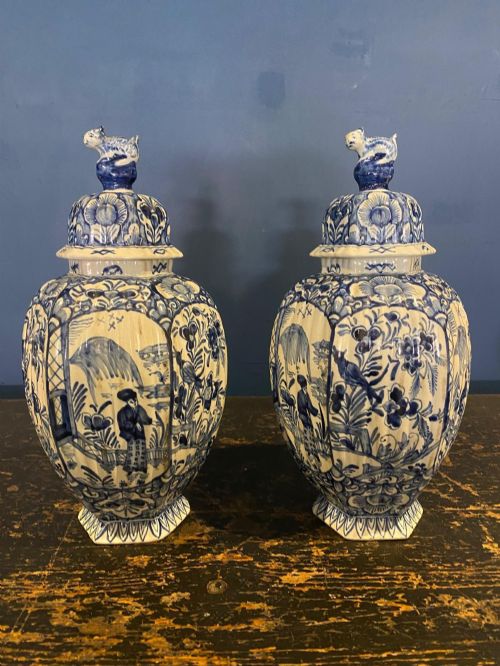
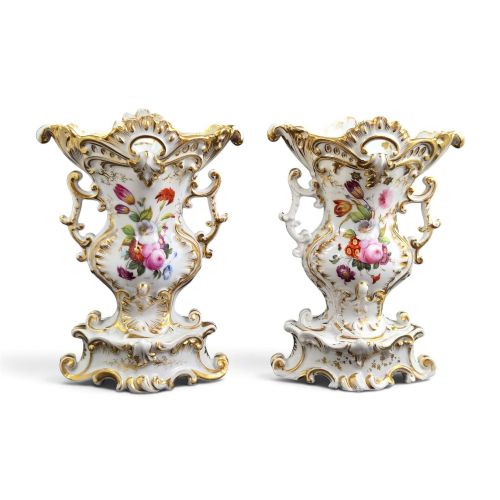
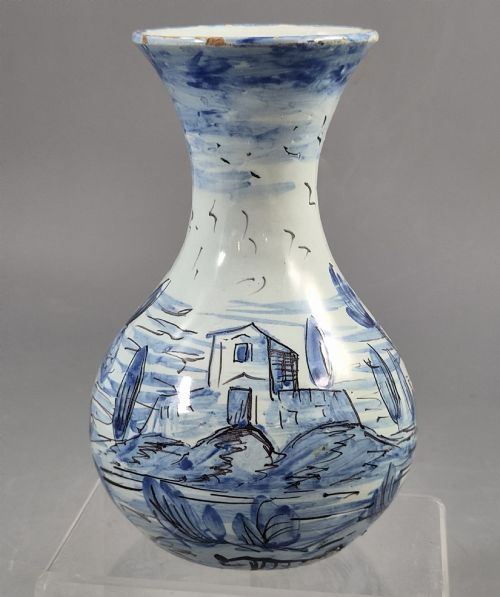
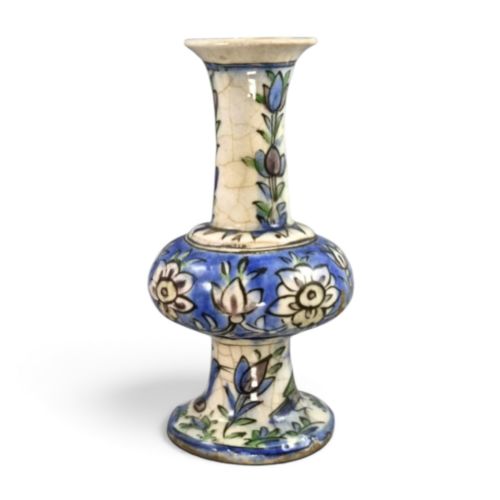
Historical examples include specialised shapes such as beaker vases, ovid jars, and lidded urns designed for display on mantelpieces and cabinets. The category encompasses both pure white bodies and tin-glazed surfaces decorated in cobalt blue, manganese, or polychrome enamels. Buyers select these vessels to introduce classical proportion and historical depth into a room.
Materials and production methods
Potters formed these vessels using traditional throwing techniques on the wheel or by pressing clay into moulds, followed by kiln firing at varying temperatures. Earthenware and ironstone bodies received tin glazes or opaque white coatings to provide a smooth ground for hand-painted decoration. Porcelain pieces achieved their vitrified white finish through high-firing of refined kaolin and petuntse mixtures.
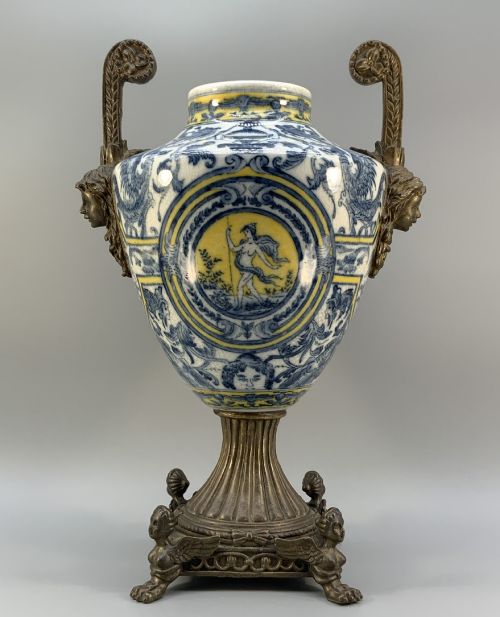
Decoration was applied directly to the raw glaze or unfired surface using metallic oxides such as cobalt for blue and manganese for purple-brown tones. Workshops employed detailed brushwork, transferring floral, landscape, and figural motifs onto the ceramic body before a final glost firing fixed the colours. Certain items incorporate additional embellishments like bronze mounts, gold leaf, or enamel highlights applied over the glaze.
White Pottery Urn Retail Price Guide 2026
Typical asking prices for white pottery urn among the pieces listed under this phrase on Sellingantiques today, from the lower quarter to the upper quarter. They describe what is for sale here now, not the wider market.
Factors of quality and execution
Quality in these ceramics rests on the crispness of the potting, the control of the kiln temperature during firing, and the precision of the hand-painted brushwork. Superior examples exhibit balanced proportions, well-defined foot rims, and glazes free from excessive bubbling or crawling. The artistry of the painted surface, whether delicate blue and white Chinoiserie or rich polychrome enamel, distinguishes standard production from exceptional studio work.
The integrity of the form and the preservation of original covers or lids significantly influence the standing of an urn or jar. Pieces bearing clear factory marks, artist signatures, or attribution to notable workshops carry greater documentary weight. Furthermore, the harmonious integration of secondary elements, such as contemporary or period bronze mounts, reflects the initial ambition of the piece.
Jacob Petit·Cantagalli·Fourmaintraux-Courquin·Makuzu Kozan·Kinrin Workshop·Royal Copenhagen
The White Pottery Urn Glossary
- Tin-Glazed Earthenware
- Earthenware coated with a glaze containing tin oxide, which fires to an opaque white surface suitable for painted decoration. This technique underpins traditional Delftware and faience production.
- Baluster Vase
- A tall vase with a rounded body that tapers toward a narrow neck and flares at the base. This classic silhouette appears frequently in seventeenth and eighteenth-century ceramic design.
- Famille Rose
- A palette of Chinese porcelain decoration introduced in the eighteenth century, distinguished by opaque pink or rose enamel colours mixed with other soft polychrome pigments.
- Maiolica
- Italian tin-glazed earthenware decorated with brightly coloured pigments on an opaque white glaze. The tradition flourished during the Renaissance and inspired later revival pieces.
- Chinoiserie
- European artistic style reflecting Chinese decorative motifs and artistic conventions, popular in Dutch Delftware and eighteenth-century porcelain decoration.
White Pottery Urn: Frequently Asked Questions
How do I clean an antique ceramic urn safely?
Dust the surface gently with a soft, dry brush to remove particulate matter without disturbing the glaze or painted decoration. Avoid submerging historical pieces in water, particularly those with restored areas, metal mounts, or overglaze enamels.
Should washing become necessary, use a damp cloth with mild soap, testing a small hidden area first. Dry the ceramic thoroughly with a lint-free cloth immediately afterward.
Can these antique urns be used to hold water?
Many historical vessels, especially those made from porous earthenware or tin-glazed pottery, are not reliably watertight. Minute hairline cracks in the glaze can allow moisture to seep into the ceramic body and cause damage.
For safety, place a small glass or plastic container inside the urn if you intend to display fresh flowers. This protects the historic interior from mineral deposits and moisture expansion.
How do I distinguish earthenware from porcelain?
Porcelain is fired at much higher temperatures, resulting in a vitrified, non-porous body that often appears translucent when held to a strong light. Earthenware remains opaque and porous, requiring a glaze to seal the clay body.
Examining the unglazed foot rim provides a clear view of the underlying ceramic paste. Porcelain feels hard and smooth, while earthenware displays a slightly granular texture.
What does Chinoiserie mean on a listing?
Chinoiserie describes European interpretations of Chinese artistic motifs, popular across Dutch Delftware and various pottery traditions. Artisans painted imaginary landscapes, pavilions, and figures inspired by imported Asian porcelain.
This aesthetic reflects European fascination with Eastern trade goods during the seventeenth and eighteenth centuries. The style endures as a hallmark of decorative ceramic design.