



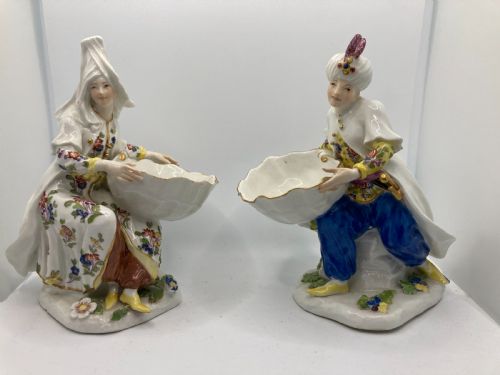

White Porcelain Sweetmeat
White porcelain sweetmeat dishes and figures bring eighteenth-century elegance to the table, offering charming accents for any room.
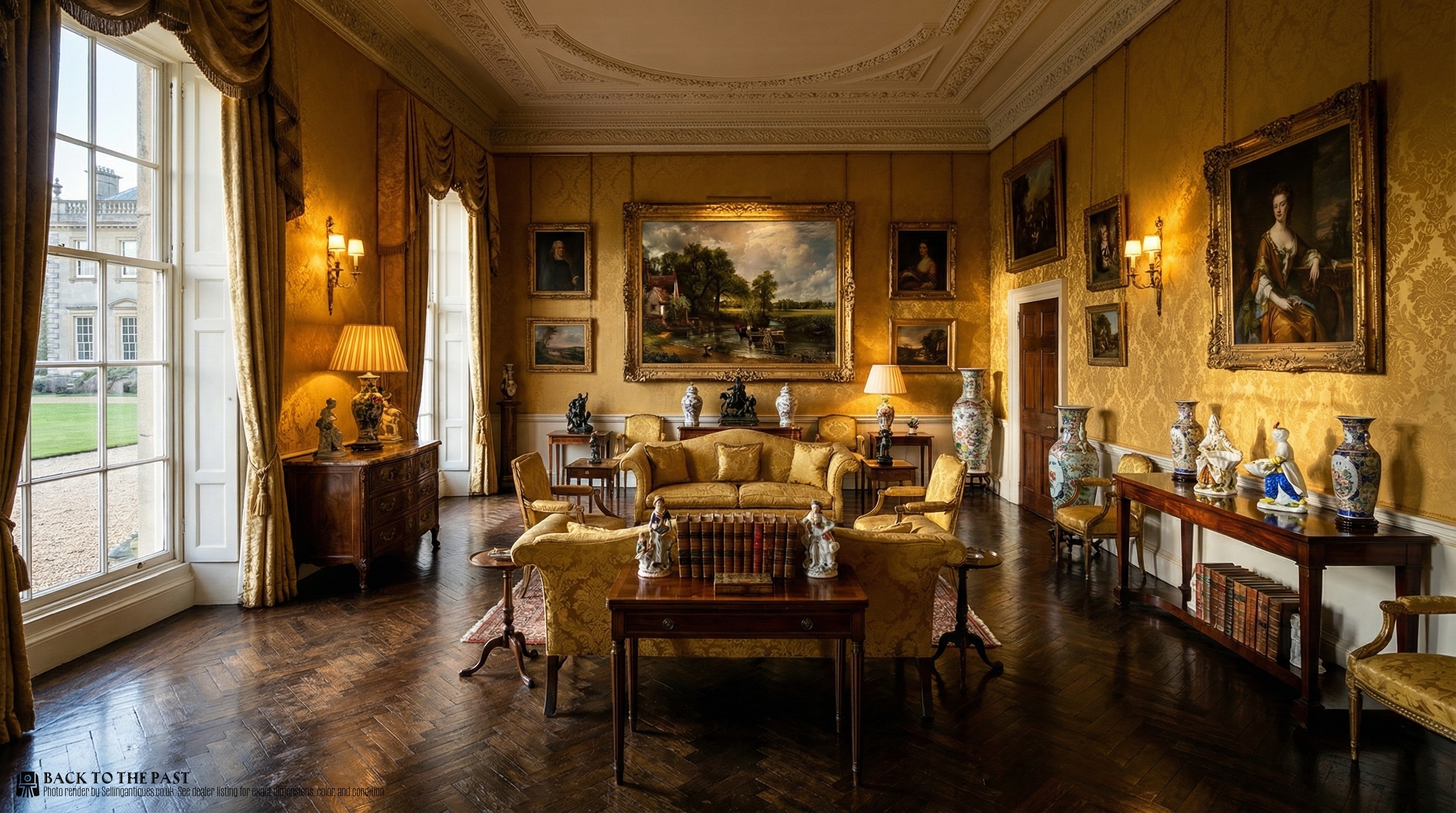
White Porcelain Sweetmeat
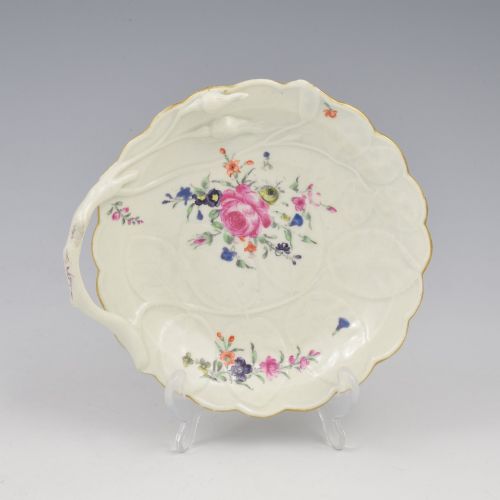
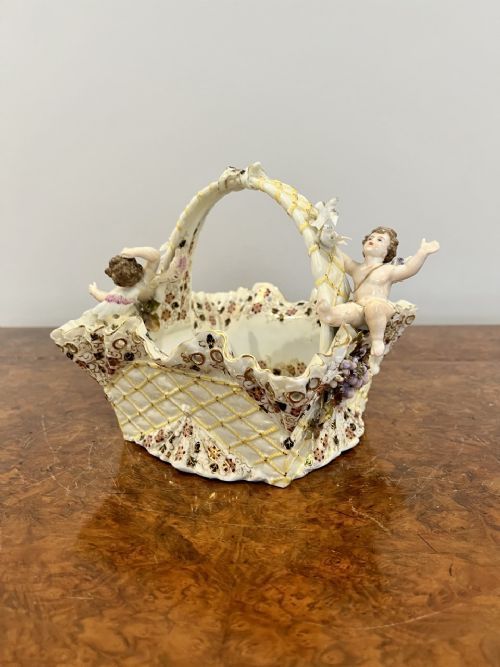
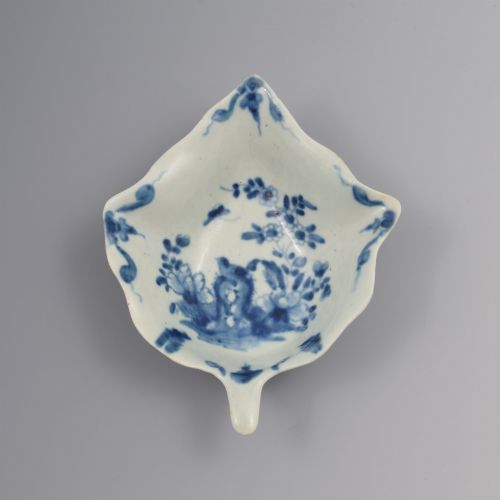
When you search for white porcelain sweetmeat, you encounter delicate tableware and decorative figures designed to hold small delicacies or confectionery. The listings show forms ranging from sweetmeat dishes and pickle leaf dishes to elaborate figural baskets and tiered dessert stands.
Most examples you meet on this page hail from the eighteenth and nineteenth centuries, including Georgian and Victorian interpretations of Rococo styles. German manufactories like Meissen and Volkstedt feature prominently alongside English works from Worcester.
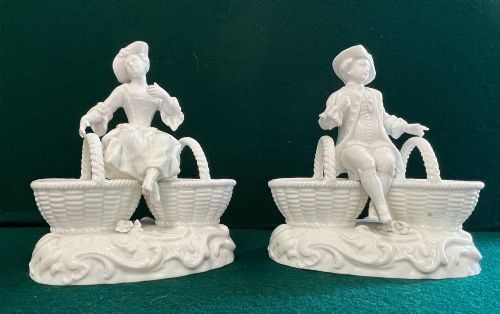
Makers utilised various configurations, from single pickle dishes to pairs of figures holding sweetmeat bowls and two-tier dessert stands. These pieces combine sculptural presence with functional utility for display.
How they were made
The objects on this page utilise hard-paste and soft-paste porcelain, finished with glazes and often enhanced with enamel and gold leaf. Potters shaped these materials into intricate baskets, leaves, and figural groups representing maidens and cherubs.
Painters and modellers working in European factories applied detailed enamelling and gilding to accentuate the moulded details of the porcelain. This combination of ceramic moulding and delicate brushwork created the characteristic appearance of Rococo revival and eighteenth-century wares.
White Porcelain Sweetmeat Retail Price Guide 2026
Typical asking prices for white porcelain sweetmeat among the pieces listed under this phrase on Sellingantiques today, from the lower quarter to the upper quarter. They describe what is for sale here now, not the wider market.
Materials recorded include soft-paste and hard-paste porcelain, enamel, gold leaf, and glazed ceramic surfaces.
What varies in quality
Quality in these pieces depends on the crispness of the modelling and the finesse of the hand-painting on the porcelain surface. Finer examples display intricate detail in the figural forms and botanical motifs, whereas simpler items show more generalised shaping.
The application of enamel and gold leaf also distinguishes the work, with superior pieces exhibiting precise brushwork and well-preserved gilding. The sophistication of the overall composition, particularly in paired figures and multi-tiered stands, sets the more ambitious items apart.
Meissen·Dr Wall Worcester·Volkstedt·Minton
The White Porcelain Sweetmeat Glossary
- Sweetmeat dish
- A small serving dish designed for confectionery, nuts, or preserved fruits. These often take the form of leaves, shells, or baskets.
- Soft-paste porcelain
- An artificial porcelain composition fired at lower temperatures than hard-paste, common in early English factories. It has a warm, slightly softer glaze appearance.
- Hard-paste porcelain
- A true porcelain made from kaolin and petuntse, fired at high temperatures to create a dense, durable body. European factories like Meissen utilised this material.
- Rococo
- An ornate design style characterised by asymmetry, scrollwork, and natural motifs such as shells and flowers. It heavily influences the decorative forms seen on these sweetmeat pieces.
- Pickle dish
- A small moulded dish, frequently leaf-shaped, used for serving pickles or relishes at the dining table. Worcester manufactories produced notable examples of this form.
White Porcelain Sweetmeat: Frequently Asked Questions
What is a sweetmeat dish used for?
These dishes served sweet confections, nuts, dried fruits, or small pickled items during formal dessert courses in past centuries. Hosts placed them on dining tables to offer guests small treats between courses.
Today, they function primarily as decorative objects or small catchalls on side tables and mantelpieces. Their sculptural forms make them striking display pieces in any interior.
Where were these porcelain figures made?
The pieces on this page originate predominantly from European ceramic centres in Germany and England. German factories like Meissen and Volkstedt produced notable figural sweetmeat holders and baskets.
English makers such as Worcester and Minton also contributed significant porcelain tableware during the eighteenth and nineteenth centuries. Each region employed distinct pastes and decorative palettes.
How should I care for antique porcelain?
Antique porcelain requires gentle handling due to its age and delicate protruding elements like fingers, petals, and handles. Dust them carefully with a soft brush and avoid using harsh cleaning agents that might damage enamel or gilding.
Keep them away from areas with heavy foot traffic where they might be knocked over. Displaying them in stable cabinets or secure surfaces protects them from accidental damage.