





Porcelain Sweetmeat Dishes
Porcelain sweetmeat dishes are delightful table forms designed for confections, offering collectors charming historical vessels spanning multiple centuries.
Porcelain Sweetmeat Dishes
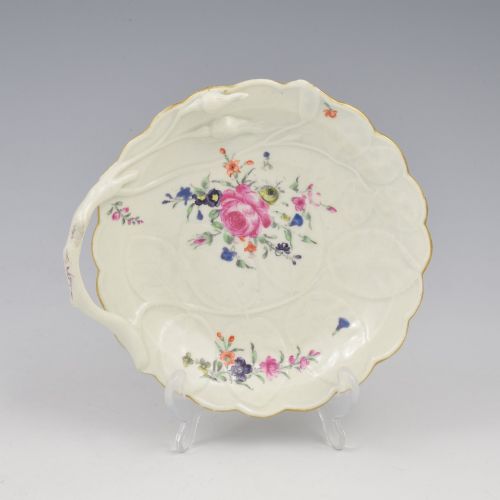
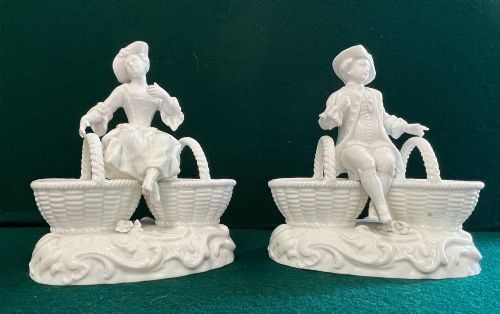
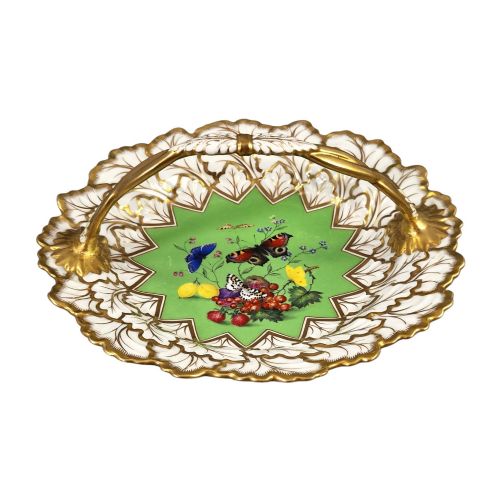
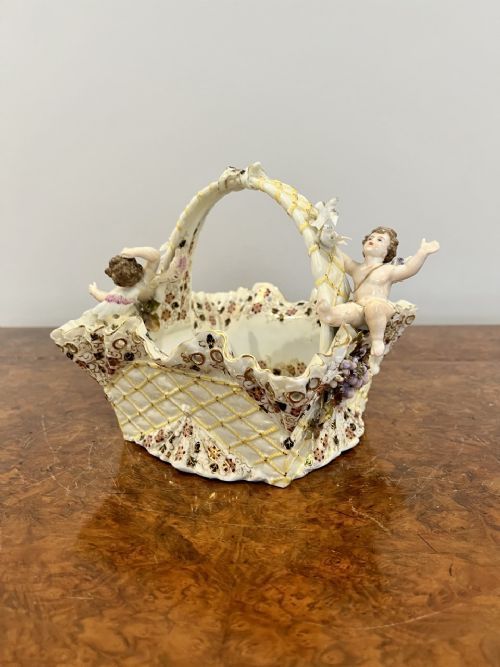
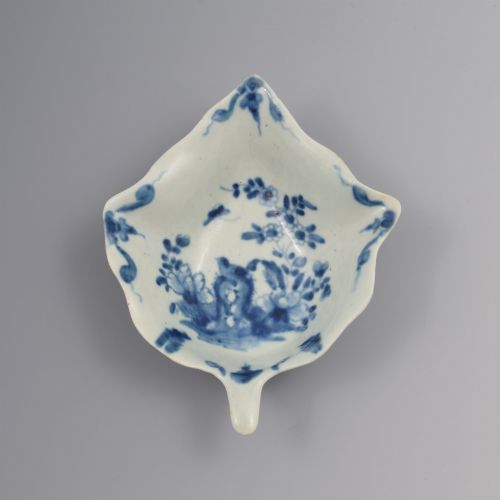
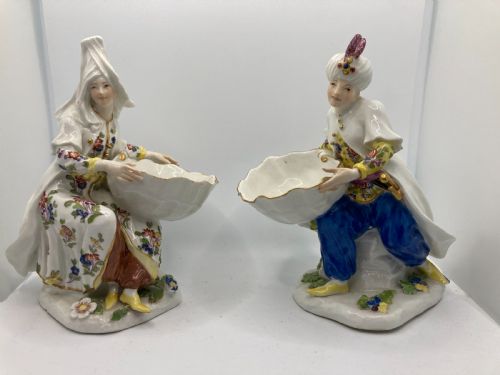
Porcelain sweetmeat dishes take many forms on this page, including baskets, leaf dishes, shell centrepieces, and figural groupings holding bowls. These pieces emerge predominantly from eighteenth century factories through to Victorian revivals, spanning Georgian, Regency, and Rococo styles.
Buyers meet forms like the classic pickle leaf dish alongside elaborate pairs of figures and tiered sweetmeat stands. Soft-paste and hard-paste porcelains form the body of these objects, decorated with enamel and gilding.
Manufacturing and Materials
Potters utilised soft-paste and hard-paste porcelain bodies, shaping them into moulded leaves, shells, and intricate baskets. Figurative supports require careful modelling and assembly before firing.
Decoration relies on enamel painting and applied gold leaf or gilding to highlight the moulded contours of shells and basket weaves. Many pieces combine hand-painted floral or avian motifs directly onto the glazed ceramic surface.
Porcelain Sweetmeat Dishes Retail Price Guide 2026
Typical asking prices for porcelain sweetmeat dishes among the pieces listed under this phrase on Sellingantiques today, from the lower quarter to the upper quarter. They describe what is for sale here now, not the wider market.
Listings feature items from the eighteenth century, Regency period, and Victorian era, utilising both soft-paste and hard-paste porcelain.
Assessing Quality
Quality rests in the crispness of the moulding and the delicacy of the hand-painted details. Finer pieces display sharply defined veins on leaves, precise feather and scale patterns, and controlled application of gilding.
Figural sweetmeat dishes separate themselves by the expressive modelling of faces and the intricacy of applied floral elements. Superior examples maintain balance and proportion across complex multi-part forms.
Meissen·Dr Wall Worcester·Flight Barr and Barr·Volkstedt·Minton·Royal Worcester
The Porcelain Sweetmeat Dishes Glossary
- Soft-paste porcelain
- An artificial ceramic body fired at lower temperatures than true porcelain, often found in eighteenth century pieces. It possesses a warm glaze texture.
- Hard-paste porcelain
- A true ceramic composition containing kaolin and petuntse, fired at high temperatures for a durable, vitreous body. This material resists scratching effectively.
- Sweetmeat
- A small confection, sweet, or preserved fruit served during dessert courses. These vessels held such delicacies at formal dining tables.
- Gilding
- The application of gold leaf or powdered gold onto the porcelain surface. It accentuates rims, handles, and moulded details.
- Enamel
- Coloured glass fused to the porcelain body through firing. It provides the vibrant palette seen on painted birds and floral sprays.
Porcelain Sweetmeat Dishes: Frequently Asked Questions
What were porcelain sweetmeat dishes used for?
These dishes held small sugar confections, nuts, or preserved fruits during formal dessert courses. Hosts placed them centrally on tables to serve guests between courses.
Over time, their decorative appeal surpassed their dining function, leading to display on sideboards and cabinets.
How do I identify an eighteenth century piece?
Look for the characteristic weight and feel of early soft-paste porcelain bodies alongside hand-painted underglaze blue or polychrome enamel motifs. Eighteenth century examples often feature specific potting traits like unglazed foot rims.
Comparing known factory forms such as early Worcester leaf dishes helps confirm the period.
Where were most of these pieces made?
Production centres span famous European factories in England and Germany. English works like Worcester and Minton sit alongside continental producers such as Meissen and Volkstedt.
Each region brought distinct paste compositions and sculptural styles to their sweetmeat vessels.
How should I display porcelain sweetmeat dishes?
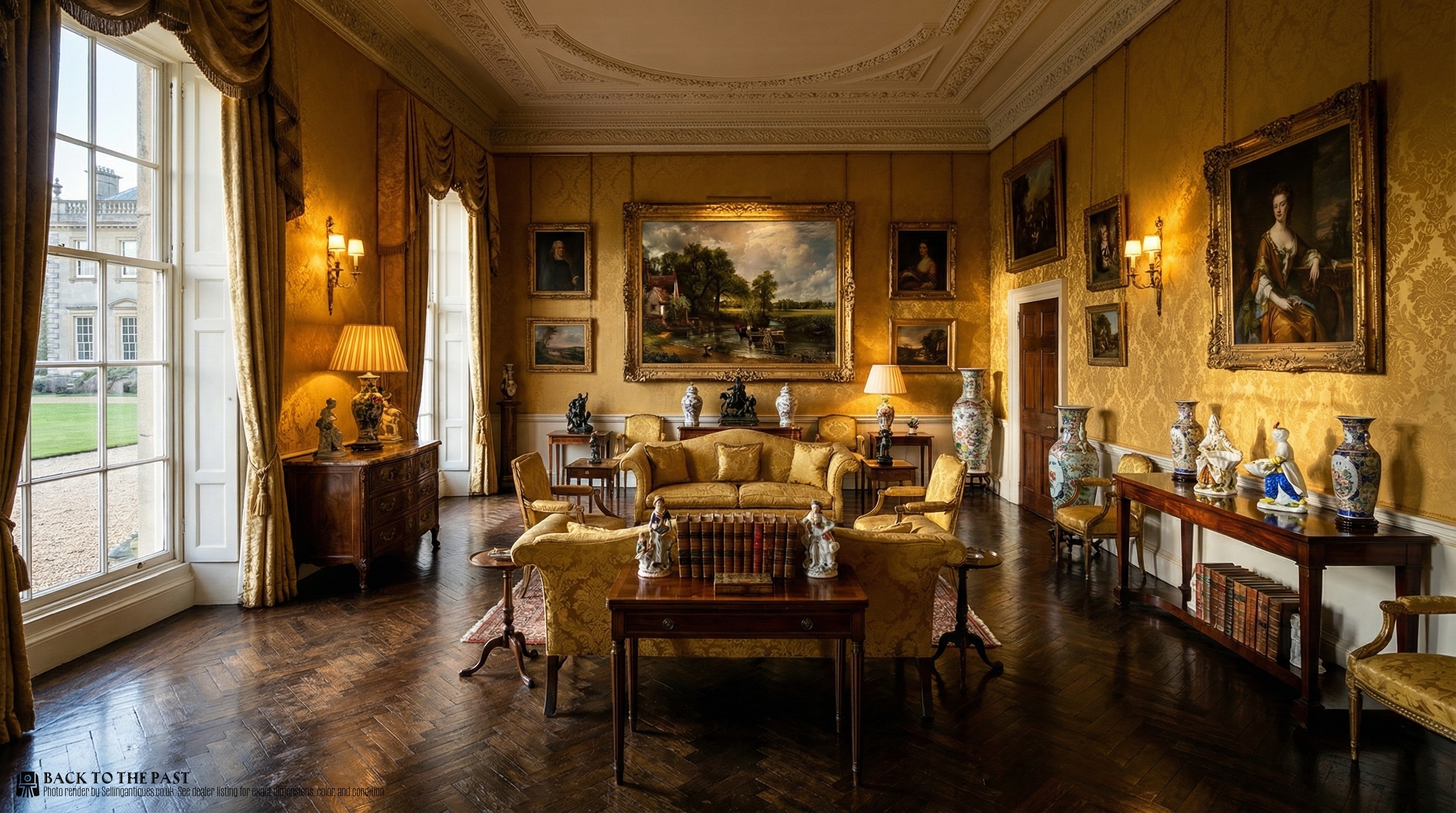
Display these items in secure cabinets or on stable surfaces away from high-traffic areas to protect delicate moulded extremities and handles. Figural stands and baskets benefit from good lighting that highlights their enamel painting.
Keep them out of direct sunlight to preserve the vibrancy of the colours.