
White Porcelain Dishes
White porcelain dishes comprise ceramic serving vessels and plates originating primarily from eighteenth and nineteenth-century English and continental factories.
White Porcelain Dishes
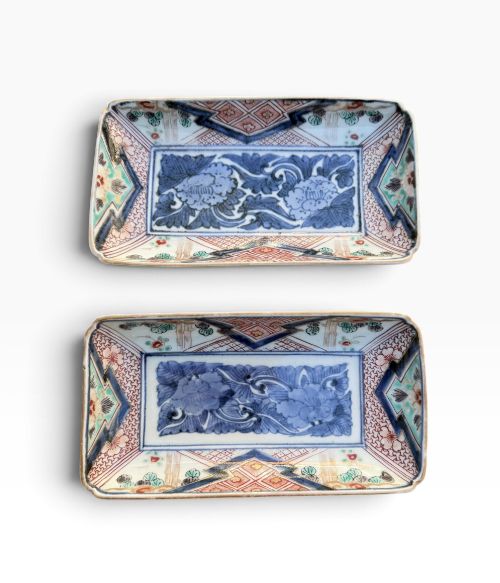
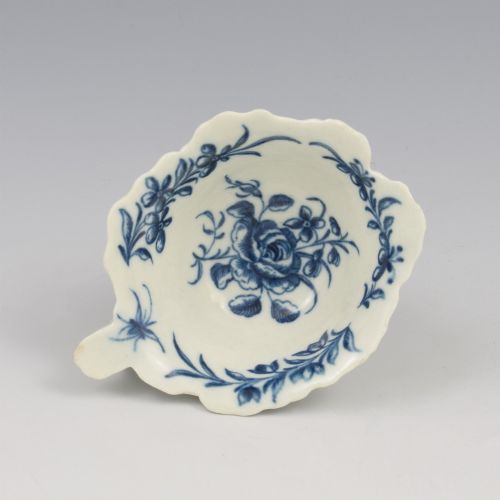
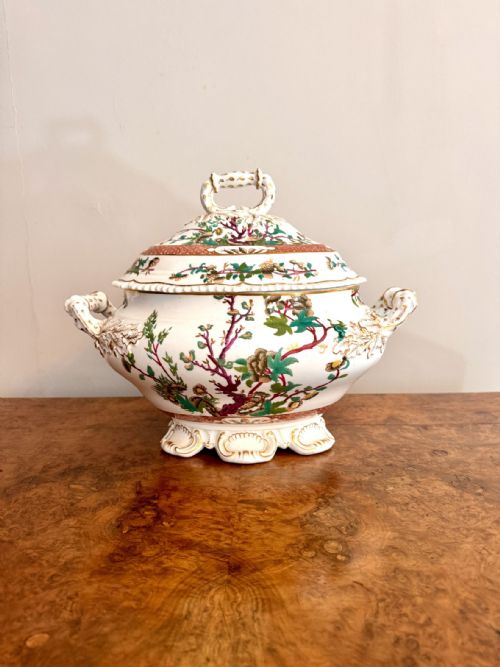
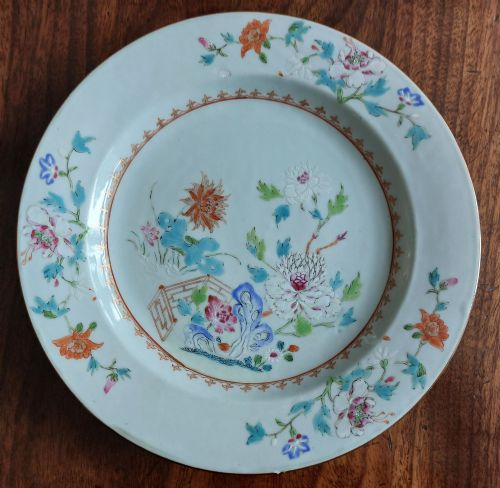
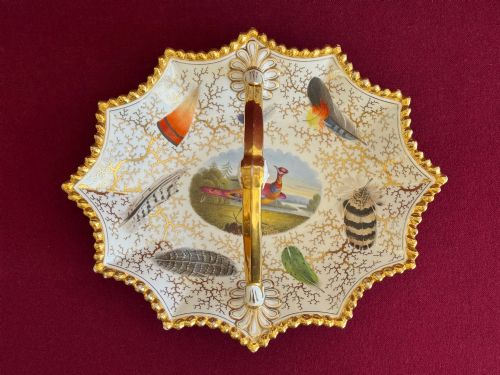
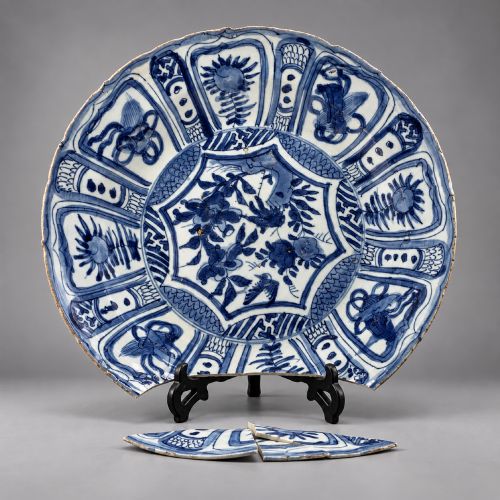
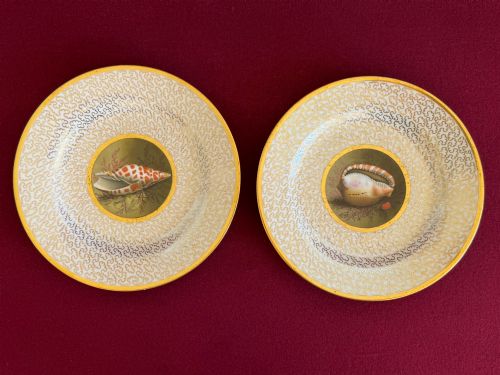
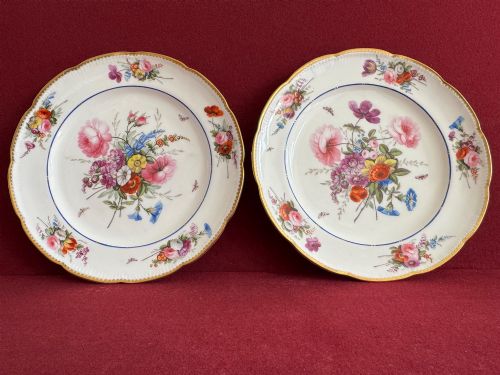
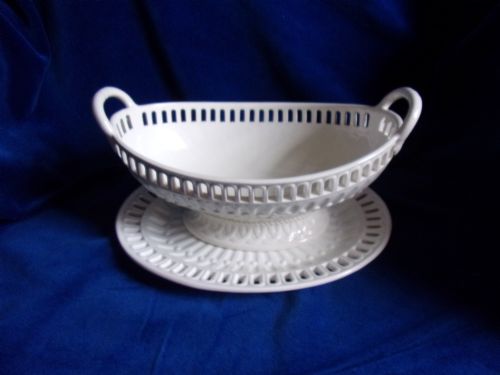
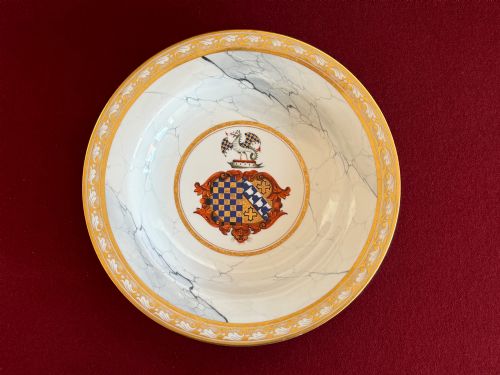
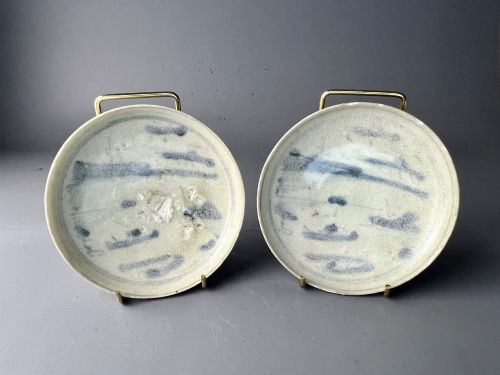
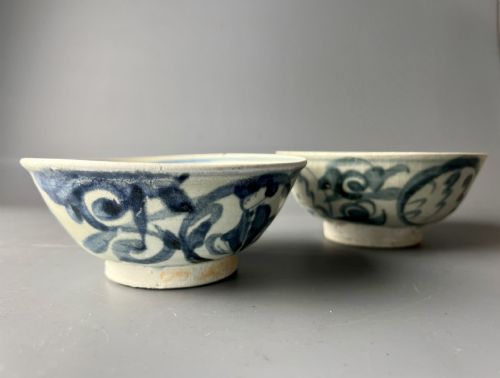
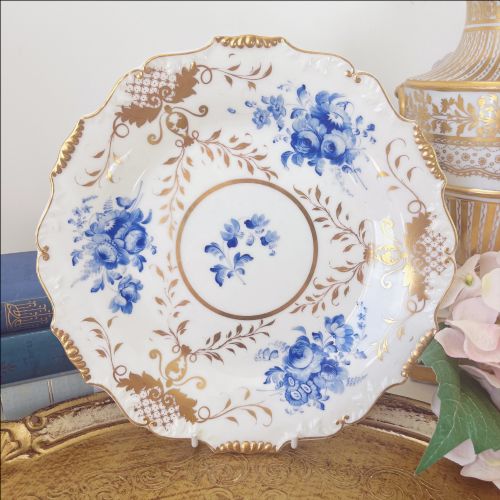
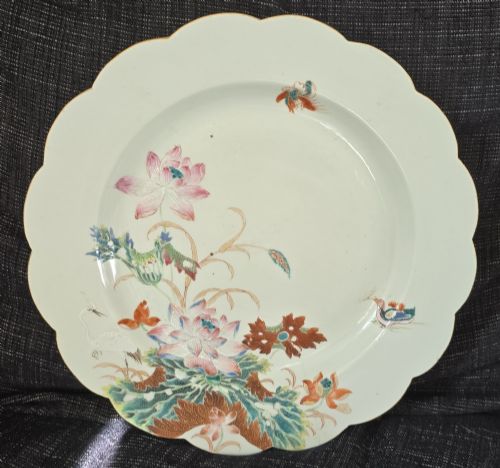
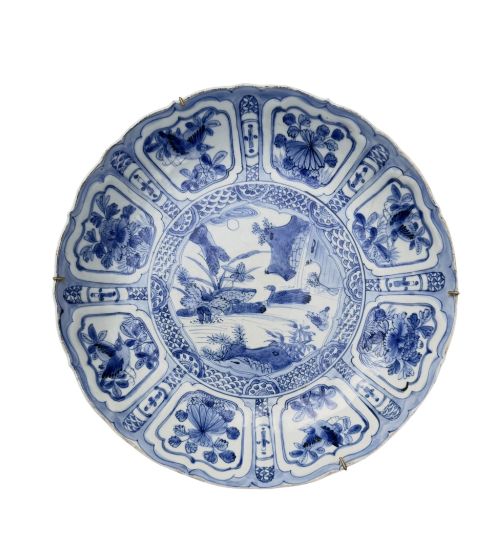
White porcelain dishes include cabinet plates, leaf-shaped pickle dishes, and decorative chargers spanning periods from the seventeenth century to the Victorian era. When you search for white porcelain dishes, you encounter forms shaped as leaves, lobed bowls, and tureens decorated with hand-painted birds, flowers, or blue and white patterns.
The selection ranges from early English soft-paste factories like Worcester and Bow to continental works including Meissen, Sèvres, and Chinese export wares. Plates and dessert dishes form the majority of the available examples, often featuring moulded details or shaped rims characteristic of Georgian and Regency designs.
Materials and production methods
Manufacture relied on refined ceramic pastes, notably soft-paste porcelain and bone china, fired at high temperatures and finished with transparent glaze. Enamel colours and cobalt underglaze were applied by hand before secondary firings fixed the pigments to the body.
Gilding with gold leaf and gilt accents frequently enriched the painted botanical or avian motifs found on dessert and service plates. Moulding techniques created raised surface textures such as basketweave patterns, ribbing, and leaf veins beneath the white glaze.
Listings span periods from the 17th century through the Victorian era, utilising porcelain, enamel, soft-paste porcelain, and gold leaf.
Distinctions in quality
Quality rests upon the crispness of the porcelain body, the precision of the hand-painted decoration, and the complexity of the moulded form. Early pieces from factories like First Period Worcester display superior translucency and finer brushwork in subjects such as birds and botanical specimens.
The refinement of the glaze and the skilled application of cobalt underglaze or polychrome enamels elevate certain chargers and dessert dishes above standard production wares. Maker marks and specific pattern numbers further distinguish factory output from unmarked regional pieces.
Flight Barr & Barr Worcester·Meissen·Caughley·Derby·Chelsea·Bow·Dresden·Qianlong·Davenport·KPM Berlin·Swansea·Spode·Ambroise Michel Sèvres·Minton·Chamberlains Worcester
The White Porcelain Dishes Glossary
- Soft-paste porcelain
- An artificial ceramic composition made from glass frit and white clay, fired at lower temperatures than hard-paste porcelain. This body produces a warm, creamy tone under the glaze.
- Cobalt underglaze
- A blue pigment applied to the unfumed ceramic body before glazing and firing. It withstands high temperatures, resulting in a durable decoration embedded beneath the glossy surface.
- Charger
- A large decorative or serving plate used primarily for display or formal dining service. These substantial vessels often feature elaborate hand-painted scenes or moulded borders.
- Pickle dish
- A small, specialised serving vessel shaped to hold condiments or pickles at the table. Eighteenth-century examples frequently adopt naturalistic forms such as leaves or shells.
- Gilt
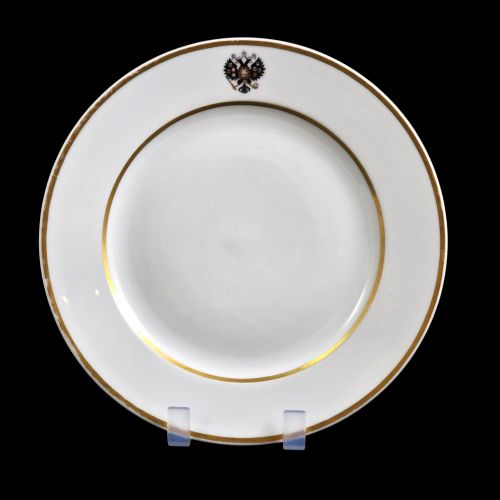
- A thin layer of gold applied to the ceramic surface for decorative enrichment. Artisans often utilised gilt lines along the rims and borders of cabinet plates.
White Porcelain Dishes: Frequently Asked Questions
What are white porcelain dishes used for?
These pieces served functional and decorative roles in dining and household display across several centuries. Serving dishes and tureens held food at the table, while plates and chargers functioned as both tableware and decorative objects.
Today, collectors primarily display these vessels on walls, in cabinets, or on sideboards to appreciate their painted decoration and historic forms.
How do I care for antique porcelain dishes?
Antique porcelain requires gentle handling due to the delicate nature of soft-paste bodies and historic glazes. Hand washing in lukewarm water with mild soap preserves the enamel painted decoration and gold leaf.
Avoid placing these items in modern dishwashers or exposing them to sudden temperature changes, which can cause historical glazes to craze.
How can I tell early Worcester porcelain apart?
First Period Worcester pieces, often associated with Dr Wall, exhibit distinctive paste characteristics and specific blue and white or polychrome patterns. Look for delicate potting, translucent bodies, and characteristic painterly styles such as Chantilly sprigs or exotic birds.
Many pieces bear factory marks on the base, though unmarked examples rely on stylistic attribution and paste analysis for identification.
What is the difference between soft-paste and hard-paste porcelain?
Soft-paste porcelain contains glass frit and white clay mixtures fired at lower temperatures, producing a softer visual depth beneath the glaze. Hard-paste porcelain uses true china clay and petuntse fired at higher heats for a harder, whiter body.
English factories in the eighteenth century predominantly produced soft-paste wares, while continental works like Meissen developed hard-paste formulas earlier.