
White Pearl Necklace
A white pearl necklace brings together centuries of lapidary skill, pairing luminous strands with diamond and precious metal clasps.
White Pearl Necklace
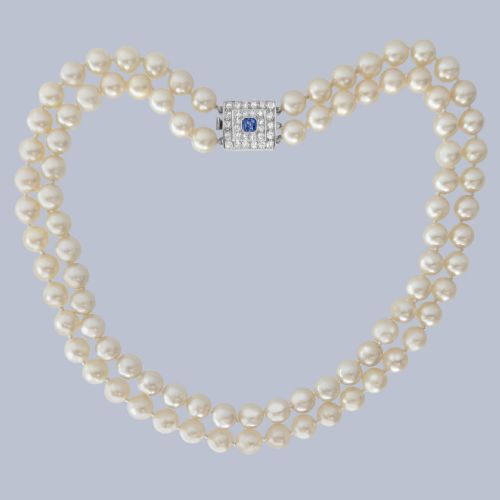
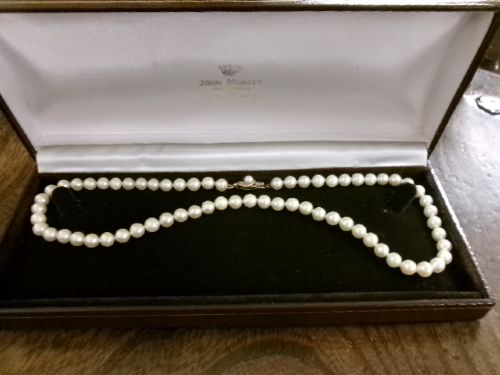
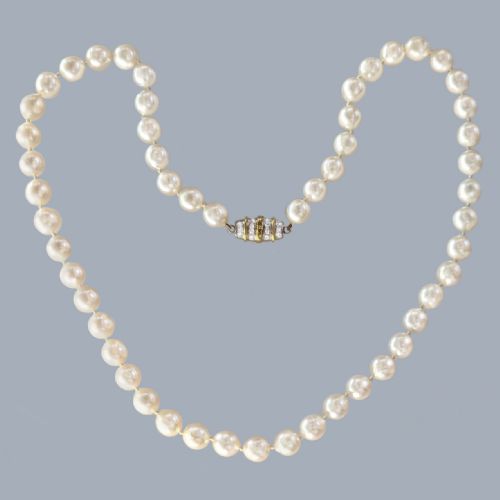
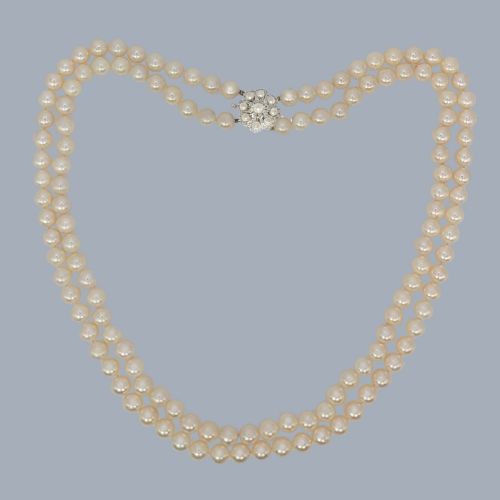
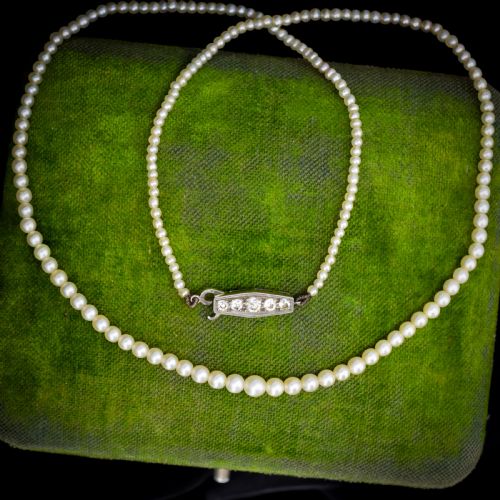
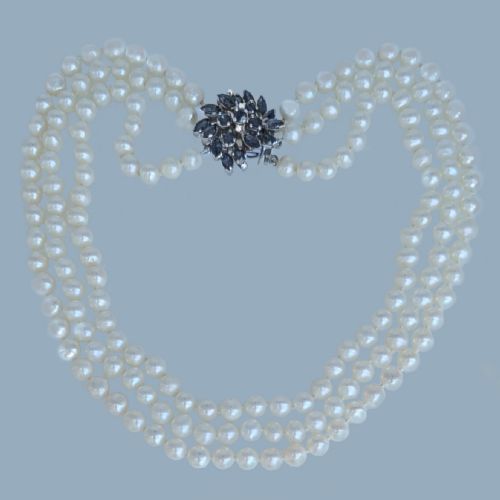
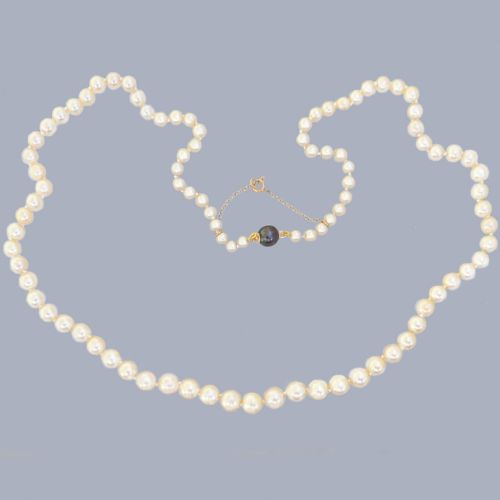
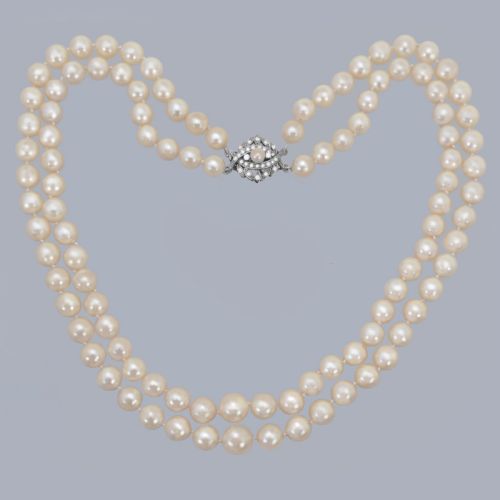
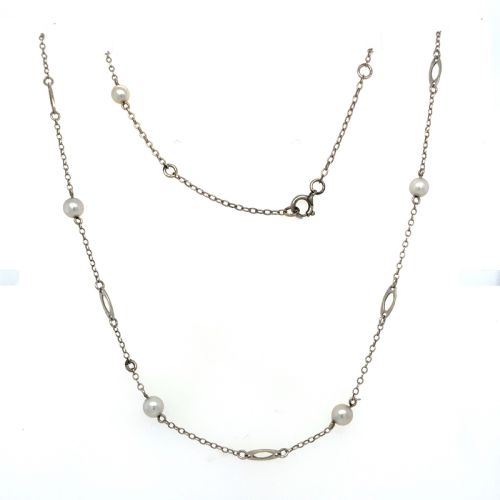
A white pearl necklace encompasses everything from single Edwardian strands to multi-row mid-century cultured pearl iterations, designed to sit close to the collarbone or fall in long opera lengths.
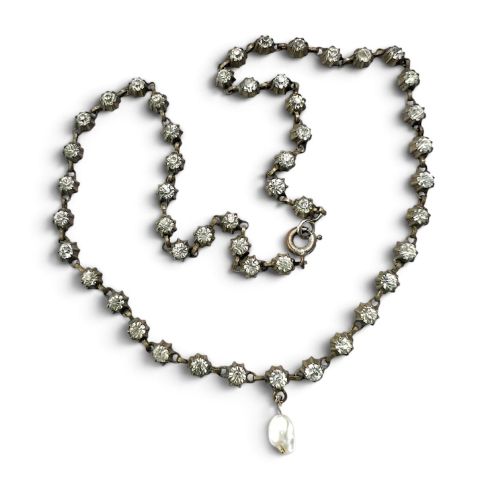
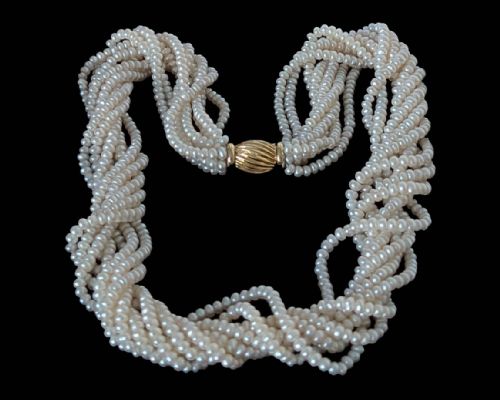
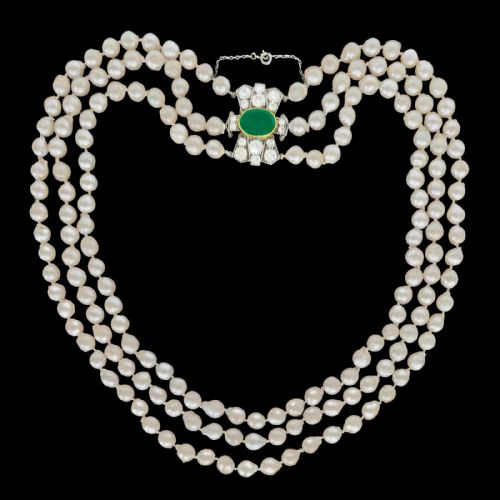
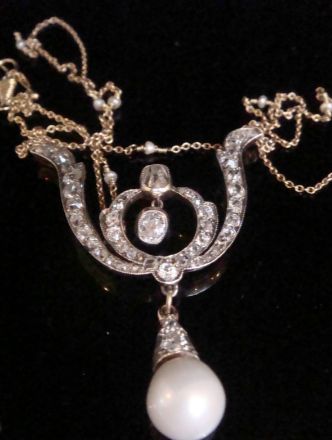
Buyers browsing this selection will encounter single, double, and multi-strand configurations alongside pendants, incorporating materials ranging from freshwater seed pearls to saltwater varieties.
The assortment spans historical periods from the Victorian era through the Art Deco movement and into the 1960s, reflecting changing tastes in clasp design and pearl cultivation.
How they were made
Craftsmen joined organic pearls using durable thread, frequently employing hand-knotting techniques between individual units to protect the silk and prevent loss if the strand breaks.
Clasps utilise precious metals such as 9ct and 18ct white or yellow gold, platinum, and silver, securing the composition with box joints, barrel fittings, or spring rings.
Goldsmiths and gem-setters mounted supporting stones like diamonds, sapphires, emeralds, and jadeite directly into the metal clasps, turning functional fasteners into decorative focal points.
White Pearl Necklace Retail Price Guide 2026
Typical asking prices for white pearl necklace among the pieces listed under this phrase on Sellingantiques today, from the lower quarter to the upper quarter. They describe what is for sale here now, not the wider market.
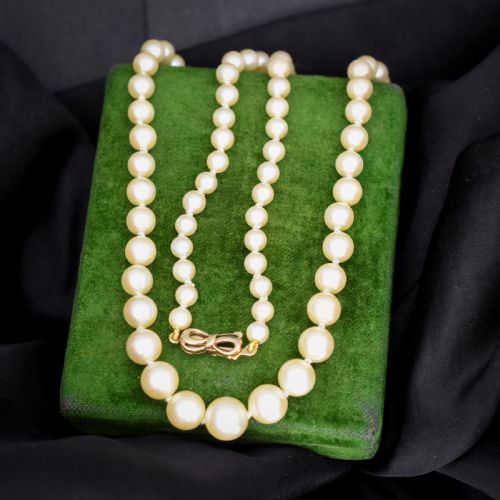
Several pearls caught on camera boast remarkably round configurations, refusing to roll straight when laid unceremoniously on a jeweller's velvet.
What varies in quality
The uniformity of the pearls defines the upper tier of the market, where matching size, roundness, lustre, and orient across a multi-strand layout requires exceptional sorting skill.
Clasp complexity and gemstone weight elevate a piece significantly, distinguishing simple metal barrels from intricate platinum and diamond floral or geometric clusters.
The integrity of the stringing and the presence of professional gemological certificates establish the overall standard of preservation and material authenticity.
George Hunt·Cropp & Farr·Unoaerre Italy·Mikimoto
The White Pearl Necklace Glossary
- Graduated
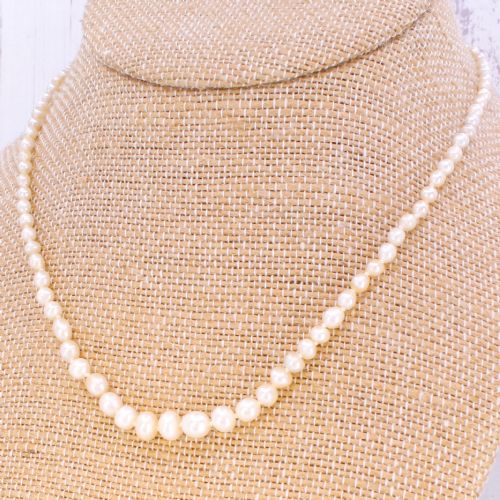
- A string of pearls arranged progressively by size, with the largest pearls centred at the front and tapering towards the clasp.
- Cultured pearl
- A pearl formed with human intervention by placing a nucleus inside an oyster or mollusc, allowing layers of nacre to accumulate.
- Clasp
- The mechanical fastening device positioned at the back or side of a necklace, often set with precious stones.
- Seed pearl
- Very small, naturally occurring or freshwater pearls, frequently utilised in intricate Victorian cluster and multi-strand designs.
- Nacre
- The iridescent organic-inorganic composite material secreted by molluscs to form the pearl's outer layers.
White Pearl Necklace: Frequently Asked Questions
How do I care for pearls?
Pearls are organic gems that respond poorly to harsh chemicals, perfumes, and cosmetics, which can damage the delicate nacre over time. Wipe them gently with a soft cloth after wearing and store them flat to prevent the silk thread from stretching.
Periodic restringing by a professional jeweller ensures the knots between each pearl remain secure and tight. Keeping them away from abrasive jewellery prevents surface scratching.
Are these pearls natural or cultured?
The pieces span both natural saltwater pearls from early periods and cultured pearls popularized from the mid-twentieth century onward. Many listings include independent gemological reports or certificates confirming the origin of the pearls.
Examining the pearls under magnification reveals specific growth characteristics that differentiate natural saltwater formation from cultured varieties. Historical context also guides identification, as specific eras relied entirely on natural harvesting.
What lengths are available?
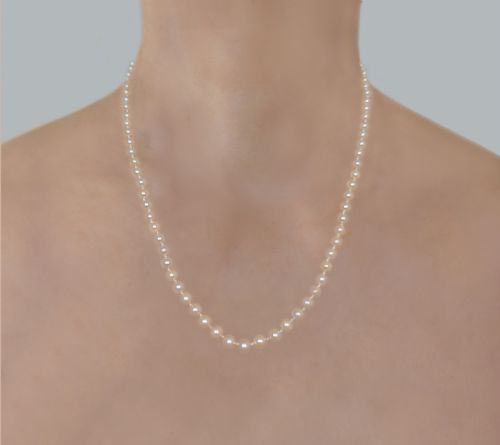
Lengths vary from short choker styles that rest directly against the throat to multi-strand ropes measuring fifty inches or more. Standard lengths sit neatly on the collarbone, while longer versions allow for doubling or knotting.
Proportions depend on the number of strands and the size of the pearls, with multi-row variations offering a heavier drape. Clasps often dictate how the necklace falls when worn.
How can I date my necklace?
Dating relies on stylistic clues such as Art Deco geometric mountings, Edwardian platinum work, or Victorian paste settings. Hallmarks stamped onto gold or platinum clasps provide specific assay office marks and registration years.
Clasp design and construction techniques evolve across decades, offering clear indicators of the period in which the piece was assembled. Gemological reports also provide estimated timeframes based on pearl testing.