


White Painted Wooden Bench
A white painted wooden bench brings pale elegance and quiet function to a hallway, bedroom or garden.
White Painted Wooden Bench
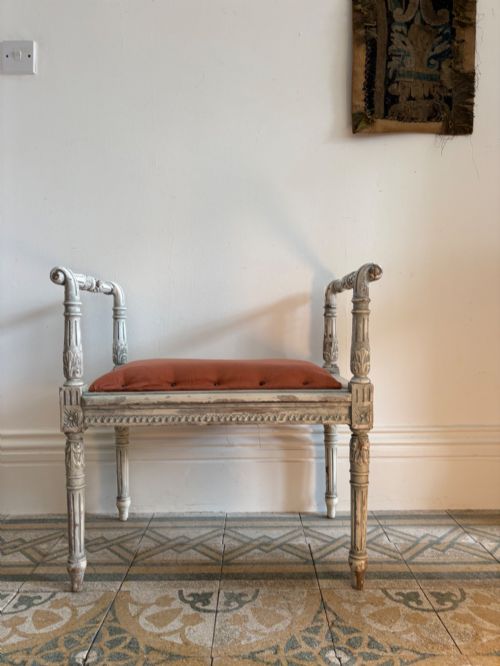
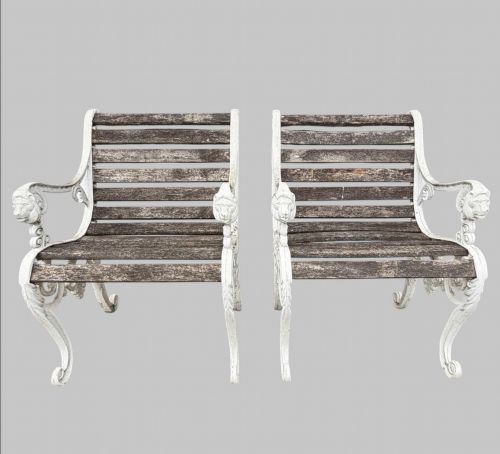
When you search for a white painted wooden bench, you encounter seating forms ranging from nineteenth-century Swedish pine benches and settle benches to window seats, settees, and garden chairs spanning the eighteenth to the twentieth century.
The version you are most likely to meet on this page is the Scandinavian country or Gustavian style painted pine bench, often originating from Sweden and dating to the nineteenth century or earlier.
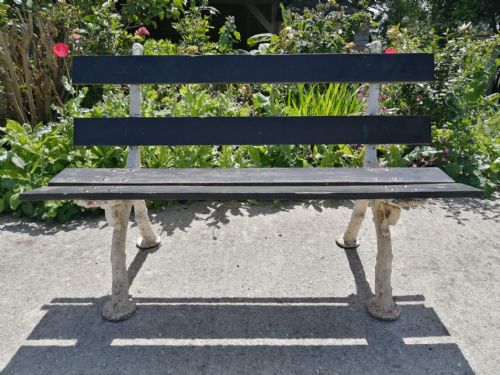
These pieces cross domestic and garden settings, taking the shape of simple country benches, French triple back settees, Austrian settle benches, and Edwardian teak garden seats.
Materials and construction
Makers constructed these pieces primarily from solid pine and timber, frequently applying layers of paint over the wood to achieve the characteristic white or pale surface finish.
Joinery methods vary from French scratch built pine construction to carved details on Swedish stools and benches, occasionally incorporating fabric, silk, cane, or cast iron elements into the framework.
Listings span the eighteenth, nineteenth, and twentieth centuries, featuring pine, teak, cast iron, and fabric materials.
Assessing quality
Quality rests upon the integrity of the timber frame and the character of the painted surface, distinguishing utilitarian workshop output from finer decorative pieces such as Gustavian Neoclassical settees or Coalbrookdale design garden benches.
The balance of proportions, the depth of original or historic paint layers, and the execution of carved wooden details separate standard country furniture from superior regional examples.
Coalbrookdale
The White Painted Wooden Bench Glossary
- Gustavian
- The Swedish interpretation of neoclassical design, characterised by restrained carving, pale paint finishes, and classical restraint. It developed during the late eighteenth century and strongly influences Scandinavian seating.
- Settle bench
- A high-backed wooden bench with solid arms and often a storage compartment beneath the seat. It provided shelter from drafts in older interiors.
- Faux bois
- A technique where wood, iron, or concrete is sculpted and painted to imitate natural tree branches and wood grain. It appears frequently on nineteenth-century garden furniture.
- Pine
- A softwood commonly utilised in country furniture, valued for its workability and pale tone. It forms the structural base for many painted Scandinavian and French pieces.
White Painted Wooden Bench: Frequently Asked Questions
Where should I place a white painted wooden bench?
These benches suit narrow hallways, bedrooms as window seats, or sheltered garden spots where the pale finish stands against greenery.
Their varied forms allow them to function as primary seating or decorative accents depending on their scale.
How do I care for the painted surface?
Maintain the finish by dusting gently with a dry cloth and avoiding harsh chemical cleaners that might strip the historic paint.
Keep pieces intended for outdoor use protected during harsh weather to preserve the timber and paintwork.
Are these benches comfortable for daily use?
Many include upholstered elements like silk or fabric seats, while others rely on carved wooden contours for support.
Adding a cushion easily softens wooden seats for extended sitting in living areas or bedrooms.
How do I distinguish Gustavian benches from country pine pieces?
Gustavian pieces display neoclassical motifs, fluted legs, and refined proportions inspired by French design. Country pine benches focus on sturdy utility and simpler regional joinery.
Both styles frequently share the pale painted finishes characteristic of Scandinavian interiors.