
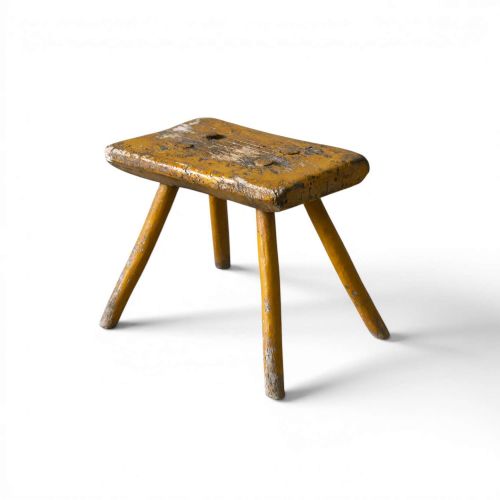
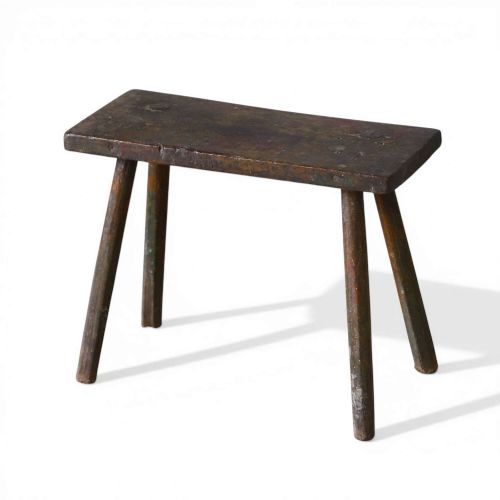


Painted Timber Bench Seat
These painted timber bench seat examples bring robust folk character and practical seating, spanning rustic country styles and industrial forms.
Painted Timber Bench Seat
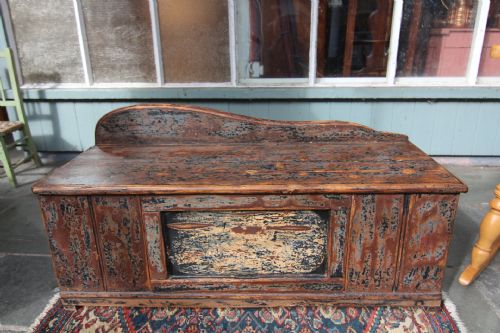
A painted timber bench seat provides functional utility through forms ranging from simple milking stools to high back settles and railway station benches. When exploring a painted timber bench seat, buyers encounter vernacular seating shaped by nineteenth century and Edwardian hands.
How they were made
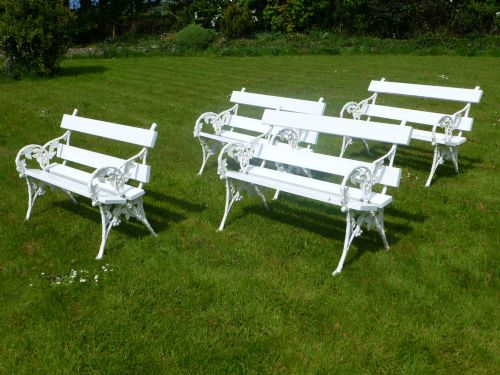
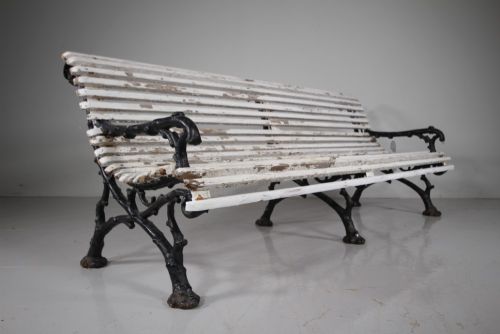
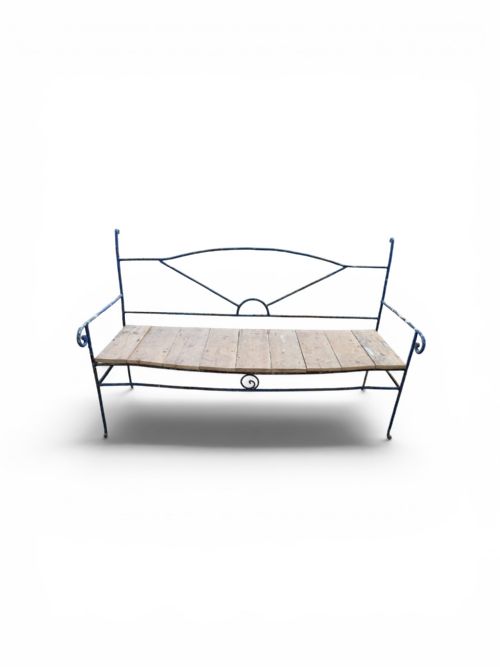
Construction relies primarily on timber and pine, shaped through country carpentry and scratch built methods. Many examples incorporate cast iron or wrought iron supports for structural strength.
Surfaces receive layers of paint, including original ochre and green finishes as well as polychrome decoration. Hand carving and rustic joinery methods complete the construction process.
Some Austrian settles retain their original paint through centuries of tavern gossip and farmyard duties.
What varies in quality
The character of the surface finish dictates much of the visual appeal, separating pieces with retained early pigment from those with later overpainting. Original paint layers demonstrate the age and working history of the timber.
Structural integrity depends on the joinery methods and the retention of original ironwork components where cast or wrought iron frames are utilised. Proportions and the complexity of vernacular forms influence the overall standing of each piece.
The Painted Timber Bench Seat Glossary
- Settle
- A wooden bench with a high back, solid arms, and often a storage box beneath the seat. This form provided draught protection in traditional interiors.
- Milking stool
- A small three-legged or four-legged seat used during milking operations. These items display simple utilitarian construction in pine or other timbers.
- Polychrome
- Decoration executed in multiple colours. This technique appears on decorative boxes and folk art furniture.
- Box seat
- A bench or settle incorporating a lidded compartment beneath the sitting area. This design combines seating with household storage.
Painted Timber Bench Seat: Frequently Asked Questions
How do I date a painted bench?
Dating relies on examining construction marks, timber types, and the composition of the paint layers. Regional joinery styles also help establish the likely period of manufacture.
Comparison with documented examples from the nineteenth century and Edwardian eras provides further context for age and origin.
Are these benches suitable for outdoor use?
Many examples originate as garden benches or railway station seating designed for external environments. However, antique painted finishes require protection from harsh weather to survive intact.
Consider placing delicate folk art pieces indoors or under covered areas to preserve the original timber and pigment.
What is a tavern settle?
A tavern settle is a high backed wooden bench built to shield patrons from draughts in public houses. Their solid construction and enclosed bases made them durable fixtures in communal rooms.
They frequently feature painted pine surfaces and integrated storage compartments.
How should I clean original paint?
Cleaning requires gentle dusting with a soft, dry cloth to remove surface particles without disturbing fragile pigment layers. Avoid harsh chemical cleaners or abrasive materials that strip historical finishes.
Professional conservation advice is recommended for pieces showing active flaking or unstable paint.