

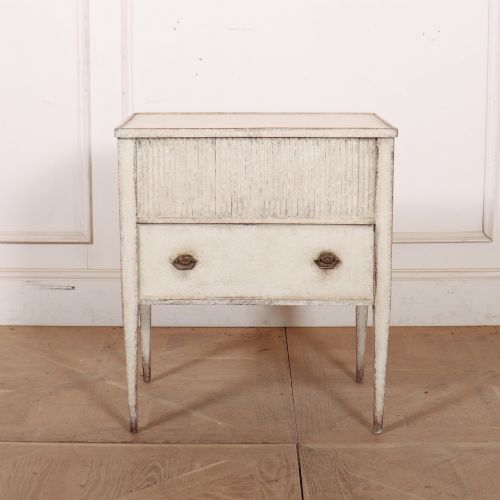
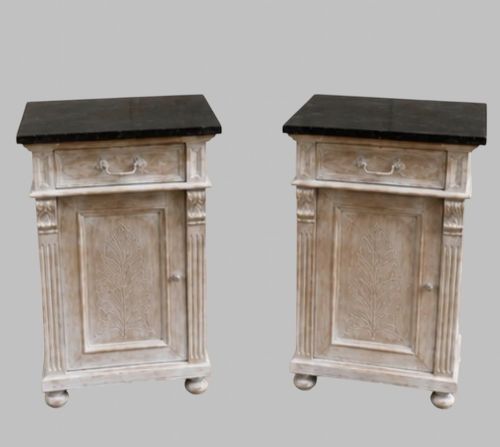
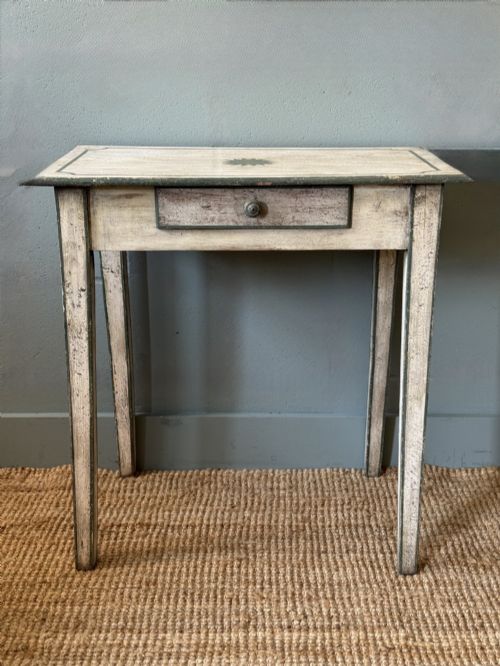


White Painted Nightstand
White painted nightstand choices span nineteenth century pieces to early twentieth century examples, bringing painted wood and marble surfaces into the bedroom.
White Painted Nightstand
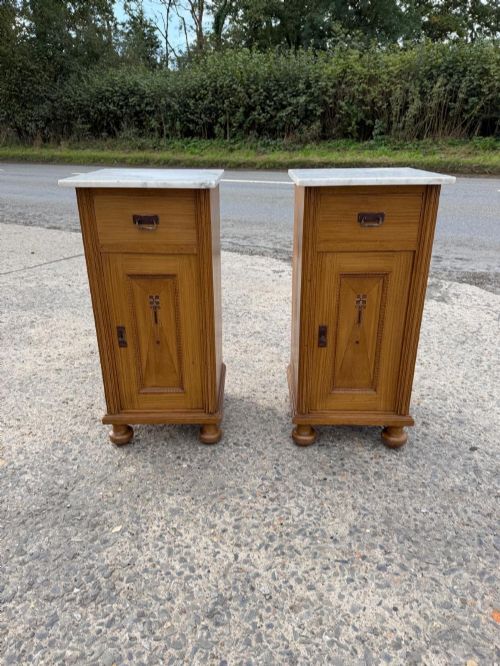
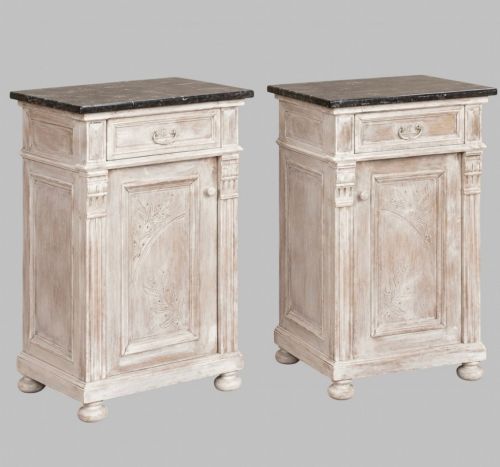
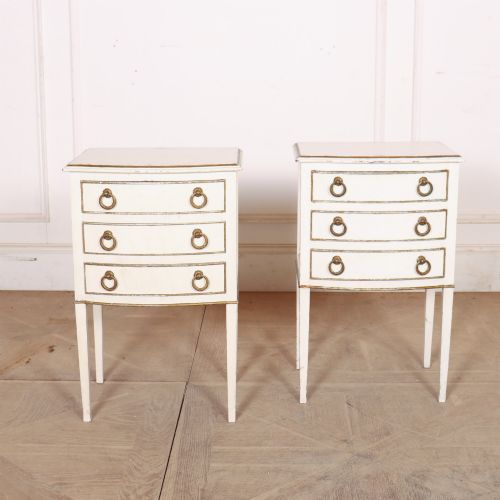
A white painted nightstand functions primarily as a bedside cabinet, cupboard, or small chest of drawers designed to sit next to a bed. These items originate from various European traditions, including French, Swedish, Dutch, and English workshops.
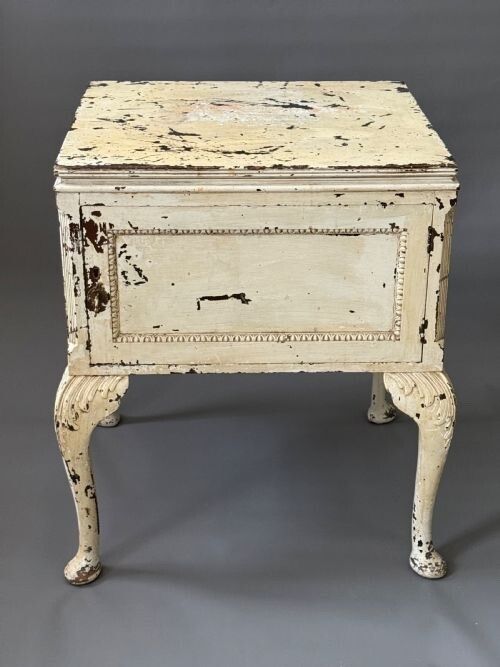
The selection here includes pieces from the nineteenth century, the Victorian era, and the early twentieth century. Common forms range from single door cupboards and bedside chests to occasional lamp tables and small chests of drawers.
How they were made
Construction relies heavily on traditional timber frames using pine, fruitwood, mahogany, and general painted wood. Many examples incorporate applied paint finishes alongside natural wood grain or contrasting marble tops.
Detailing often involves carved woodwork, brass hardware, and painted decoration that reflects specific regional styles such as Gustavian, Louis XVI, and French Provincial.
White Painted Nightstand Retail Price Guide 2026
Typical asking prices for white painted nightstand among the pieces listed under this phrase on Sellingantiques today, from the lower quarter to the upper quarter. They describe what is for sale here now, not the wider market.
Listings feature pine, mahogany, and fruitwood materials combined with painted finishes and marble tops across nineteenth and twentieth century pieces.
What varies in quality
Quality differences emerge through the crispness of timber carving, the structural integrity of drawers and doors, and the preservation of original painted surfaces. Superior examples display balanced proportions and refined hardware.
The integration of materials such as fitted marble tops and solid secondary timbers separates standard utilitarian bedside tables from more decorative regional pieces.
Melissa White
The White Painted Nightstand Glossary
- Bedside Cabinet
- A small enclosed piece of furniture with a door or drawers, made to stand beside a bed. It provides concealed storage for nighttime necessities.
- Gustavian
- A Swedish neoclassical style originating in the late eighteenth century and extending into the nineteenth century. It is known for pale painted finishes and restrained classical carving.
- Marble
- A hard metamorphic rock with a polished surface, frequently used for the tabletops of nineteenth century cabinets. It offered a durable and easily cleaned workspace.
- Occasional Table
- A small, movable table intended for specific, minor uses around a room. These include lamp tables and small side tables.
- Neoclassical
- A style of architecture and decorative arts inspired by the classical art and culture of ancient Greece and Rome. It emphasises symmetry, straight lines, and understated ornamentation.
White Painted Nightstand: Frequently Asked Questions
What periods do white painted nightstands come from?
The pieces span the nineteenth century, the Victorian era, and the early twentieth century around 1900 to 1920. Styles range from French provincial designs to Swedish country furniture.
Most items reflect regional European cabinetmaking traditions using pine, fruitwood, and mahogany beneath painted finishes.
How do I care for a painted wooden cabinet?
Protect the painted surface from direct heat and moisture by using coasters and mats. Dust gently with a soft, dry cloth rather than applying harsh modern cleaning chemicals.
Marble tops require simple wiping with a damp cloth to remove everyday marks, avoiding acidic cleaners that can etch the stone.
Are these bedside tables sold as pairs?
Many of the listings comprise matched pairs of bedside chests, cupboards, or tables, though individual cabinets also appear. Pairs are particularly common among twentieth century French and Swedish items.
Checking individual item descriptions confirms whether a piece is offered on its own or alongside a matching partner.
What materials are used in these bedside tables?
Construction primarily involves timber such as pine, mahogany, and fruitwood finished with painted surfaces. Some examples incorporate contrasting marble inserts on the upper surface.
Hardware details frequently feature brass fixtures, complementing the wood and paint combinations characteristic of nineteenth and early twentieth century furniture.