
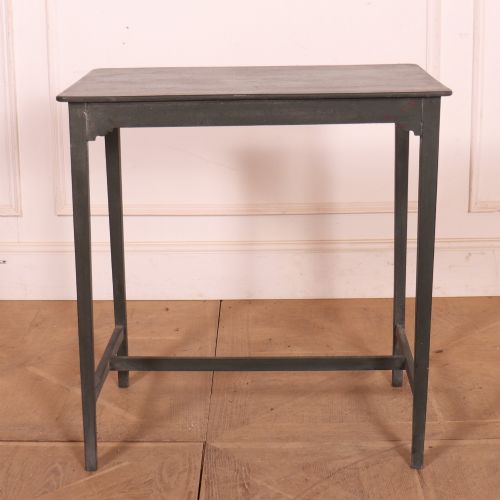


Painted Wooden Nightstands
These painted wooden nightstands bring together centuries of provincial and country craftsmanship, offering practical bedside storage with distinctive decorative surfaces.
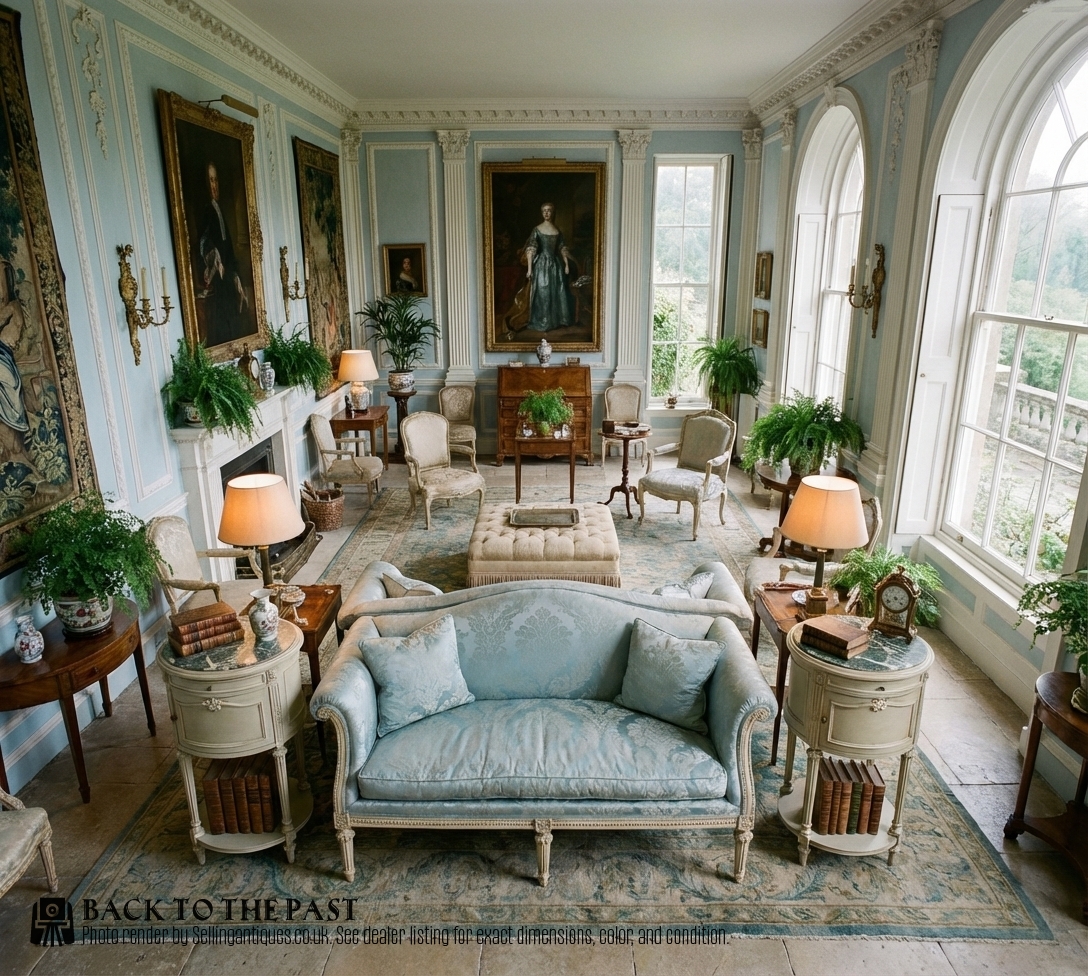
Painted Wooden Nightstands
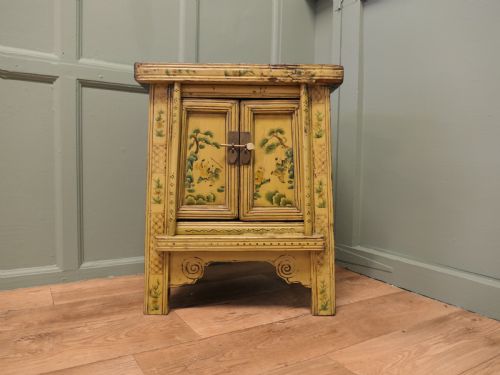
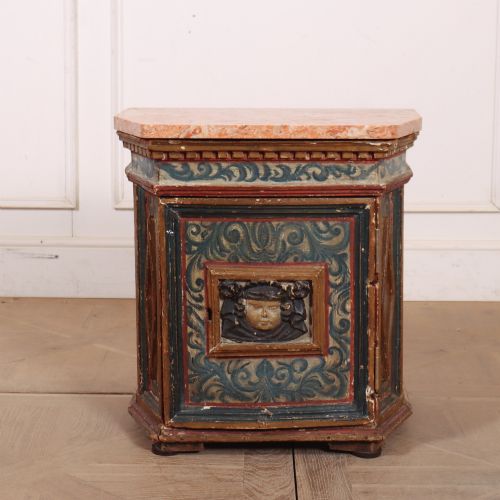
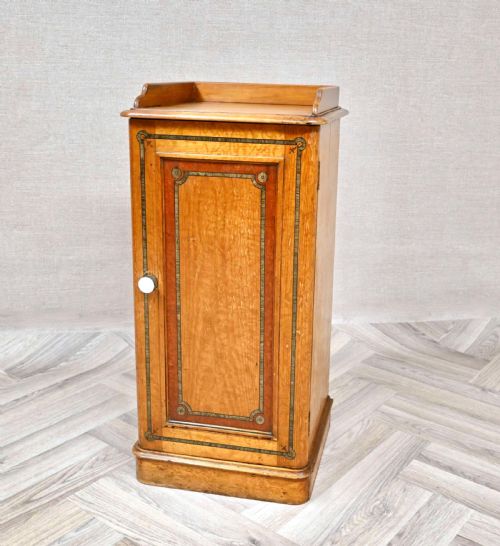
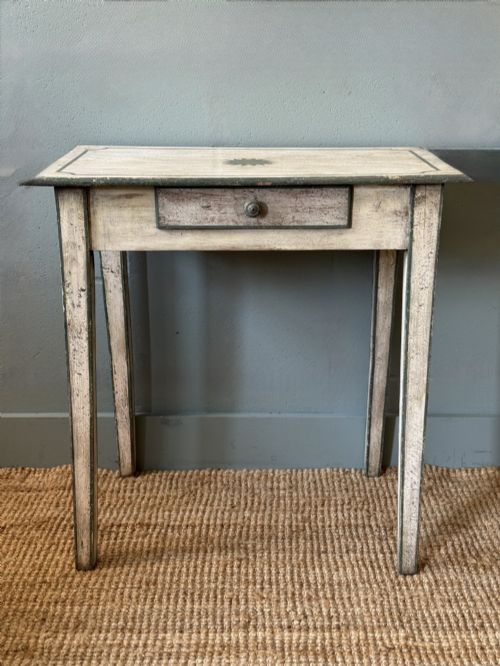
When you search for painted wooden nightstands, you encounter a varied selection of bedside tables, bedside cabinets, cupboards, and lamp tables spanning from the eighteenth century through to the twentieth century. These pieces originate from English, French, Italian, and Scandinavian workshops, reflecting diverse regional tastes in domestic furniture.
Many examples arrive as matched pairs, while others stand as individual items retaining their original or later painted surfaces. The forms range from simple single-door cupboards to two-drawer commodes and open lamp tables.
How they were made
Carpenters constructed these pieces primarily using pine, oak, and fruitwood, sometimes incorporating brass hardware and marble tops for functional surfaces. Timber frames were assembled using traditional joinery before receiving layers of paint or grain finishes.
Decorative techniques include hand-applied paint, giltwood accents, and intricate Chinoiserie motifs. Surfaces often display original grain finishes or faux marble treatments applied over the wooden structure.
Materials recorded across the inventory include solid pine, oak, fruitwood, brass hardware, and integrated marble tops.
What varies in quality
Quality in these items is determined by the integrity of the original timber construction and the preservation of the painted or decorative surface. Pieces retaining their earliest layers of paint command greater interest from collectors seeking untouched historical character.
The sophistication of the joinery and the execution of regional decorative styles, such as carved details or specific national motifs, also distinguish simpler country pieces from more ambitious workshop productions.
Melissa White
The Painted Wooden Nightstands Glossary
- Chinoiserie
- European interpretation and imitation of Chinese and East Asian artistic traditions, often featuring hand-painted motifs on furniture surfaces. This style was particularly popular for decorative cabinets and commodes.
- Gustavian
- The Swedish interpretation of French neoclassical design, characterised by lighter proportions, muted paint colours, and restrained carving. It forms a distinct subset of Scandinavian painted furniture.
- Commode
- A low chest of drawers or cabinet, frequently used in bedrooms as a bedside storage piece. French and Swedish examples often feature two or more drawers.
- Washstand
- A piece of furniture originally designed to hold a basin and pitcher for washing, often adapted for use as a bedside table. Many feature wooden or faux marble tops.
- Lamp Table
- A small occasional table designed to hold a light source, commonly utilised beside a bed or in a sitting room. These items appear frequently in English and continental traditions.
Painted Wooden Nightstands: Frequently Asked Questions
Are painted wooden nightstands durable for daily use?
Solid woods like oak and pine provide a sturdy structural foundation that withstands regular placement of bedside items. The durability largely depends on the care taken to protect the painted exterior from moisture and heavy impacts.
Most antique examples have survived generations of domestic use precisely because their timber frames were built to endure. Gentle cleaning maintains both the wood and the decorative finish without causing wear.
How do I identify an eighteenth century piece?
Eighteenth century pieces typically exhibit construction methods specific to their period, such as hand-cut joints and native timber choices like English oak or pine. The wear patterns on the wood and paint often reflect extended historical use.
Stylistic cues such as Georgian proportions or early regional paint applications help distinguish these earlier items from later nineteenth and twentieth century reproductions or adaptations.
Can I find matching pairs easily?
Matched pairs appear periodically among continental and English listings, often originating from bedroom suites or matching chamber furnishings. Sourcing an identical pair requires patience as single pieces are far more common.
When pairs do occur, they usually share consistent paint finishes, dimensions, and hardware details established during their initial manufacture.
What is faux marble on a washstand?
Faux marble is a decorative paint technique where the artisan manipulates pigments to simulate the veining and appearance of real stone. This method provided the luxurious look of marble on a lighter wooden surface.
On nineteenth century washstands, this painted finish offered a practical, wipe-clean top that resisted water splashes while maintaining a refined aesthetic.