
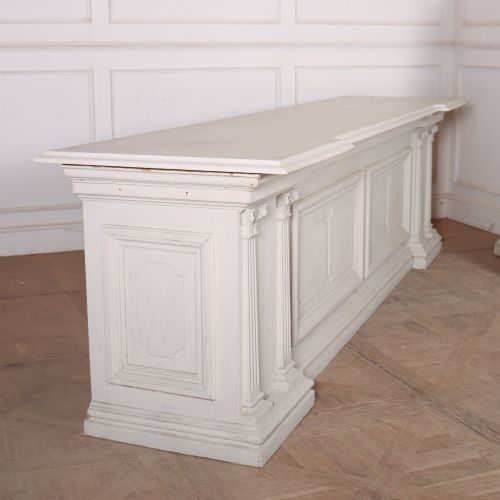

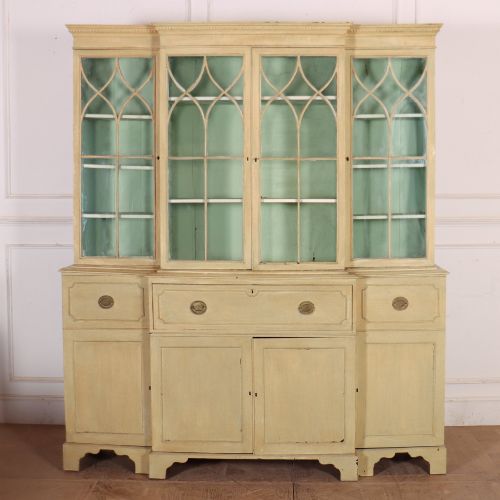



White Painted Desk
White painted desk pieces combine utility and surface charm, offering practical workspace enriched by historic finishes.
White Painted Desk
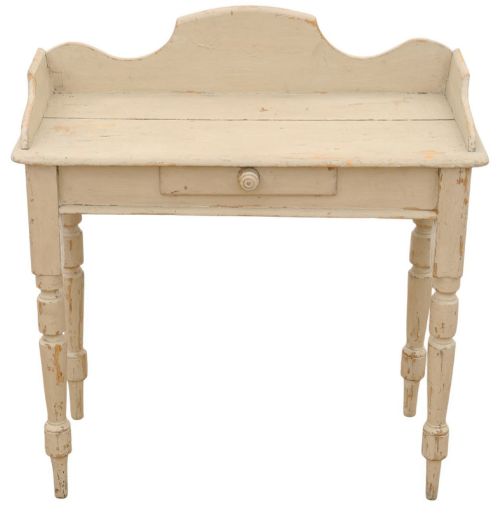
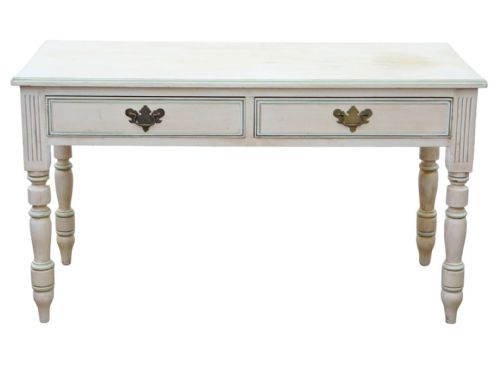
A white painted desk brings historic workspace furniture into domestic interiors through painted wood constructions. Pieces meeting this description span the eighteenth, nineteenth, and early twentieth centuries, appearing alongside related writing tables, bureaus, and dressing tables.
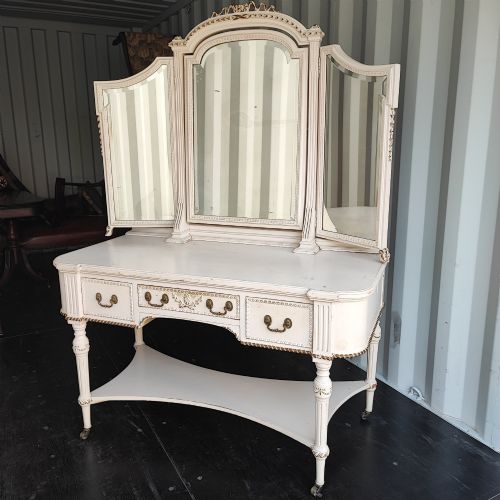
Surviving examples display regional aesthetic traditions, encompassing English country pieces, French serpentine forms, and Scandinavian painted items. Buyers encounter these alongside kitchen tables with drawers adapted for writing use and decorative writing desks from the Victorian era.
Materials and construction methods
Construction relies upon timber frameworks, predominantly utilising pine and other woods suited to supporting applied pigment surfaces. Joinery techniques reflect the period of origin, from eighteenth-century bureau construction methods to nineteenth-century table framing.
Surfaces receive paint layers, sometimes distressed by age or retaining original decorative schemes. Additional structural components incorporate brass hardware, drawer pulls, and occasionally accompanying desk accessories like inkstands or pounce pots.
Desk accessories here include pounce pots, reminding us that writers once dried ink with sand rather than blotting paper.
Evaluating quality and condition
Quality rests upon the integrity of the timber structure, the stability of the writing surface, and the preservation state of the painted finish. Pieces retaining original surface pigment demonstrate greater desirability among collectors than later repainted examples.
The sophistication of the form, such as serpentine fronts or integrated drawer configurations, distinguishes standard utility pieces from finer decorative works. Proportional harmony and original hardware contribute further to the standing of an individual item.
Maples of London and Paris·Flight and Barr·Duesbury and Kean·Meissen
The White Painted Desk Glossary
- Bureau
- A sloping-lidded desk enclosing pigeonholes and small drawers. This form frequently incorporates fitted compartments for stationery storage.
- Serpentine
- A curved line of furniture fronts featuring a convex centre flanked by concave sides. This shaping demands skilled woodworking joinery.
- Pounce pot
- A small container perforated on top for sprinkling gum sandarac powder over ink. Writers used this substance to prepare rough paper surfaces before writing.
- Kneehole desk
- A flat-topped desk with a recessed central space for the user's legs, flanked by pedestals of drawers. These pieces provide substantial internal storage capacity.
- Gustavian
- A Swedish neoclassical style characterised by pale painted finishes and restrained ornamentation. The aesthetic emerged during the reign of Gustav III.
White Painted Desk: Frequently Asked Questions
How do I date a painted desk?
Dating relies upon examining construction methods, timber types, and the composition of the paint layers. Secondary woods inside drawers and backboards offer reliable clues to the period of manufacture.
Stylistic markers also guide identification, linking specific leg shapes, hardware, and proportions to nineteenth-century or earlier traditions.
Are these desks suitable for daily work?
Many historic writing tables and desks accommodate contemporary writing tasks, provided the working height and knee clearance match modern requirements. Interior compartments offer practical storage for stationery.
Care should be taken to protect antique painted surfaces from moisture and heavy daily wear by using appropriate desk blotters.
What is Gustavian style?
Gustavian style represents Swedish neoclassical design inspired by French court fashions of the eighteenth century. It employs pale grey and white painted finishes alongside carved fluting.
Pieces from this tradition emphasise light reflection and clean architectural lines suited to domestic interiors.
How should I clean a painted finish?
Cleaning requires a dry or lightly dampened soft cloth to remove dust without disturbing the historic pigment layers. Harsh chemical solvents and abrasive cleaners must be avoided entirely.
Preserving the original surface condition maintains both the visual character and the historical integrity of the piece.