
White Painted Cabinet
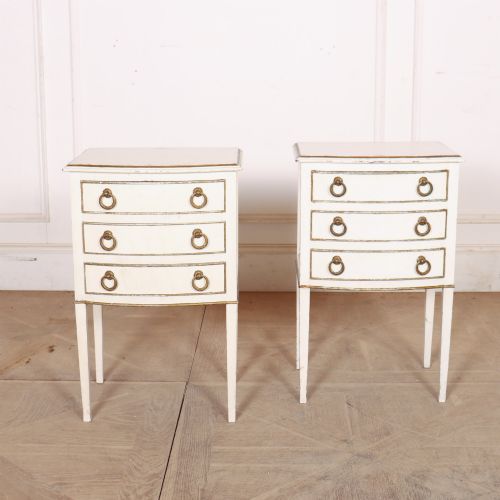
A white painted cabinet brings light and texture to a room, drawing on traditions from English country houses to Swedish and French provincial interiors.
White Painted Cabinet
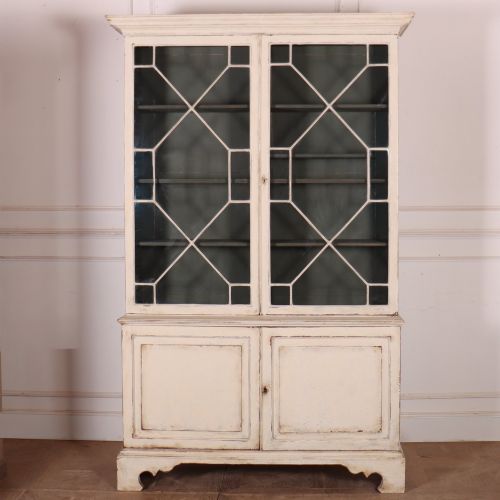
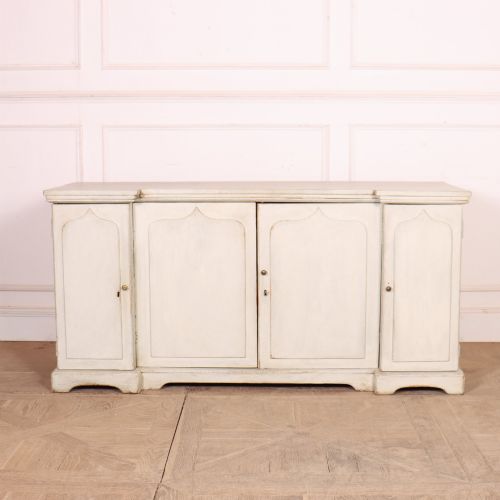
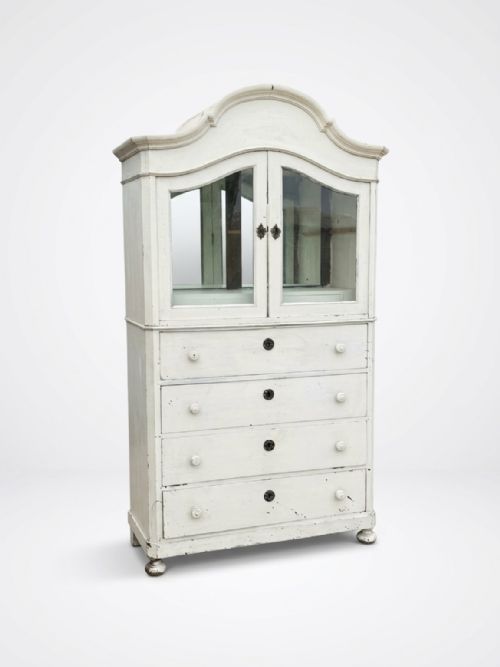
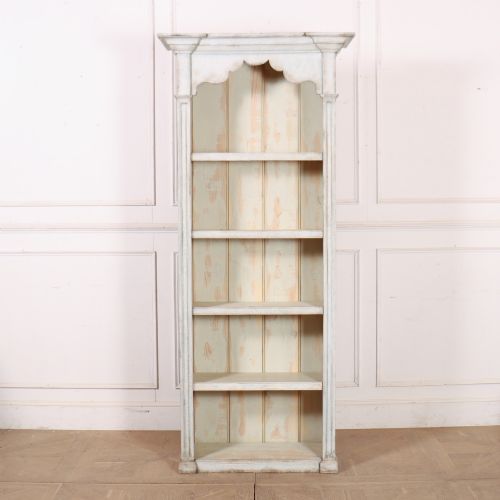
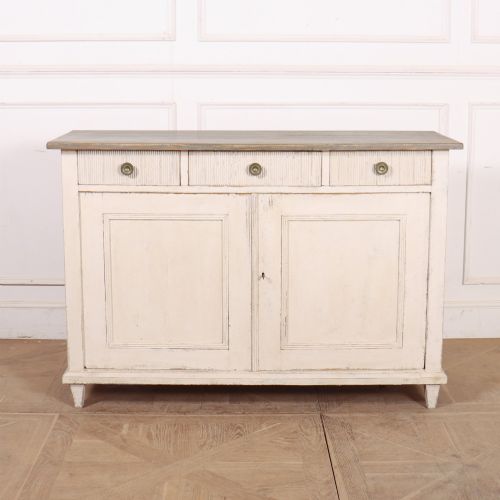
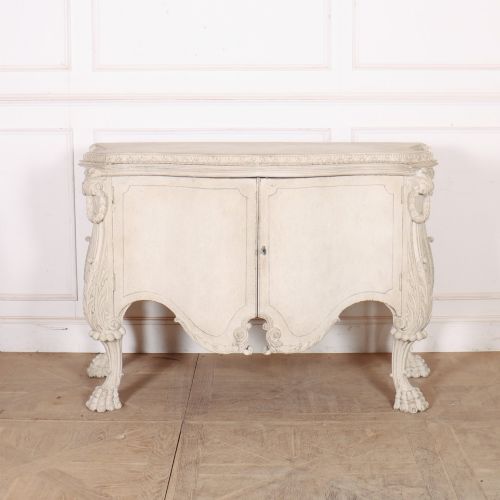
A white painted cabinet covers a range of storage furniture built across Europe, predominantly from the eighteenth and nineteenth centuries. Buyers searching for a white painted cabinet encounter diverse regional forms, from tall glazed bookcases and linen cupboards to bedside chests and dressers.
The pieces on this page span English, French, Swedish, Danish, Dutch, and Italian workshops. Swedish and French examples often feature softer painted finishes or specific local typologies such as the confiturier, whereas English and Continental pieces range from glazed bookcases to substantial sideboards and enfilades.
Materials and Construction
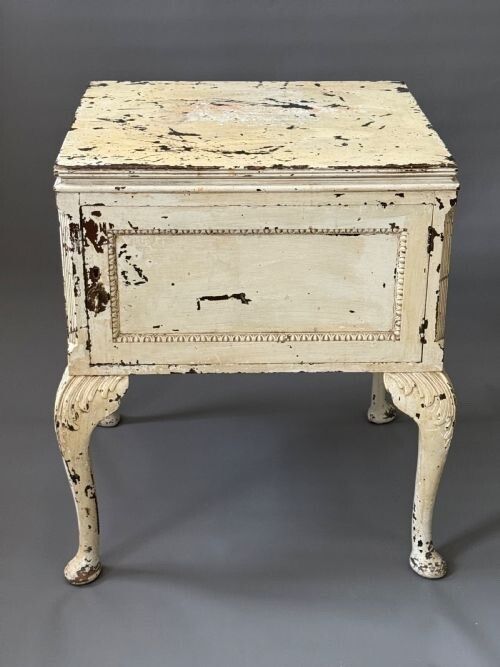
Construction relies heavily on pine and general painted wood, often built by regional carpenters using traditional joinery appropriate for domestic storage. Surfaces receive layers of paint that age over time, sometimes complemented by applied mouldings or simpler framing.
Details such as brass hardware, glass panes in glazed doors, and occasional gold leaf accents complete the construction of these cabinets. The combination of timber carcases and layered paint surfaces defines the physical character of each piece.
Jam cupboards remind us that past generations dedicated entire items of fine furniture solely to the safe custody of sweet preserves.
Assessing Quality
Quality rests in the integrity of the timber frame, the handling of the painted surface, and the balance of proportions. Superior examples retain their original structural form and show harmonious ageing in the paint layers rather than unsympathetic modern refinishing.
Finer pieces demonstrate considered craftsmanship in the joinery of doors, drawers, and cornices. The sophistication of regional stylistic details, from Gustavian carving to French provincial mouldings, elevates the standing of an individual cabinet.
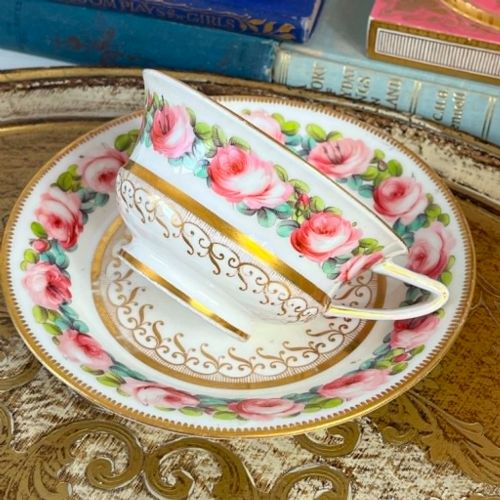
H & R Daniel·KPM Berlin·Meissen·Royal Worcester·Barr Flight and Barr
The White Painted Cabinet Glossary
- Enfilade
- A long sideboard or cabinet designed to stand against a wall, common in formal European dining rooms and reception spaces.
- Confiturier
- A small French jam cupboard, typically featuring a single door and drawer, designed for domestic storage.
- Glazed Bookcase
- A tall storage cabinet with glass-fronted upper doors intended for the display and protection of books.
- Gustavian
- A Swedish neoclassical style characterised by lighter painted finishes, restrained carving, and functional elegance.
- Buffet
- A low storage unit or side cabinet utilised for holding tableware and serving items.
White Painted Cabinet: Frequently Asked Questions
What is a confiturier?
A confiturier is a small French cupboard originally built for storing fruit preserves and jams. These compact pieces typically feature a single door above a small drawer.
Today they function well as bedside tables or small storage units in living spaces, offering practical surface area and concealed internal shelving.
How do I date a painted cabinet?
Dating relies on examining construction methods, timber types, and the composition of the paint layers. Hand-cut dovetails, original hardware, and signs of historical wear provide clear chronological markers.
Stylistic cues such as neoclassical Gustavian mouldings or Victorian proportions also help place a cabinet within its specific nineteenth or eighteenth-century context.
Are painted finishes original?
Many older pieces have undergone repainting over their long operational lives to suit changing interior fashions. Original paint surfaces show natural craquelure, wear patterns, and tonal depth accumulated over generations.
Professional evaluation helps distinguish between period painted surfaces and later decorative updates applied during subsequent decades.
Where should I place a linen cupboard?
Linen cupboards provide deep vertical storage that suits bedrooms, hallways, or spacious bathrooms. Their shelved interiors accommodate folded textiles, garments, or household items.
Placing them against a neutral wall allows the painted exterior and regional proportions to stand out as a focal point in the room.