


White Painted Bench
A white painted bench brings enduring character to a garden or hallway, uniting practical seating with classic decorative painted finishes.
White Painted Bench
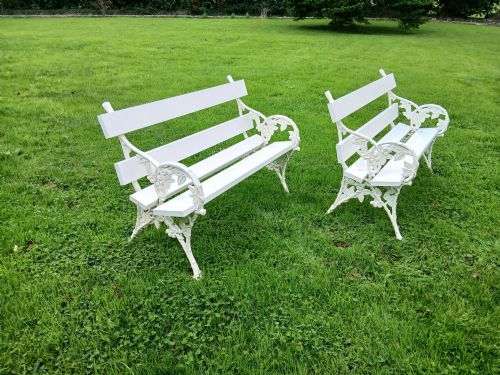
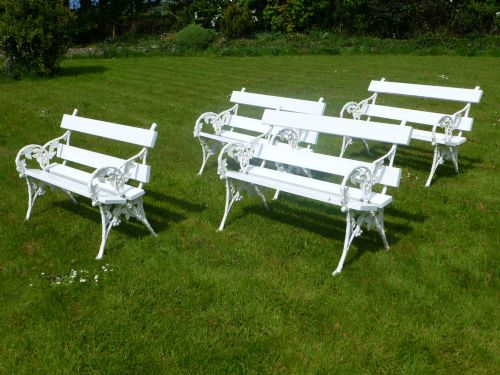
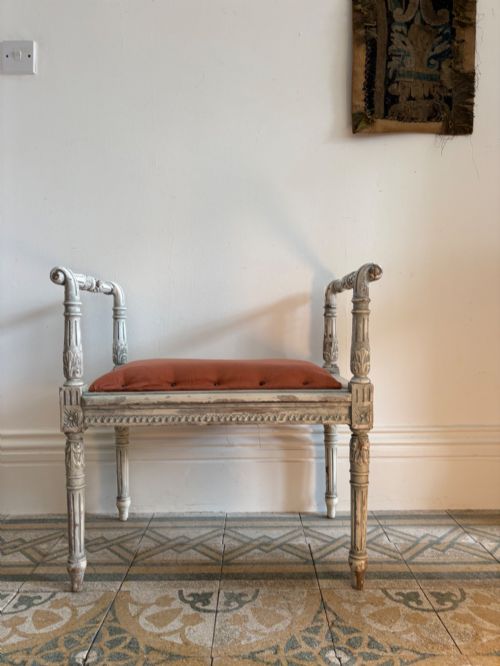
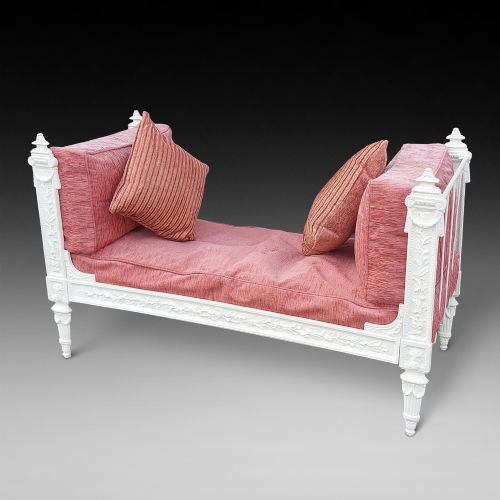
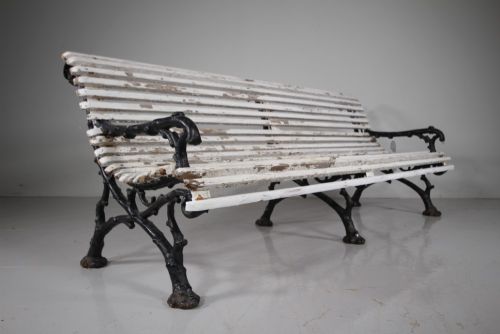
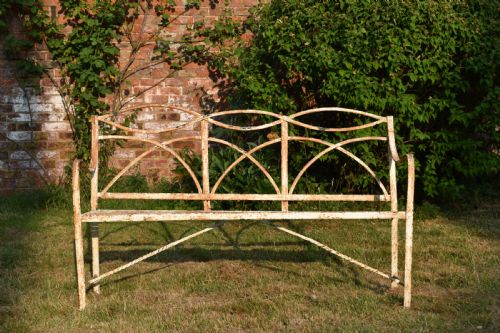
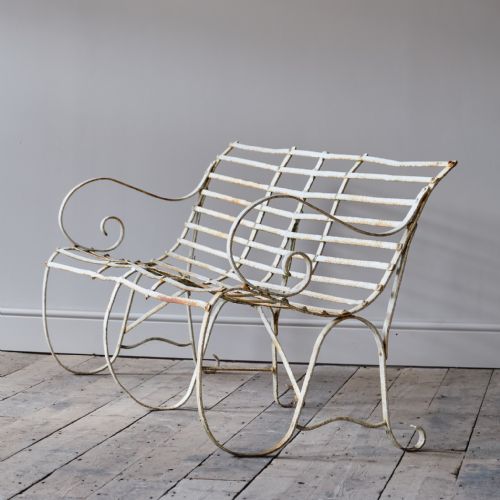
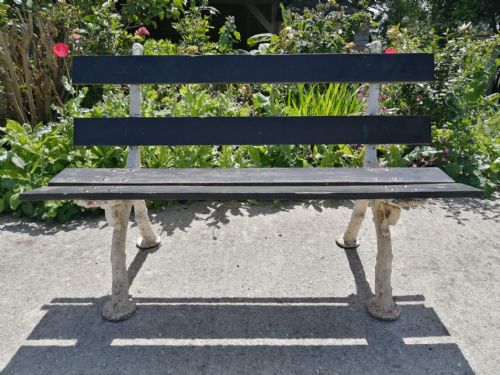
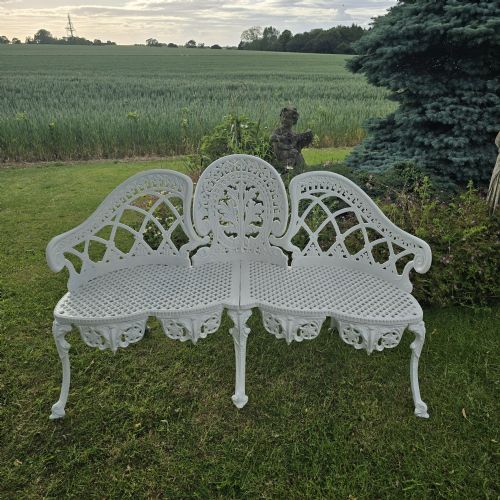
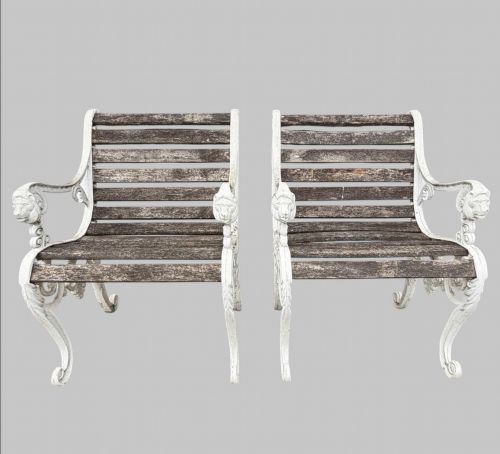
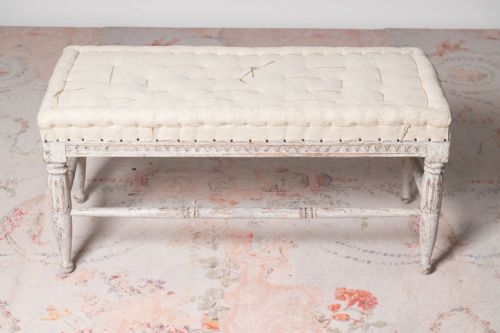
When you search for a white painted bench, you encounter a varied selection of seating forms spanning several centuries, including garden benches, settees, settle benches, and window seats. These pieces originate from diverse European traditions, with English and Swedish examples featuring prominently.
The materials range from robust cast iron and wrought iron for outdoor settings to timber, pine, and fabric-upholstered frames for interior use. Victorian garden seats and Scandinavian country settees form the core of what appears in daily selection.
How they were made
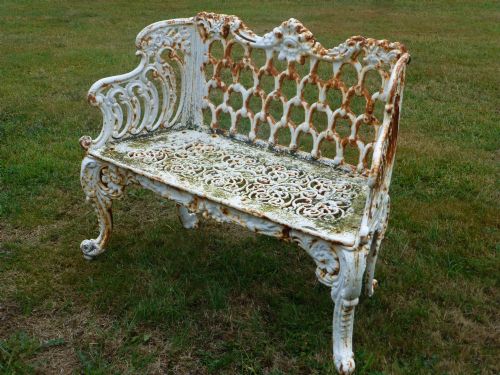
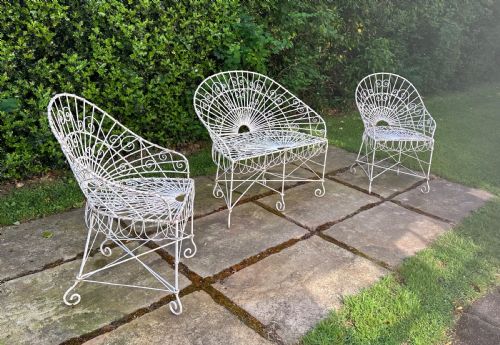
Foundries utilised cast iron and wrought iron to form intricate outdoor furniture, often producing botanical patterns like blackberry, leaf, and faux bois designs through specialised moulding techniques. Artisans also constructed country pine and timber frames by hand, joining structural elements with traditional methods.
The painted finish serves as both protection and decoration across these items. Iron pieces received protective layers, while wooden furniture, particularly Swedish Gustavian pieces, often display layered paint applications that have aged over decades.
White Painted Bench Retail Price Guide 2026
Typical asking prices for white painted bench among the pieces listed under this phrase on Sellingantiques today, from the lower quarter to the upper quarter. They describe what is for sale here now, not the wider market.
Several pieces feature elephants and blackberry leaves, proving that nineteenth-century foundry workers loved botanical details as much as exotic wildlife.
What varies in quality
The distinction between standard examples and superior pieces rests on the crispness of iron castings and the finesse of decorative detail. Foundry work showing sharp relief in patterns like strapwork or foliage demonstrates higher craftsmanship than softer, later reproductions.
Proportion and original construction integrity dictate value in wooden and upholstered furniture. Pieces retain greater merit when joinery remains solid and surface patination reveals genuine age rather than recent heavy intervention.
Falkirk Carron Foundry·Coalbrookdale
The White Painted Bench Glossary
- Gustavian
- The Swedish neoclassical style associated with light colour palettes, restrained carving, and symmetrical lines. This design movement flourished during the late eighteenth century and influenced Scandinavian furniture making for generations.
- Faux bois
- An artistic imitation of wood grain executed in materials such as cast iron or stone. Victorian foundries utilised this technique extensively to create garden seats that mimic natural timber branches.
- Strapwork
- A decorative motif resembling intersecting flat leather bands or metal ribbons. Iron garden benches frequently employ this geometric pattern across backrests and seats.
- Settle bench
- A traditional wooden seat featuring a high back to block drafts and enclosed sides or storage beneath. These practical forms appear in country house settings.
- Canapé
- A decorative settee or sofa featuring an upholstered back and seat supported by exposed wooden framing. French examples often showcase carved details from the nineteenth century.
White Painted Bench: Frequently Asked Questions
Where should I place a cast iron bench?
Cast iron benches suit outdoor locations such as garden lawns, courtyards, or gravel paths because their heavy metal construction withstands weather exposure.
For longevity, position them on hard, level ground to prevent moisture rising into the base and check the painted surface periodically for weathering.
How do I identify a Gustavian bench?
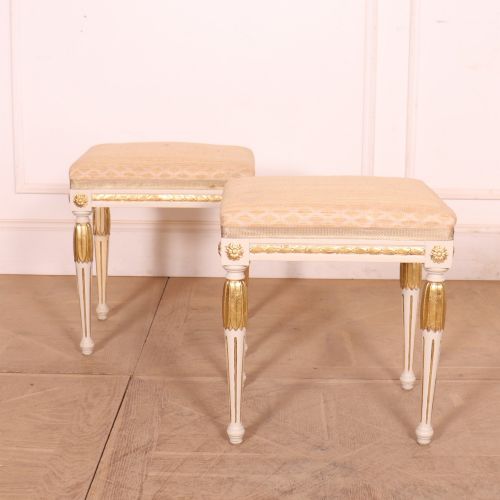
Gustavian benches typically exhibit pale painted finishes, fluted legs, and neoclassical motifs influenced by French styles interpreted through a Scandinavian sensibility.
Look for hand-carved details like rosettes or reeding combined with simple, balanced proportions characteristic of late eighteenth and early nineteenth-century Swedish craftsmanship.
Can I use an antique garden bench indoors?
Iron or wooden garden benches adapt well to interior spaces like sunrooms, boot rooms, or spacious hallways when paired with seat cushions for comfort.
Ensure the dimensions fit your room and protect delicate interior flooring from iron feet using discreet pads.