




White Opaline Shade Lamp
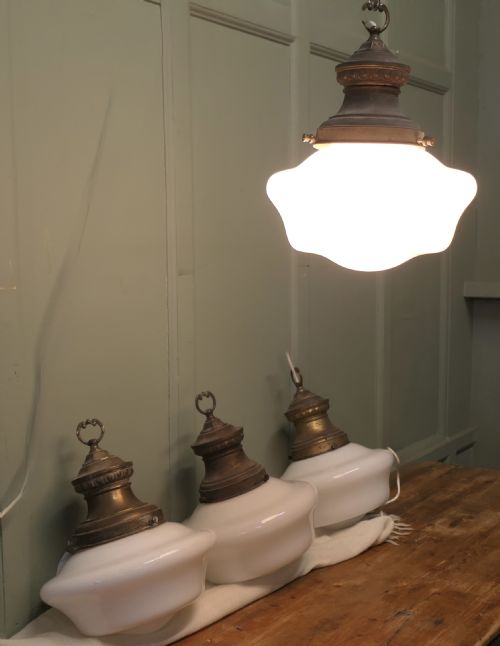
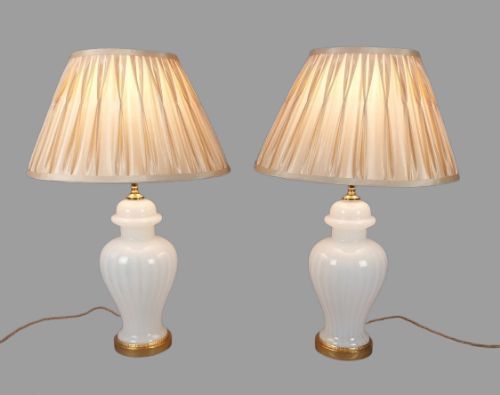
White opaline shade lamp lighting provides a diffused, soft glow using milky glass paired with brass, chrome, or enamel mountings.
White Opaline Shade Lamp
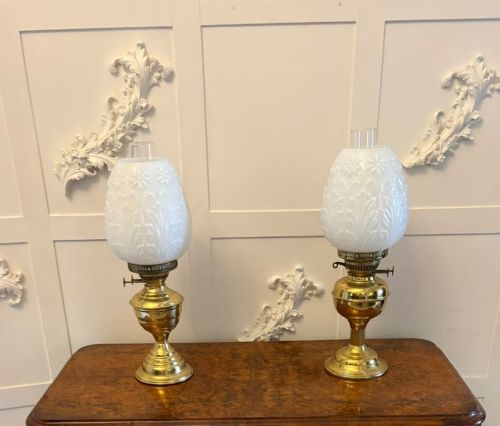
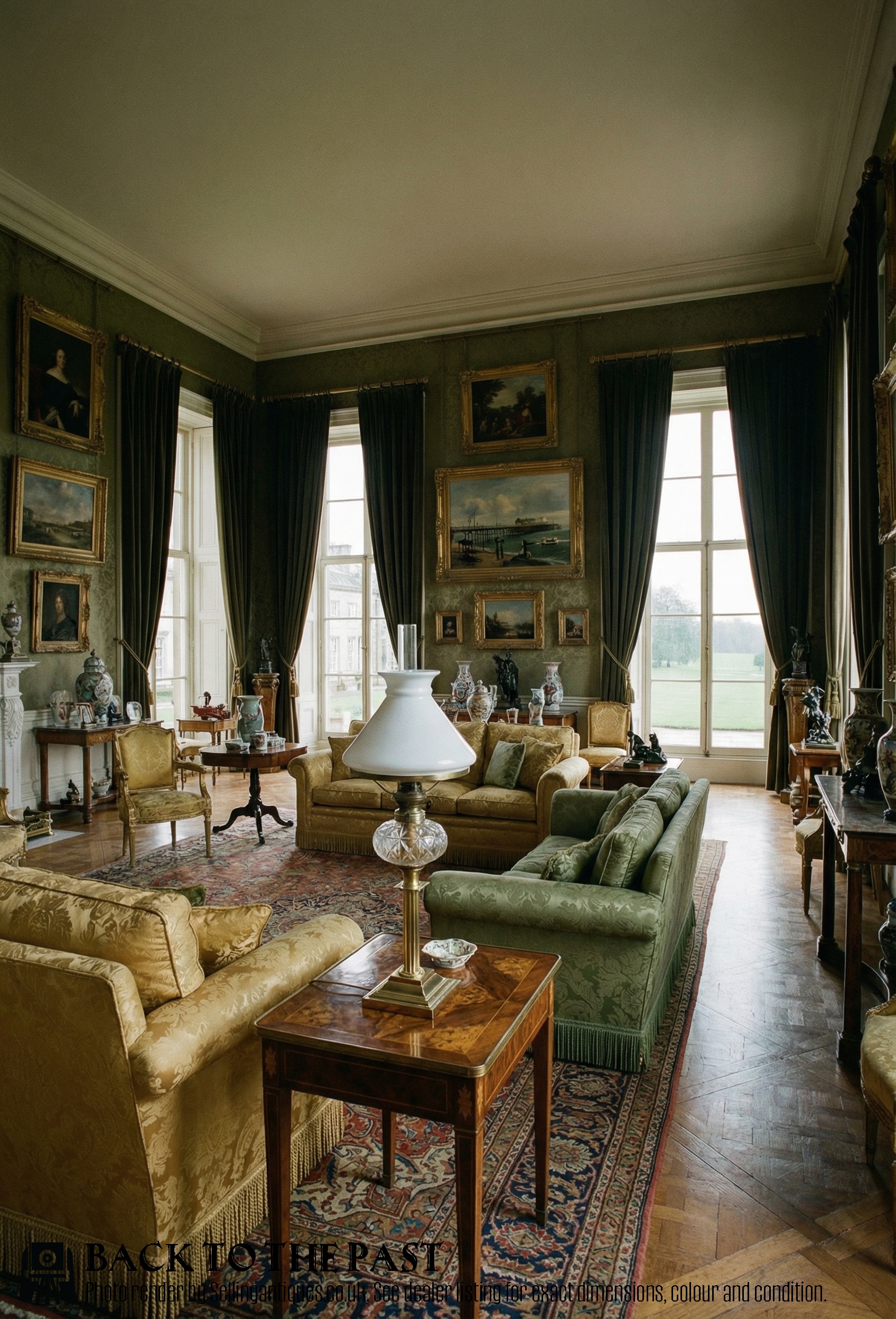
A white opaline shade lamp brings together historical utility and soft illumination through milk glass diffusers paired with structural metal bases. When searching for a white opaline shade lamp, buyers encounter forms ranging from converted oil lamps to industrial pendants and table lighting spanning the Victorian, Edwardian, and Art Deco periods. These pieces serve functional lighting roles while displaying distinct period silhouettes shaped by brass or chrome mountings.
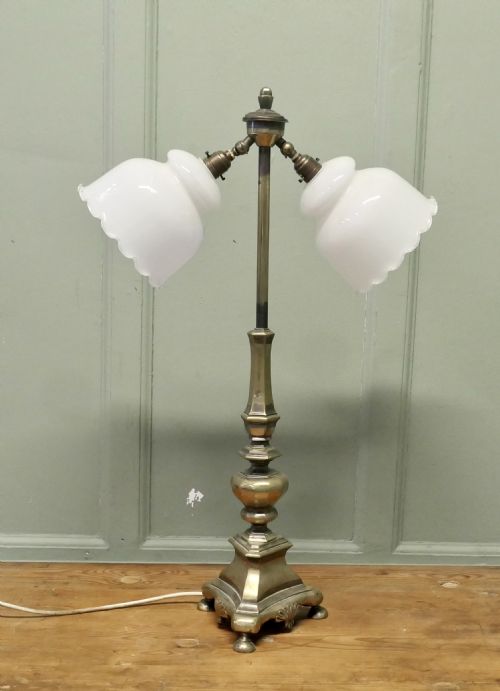
The selection on this page centres on items originating from the late nineteenth century through to the 1930s. Common configurations include hanging ceiling pendants, wall-mounted hallway lights, and desk lamps featuring conical, pear-shaped, or reeded white glass shades. French origins appear frequently alongside English examples, reflecting the widespread European production of opaline glass during these decades.
Materials and Construction
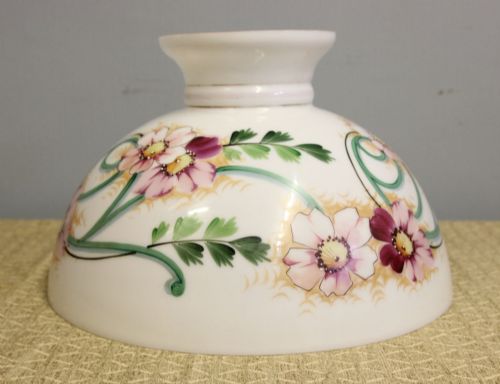
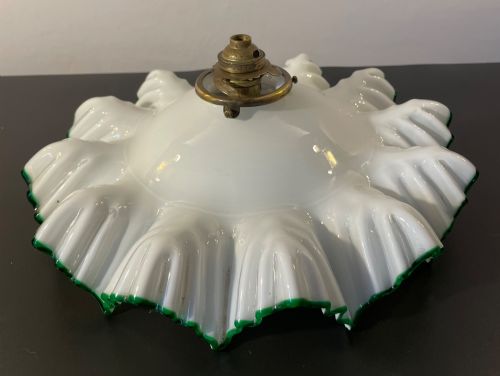
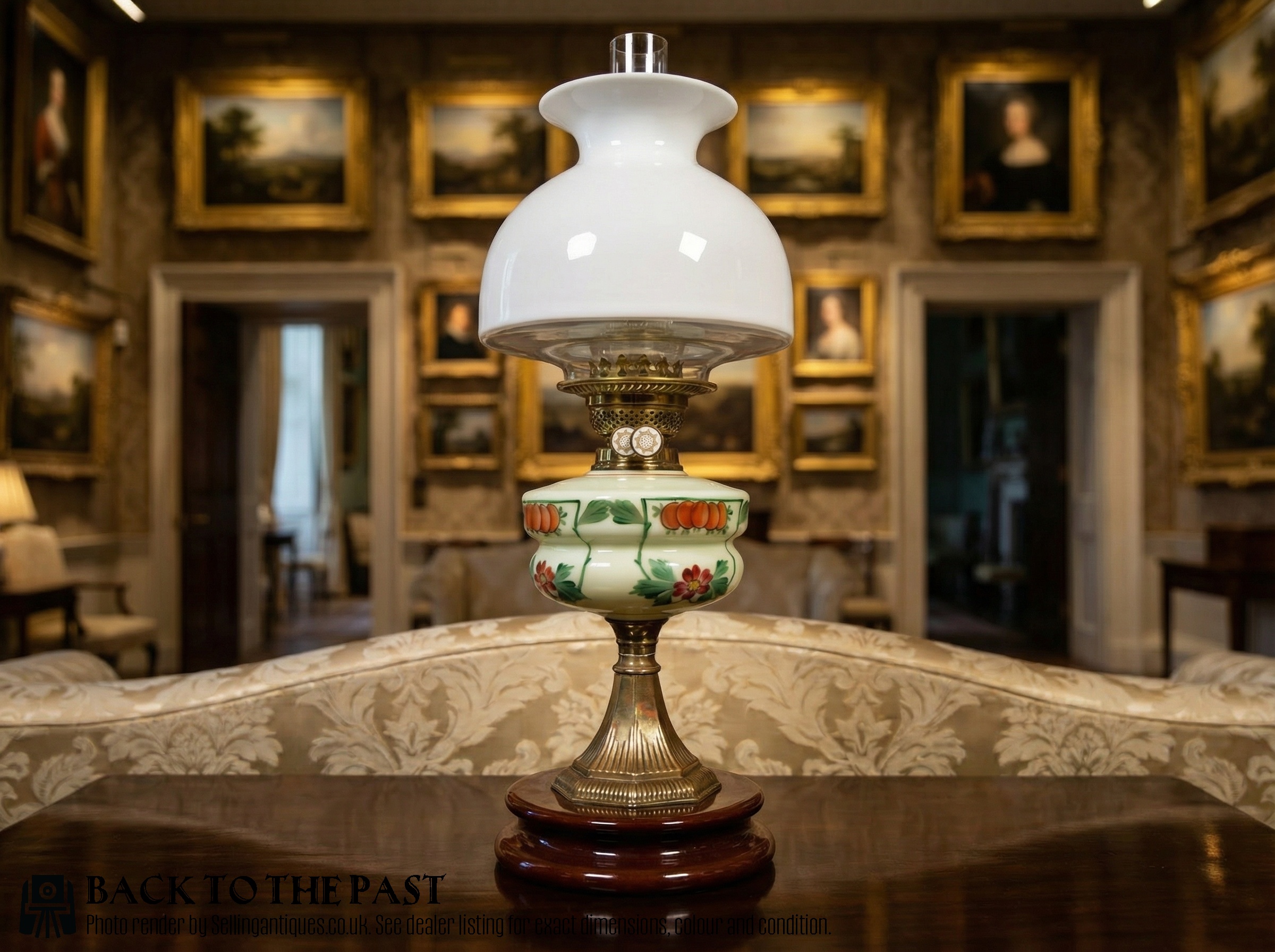
The primary material defining these pieces is opaline glass, a dense, translucent white glass created by adding opacifiers to the molten batch. This technique diffuses light evenly without harsh glares, producing the characteristic milky appearance seen across the shades. Glassmakers shaped these components by hand or in moulds to achieve forms like frilled edges, conical profiles, and fish-scale textures.
Metal components provide the structural framework, predominantly utilising brass, chrome, and ormolu. Brass fittings are common in Victorian and Edwardian iterations, often combined with heavy cast bases or oil reservoir collars. Later pieces from the 1930s incorporate chrome and enamel elements that align with Art Deco and industrial design aesthetics.
Some Edwardian oil lamps survived by being wired for electricity, trading paraffin for a lightbulb while keeping the brass burner intact.
Factors Defining Quality
Quality in these lighting fixtures rests on the weight and purity of the opaline glass used for the shade. Superior examples display an even density in the white glass without thinning spots, alongside crisp moulding or hand-finished details such as delicate frilled rims. The thickness of the glass contributes directly to durability and the quality of the diffused light output.
Engineering of the metal mounts and brass or chrome fittings also determines the standing of a piece. Finer examples feature robust, well-cast brass or solid metal components that securely anchor the glass without stress fractures. Original wiring components, though frequently updated for safety, retain superior metal turning and joint construction in better-preserved specimens.
The White Opaline Shade Lamp Glossary
- Opaline Glass
- A translucent white milk glass developed to diffuse light softly while concealing the internal light source. It forms the primary component of the shades found on these lamps.
- Pricket Lamp
- A type of candle or electric lamp featuring a sharp spike or pin on which a candle or holder is secured. In this context, it describes the upright metal support style of certain table lamps.
- Ormolu
- Gilt bronze created by applying a finely ground high-carat gold-mercury amalgam to a bronze object. This decorative surface treatment appears on select French metal mounts.
- Reeded Design
- A decorative moulding consisting of parallel convex strips placed side by side. This surface pattern frequently encircles the body of opaline glass shades to catch the light.
White Opaline Shade Lamp: Frequently Asked Questions
How do I clean an opaline shade?
Clean the glass gently using warm water and a mild dish soap with a soft cloth. Avoid harsh chemical cleaners or abrasive scouring pads that can damage the surface.
Dry the shade thoroughly with a lint-free towel before reattaching it to the metal mount. Take care with older brass or chrome fittings to keep cleaning solutions away from aged metal patinas.
Are these lamps safe for modern wiring?
Many vintage and antique lamps retain older electrical components that require rewiring to meet contemporary safety standards. Qualified electricians can easily update internal cords and lamp holders while preserving the original exterior hardware.
Inspecting the internal wiring before regular use ensures safe operation in domestic settings. Professional rewiring protects the historic integrity of the fixture while providing reliable daily lighting.
What periods do these lamps come from?
The available lighting spans from the Victorian and Edwardian eras through the Art Deco period and the 1930s. Victorian and Edwardian examples often feature heavy brass oil lamp conversions and frilled shades.
Later 1930s pieces typically embrace cleaner lines, featuring chrome fittings, geometric conical shades, and industrial pendant forms. Each era utilises opaline glass differently to suit prevailing interior design trends.
Can I replace a broken shade?
Finding an exact period replacement for a broken opaline shade presents challenges due to the specific hand-blown techniques and historical dimensions involved. Measurements of the fitter rim diameter must match the metal gallery precisely.
Matching the density and tone of historical opaline glass requires careful searching through specialist antique dealers. Many collectors prefer to source complete original pieces to maintain authenticity.