


White Marble Head Sculpture
A white marble head sculpture brings classical dignity into a room, capturing portraiture and myth in carved stone.
White Marble Head Sculpture
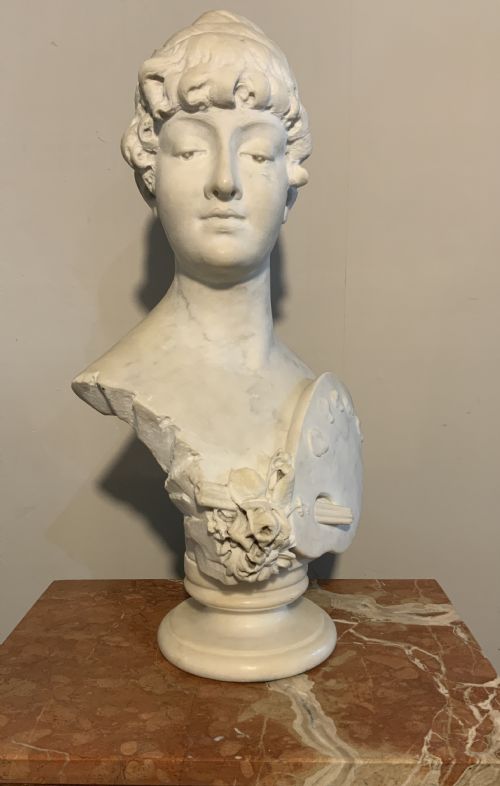
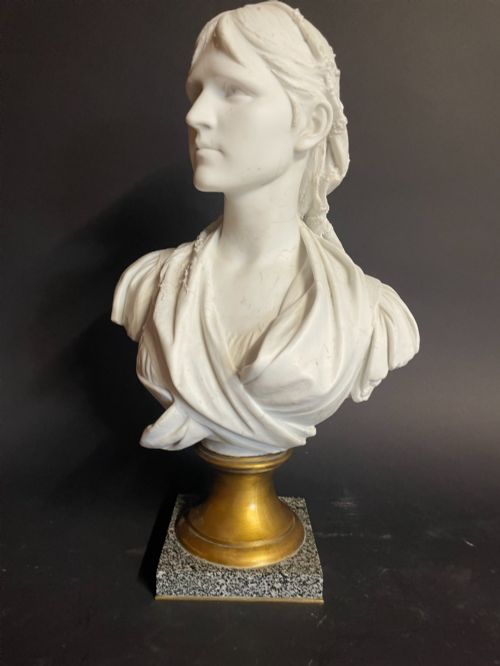
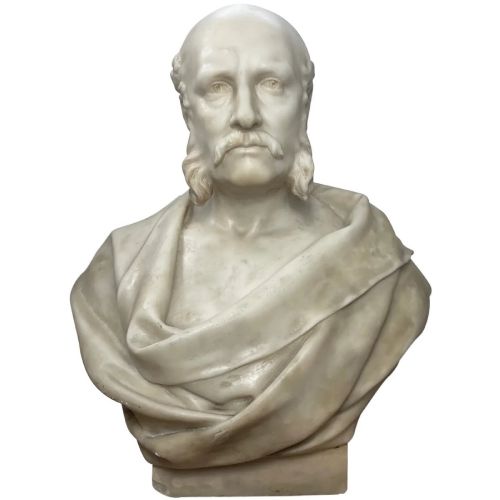
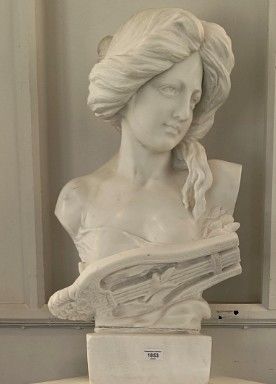
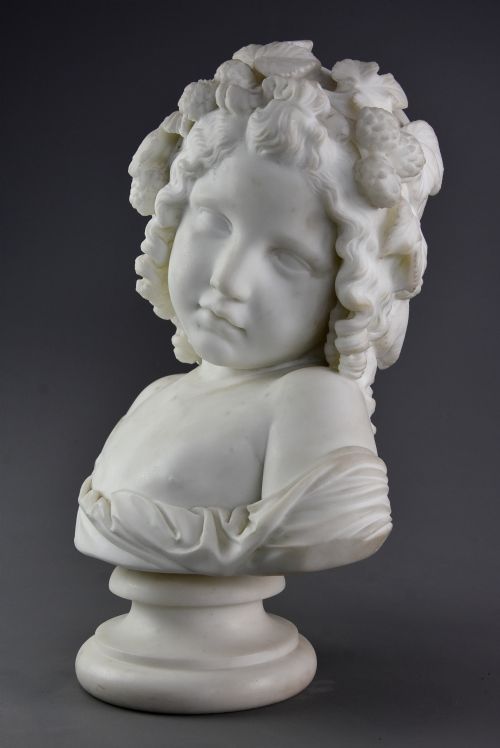
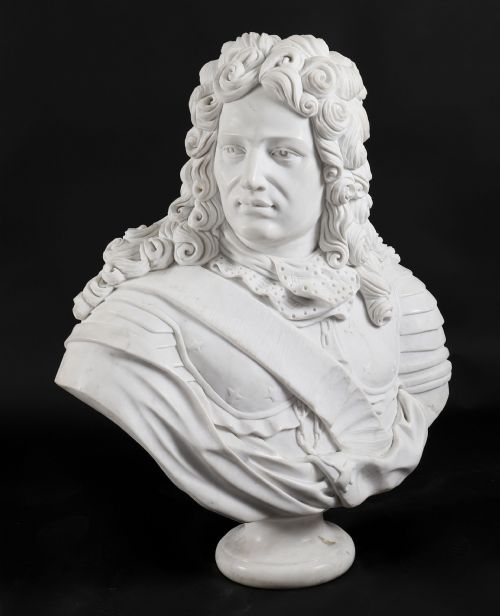
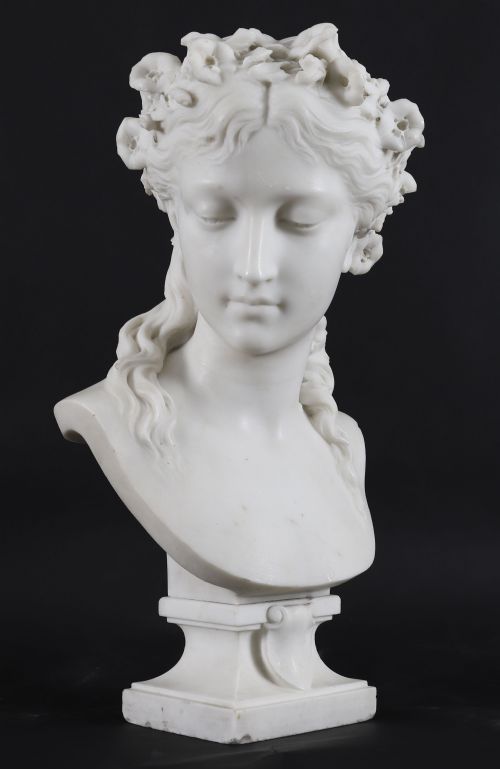
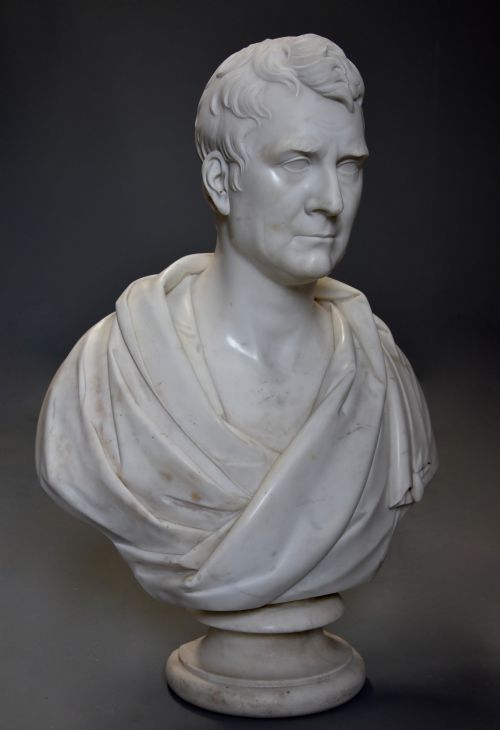
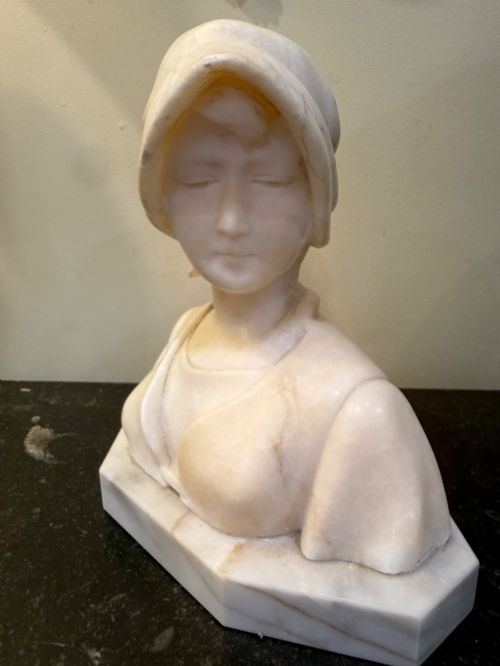
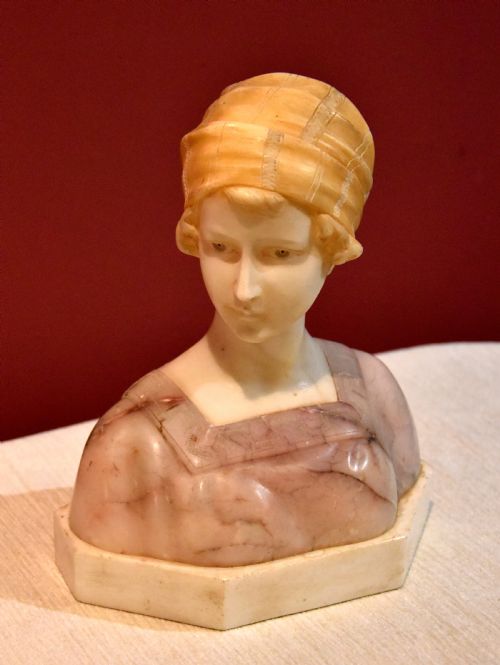
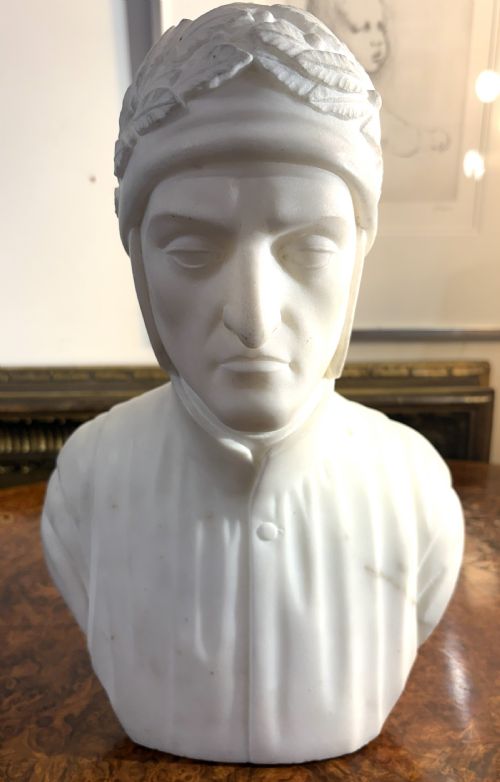
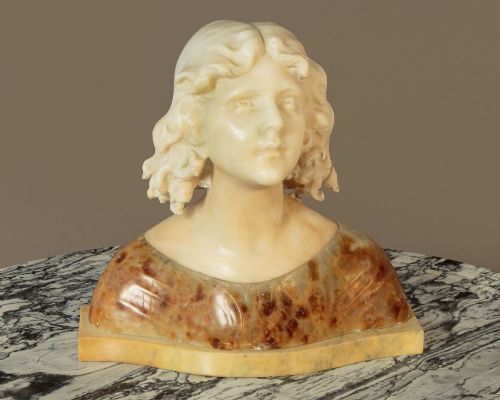
A white marble head sculpture primarily takes the form of portrait busts and carved figures depicting ladies, noblemen, philosophers, and figures from classical mythology.
The versions most frequently met on this page originate in the nineteenth century, reflecting Victorian and Neoclassical tastes for historical and literary subjects.
Works range from monumental civic portraits of named historical figures to library busts of poets and idealized studies of young women.
Materials and carving techniques
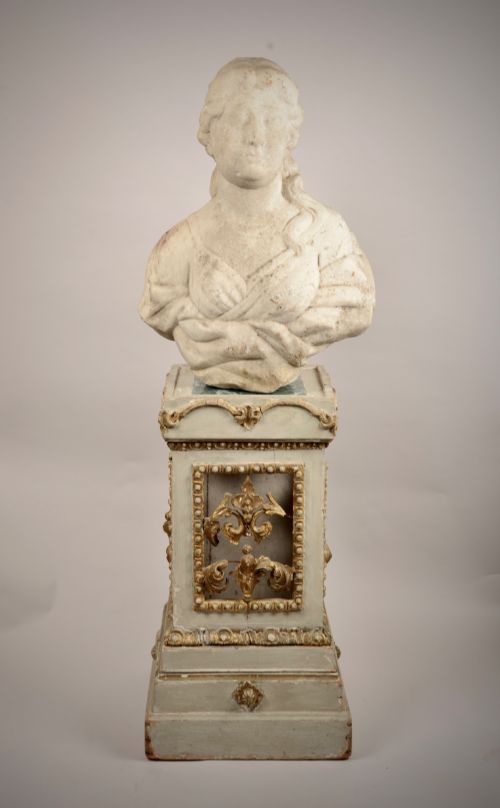
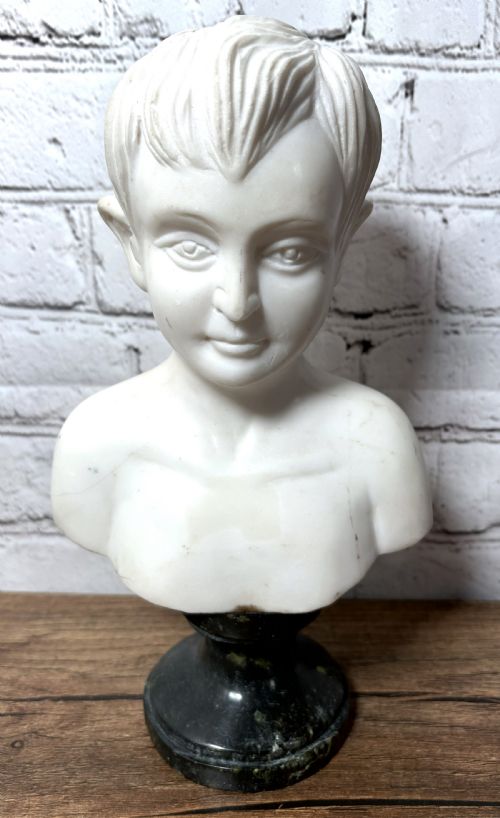
Sculptors utilised Carrara marble, standard white marble, and alabaster, frequently mounting the carved heads on contrasting bases made from materials such as vert de mer marble or giltwood.
Many pieces show hand-carved detailing executed after classical models or signed by established nineteenth-century European sculptors and foundries.
The listings on this page include materials such as Carrara marble, standard white marble, alabaster, brass, granite, and giltwood.
Quality factors in carved stone
Execution of facial expression, hair texture, and drapery separates standard decorative works from master-carved portraiture attributed to known nineteenth-century artists.
The purity and consistency of the white marble block, combined with the presence of signature inscriptions or foundry marks, dictate the standing of a piece.
Eugene Aizelin·Houdon·J Francis·Auguste Henri Carli·John Wenlock Rollins·Mieczyslaw Leon Zawiejski·Auguste Moreau·G.V. Vaerenbergh
The White Marble Head Sculpture Glossary
- Bust
- A sculpted representation of a person's head, shoulders, and upper chest. This format dominates the current selection of stone portraits.
- Carrara marble
- A type of white or blue-grey marble from the city of Carrara in Italy. It is favoured by classical sculptors for its fine, uniform grain.
- Alabaster
- A fine-grained, translucent stone often used for nineteenth-century portrait busts. It offers a softer texture than standard marble.
- Neoclassical
- A style originating in the eighteenth century that draws inspiration from the art and culture of classical antiquity. Many nineteenth-century portrait busts follow this aesthetic.
- Relief sculpture
- A sculptural technique where the figures project from a flat background. Certain entries on this page present head and shoulders in this format.
White Marble Head Sculpture: Frequently Asked Questions
What periods do these marble heads represent?
The listings span from the seventeenth century through to the twentieth century, with a strong concentration of nineteenth-century Victorian and Neoclassical pieces.
Earlier seventeenth-century examples sit alongside Victorian library busts and twentieth-century interpretations.
How should I display a marble bust at home?
These heavy stone sculptures require stable surfaces such as heavy sideboards, pedestals, or dedicated library shelving to support their weight safely.
Placement away from direct heat sources helps protect the integrity of the carved marble and alabaster surfaces.
Are these sculptures signed by artists?
Several pieces feature carved signatures, stamps, or inscriptions from nineteenth-century European sculptors and studios.
Signed works frequently attribute the carving to named portraitists or classical models.
What is the difference between marble and alabaster?
Marble is a metamorphic rock formed from limestone, known for its density and durability in portrait sculpture.
Alabaster is a softer, more translucent mineral that sculptors utilised for finer, light-permitting details on nineteenth-century busts.