



White Marble Base Bronze
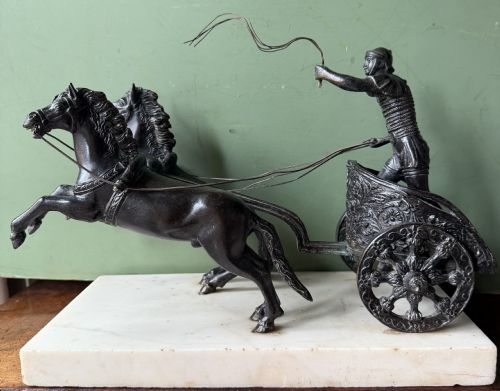
White marble base bronze works combine cast metal figures with pale stone plinths to bring neoclassical elegance and classical forms into interiors.
White Marble Base Bronze
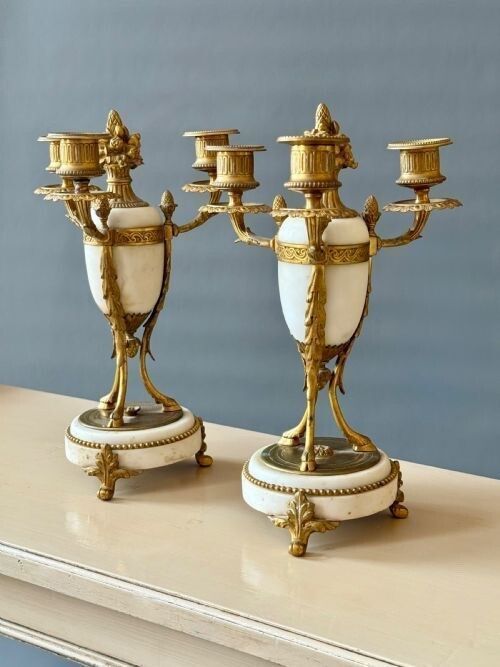
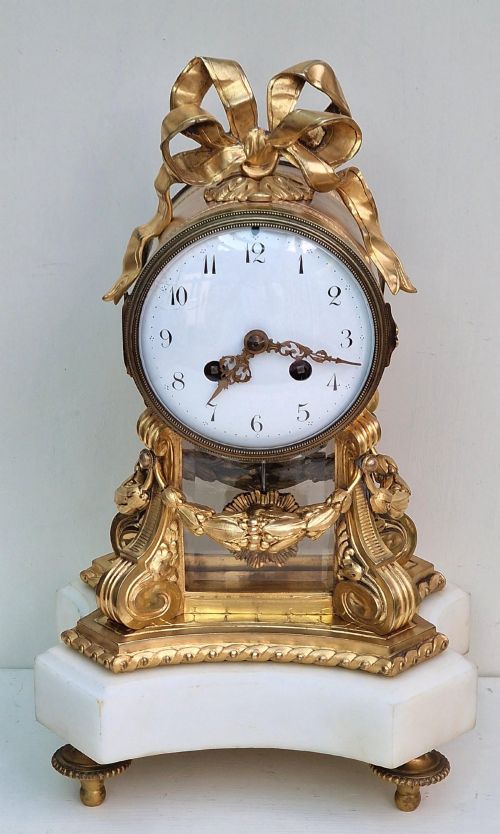
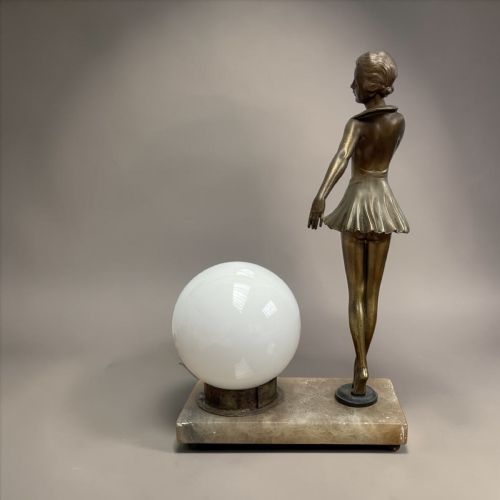
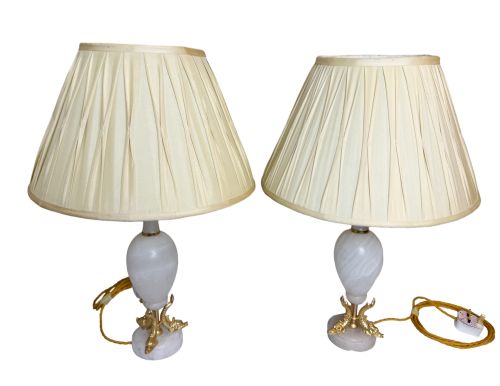
White marble base bronze items encompass figural sculptures, mantel clocks, table lamps, and candelabra produced across the nineteenth and early twentieth centuries. These objects combine cast bronze figures with contrasting white marble, Carrara marble, or onyx plinths.
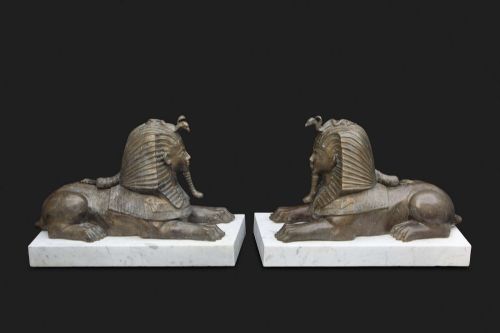
The versions most commonly met include French mantel clocks adorned with gilt bronze mounts, pairs of putti candelabra, and nineteenth century animalier studies. Makers utilised styles ranging from Louis XVI and French Neoclassical to Art Deco and Egyptian Revival.
Grand Tour souvenirs and mythological subjects such as Perseus appear alongside practical lighting fixtures and decorative coffee tables. The heavier architectural pieces often feature stepped or plinth bases in contrasting dark and pale stone.
How they were made
Foundries cast bronze figures using traditional methods, frequently applying gilt, ormolu, or silvered finishes to the metal surface. Spelter also appears as a substitute for bronze in certain twentieth century lighting pieces.
Plinths and bases were hand cut from solid blocks of white marble, Carrara marble, portoro marble, or onyx, then polished to receive the metal mounts. Craftsmen secured the heavy bronze sculptures to the stone foundations using threaded bolts and pins.
A startled fox meets its match on a nineteenth century base, proving that even heavy metal hounds need a solid marble footing.
What varies in quality
The definition and depth of the bronze chase work separate superior castings from simpler commercial production. Sharply articulated fingers, hair, and drapery indicate skilled hand finishing after the casting process.
The density and uniformity of the white marble or onyx base contribute significantly to the overall weight and balance of the piece. Selected stones show minimal natural fissures and support the metal elements without visible mortar or mounting gaps.
Clovis Masson·Vincenzo Gemito·Claude Clodion
The White Marble Base Bronze Glossary
- Ormolu
- Gilded bronze produced by applying a mercury and gold amalgam to the cast metal surface before heating. This technique creates a durable, warm golden finish seen on nineteenth century clock mounts.
- Animalier
- A nineteenth century sculptural style focused on realistic depictions of animals in naturalistic poses. Artists such as Clovis Masson specialised in rendering hounds, foxes, and wild game.
- Cassolette
- A decorative vessel shaped like a vase, designed with a reversible lid that functions either as an urn or a candleholder. These objects frequently rest on marble plinths with gilt bronze trim.
- Grand Tour
- A traditional trip undertaken by wealthy young Europeans to study classical antiquities and art. Souvenirs from these travels included small bronze studies of ancient sculptures mounted on marble bases.
- Spelter
- A zinc alloy used as a cheaper alternative to bronze for figural sculptures and lighting. It accepts patination well but possesses a lighter weight and softer surface detail than true bronze.
White Marble Base Bronze: Frequently Asked Questions
How do I clean a white marble base bronze?
Dust the bronze gently with a soft dry brush and wipe the marble surface using a damp cloth without harsh chemicals.
Avoid commercial metal polishes on patinated or gilt bronze to preserve the original surface finish.
What periods do these pieces come from?
The selection spans from the mid nineteenth century through to the Art Deco era of the 1930s. Earlier examples often reflect Grand Tour neoclassical tastes, while later pieces adopt streamlined modernist geometries.
Stylistic markers such as Egyptian Revival motifs or animalier subjects help narrow down the date of manufacture.
Were these items originally functional?
Many examples served a direct purpose as timekeepers, candleholders, or night light lamps for domestic interiors. Mantel clocks and candelabra formed matching garniture sets designed to sit centrally on a fireplace mantel.
Sculptures and animalier studies were created purely for decorative display on tables and desks.
How can I tell bronze from spelter?
Bronze offers a heavier weight and a cooler touch than zinc alloy alternatives, with crisp chisel marks visible in the cast details. Spelter pieces are softer and may show silvery grey metal beneath worn areas of patination.
Base attachments on genuine bronze works usually feature substantial threaded fixings into the marble.