


White Glazed Porcelain Vase
These white glazed porcelain vase examples bridge centuries of ceramic craft, offering refined forms that bring historical presence to any interior scheme.
White Glazed Porcelain Vase
A white glazed porcelain vase brings together centuries of ceramic history, ranging from 17th century pieces to later Victorian examples. Buyers seeking a white glazed porcelain vase will encounter various forms, including traditional bottles, spill vases, and converted table lamps.
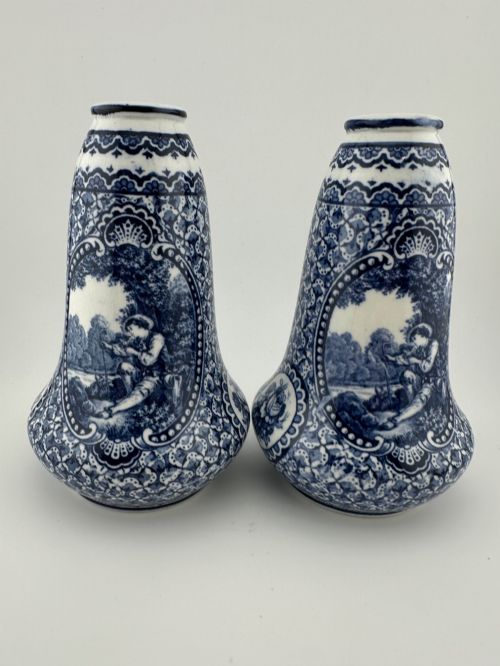
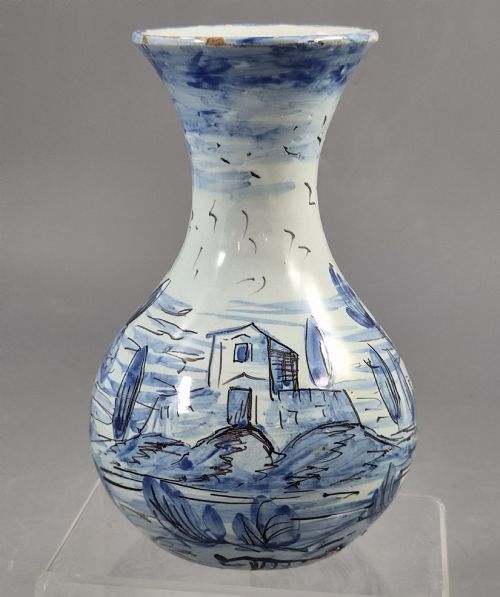
The selection on this page demonstrates broad geographical origins, spanning European potteries and traditional Chinese dynasties. Many items display intricate painted decoration over the white ground, particularly blue and white motifs inspired by Chinese export ware and Dutch Delft traditions.
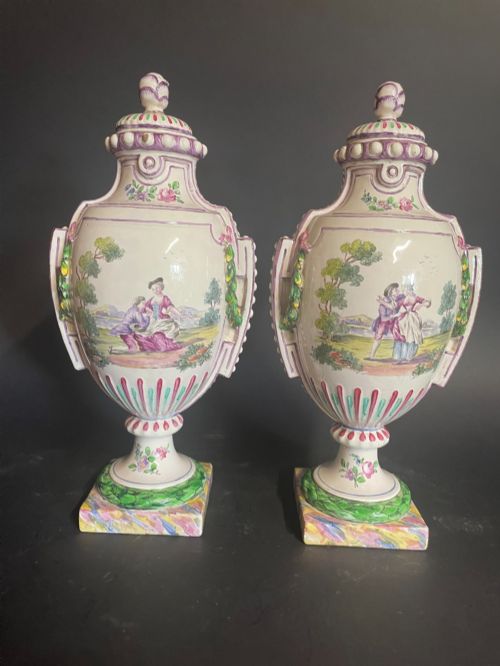
Vessels take many shapes, from slender cabinet items to monumental baluster forms and lidded jars. Alongside standard porcelain, the inventory includes related ceramic bodies like earthenware, tin-glazed faience, and maiolica sharing similar white glazed surfaces.
Materials and production methods
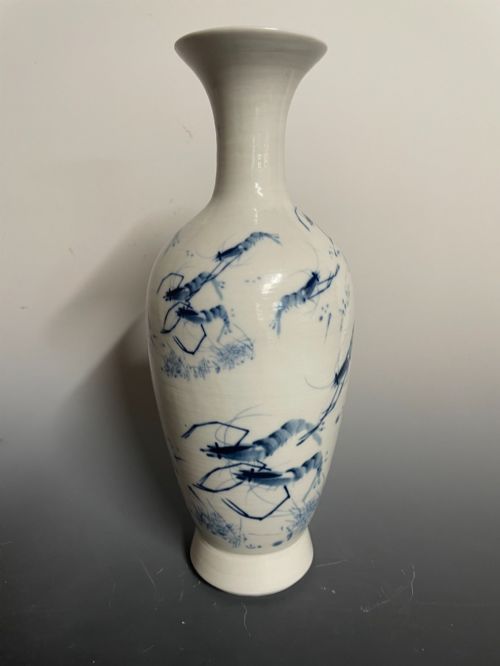
Makers shaped these objects using fine clay bodies, primarily porcelain and tin-glazed earthenware, fired at high temperatures to achieve durable structures. Artisans applied smooth white glazes, sometimes incorporating crackleware effects or delicate cobalt blue decoration beneath and over the surface.
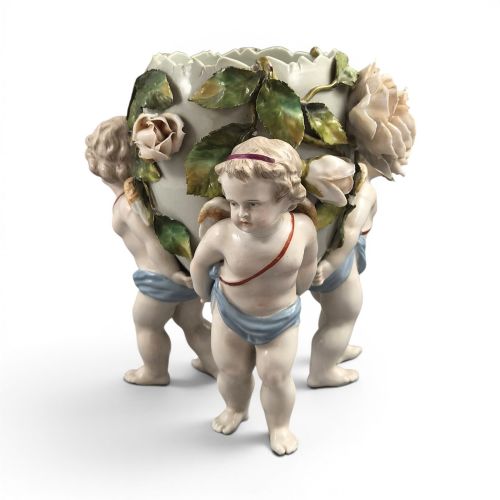
Certain items incorporate secondary materials such as brass mounts or fabric elements, particularly those adapted into table lamps during later periods. Hand-painted details and moulded elements like cherubs or floral motifs demonstrate the specific technical capabilities of European and Asian workshops.
Listings span multiple centuries, incorporating 17th century Delft alongside 19th century Victorian porcelain and Chinese Qing Dynasty production.
Judging quality in historic ceramics
Quality rests upon the crispness of the moulded form and the evenness of the white glaze application. Superior examples display refined brushwork in any underglaze decoration and careful control during the kiln firing process.
The presence of historic factory marks or signatures adds historical weight, while the preservation of original lids on jars and urns elevates the completeness of the piece. Adaptations into lamps alter the original function but reflect historical patterns of domestic use.
The White Glazed Porcelain Vase Glossary
- Baluster vase
- A vessel with a rounded body that tapers toward the base and swells outward before narrowing again at the neck. This distinctive silhouette appears frequently in traditional Chinese and European pottery.
- Spill vase
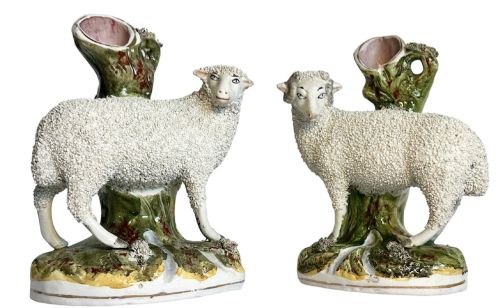
- A small cylindrical container designed to hold thin wooden spills used for lighting candles and fires. These functional items often took decorative animal or figural forms.
- Tin glaze
- An opaque white glaze produced by adding tin oxide to a lead glaze formula, providing a smooth surface for painted decoration. It defines the appearance of majolica, delftware, and faience.
- Crackleware
- Pottery featuring a network of fine deliberate cracks in the glaze layer, created during the cooling process. This technique originated in historic Chinese kilns and influenced later revival styles.
- Maiolica
- European tin-glazed earthenware decorated with coloured pigments on an opaque white background. The style originated in Italy and spread across various regional centres.
White Glazed Porcelain Vase: Frequently Asked Questions
How do I date a ceramic vase?
Dating relies on examining the characteristics of the clay body, the formulation of the glaze, and any painted or impressed marks on the base. Stylistic details such as transitional shapes or specific revival motifs provide further chronological clues.
Comparison with documented pieces from known periods helps narrow down the decade of production. Examining the wear patterns on the base offers additional context regarding age.
Were these vases used for flowers?
Many historic vessels served primarily as decorative garnitures or mantel ornaments rather than utilitarian flower holders. Specific forms like spill vases had dedicated domestic purposes in lighting fires before matches became common.
Larger urns and jars functioned as architectural accents within period interiors. Their survival often depends on this decorative role rather than heavy daily use.
What is the difference between porcelain and earthenware?
Porcelain uses refined white clay fired at very high temperatures until the material becomes vitrified and non-porous. Earthenware employs more porous clay bodies requiring a glaze, such as tin glaze, to hold liquids.
Porcelain pieces generally exhibit greater thinness and translucency compared to heavier earthenware vessels. Both materials support the white glazed surfaces found across these listings.
How should I care for antique ceramics?
Historic ceramics require gentle dusting with a soft, dry cloth to prevent accumulation of particulate matter. Avoid immersing pieces with old repairs, metal mounts, or electrical lamp conversions in water.
Display vessels away from direct sunlight and areas subject to sudden temperature fluctuations. Stable indoor environments protect delicate glazes and painted surfaces from degradation.