




Cobalt Blue Porcelain Bottle
A cobalt blue porcelain bottle brings rich underglaze depth and striking pigment to a shelf, uniting utility and display.
Cobalt Blue Porcelain Bottle
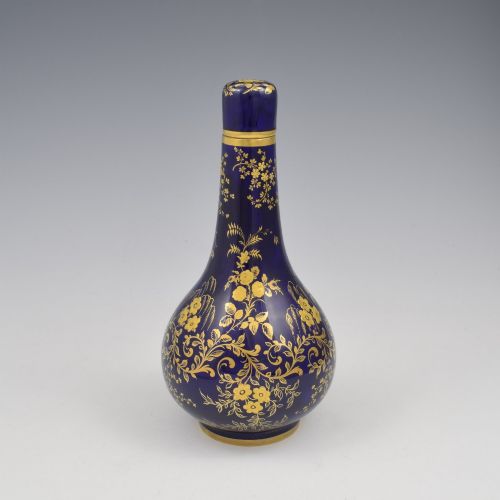
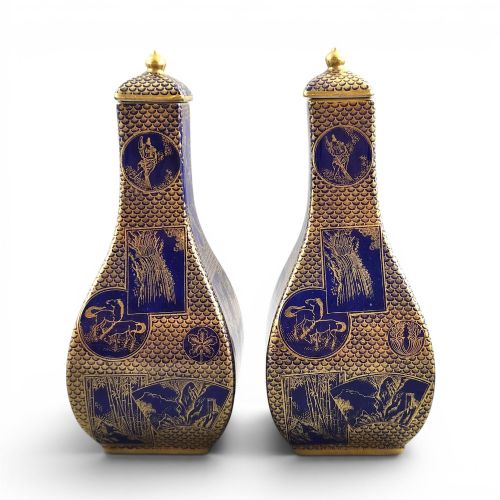
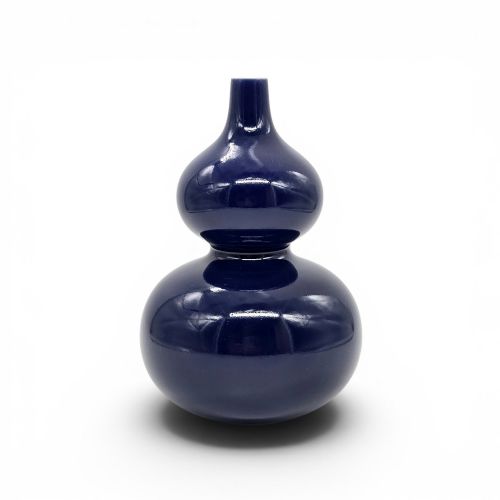
A cobalt blue porcelain bottle spans centuries of ceramic history, from Georgian ironstone and Regency rose water sprinklers to Chinese export wares bearing reign marks. These vessels take various forms including miniature scent bottles, double-gourd shapes, and garniture vases.
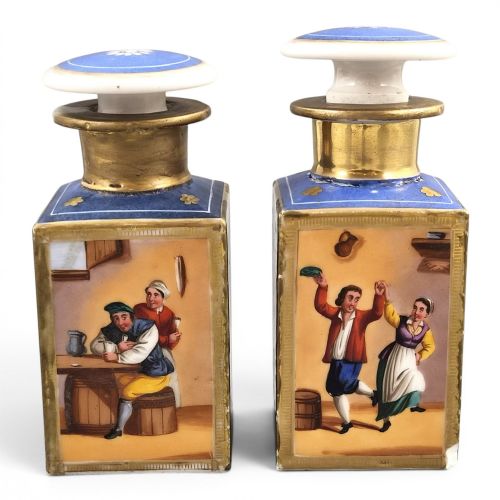
The pieces appearing on this page range from nineteenth-century European interpretations like Derby and Jacob Petit to earlier Asian examples featuring dragons or floral motifs. Buyers encounter both single cabinet items and matched pairs designed for mantelpiece display.
Materials and construction
Makers shaped these vessels from fine ceramic and ironstone, applying vibrant cobalt glaze or underglaze blue pigment before firing. Many pieces incorporate supplementary surface enrichment including gold leaf, enamel, and gilt details.
Techniques varied from traditional Chinese throwing and underglaze painting to European factory methods employed by Worcester and Mason's. The interplay between the dense white body and the saturated blue ground defines the visual structure of each vessel.
Object forms range from miniature scent bottles and rose water sprinklers to double-gourd vases and multi-piece garniture sets.
Assessing quality in ceramic bottles
Quality rests in the precision of the cobalt application and the crispness of the porcelain body, distinguishing factory productions from standard commercial wares. The harmony between hand-painted scenes, such as Teniers figures or Chinoiserie motifs, and the surrounding gilt or enamel highlights dictates the standing of a piece.
The integrity of applied gold leaf and the retention of original covers or stoppers further separate exceptional specimens from simpler domestic containers.
Derby Porcelain·Mason's Patent Ironstone·Jacob Petit·Crown Staffordshire·Flight Barr And Barr
The Cobalt Blue Porcelain Bottle Glossary
- Cobalt glaze
- A deep blue metallic oxide pigment fused into the ceramic body during firing. It provides the signature intense coloration seen across these wares.
- Garniture set
- A matched group of three or more vases or vessels traditionally displayed together on a mantelpiece or sideboard. They share decorative themes and forms.
- Ironstone
- A durable, heavy ceramic patent body developed in the nineteenth century to imitate true porcelain while offering greater resistance to chipping.
- Rose water sprinkler
- A specialised bottle featuring a slender neck designed for dispensing perfumed water during dining or social rituals.
- Underglaze blue
- Pigment applied directly to the raw ceramic body before glazing and high-temperature firing, ensuring the decoration remains permanent beneath a glossy protective layer.
Cobalt Blue Porcelain Bottle: Frequently Asked Questions
How are antique porcelain bottles cleaned safely?
Dust these vessels gently with a soft, dry brush to protect delicate gilt and enamel surfaces. Avoid submerging pieces with old repairs or exposed ceramic bodies in water.
Use a damp cloth only on fully glazed areas when necessary, drying immediately with a lint-free towel.
Can these bottles hold liquids today?
Most antique bottles function primarily as decorative objects rather than practical containers for daily use. Hairline fractures or historical adhesives inside the neck can compromise watertight integrity.
Display them empty on stable surfaces to preserve their structural condition over time.
How do I spot a reproduction piece?
Examine the weight, glaze consistency, and base wear to understand the age of the ceramic body. Genuine antique pieces show appropriate surface friction and pigment settling beneath the glaze.
Compare reign marks and factory stamps against known historical examples from the same period.
Where were these cobalt bottles originally displayed?
Owners placed these vessels on mantelpieces, side tables, and within cabinet collections during the Georgian and Victorian eras. Garniture sets particularly suited symmetrical arrangements in formal reception rooms.
Smaller scent bottles and rose water sprinklers lived inside dressing rooms and boudoirs.