



Chinese Porcelain Dragon Vase
A chinese porcelain dragon vase is a ceramic vessel decorated with powerful mythical beasts, prized by collectors for its dramatic imperial iconography and enduring craftsmanship.
Chinese Porcelain Dragon Vase
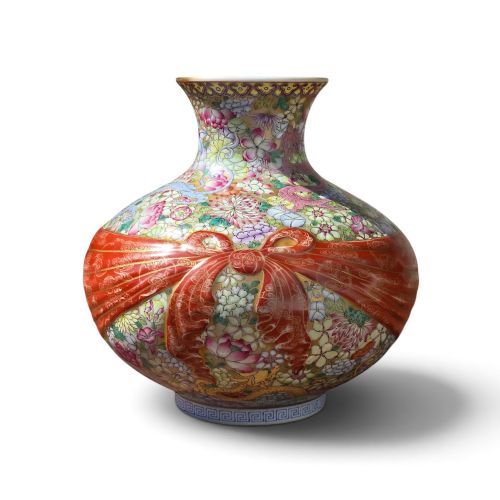
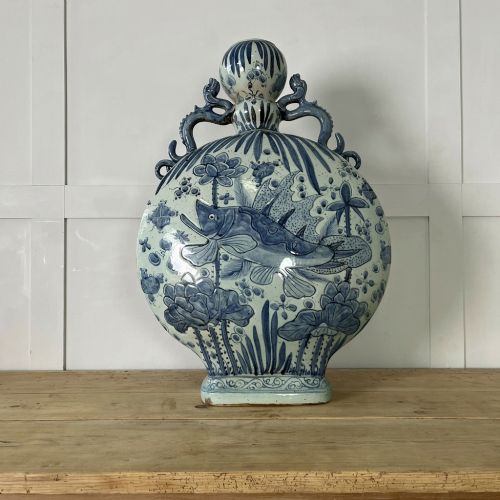
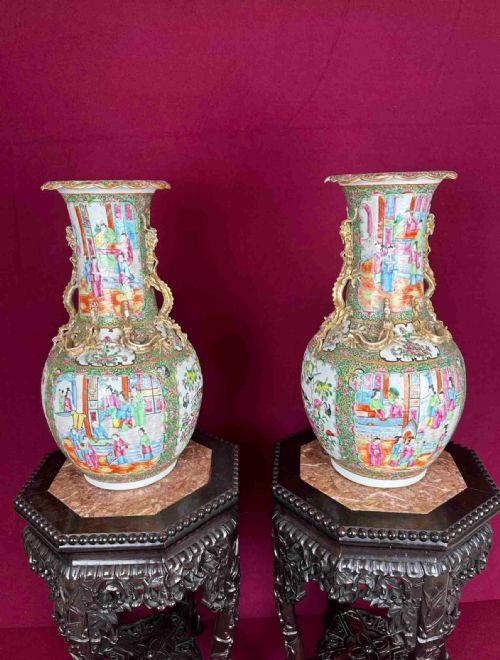
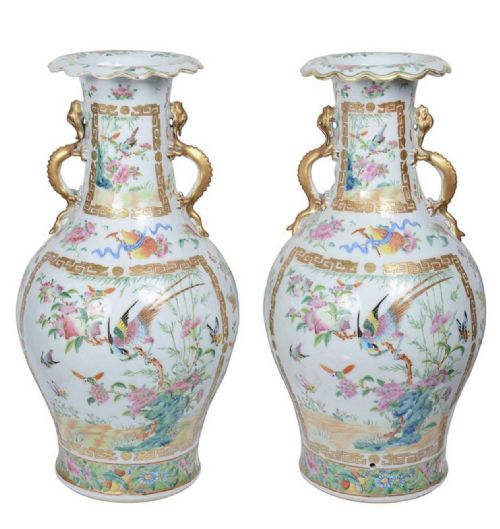
A chinese porcelain dragon vase brings centuries of dynastic symbolism into an interior, often taking the form of large jars, bottle vases, or moon flasks. These vessels range from blue and white underglaze pieces to colourful famille rose examples decorated with detailed imperial dragons.
The pieces available most frequently date from the nineteenth century, including late Qing to early Republic periods, alongside occasional eighteenth-century examples and twentieth-century interpretations. Many of these ceramic vessels have been adapted over time into table lamps, while others survive as traditional mantle or display urns.
Makers and decorators utilised diverse palettes, applying cobalt blue, iron-red, enamel, and gold leaf to porcelain bodies. Collectors encounter both cylindrical forms and bulbous meiping shapes, frequently paired with wooden bases or fitted with gilt bronze mounts.
How they were made
Potters shaped fine porcelain clay on the wheel or in moulds before applying underglaze cobalt or intricate enamel pigments. Kiln firing fixed these colours beneath or above the glaze, sometimes supplemented by subsequent overglaze gilding.
Skilled artists hand-painted ferocious dragons writhing amidst clouds and flames, demanding precise brush control to delineate five-clawed imperial motifs. Artisans also employed cloisonné wirework and carved wooden stands to complement the porcelain bodies.
Dragons on these vases frequently chase flaming pearls through clouds, occasionally counting up to five claws to assert imperial rank.
What varies in quality
The crispness of the dragon painting dictates the upper tier of quality, where scales, claws, and facial expressions are rendered with fierce individuality rather than mechanical repetition. Superior pieces display vibrant, stable enamel colours and deep cobalt underglaze without muddy blurring.
Historical authenticity and condition heavily influence standing, particularly where porcelain bodies remain free from structural repairs. The sophistication of the kiln work, balanced potting proportions, and the presence of coherent period marks further distinguish finer specimens from standard decorative wares.
The Chinese Porcelain Dragon Vase Glossary
- Meiping
- A high-shouldered vase form traditionally used for holding plum blossoms. Its narrow neck expands sharply downward into a generous body.
- Famille Rose
- A vibrant palette of opaque enamel colours dominated by pink tones, introduced during the Qing dynasty. Artisans used this technique to render complex floral and figurative scenes.
- Doucai
- A decorative technique combining underglaze blue outlines with overglaze polychrome enamels. The cobalt elements are fired first, followed by a second, lower-temperature firing for the enamel fills.
- Cobalt Underglaze
- A blue pigment applied directly to the raw porcelain clay before glazing and firing. This method protects the pigment beneath a glossy glass layer.
- Moon Flask
- A flattened circular flask supported on a small base, often featuring two loop handles. It derives its shape from ancient nomadic leather prototypes.
Chinese Porcelain Dragon Vase: Frequently Asked Questions
Were these vases made as lamps?
Many nineteenth-century vases were converted into table lamps during subsequent decades to suit changing domestic interiors. This adaptation frequently involved drilling the base for wiring or adding mounted fittings.
Buyers should inspect whether lamp conversions affected the structural integrity of the porcelain. Unconverted vases remain scarcer and appeal strongly to traditional ceramic collectors.
What do five-clawed dragons signify?
Five-clawed dragons traditionally represented the Emperor and imperial authority in Chinese symbolism. Vessels bearing this specific motif held higher status than those with four-clawed dragons.
This iconography helps historians and collectors gauge the original intended audience or workshop tier of the ceramic piece. The ferocious beasts usually chase flaming pearls amidst swirling clouds.
How should I care for antique porcelain?
Clean antique porcelain gently using a soft, dry cloth to remove dust without disturbing fragile enamel or gilt surfaces. Avoid harsh chemical cleaners or submersion in water, particularly if the piece has metal mounts or old repairs.
Display the vessels away from direct sunlight and high-traffic edges to prevent accidental knocks. Wooden stands and bases should be dusted separately with a fine brush.