

Asian Antiques Porcelain Ceramic
These asian antiques porcelain ceramic pieces range from Ming dynasty celadon censers to Meiji period Kutani dishes, offering collectors historical forms and enduring craftsmanship.
Asian Antiques Porcelain Ceramic
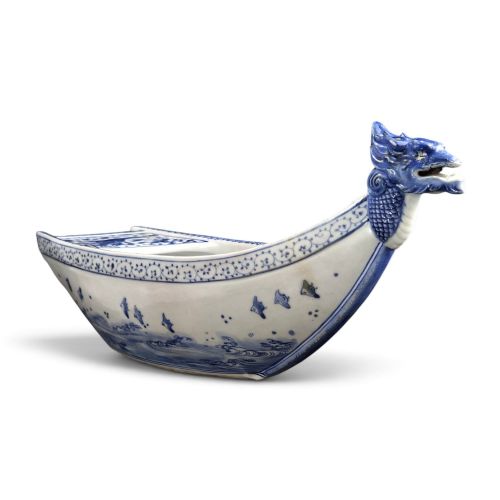
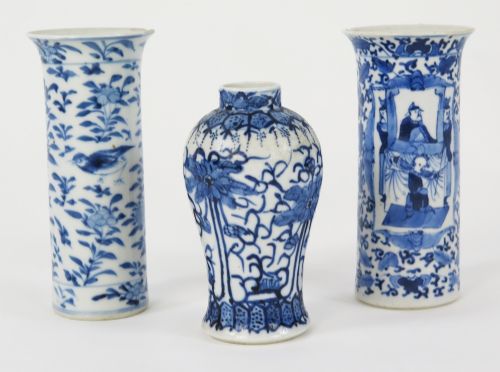
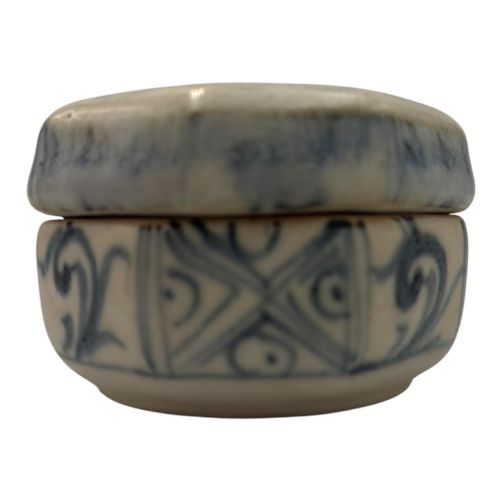
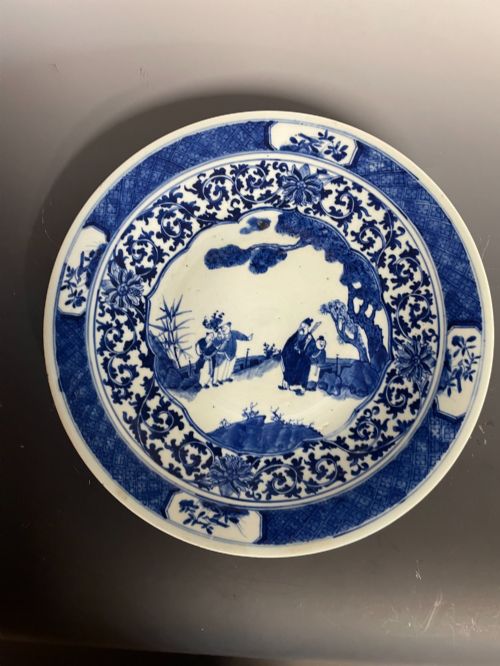
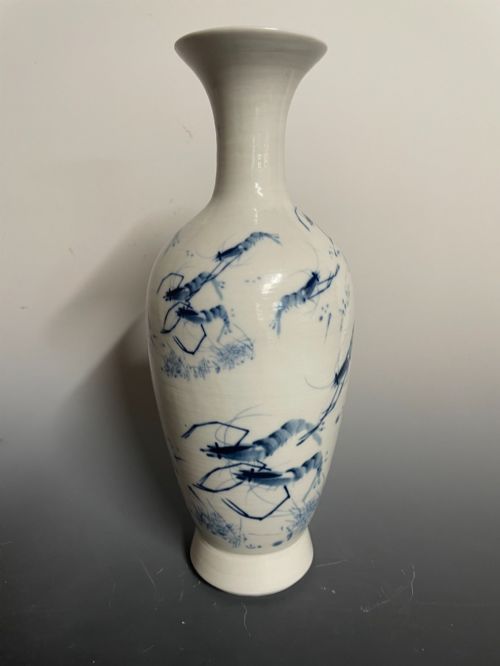
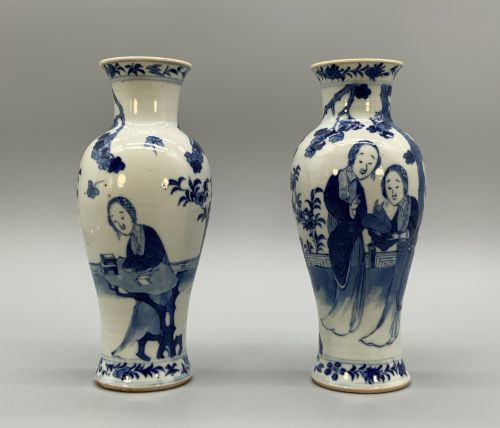
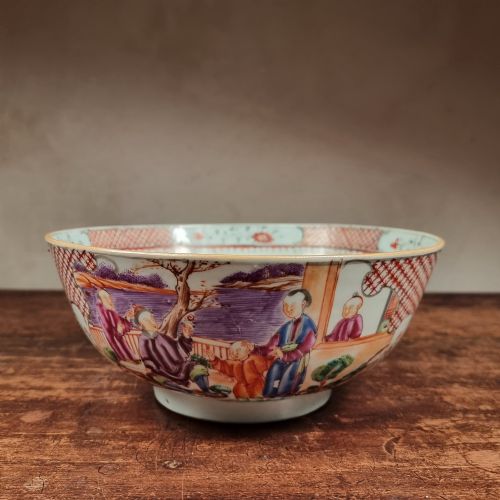
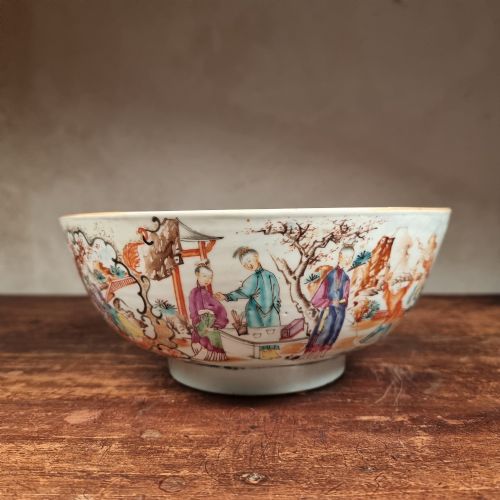
When you search for asian antiques porcelain ceramic, you encounter a diverse range of objects spanning centuries of East Asian artistry. The selection frequently includes Japanese Imari plates, Chinese blue and white vases, and Satsuma decorative bowls originating from the nineteenth and early twentieth centuries.
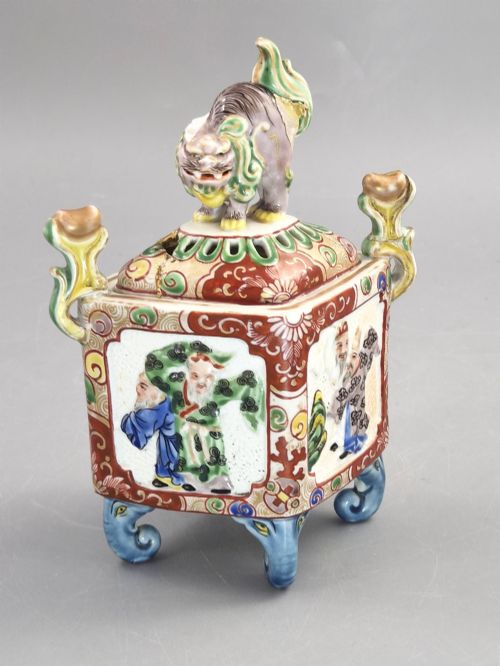
Buyers regularly encounter functional and decorative items such as ginger jars, incense burners, and table lamps converted from earlier vessels. These objects reflect the distinct ceramic traditions of China and Japan across periods like the Qing dynasty and the Meiji era.
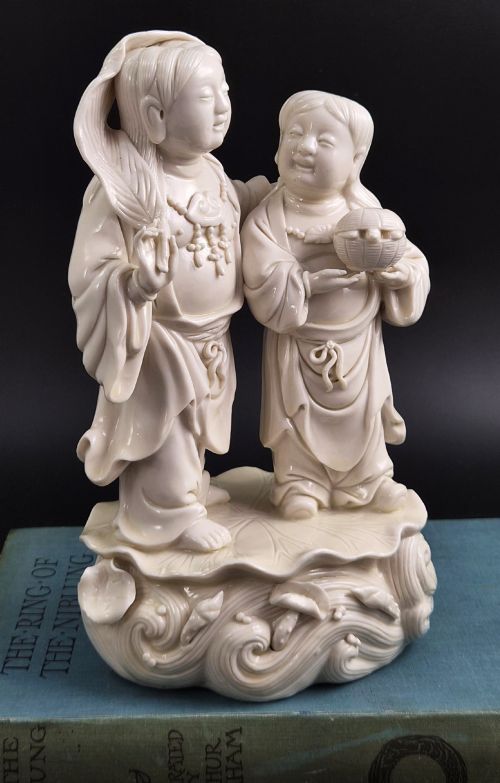
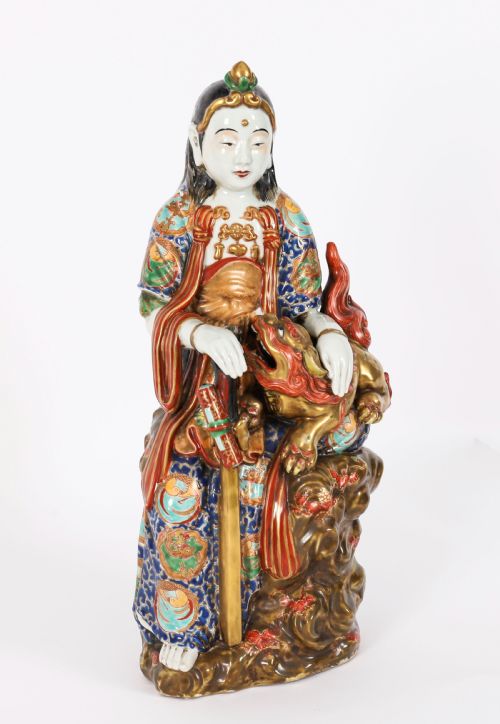
Vessels span from provincial bowls to imperial-style green dragon dishes and intricate Kutani porcelain figures. Each piece demonstrates specific regional techniques developed over generations of local production.
How they were made
Potters shaped these objects from fine ceramic and porcelain clays before applying intricate underglaze blue, enamel colours, and delicate gold leaf details. Artisans often fired the pieces multiple times to set complex polychrome designs and metallic accents.
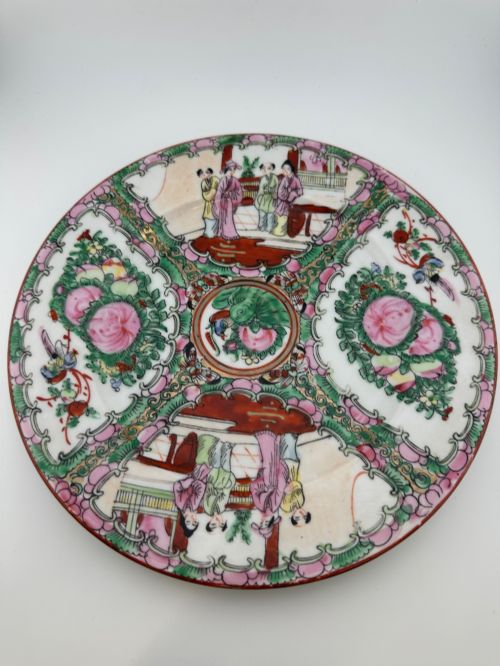
Glaze application varied from smooth celadon finishes to rich enamel decoration depicting figural scenes, exotic birds, and floral motifs. Wood elements sometimes appear as integrated stands or structural components for larger vessels.
Listings feature works from the 17th century through the 1930s, utilising porcelain, earthenware, glaze, and gold leaf.
What varies in quality
The sophistication of the painted detail and the precision of the glaze distinguish standard production wares from finer examples. Superior pieces exhibit balanced compositions, controlled brushwork, and well-defined enamels that sit evenly on the porcelain body.
The Asian Antiques Porcelain Ceramic Glossary
- Imari
- A style of Japanese porcelain featuring a distinct palette of underglaze blue, iron red, and gilt highlights. These wares were heavily exported to Europe from the port of Imari.
- Kutani
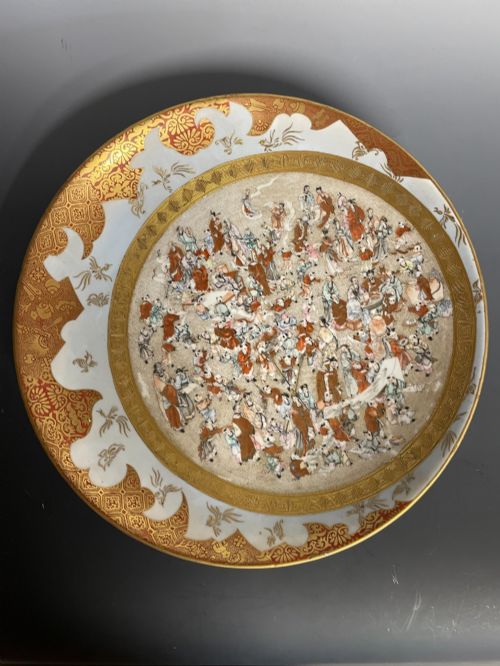
- Japanese coloured porcelain and pottery typically characterised by vibrant enamel designs and heavy gilding. The tradition flourished particularly during the Meiji period.
- Celadon
- A term for pottery denoting both wares glazed in jade green and the specific translucent green glaze itself. This finish originated in China and mimics the appearance of jade.
- Doucai
- A Chinese porcelain technique where part of the design is outlined in underglaze blue and filled in with overglaze enamels after firing. The method requires multiple kiln firings to achieve its contrasting effect.
Asian Antiques Porcelain Ceramic: Frequently Asked Questions
How do I identify Imari porcelain?
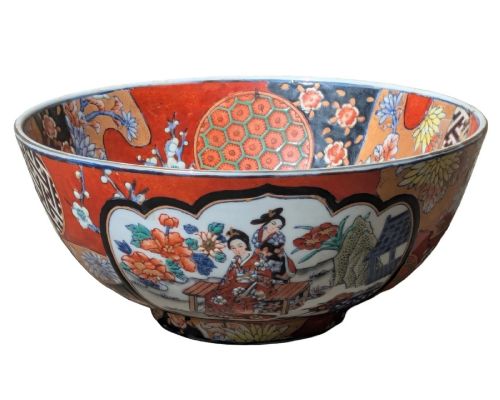
Imari porcelain is easily recognised by its distinctive colour scheme, which relies on underglaze blue combined with iron red and gold leaf accents. The patterns frequently incorporate intricate floral designs, brocade motifs, and landscapes.
These pieces were produced primarily in Japan for both domestic use and European export. Examining the palette and the quality of the gilding helps determine the period of manufacture.
What is Satsuma ware?
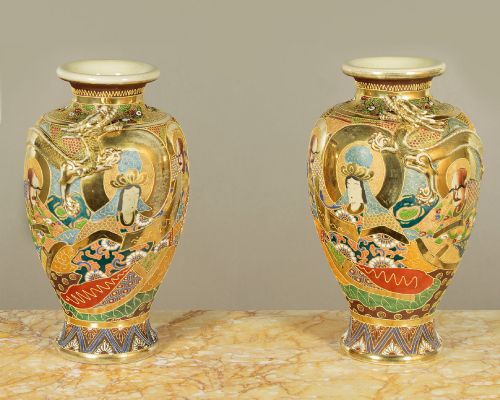
Satsuma ware consists of Japanese earthenware featuring an ivory-coloured, crackled glaze painted with polychrome enamels and gold. The decoration often depicts figural scenes, courtly figures, and dense floral arrangements.
While originating in Kagoshima Prefecture, production later expanded to Kyoto and other centres during the Meiji period. These items range from small bowls to large decorative vases and table lamps.
How are Ming dynasty pieces dated?
Dating Ming dynasty ceramics involves analysing the specific type of clay body, glaze characteristics, and potting techniques unique to that era. Scholars also study imperial mark styles and the composition of underglaze pigments.
Because later dynasties frequently reproduced earlier styles, physical indicators such as wear patterns and base finish provide essential clues for accurate attribution.
Can I use antique porcelain daily?
Most antique porcelain and ceramic items are delicate and better suited for display rather than heavy everyday use. Enamels and gold leaf decorations can wear away with frequent washing or rough handling.
Gentle dusting with a soft cloth is recommended for maintenance. Items converted to lamps require careful handling around the electrical fittings.