



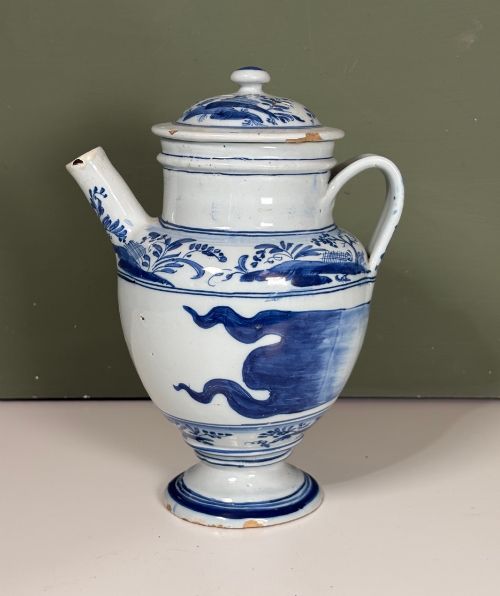
White Glaze Pottery
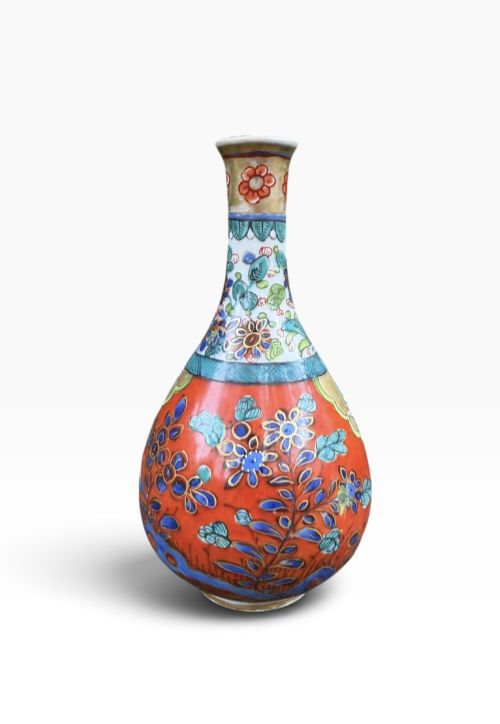
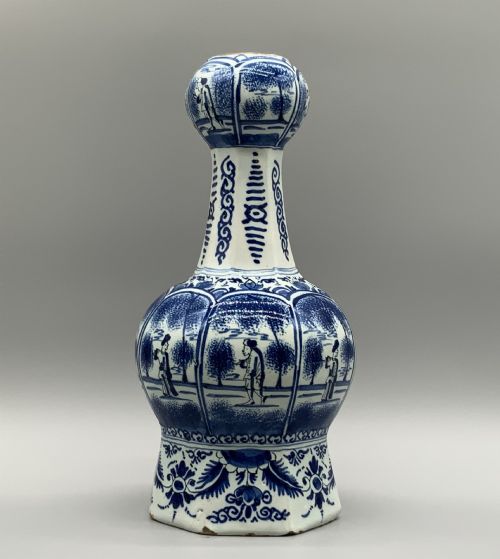
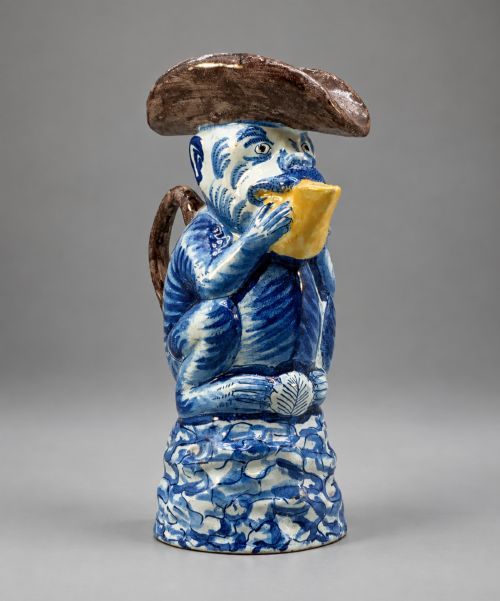
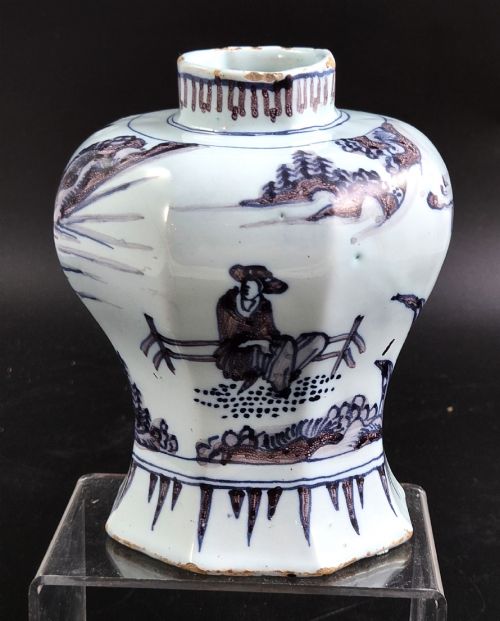
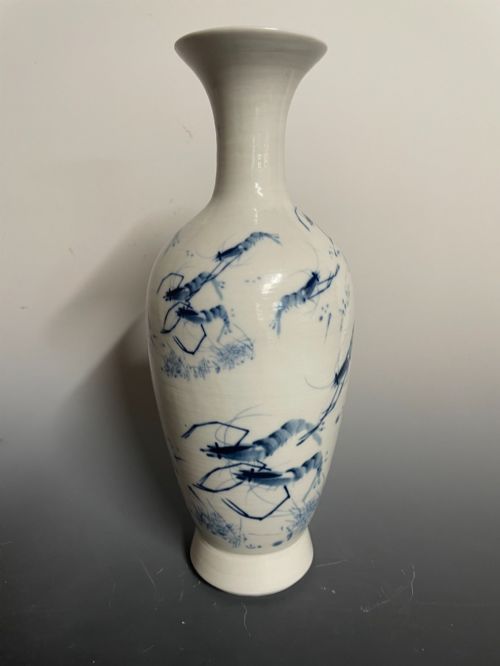
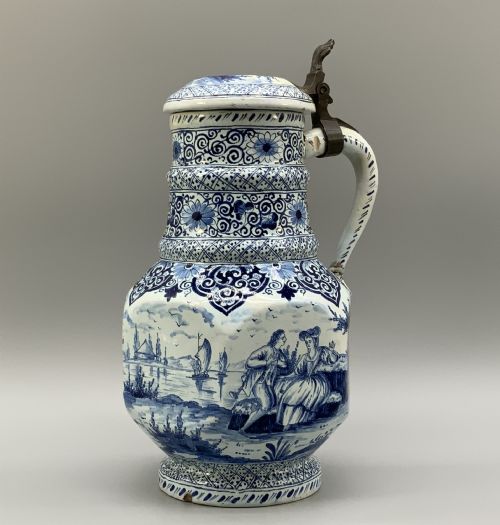
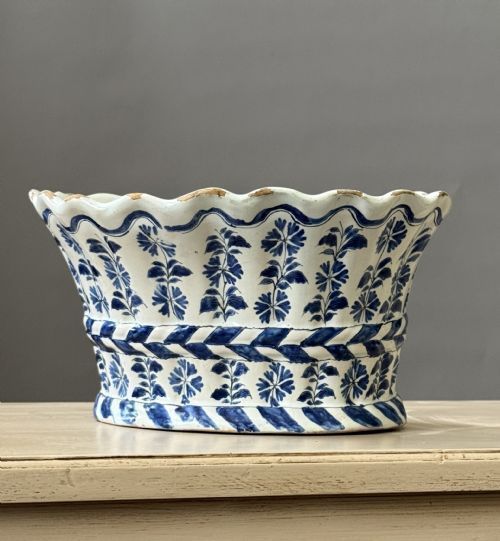
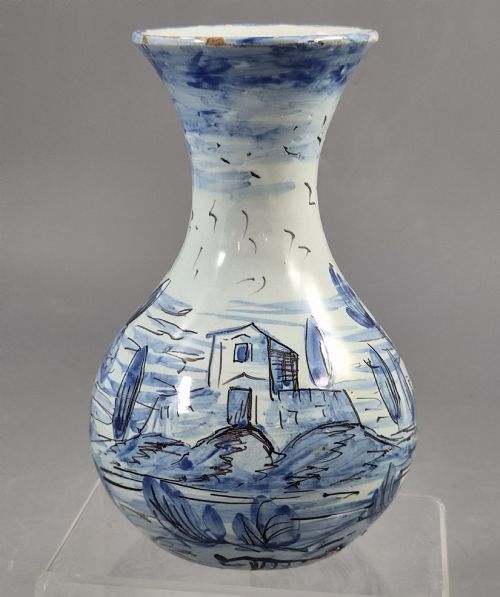
White glaze pottery brings together centuries of tin-glazed earthenware, faience and creamware from English, Dutch and continental potteries.
White Glaze Pottery
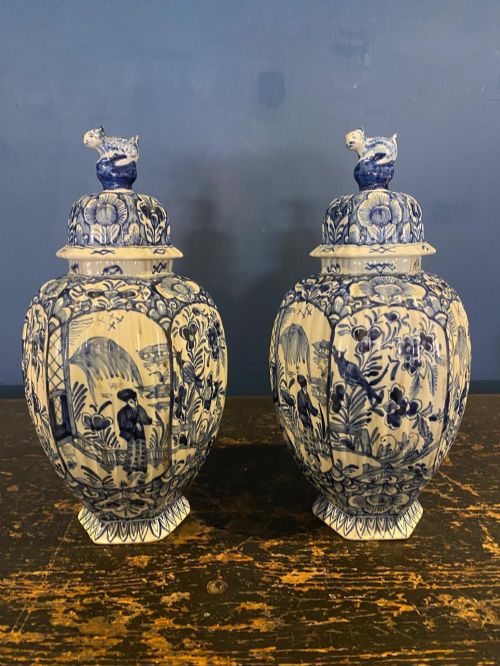
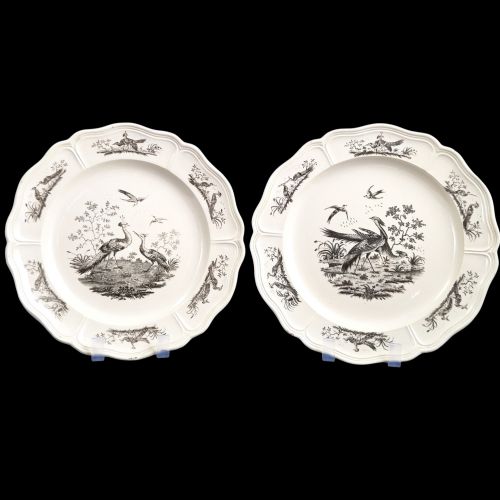
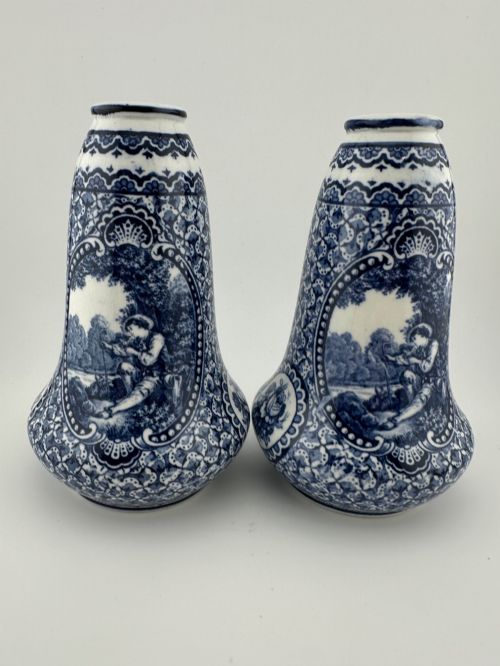
White glaze pottery encompasses a diverse selection of ceramic objects produced across the seventeenth, eighteenth and nineteenth centuries. Buyers exploring white glaze pottery will encounter chargers, vases, figures and utilitarian vessels originating from English, Dutch, French and Italian workshops. The selection on this page leans heavily toward tin-glazed earthenware and Staffordshire figures from the Victorian era alongside earlier Dutch Delftware.
The category bridges formal display items like majolica cabinet vases and domestic pieces such as apothecary jars, puzzle jugs and jelly moulds. Continental faience and English creamware frequently appear, showing how potters applied white and tinted glazes to earthenware bodies. These objects demonstrate the enduring appeal of opaque white ceramic surfaces across multiple European manufacturing centres.
Materials and production
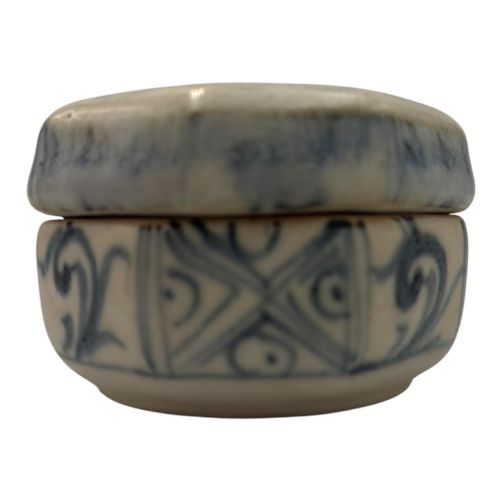
Makers shaped these pieces using earthenware clay bodies covered with opaque tin glazes or cream-coloured lead glazes. The application of tin oxide created a white, milky surface that served as a clean ground for cobalt blue painting or polychrome decoration. Potters then fired the pieces in kilns to fuse the glaze to the ceramic body.
Some works incorporate additional decorative elements such as hand-painted pigments, cobalt oxide details or bronze mounts added during later assembly. Staffordshire potters utilised press-moulding techniques for figures and jelly moulds, while Dutch and English tin-glazed vessels required careful throwing and dipping by hand.
Several Victorian sheep and poodles keep quiet watch alongside puzzle jugs designed to confound drinkers.
Assessing quality and execution
Quality in these ceramics rests upon the crispness of the modelling, the evenness of the glaze coverage and the execution of hand-painted details. Superior pieces display finely rendered brushwork, stable glaze surfaces free from excessive pooling, and well-defined forms whether cast in moulds or thrown on the wheel.
The distinction between standard domestic wares and higher-grade exhibition pieces lies in the ambition of the design and the control shown during the firing process. Finer examples maintain structural integrity and clear pictorial or sculptural definition that distinguishes workshop masterworks from routine production.
Cantagalli·Fourmaintraux-Courquin·Moorcroft McIntyre·Minton
The White Glaze Pottery Glossary
- Tin-Glazed Earthenware
- Pottery coated with a glaze containing tin oxide, producing an opaque white surface suitable for painting. This technique unites traditions known variously as delftware, maiolica and faience.
- Delftware
- Tin-glazed earthenware produced in the Netherlands or England, renowned for blue and white painting inspired by imported porcelain. Most pieces date from the seventeenth and eighteenth centuries.
- Creamware
- A refined earthenware developed in England during the eighteenth century featuring a pale yellow or cream-coloured lead glaze. It offered a lighter, more durable alternative to heavier tin-glazed bodies.
- Faience
- European tin-glazed pottery, principally associated with French and continental workshops. The term describes earthenware finished with an opaque white glaze layer.
- Charger
- A large decorative plate designed for display on a wall or sideboard rather than for dining use. Many historical examples feature elaborate painted scenes.
- Spill Vase
- A narrow cylindrical vase intended to hold wooden spills used for lighting candles and fires. These hollow figures frequently appear in Victorian Staffordshire pottery.
White Glaze Pottery: Frequently Asked Questions
What is white glaze pottery?
White glaze pottery refers to ceramic pieces finished with an opaque white or cream-coloured glaze layer, primarily tin-glazed earthenware, faience and creamware. These items span domestic wares, decorative chargers and sculptural figures produced across several centuries.
Collectors prize these ceramics for their smooth white surfaces, which often display hand-painted cobalt blue designs or polychrome enamel decoration from various European traditions.
How do I date antique delftware?
Dating delftware involves examining the ceramic body, glaze characteristics, base formation and painting style. Earlier seventeenth-century pieces often feature heavier bodies and distinct manganese or cobalt pigments.
By contrast, later eighteenth-century examples exhibit thinner glazes and more refined forms, aligning with changing ceramic fashions across English and Dutch production centres.
Where were Staffordshire figures made?
Staffordshire figures were produced by numerous potteries operating in the Staffordshire region of England during the Victorian period. These workshops created earthenware animals, literary characters and portrait figures using local clay.
Potters moulded and hand-painted these pieces for domestic mantelpieces, reflecting popular culture, royal events and contemporary life during the nineteenth century.
How should I display antique chargers?
Antique chargers are large decorative plates traditionally displayed on walls using specialised plate hangers or stood upright on plate rails and sideboards. Because many feature painted scenes across their wide surfaces, vertical display allows full appreciation of the artwork.
Placing them away from direct sunlight and heavy foot traffic helps protect the historical tin-glaze surfaces from accidental damage.