





White Glass Sign
These white glass signs are functional survivors from trade and commerce, offering crisp lettering and striking monochrome appeal for modern interiors.
White Glass Sign
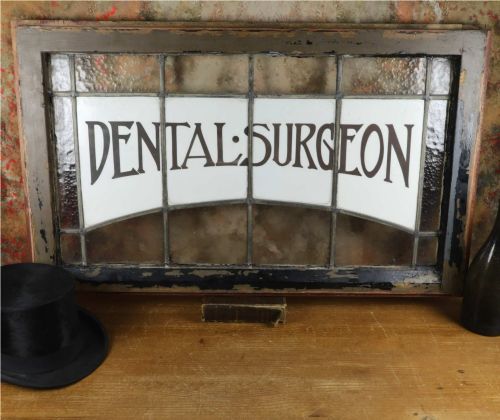
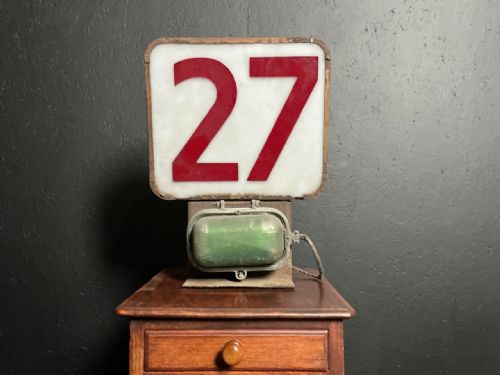
A white glass sign is a piece of architectural salvage or trade equipment created for businesses and streetscapes, spanning Victorian, Edwardian, and mid-twentieth century periods. You will most frequently encounter flat window panels, street nameplates, and trade advertisements made from dense opaque glass.
The material takes several forms across these examples, including milk glass, opalescent glass, and proprietary vitriolite. These panels served dental practices, confectioners, and street corners before finding a second life as interior wall art.
Materials and construction
The manufacture of these panels relied on heavy opaque glass formulas, often reinforced with lead or framed in wood and iron to withstand commercial environments. Makers utilised milk glass and vitriolite for their smooth, sanitary surfaces and durability in shopfronts.
Techniques ranged from reverse cutting and surface etching to fired enamel lettering. These methods ensured the signage remained legible and resistant to weather and wear in bustling Victorian and Edwardian streets.
White Glass Sign Retail Price Guide 2026
Typical asking prices for white glass sign among the pieces listed under this phrase on Sellingantiques today, from the lower quarter to the upper quarter. They describe what is for sale here now, not the wider market.
The collection includes pieces from the Victorian, Edwardian, Art Deco, and mid-century industrial periods.
Judging quality
Quality rests in the weight of the glass, the precision of the lettering, and the integrity of any original framing materials like iron or wood. A superior panel displays crisp edges and deep engraving rather than superficial surface printing.
The distinction also lies in the provenance and legibility of the lettering, where municipal street names and specific trade practices command stronger visual presence than generic pieces. Original fixings and untouched patination further elevate a panel.
G Vallon·Graystan·Smiths of London
The White Glass Sign Glossary
- Vitriolite
- An opaque, heavy structural glass developed for hygienic wall cladding and signage in the late nineteenth and early twentieth centuries. It provides a glossy, impervious surface that mimics marble.
- Milk glass
- A translucent to opaque whitish glass that can be blown or pressed into various shapes and panels. It gained immense popularity for tableware and decorative trade items during the Victorian and Edwardian eras.
- Opalescent glass
- Glass containing ingredients that cause it to diffuse light and display milky, iridescent colour variations. It creates a soft, glowing quality when illuminated.
- Architectural salvage
- Building elements and permanent fixtures rescued from demolition or renovation projects. These pieces retain historical utility and character for interior display.
White Glass Sign: Frequently Asked Questions
How do I hang a heavy glass sign?
These panels require direct support into wall studs or solid masonry due to their substantial weight and rigid materials. Utilising proper metal brackets or custom wooden ledges ensures the glass bears no stress points.
Avoid relying on lightweight picture wire or standard plasterboard anchors. Secure the frame firmly to distribute the weight evenly.
Are these signs suitable for outdoor use?
While originally designed for exterior shopfronts and street corners, historical glass panels benefit from indoor environments today. Exposure to modern weather and pollution can degrade aged lead mounts and surface lettering.
Displaying them inside protects both the glass integrity and any fragile reverse-cut enamel work. Wall mounting in a hallway or kitchen provides a stable climate.
What periods do these glass signs cover?
The available pieces primarily span from the Victorian era through the Edwardian period and into mid-century industrial designs. Earlier examples often feature heavy structural glass and hand-cut lettering.
Later mid-century pieces reflect changing commercial aesthetics and advertising methods. Each era utilises distinct mounting techniques and glass formulations.