





Edwardian Glass Sign
An edwardian glass sign brings commercial history into an interior, using reverse painting and gold leaf on glass to advertise past trades.
Edwardian Glass Sign
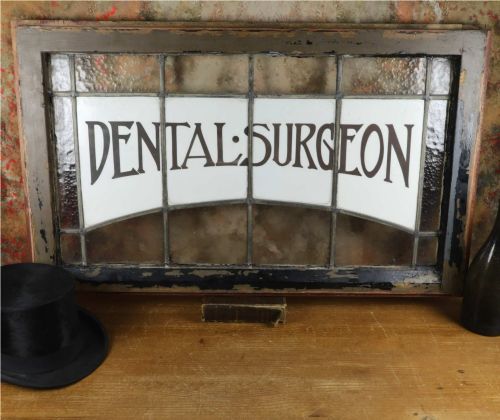
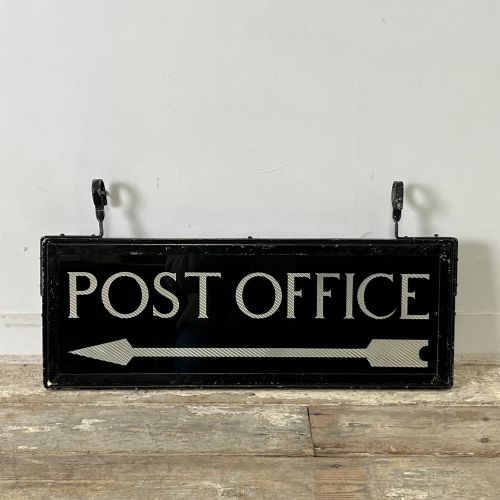
When you search for an edwardian glass sign, you encounter commercial pieces made for shop windows, interior walls, and street directions during the early twentieth century. These items include double-sided post office direction signs, pharmacy window panels, and confectionery shop displays produced in the Edwardian era.
The objects span street names, trade announcements, and advertising mirrors for opticians, dentists, and tobacconists. Many survive within their original wooden frames, constructed from brass, oak, or lead.
While street signs and direction markers appear alongside advertising mirrors, the core of the group consists of shop window panels and trade plaques designed to communicate commerce clearly to the public.
How they were made
Makers utilised glass as the primary medium, combining it with gold leaf, paint, and lead to form durable lettering and imagery. Reverse painting on glass allowed the design to be viewed through the front surface while protecting the pigment from the weather.
Frames made from oak, mahogany, or brass secured the glass panels, with some pieces incorporating iron fixings or wooden backings to withstand commercial use in bustling streets and shops.
Edwardian Glass Sign Retail Price Guide 2026
Typical asking prices for edwardian glass sign among the pieces listed under this phrase on Sellingantiques today, from the lower quarter to the upper quarter. They describe what is for sale here now, not the wider market.
Some signs humorously advertise terms like snob alongside everyday postal directions.
What varies in quality
The standard of an edwardian glass sign depends upon the complexity of the lettering and the preservation of the original gold leaf and paint. Pieces featuring detailed reverse cut glass work or double-sided execution represent superior craftsmanship compared to simpler painted panels.
The integrity of the frame and the retention of original mounting hardware also distinguish the work, as does the clarity and depth of the glass itself.
Elizabeth Graydon Stannus·J M Arundele·B H A
The Edwardian Glass Sign Glossary
- Reverse glass painting
- A technique where the artist paints the image and lettering on the back of the glass panel so the finished picture is viewed through the front. This method protects the pigments from dust and damage.
- Gold leaf
- Hammered gold beaten into extremely thin sheets, applied to glass surfaces to create brilliant lettering that catches the light. It remains a hallmark of high-grade Victorian and Edwardian signage.
- Vitriolite
- An opaque structural glass used for signs and architectural panels during the early twentieth century. It provides a glossy, durable surface that requires minimal maintenance.
- Leaded glass
- Glass sections held together by came strips of lead, commonly used in street signs and windows of the period. The lead provides both structural support and decorative division.
Edwardian Glass Sign: Frequently Asked Questions
How were these signs mounted?
These signs were fitted into shop windows, hung on interior walls, or suspended above streets using brass brackets and wooden frames. Double-sided versions hung perpendicular to buildings to guide pedestrians from both directions.
Interior examples often rested inside wooden display cabinets or served as fixed mirrors behind pharmacy and drapery counters.
What trades used glass signs?
Chemists, opticians, dentists, and post offices relied on glass signage for durability and a professional finish. Confectionery shops and tobacco merchants also utilised painted glass panels to promote specific brands and services.
Street authorities placed glass street name plates on building corners to direct foot traffic through urban parishes.
How do I clean an antique glass sign?
Dust the surface gently with a soft, dry cloth and avoid applying liquid cleaners directly to painted or gilded areas. Moisture can seep behind the glass and lift delicate gold leaf or reverse paint.
Keep the surrounding wood or brass frame conditioned with appropriate wax or polish, taking care not to let cleaning agents touch the glass panel.
Are these signs double-sided?
Certain examples, particularly post office direction markers and chemist signs, feature lettering on both sides of the glass. This allowed pedestrians walking in either direction along a street or corridor to read the message.
Most shop window panels and wall plaques are single-sided because they mounted flat against a vertical surface.