


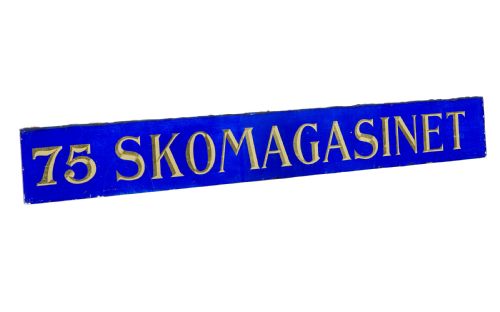


Commercial Shop Signage
Commercial shop signage carries the bold graphics of past trades, offering tactile history that anchors a room with authentic character.
Commercial Shop Signage
Commercial shop signage spans utilitarian wall signs and hanging trade markers created to identify high street businesses and tradesmen. These pieces emerge from periods ranging from the Victorian era through the Edwardian years and into the 1930s, reflecting the visual language of historic commerce.
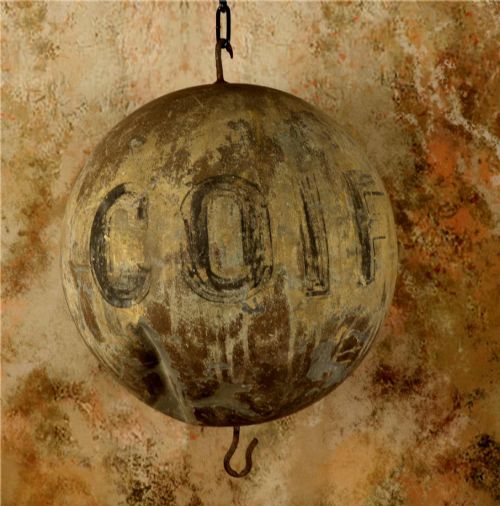
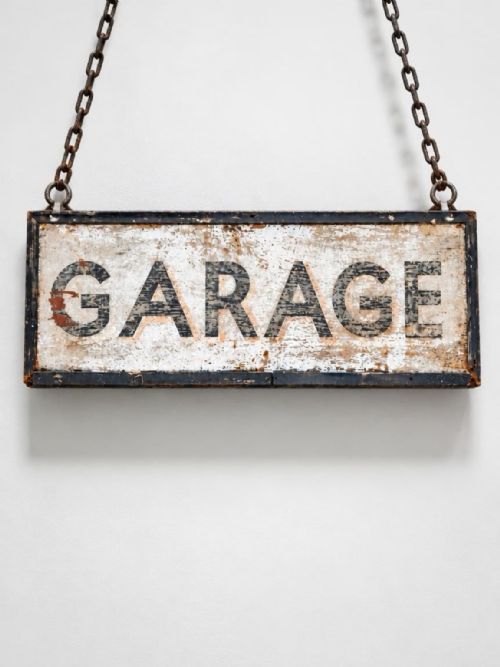
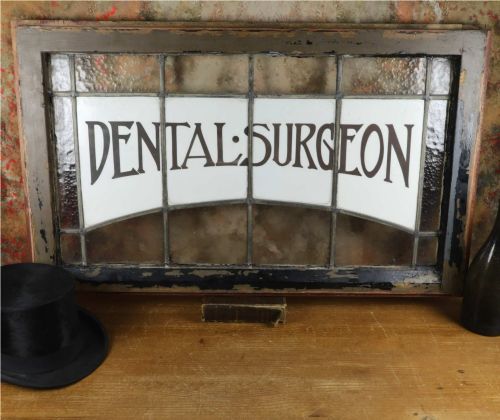
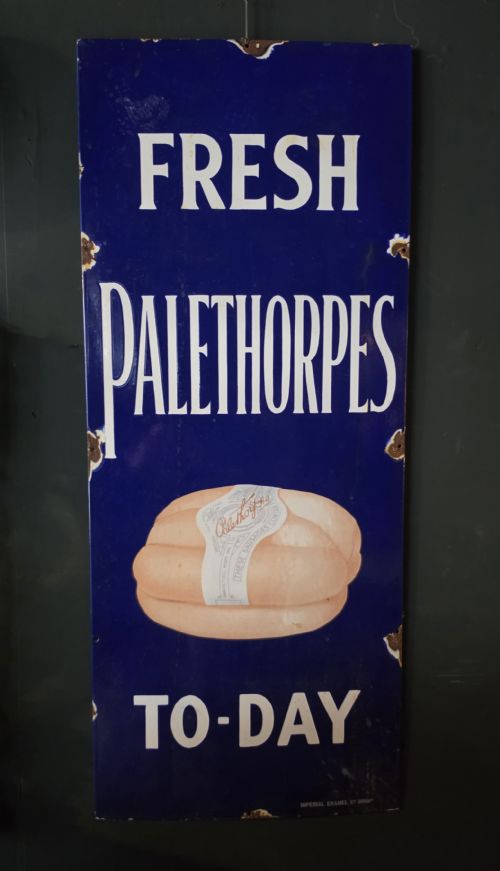
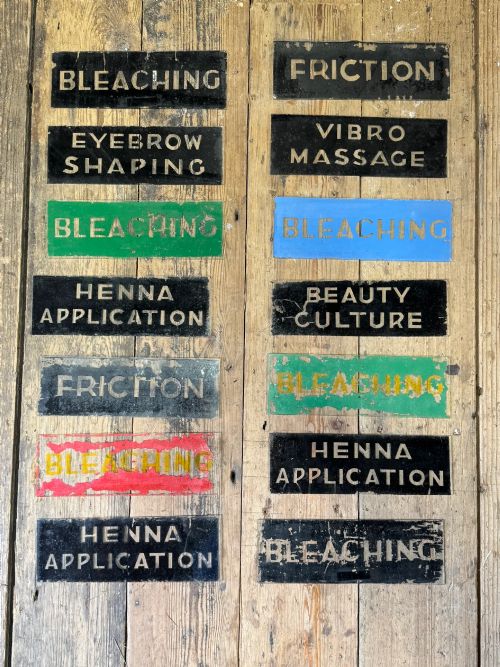
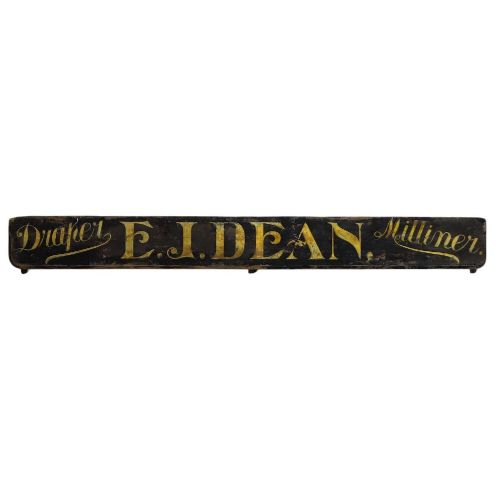
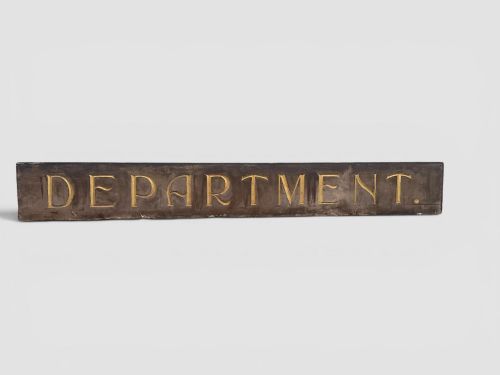
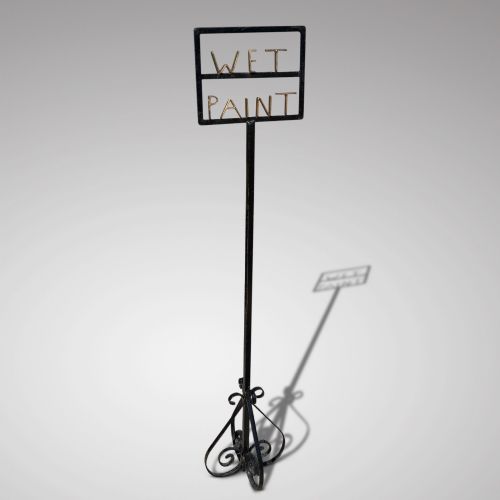
Buyers meet diverse forms on this page, including double-sided enamel street markers, reverse-painted glass window panels, and hand-painted wooden boards denoting milliners, dentists, and pawnbrokers. Architectural salvage items and cabinet displays also appear alongside large departmental notices.
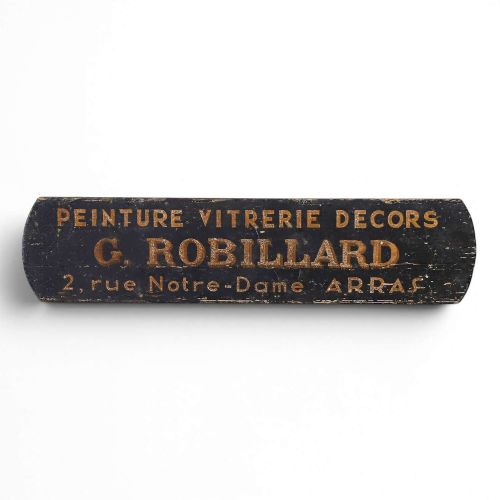
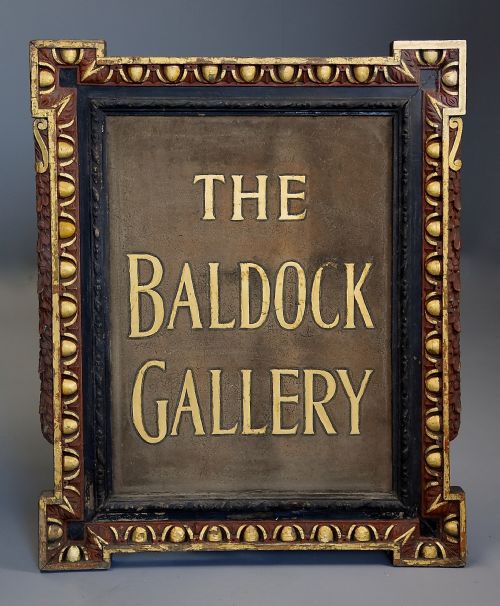
Originating from British, French, and Scandinavian workshops, these objects range from simple pine boards to elaborate gilt and carved wooden displays. Each piece records the specific trades of a bygone high street, preserved in original frames or bare metal brackets.
Materials and Techniques
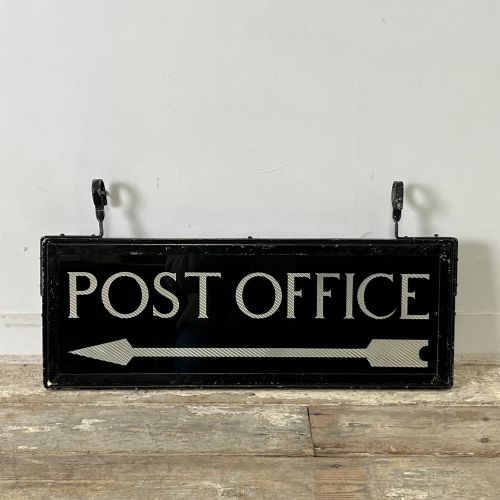
Makers utilised durable substances capable of withstanding outdoor elements and constant handling, relying heavily on timber like pine and oak, alongside robust metals including brass, wrought iron, and beaten copper. Vitreous enamel provided a glossy, weather-resistant surface for exterior hanging boards, while glass served interior windows and post office directions.
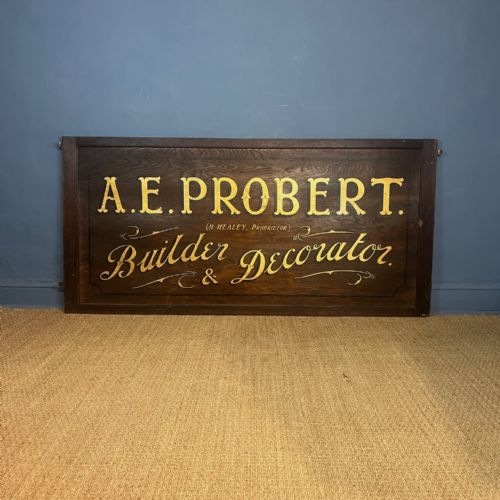
Surface decoration required specialised hand skills, featuring hand-painted lettering, gold leaf application, and reverse-glass painting techniques where artisans worked backwards on the rear pane. Carved wood details and embossed metal panels added physical depth to trade emblems before framing them in simple wooden borders.
Commercial Shop Signage Retail Price Guide 2026
Typical asking prices for commercial shop signage among the pieces listed under this phrase on Sellingantiques today, from the lower quarter to the upper quarter. They describe what is for sale here now, not the wider market.
Listings feature items dated from the 19th century through the 1930s, utilising paint, wood, gold leaf, glass, brass, oak, metal, and vitreous enamel.
Quality Variations
The distinction between standard utility markers and superior examples rests upon the sophistication of the artisan's hand and the integrity of the surviving surface. Pieces bearing intricate gold leaf gilding, detailed reverse-glass cutting, or sculptural wood carving demonstrate higher workshop ambition than plain painted boards.
Preservation of original paint and untouched mounting brackets elevates a piece above those with modern restoration or heavy structural replacement. The weight of materials, such as heavy cast metal or thick bevelled glass, further distinguishes substantial department store signs from smaller trade notices.
The Commercial Shop Signage Glossary
- Vitreous enamel
- A glass coating fused to metal through high-temperature firing. This process produces a hard, glossy surface that resists fading and weather damage on outdoor boards.
- Reverse-painted glass
- A technique where lettering and imagery are applied to the back of a glass panel. Viewed from the front, the glass protects the paintwork and creates a reflective sheen.
- Architectural salvage
- Building elements and fixtures rescued from structures slated for demolition. These pieces retain their original mounting hardware and patination from decades of exposure.
- Gold leaf
- Metal beaten into extremely thin sheets used for gilding lettering and decorative motifs. It catches ambient light and resists tarnishing over long periods.
- Trade sign
- A board or sculptural object hung outside a business to advertise a specific occupation. Examples include oversized utensils, symbols, or occupational lettering.
Commercial Shop Signage: Frequently Asked Questions
How were trade signs displayed?
Signage was mounted directly onto exterior brickwork, suspended from iron brackets above shopfronts, or positioned inside windows to attract passing foot traffic.
Double-sided enamel versions often projected at right angles from the building facade so pedestrians could read them from either direction down the street.
What materials are most common?
Painted wood, particularly pine and oak, forms the basis of many surviving interior and exterior trade boards. Metals like brass, wrought iron, and vitreous enamel appear frequently on weather-resistant street markers.
Glass panels feature in specialised window displays, often combined with gold leaf or reverse-painted details.
How do I date an old sign?
Dating relies on stylistic clues, typography, and the specific materials or framing techniques characteristic of periods like the Victorian era or the 1930s. Occupational titles and trade specifics also help anchor the piece to a particular era of commerce.
Original paint layers and hardware provide physical evidence of age without requiring modern intervention.
Are these signs weatherproof?
While historic pieces constructed from vitreous enamel or heavy painted metal withstood decades of outdoor exposure, surviving examples often benefit from indoor placement today. Timber and glass items require stable indoor environments to prevent wood splitting or paint flaking.
Enquiry with individual dealers clarifies whether a specific piece is suited for garden or interior display.