




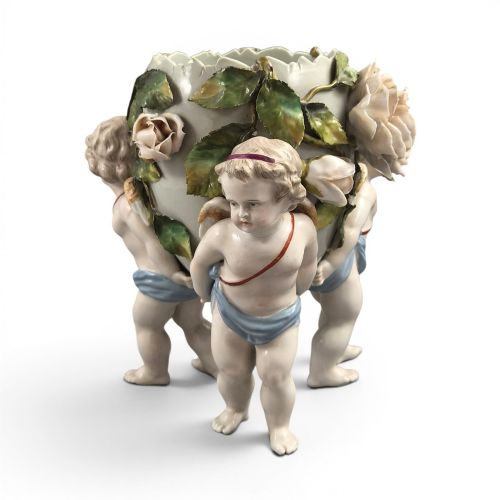
White Flowers in Vase
White flowers in vase arrangements encompass centuries of ceramic, glass and painted depictions of botanical subjects.
White Flowers in Vase
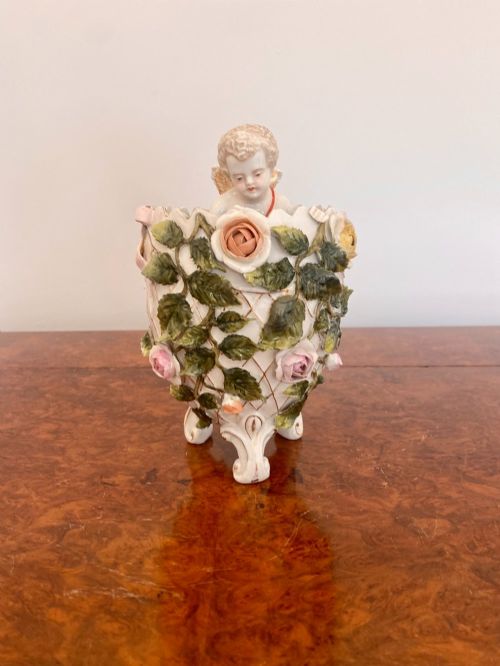
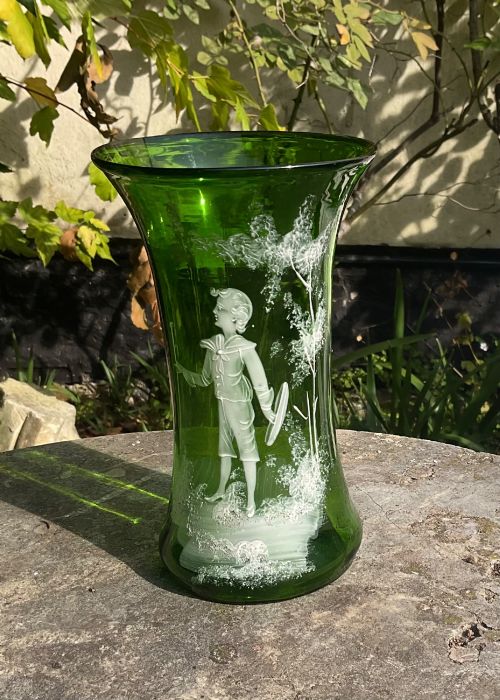
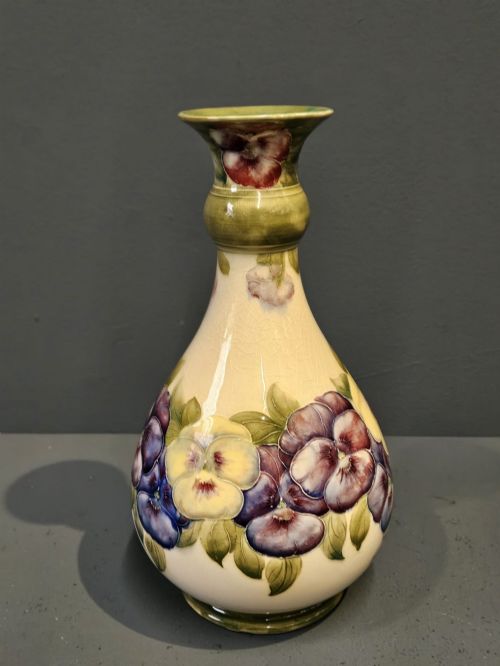
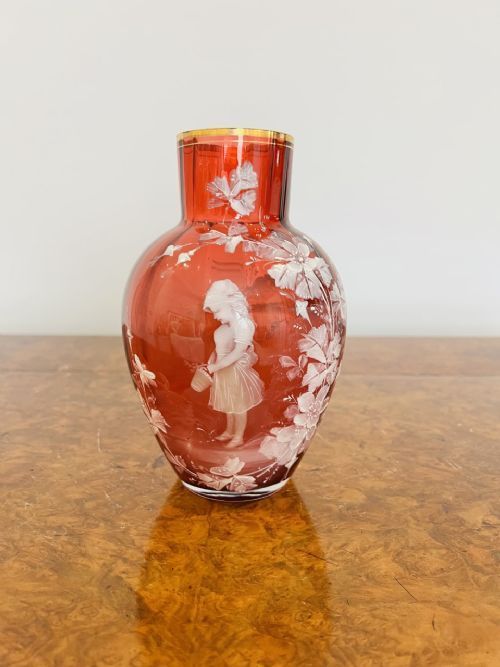
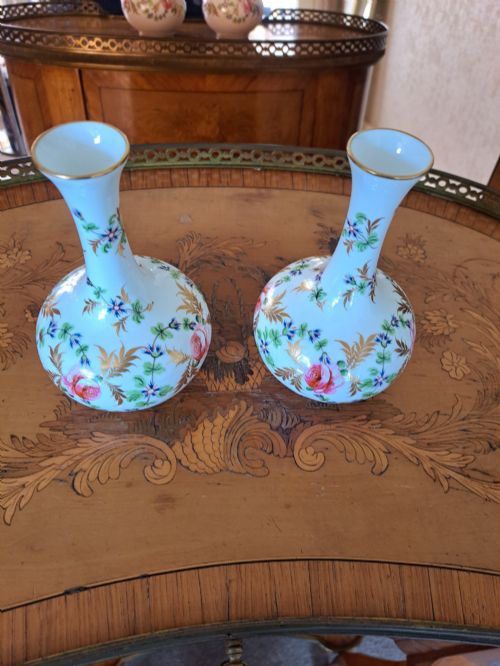
White flowers in vase items bring together diverse historical interpretations of botanical still life and decorative vessels. You encounter everything from delicate opaline glass bulb vases decorated with enamel blooms to oil paintings on canvas capturing lilies and roses.
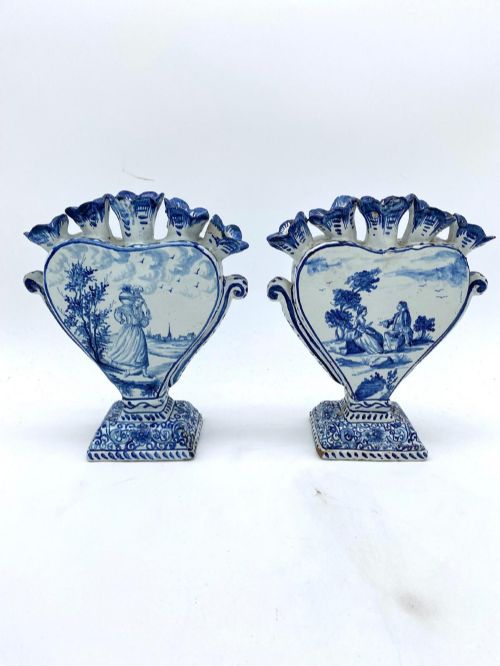
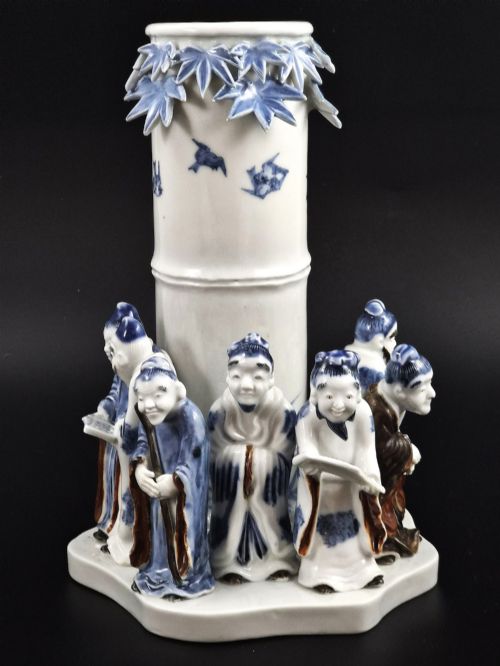
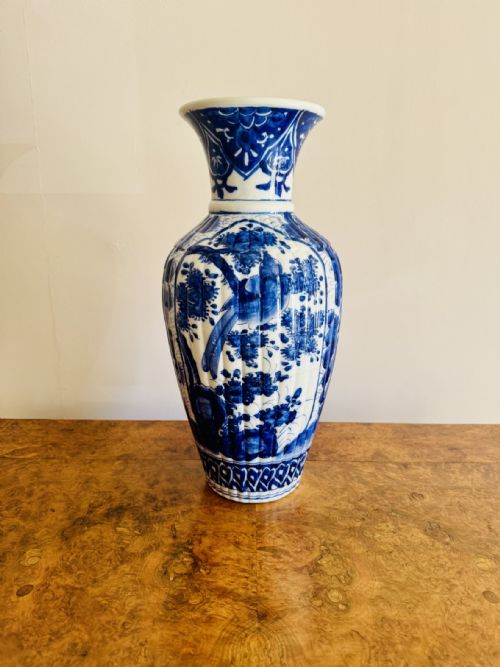
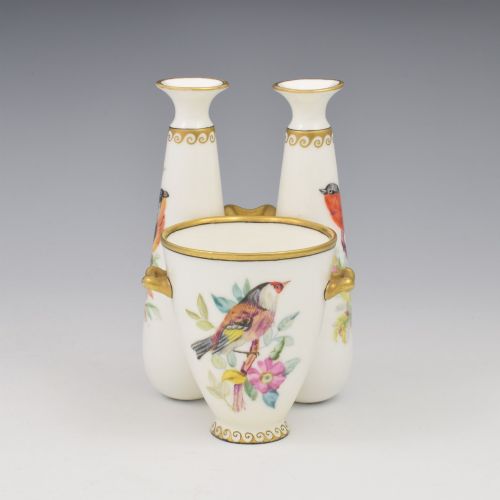
The selection ranges across centuries, pulling in Chinese porcelain, European earthenware, and mid-century paintings. Vases, tulipieres, and posy holders sit alongside framed canvas and watercolour studies.
Makers from various European and Asian traditions created these works using porcelain, earthenware, and glass, establishing a rich lineage of floral ornamentation.
Materials and technique
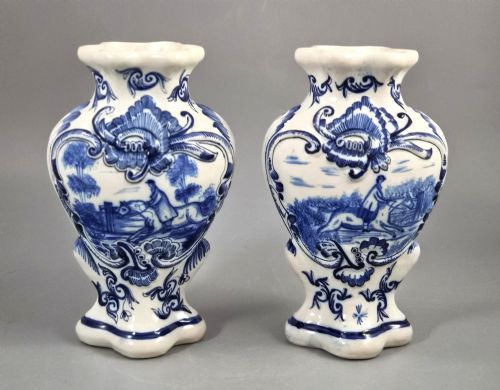
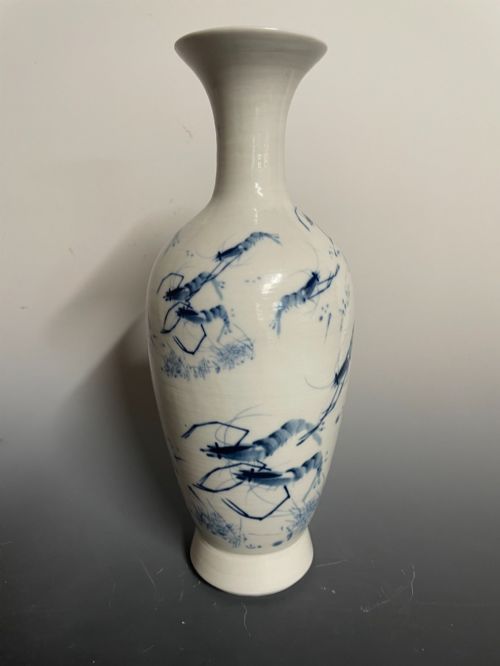
Ceramics dominate the selection, utilising hard-paste porcelain, earthenware, and ironstone shaped into baluster vases, bough pots, and posy holders. Artisans applied hand-painted pigments, raised white enamel, and cobalt blue underglazes to these ceramic surfaces.
Glass vessels rely on cased techniques, opalescent moulding, and crystal blowing, sometimes incorporating white cane decoration or coloured trails. Painters utilised oil, tempera, and pastel on canvas or paper to render botanical subjects.
White Flowers in Vase Retail Price Guide 2026
Typical asking prices for white flowers in vase among the pieces listed under this phrase on Sellingantiques today, from the lower quarter to the upper quarter. They describe what is for sale here now, not the wider market.
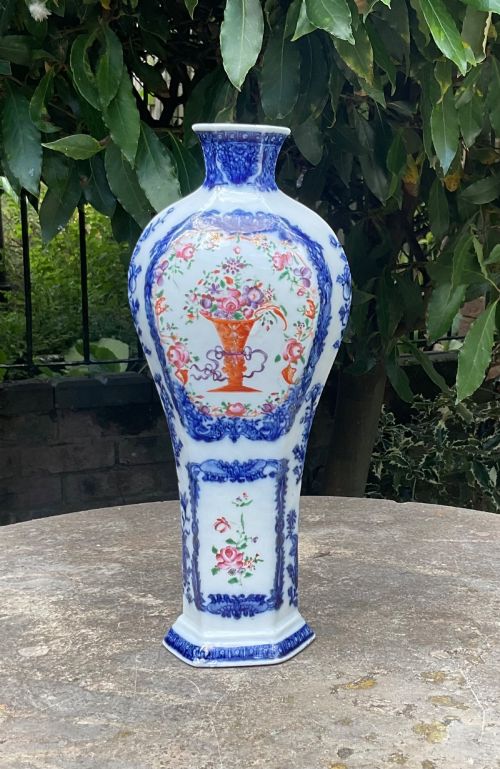
Listings include eighteenth-century Chinese famille rose pieces alongside nineteenth-century European porcelain and mid-century oil paintings.
Evaluating quality
Quality rests upon the precision of the hand-painting, the clarity of moulded glass or crispness of porcelain bodies, and the structural integrity of the piece. Superior examples display confident brushwork in floral motifs and well-defined relief work.
The distinction between standard commercial output and exceptional studio or factory work lies in the depth of glazing, the complexity of form, and the hand of a recognised maker or artist.
Fourmaintraux-Courquin·Moorcroft McIntyre·Royal Worcester·William Adams and Sons·Flight Barr and Barr·Krister KPM Waldenburg·Samson Paris·Rene Lalique·Cantagalli·Meissen·Poole Pottery
The White Flowers in Vase Glossary
- Tulipière
- A specialised vessel featuring multiple spouts designed for holding individual tulip stems. These containers originated in the seventeenth century to display prized bulbs.
- Opaline glass
- An opaque or translucent glass produced in various pale shades during the nineteenth century. It often served as a canvas for applied enamel flower decoration.
- Posy holder
- A small vessel or handheld device intended for compact floral bouquets. They appear in both ceramic and metalwork forms.
- Bough pot
- A decorative container designed to hold leafy branches or cut flowers for interior decoration. They typically feature pierced covers to keep stems upright.
- Famille rose
- A palette of opaque enamels introduced in Chinese ceramics during the eighteenth century. Pink and white tones feature prominently in these floral designs.
White Flowers in Vase: Frequently Asked Questions
What periods do these pieces span?
The selection covers centuries of craftsmanship, ranging from eighteenth-century Chinese porcelain and English bough pots to nineteenth-century Victorian glass and mid-century paintings.
Items reflect the distinct aesthetic preferences of their eras, from Regency refinement to Art Deco moulding.
How were tulipieres used?
Tulipieres were designed with multiple spouts to separate stems and showcase individual blooms rather than dense bunches. This arrangement kept flowers upright and prominent.
Wealthy households utilised them as centrepieces for interior decoration during peak flowering seasons.
How do I care for antique glass?
Antique glass requires gentle cleaning with lukewarm water and mild soap, avoiding harsh chemicals or abrasive materials. Sudden temperature changes should be avoided to prevent thermal shock.
Display pieces away from direct, prolonged sunlight to preserve any delicate enamel or painted surface decorations.
Are painted still lifes on canvas?
Several works utilise oil, tempera, or watercolour applied to canvas, board, or paper. Artists captured botanical studies with varied techniques depending on the period.
These paintings often feature signatures from listed artists recording specific floral arrangements.