

Vintage Floral Picture
A vintage floral picture brings botanical charm indoors, capturing centuries of painted petals and stitched blooms within period frames.
Vintage Floral Picture
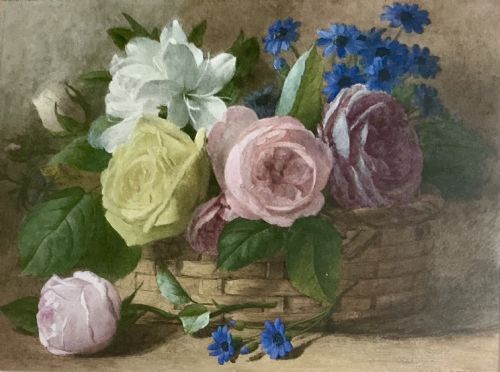
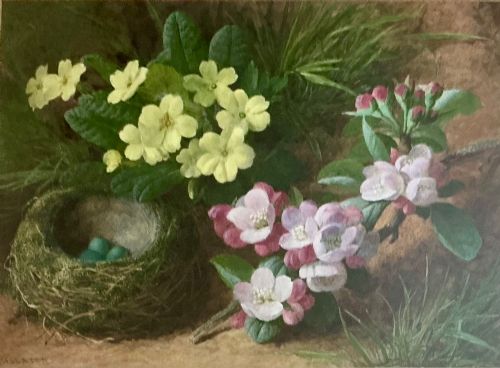
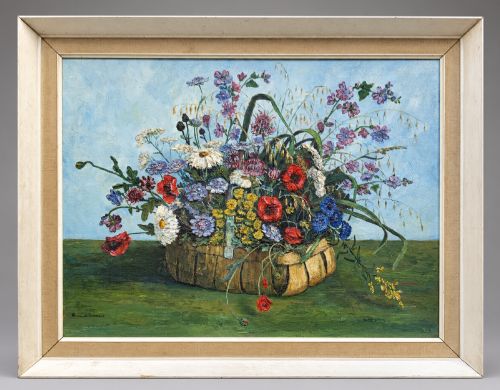
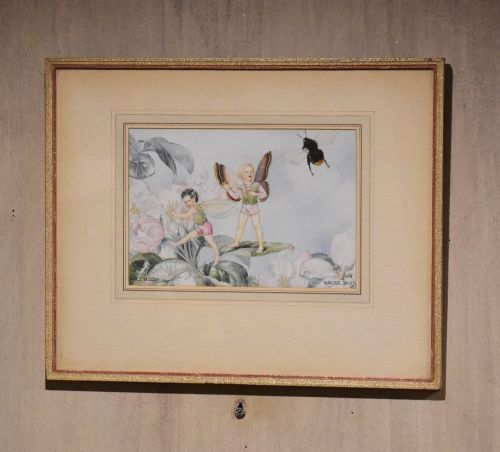
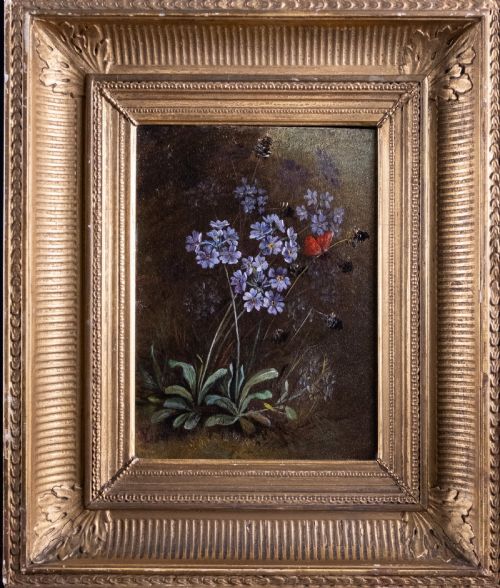
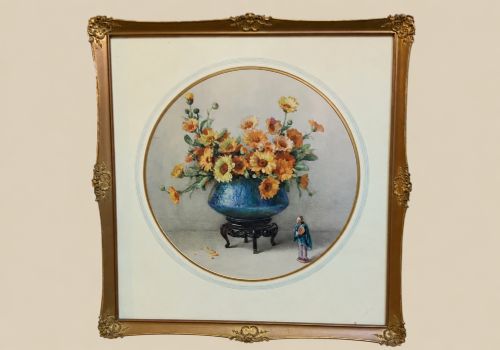
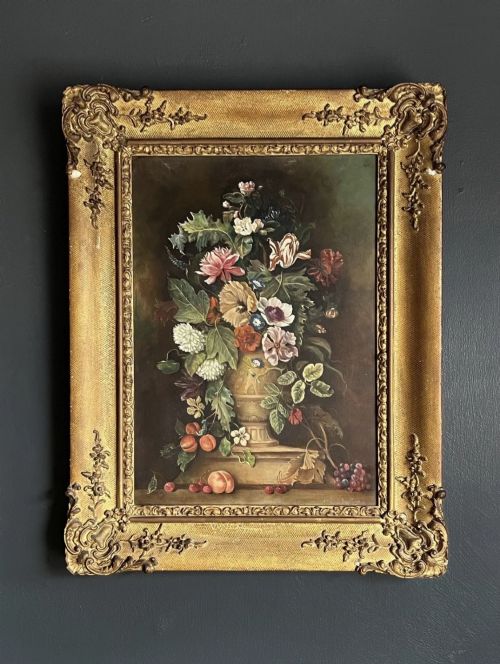
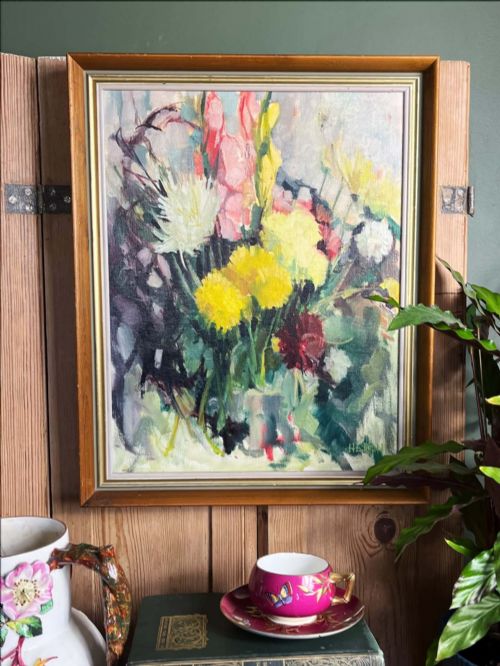
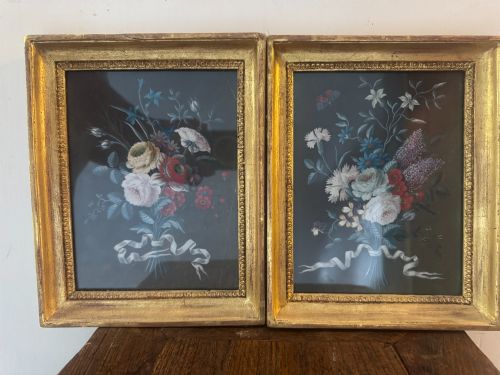
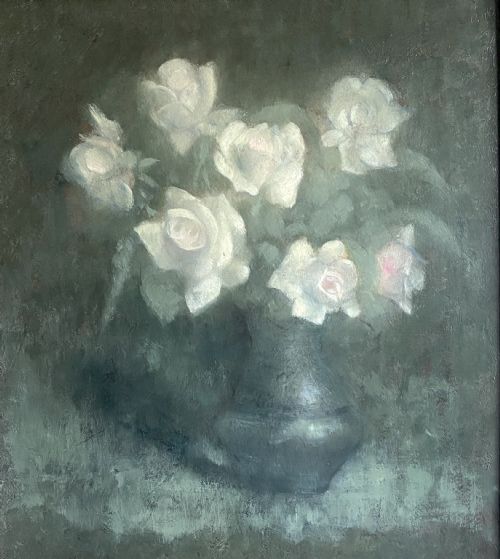
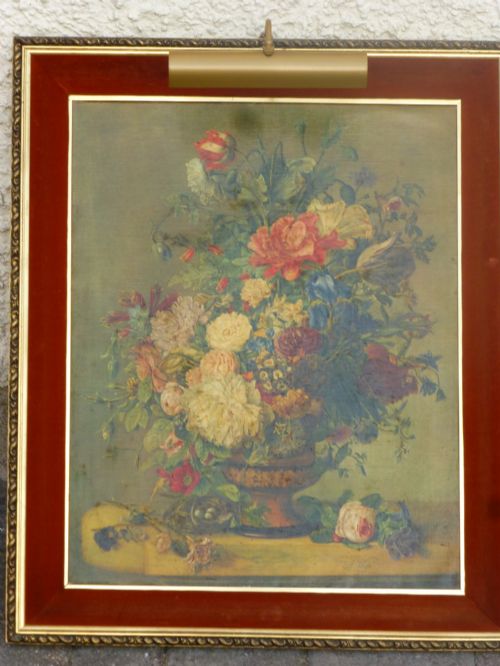
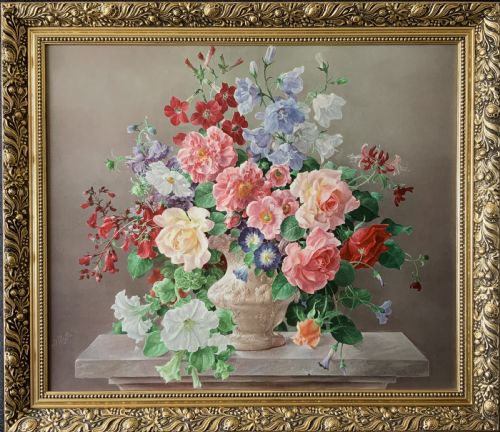
A vintage floral picture encompasses a diverse array of framed botanical artworks, oil paintings, watercolours, and textile panels spanning multiple centuries. Buyers searching this phrase most frequently encounter mid-century oil paintings of floral displays, late nineteenth-century watercolours, and intricate still-life studies housed in gilt gesso or wooden frames.
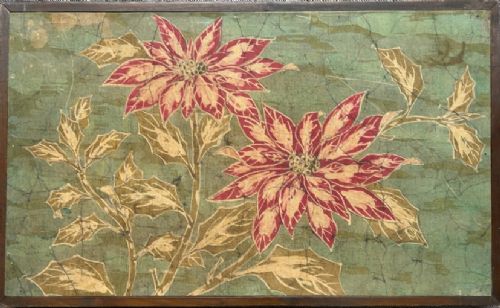
The selection extends from eighteenth-century canvases and Victorian botanical watercolours to mid-century impressionist renderings and batik textile art. Formats range from large wall art and framed paintings to delicate photo frames and lockets adorned with floral motifs.
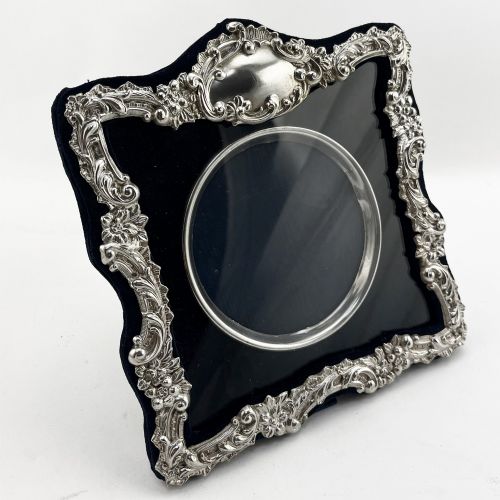
Origins stretch across English, French, and European schools, reflecting changing tastes from Georgian pastels and Art Nouveau silver frames to Mid-Century Modern compositions.
How they were made
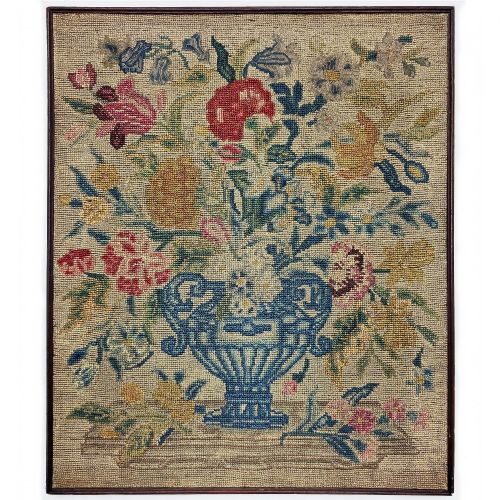
Makers utilised traditional mediums including oil paint on canvas and board, watercolour, gouache, and pencil on paper, alongside mixed media and textile techniques such as batik and embroidery. Support materials commonly feature wood, paper, and canvas, frequently paired with glass protection.
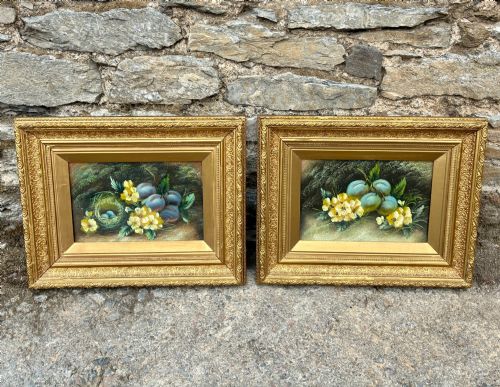
Enclosing these works involved skilled craftsmanship in framing, utilising gilt bronze, sterling silver, gold leaf, and carved gesso or giltwood to construct ornate borders and display structures.
Vintage Floral Picture Retail Price Guide 2026
Typical asking prices for vintage floral picture among the pieces listed under this phrase on Sellingantiques today, from the lower quarter to the upper quarter. They describe what is for sale here now, not the wider market.
The listings span from the 18th century to the mid-20th century, incorporating wood, glass, canvas, and precious metals.
What varies in quality
The standard of a piece rests heavily on the mastery of execution within the brushwork or textile stitching, distinguishing skilled observational rendering from formulaic output. Compositional balance and the depth of colour within the floral subject dictate visual impact.
The integrity and originality of the surrounding frame contribute significantly to the overall standing of the object, particularly where hand-carved gesso, precious metals, or period bronze are employed.
Anton Weiss·Harold Clayton·Edwin Steele·Amile Coppieters
The Vintage Floral Picture Glossary
- Gesso
- A plaster-like mixture applied to wood frames before gilding or painting, providing a smooth base for intricate moulded decoration. This ground layer is often carved or stamped in period pieces.
- Gouache
- An opaque watercolour paint containing pigment mixed with a water-binding agent and an added inert white pigment. It yields a heavier, flatter colour block than transparent watercolour.
- Oleograph
- A mechanical colour lithograph produced on canvas to imitate an oil painting, popular in the nineteenth and twentieth centuries. Texture is often artificially embossed onto the surface.
- Batik
- A wax-resist dyeing technique applied to whole cloth, creating intricate patterned panels. The resulting textile art displays characteristic fine crackled lines where dye penetrates the wax.
Vintage Floral Picture: Frequently Asked Questions
How do I date a floral oil painting?
Dating relies on examining the canvas preparation, stretcher construction, and pigment types alongside stylistic cues from the period. Framing choices also offer reliable clues to the era of creation.
Comparison with known artist signatures and regional painting schools helps narrow the decade of production.
What is the difference between watercolour and gouache?
Watercolour employs transparent pigments that allow the white of the paper to shine through, creating luminous washes. Gouache incorporates chalk or white pigment to achieve opacity and a matte finish.
Artists frequently combined both mediums on nineteenth-century botanical studies for varied textural effects.
How were these framed artworks displayed historically?
Most framed paintings and watercolours hung in domestic parlours, drawing rooms, and studies as decorative wall art. Silver and bronze frames sat upon mantelpieces or wooden side tables.
Heavier giltwood frames were engineered specifically for prominent placement in reception rooms.
Are textile floral panels fragile?
Embroidered and batik panels require careful placement away from direct sunlight to prevent textile fibre degradation and fading. Glass glazing often protects delicate threadwork from dust and atmospheric moisture.
Environmental stability preserves the original dyes used in these fabric works.