

White Flower Painting
White flower painting brings together centuries of delicate ceramic motifs and rendered botanical studies, offering botanical artistry for collectors of historic interiors.
White Flower Painting
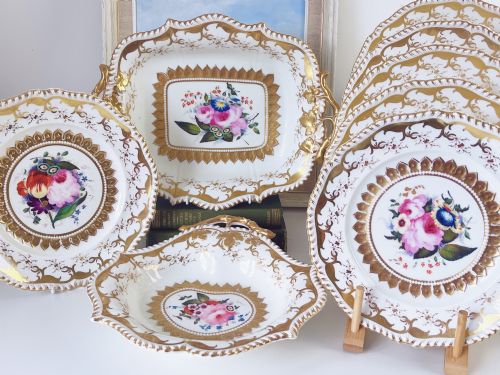
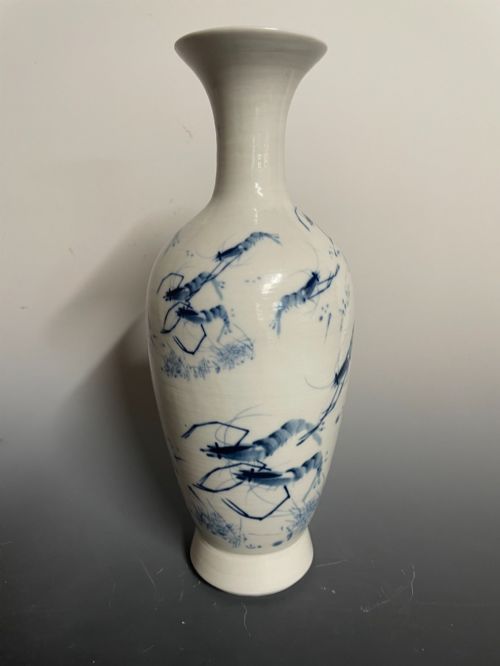
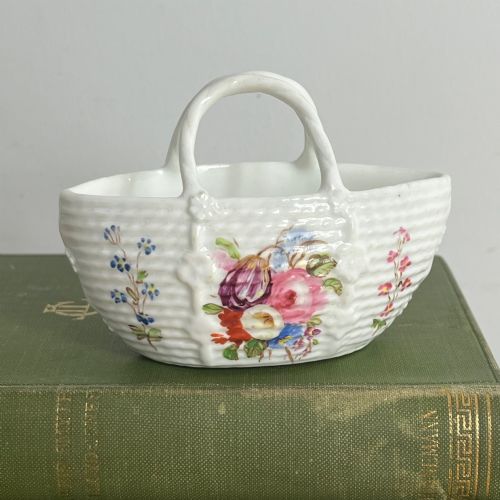
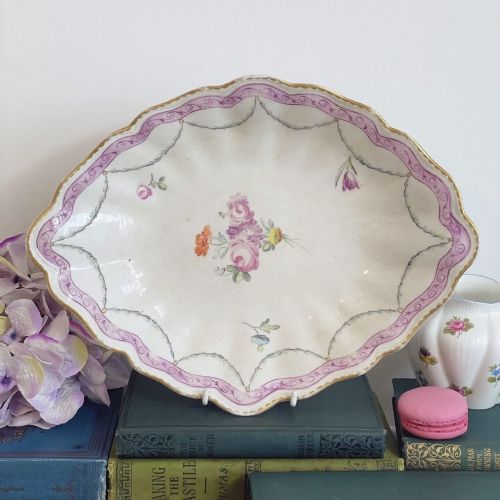
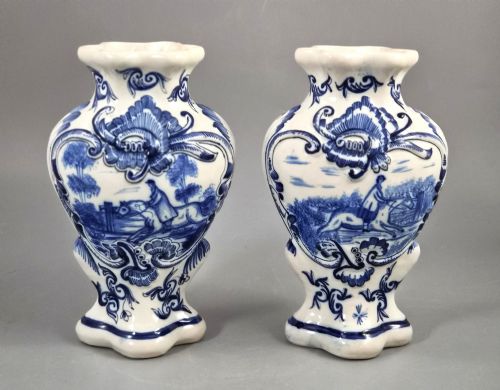
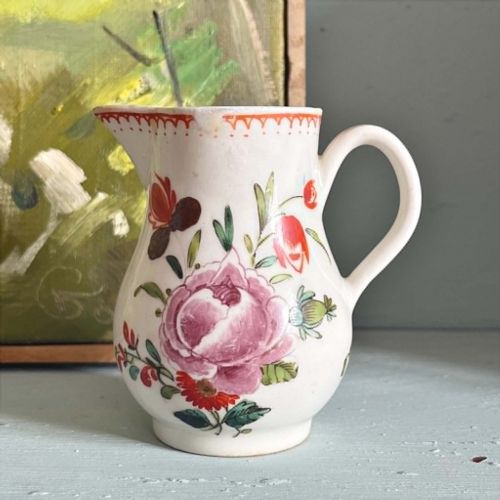
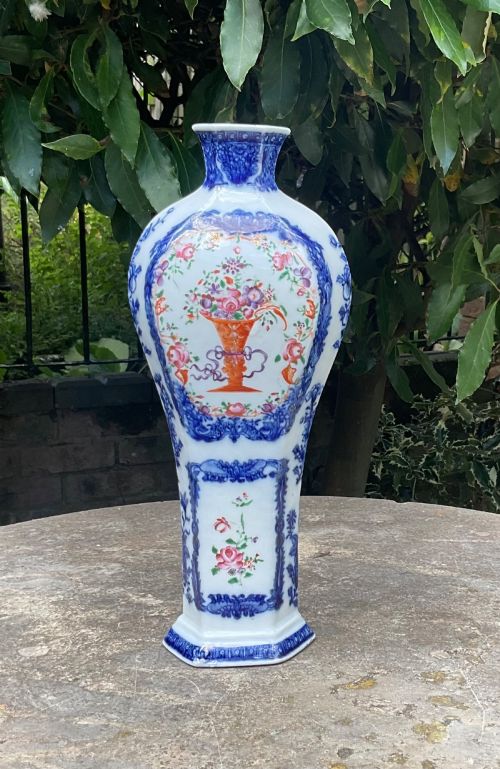
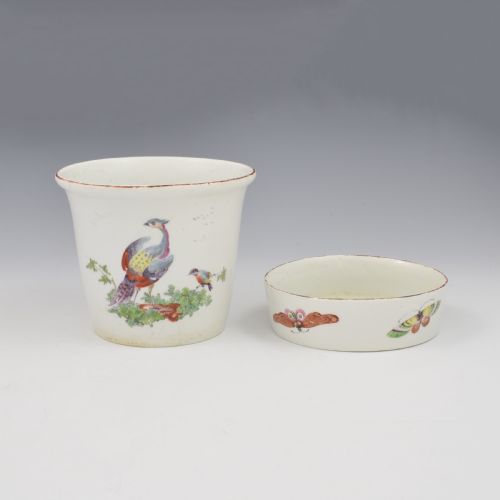
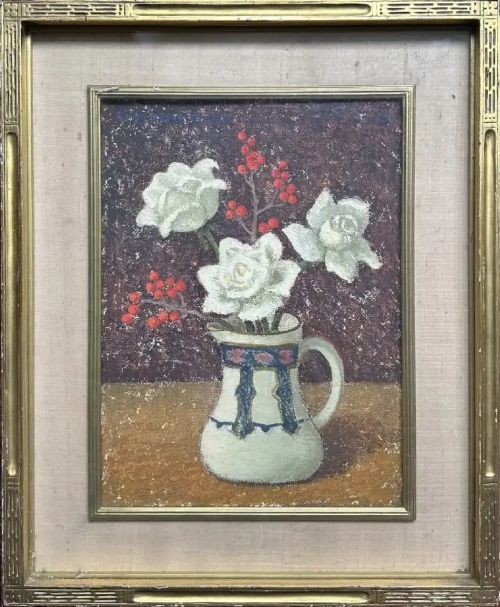
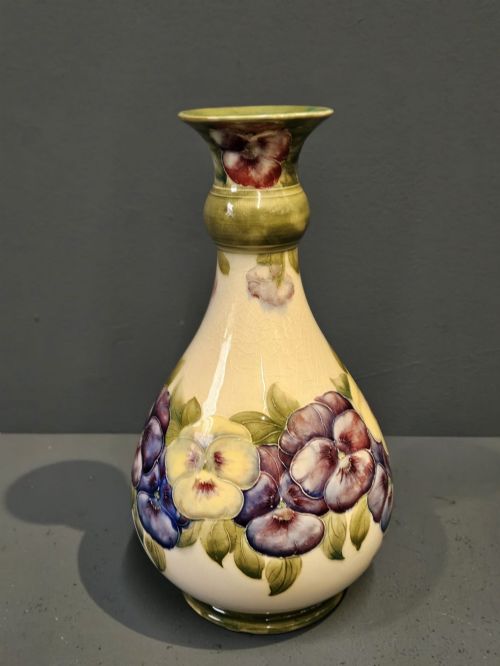
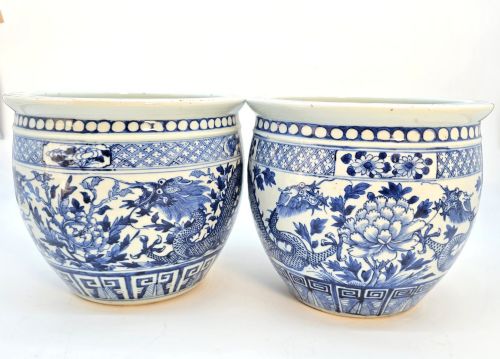
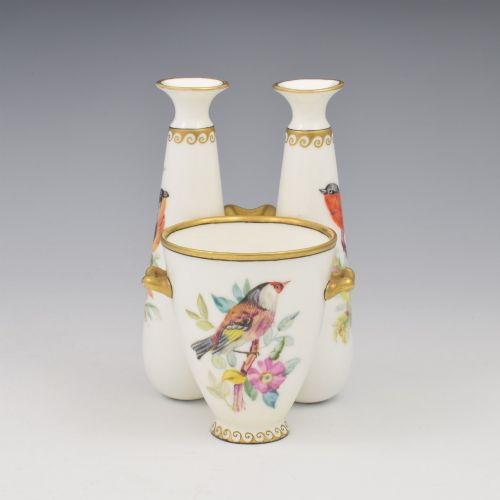
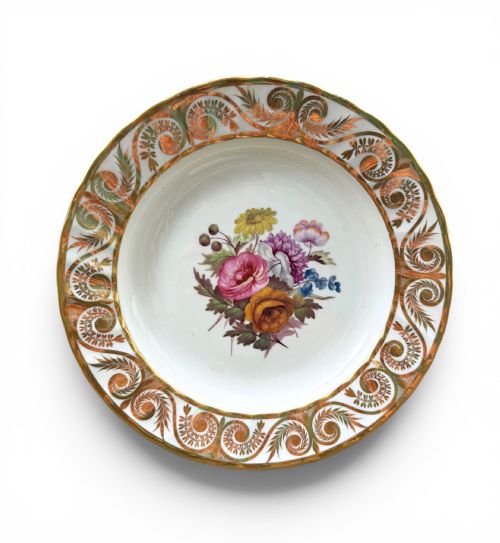
White flower painting encompasses a diverse array of fine art and decorative pieces featuring floral subjects, ranging from framed oils and watercolours to hand-painted ceramics. Buyers searching this phrase encounter everything from 18th-century porcelain vessels decorated with enamel botanicals to 20th-century canvas still lifes.
The selection on this page leans heavily towards botanical compositions on porcelain, earthenware, and canvas. Vases, planters, and traditional oil paintings dominate the offerings across multiple centuries.
Originating from British, European, and Asian workshops, these items reflect enduring horticultural interests across different periods. Pieces vary from utilitarian garden pieces to delicate cabinet porcelain designed solely for display.
Materials and Technique
Makers utilised fine porcelain, earthenware, and glass as surfaces for enamel and hand-painted floral decoration, often applying gold leaf accents to highlight the composition. Painters worked with oil, watercolour, and gouache on canvas, paper, and metal panels to capture botanical details.
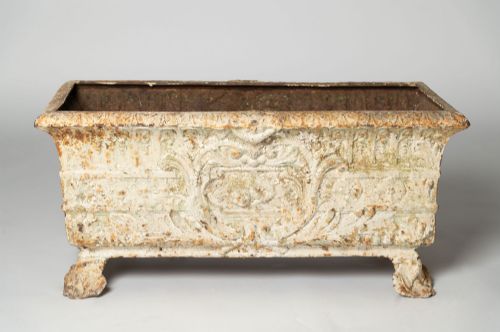
Ceramic pieces required high-temperature firing before skilled artisans applied polychrome pigments and raised white enamel by hand. Metal objects like wrought iron and wirework were shaped into structural plant stands and jardinières to house living plants or ceramic counterparts.
The inventory combines fine art paintings of floral still lifes with decorative ceramics including vases, dishes, and jardinières.
Factors of Quality
Quality rests upon the precision of the brushwork and the clarity of the botanical rendering. Superior examples show delicate shading in the petals, confident hand-painting, and harmonious proportions between the subject and its vessel.
The integration of the material influences overall excellence, such as the crispness of moulded porcelain details or the skilful application of raised enamel work. Maker attribution and well-preserved surface conditions further elevate the standing of individual pieces.
Grainger Lee And Co·Flight Barr And Barr·Moorcroft McIntyre·Royal Worcester·Coalbrookdale
The White Flower Painting Glossary
- Polychrome
- Decoration executed in multiple colours. This technique appears frequently on 18th-century porcelain dishes and vases.
- Enamel
- Vitreous composition fused to a surface through firing, or applied as paint on glass and ceramics. Raised white enamel adds tactile depth to floral motifs.
- Jardiniere
- An ornamental pot or stand designed to hold plants or flowers. These items appear in ceramic, iron, and porcelain forms.
- Gouache
- An opaque watercolour medium used by artists for botanical and still life studies. It provides dense, flat areas of colour.
- Imari
- A style of Japanese export porcelain featuring blue, red, and gold decoration. Pieces often incorporate floral and Chinoiserie designs.
White Flower Painting: Frequently Asked Questions
How do I date antique porcelain floral pieces?
Dating relies on identifying maker's marks, factory periods, and the style of the hand-painted decoration. Blue underglaze marks and pattern numbers often point to specific decades of production.
Material composition and potting techniques also help distinguish 18th-century pieces from later Victorian reproductions.
Were these painted porcelain vessels meant for daily use?
Many fine porcelain items were created for display in cabinets or on mantelpieces rather than practical dining purposes. Dessert services and decorative vases served both aesthetic and functional roles during formal meals.
Robust earthenwares and iron jardinières saw more utilitarian use in domestic interiors and gardens.
How should I care for antique oil paintings on canvas?
Keep paintings away from direct sunlight and fluctuating humidity to protect the canvas and the original pigments. Avoid harsh chemical cleaners when dusting the surface.
Professional conservators should handle any structural repairs or deep cleaning of historic canvases.
What is the difference between gouache and watercolour?
Gouache utilises opaque pigments mixed with a binding agent, creating a heavier and more solid colour application than standard watercolour. Artists often combine both mediums to achieve varying levels of transparency in botanical studies.
Both water-based paints require protective framing behind glass.