

White Enamel Dial Pocket Watch
A white enamel dial pocket watch brings precision timekeeping into daily wear through enduring metal cases and crisp legible faces.
White Enamel Dial Pocket Watch
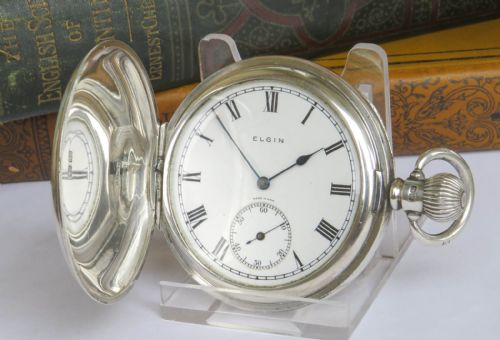
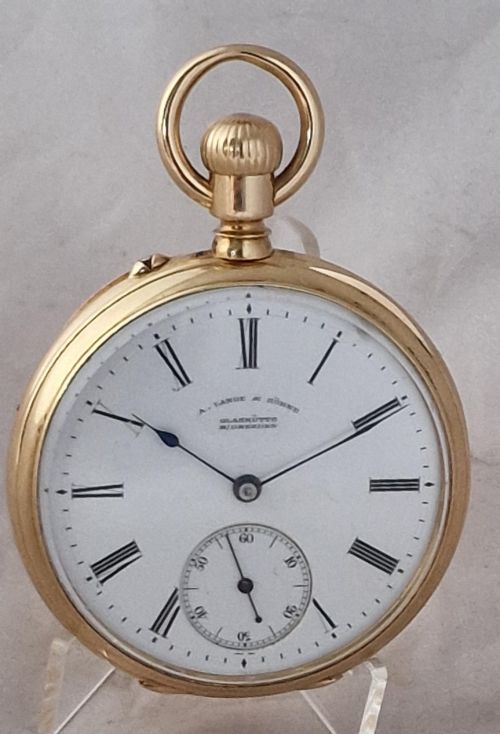
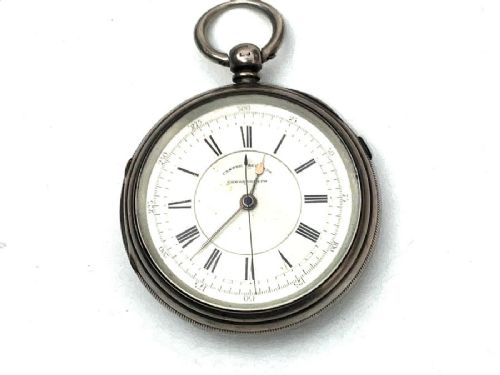
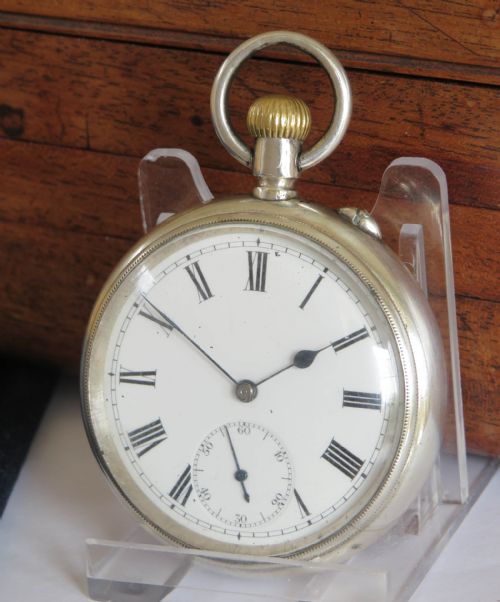
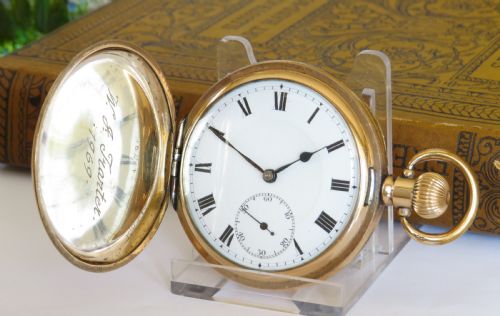
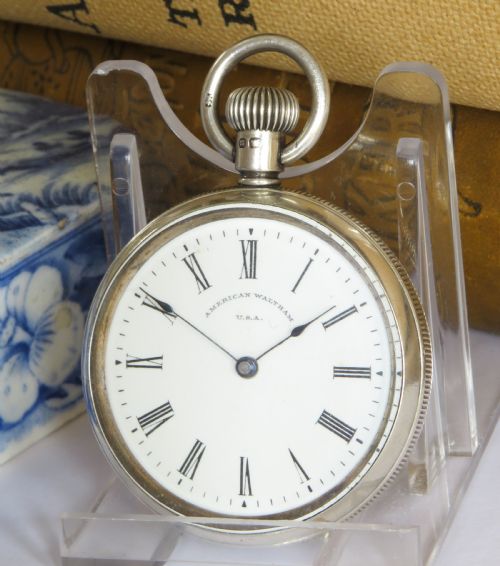
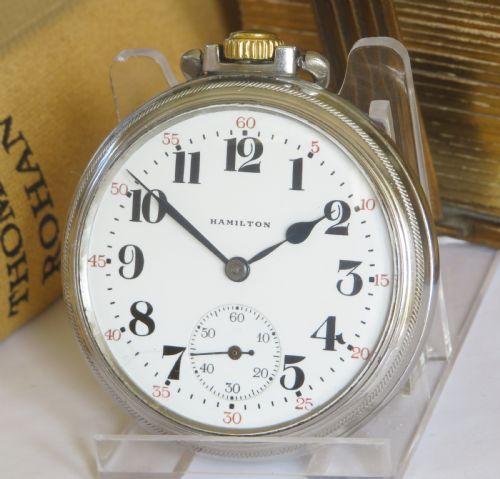
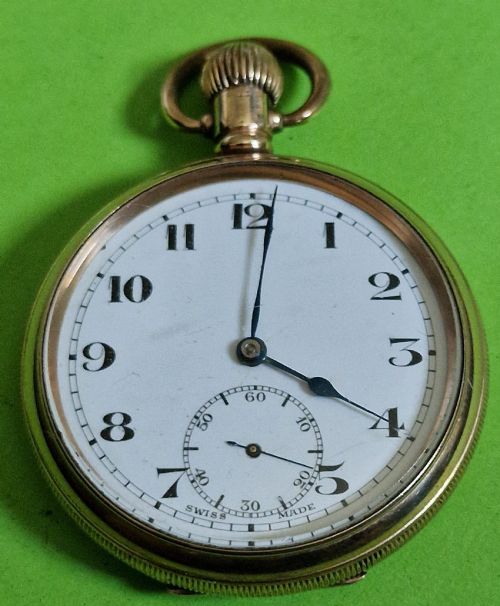
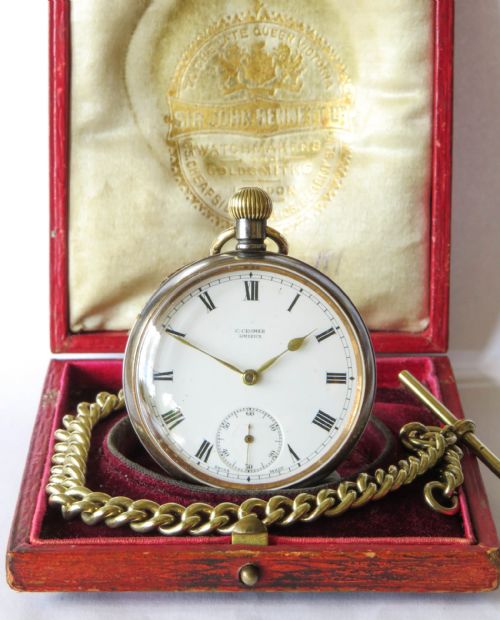
A white enamel dial pocket watch combines traditional horology with robust casing spanning the Victorian, Edwardian, and Art Deco eras. These timepieces range from open-faced designs to hunter and half hunter configurations protected by sturdy outer shells.
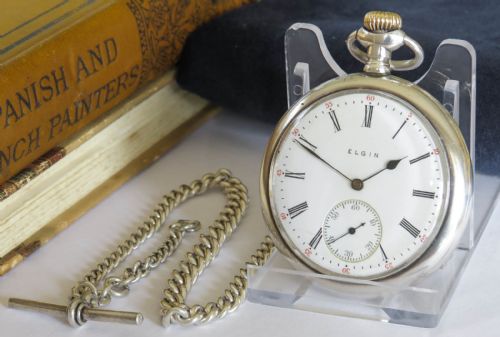
Makers such as Waltham, Omega, and Elgin dominate the selection alongside railway-issued pieces and specialised chronographs. Collectors encounter silver, gold plate, gun metal, and solid gold housings spanning the late nineteenth century to the mid-twentieth century.
Materials and construction
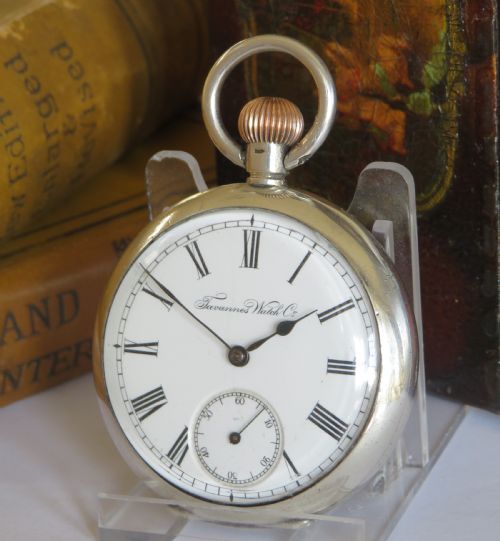
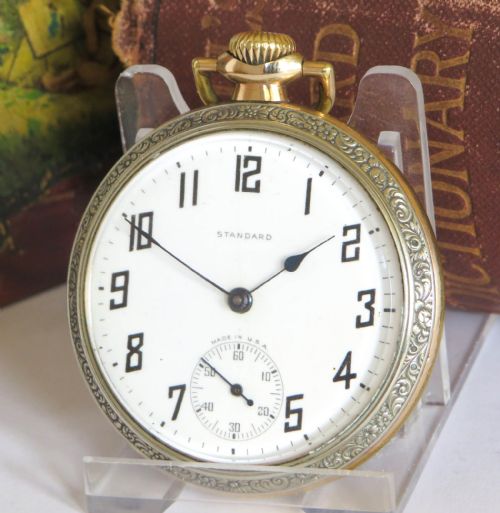
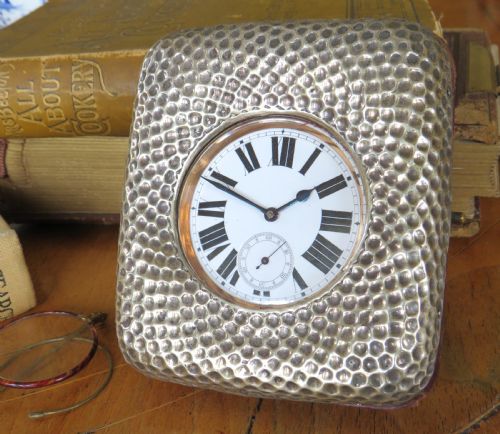
The characteristic dials utilise vitreous enamel fired onto a metal base to create a smooth white surface impervious to fading. Protective glass crystals shield these fragile faces within cases formed from silver, gold, steel, brass, and nickel.
Movement assembly relies on intricate brass and steel mechanical gears housed inside dustproof covers. Specialised mechanisms incorporate lever escapements, repeaters, and eight-day power reserves.
Listings span periods from the nineteenth century through the 1950s, utilising silver, gold plate, steel, and enamel.
Distinguishing quality across examples
Superior execution shows in the crispness of the enamel dial lettering and the absence of hairline fractures across the white surface. High-grade movements feature complex adjustments and fine finishing on the internal brass and steel components.
Case integrity and hallmark clarity separate standard production pieces from railway-issued or specialised chronometer variants. The precision of the mechanical complication dictates the horological standing of each individual watch.
Lange and Sohne·Waltham·Omega·Zenith·Elgin
The White Enamel Dial Pocket Watch Glossary
- Hunter pocket watch
- A timepiece featuring a spring-loaded metal cover that protects the glass crystal and dial from damage.
- Open faced pocket watch
- A design lacking a protective front cover, allowing immediate visibility of the white enamel dial.
- Vitreous enamel
- A glass-like substance fused to a metal substrate at high temperatures to form a durable, glossy dial face.
- Chronograph
- A watch equipped with a complication that measures elapsed time independently of the primary timekeeping hands.
- Lever escapement
- A mechanical linkage that transmits power to the balance wheel while regulating the release of gear train energy.
White Enamel Dial Pocket Watch: Frequently Asked Questions
How do I wind a mechanical pocket watch?
Wind the crown gently clockwise between your thumb and forefinger until you feel firm resistance. Stop immediately to avoid over-tensioning the internal mainspring.
Most vintage pocket watches require daily winding to maintain accurate timekeeping throughout the operational period.
What is the difference between a hunter and open faced watch?
A hunter watch includes a hinged metal lid that springs open via a crown button to reveal the dial. An open faced watch leaves the glass crystal and dial permanently exposed.
Open faced variants suited rapid station checks, whereas hunter cases offered superior protection for rough daily service.
How are railway pocket watches identified?
Railway pieces feature distinct company inscriptions, engraved issue numbers, and high-grade regulated movements designed for absolute accuracy. Railway staff required robust open faced watches with bold dials for timing train movements.
Look for specific company markings stamped onto the rear case or dust cover.
Can I wear a pocket watch daily?
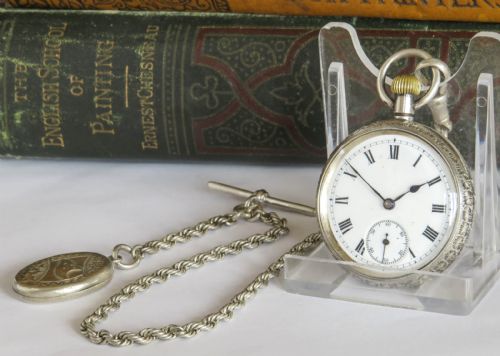
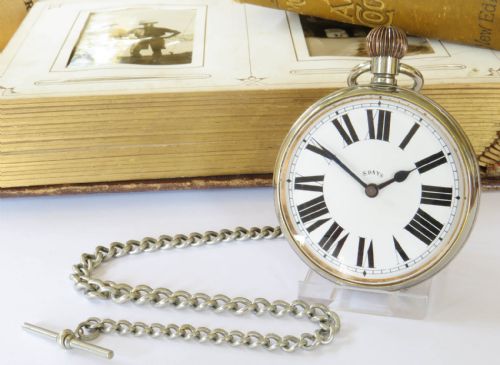
Daily wear is entirely practical provided the watch receives regular mechanical servicing and proper case storage. Secure the piece using an albert chain anchored securely to a waistcoat or belt loop.
Avoid exposure to excessive moisture and magnetic fields to preserve the vintage internal mechanism.