
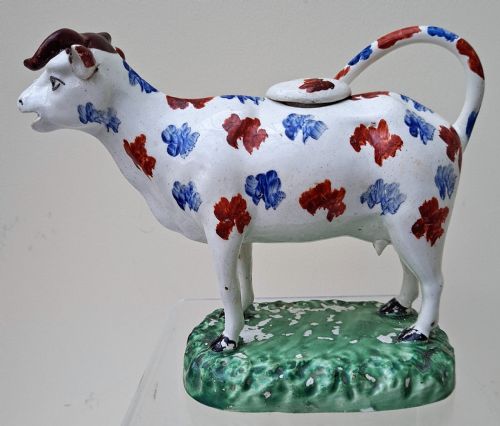
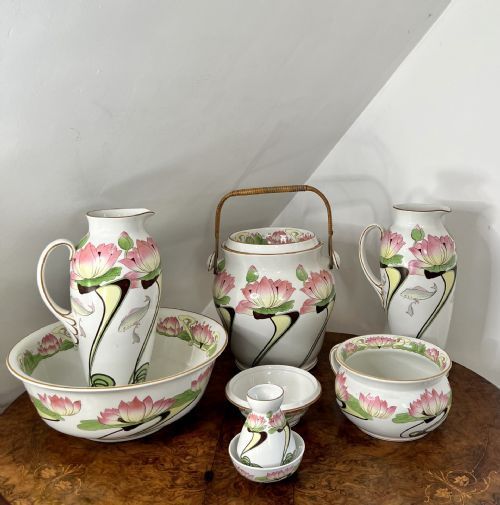


White Earthenware Pitcher
A white earthenware pitcher brings tactile British pottery history directly to a table or wash stand.
White Earthenware Pitcher
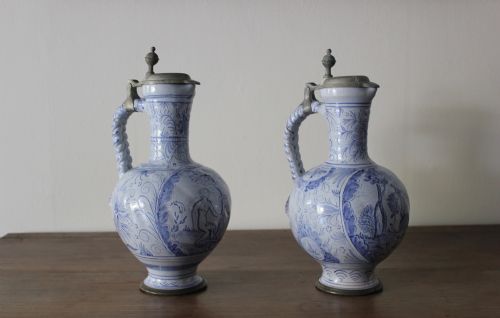
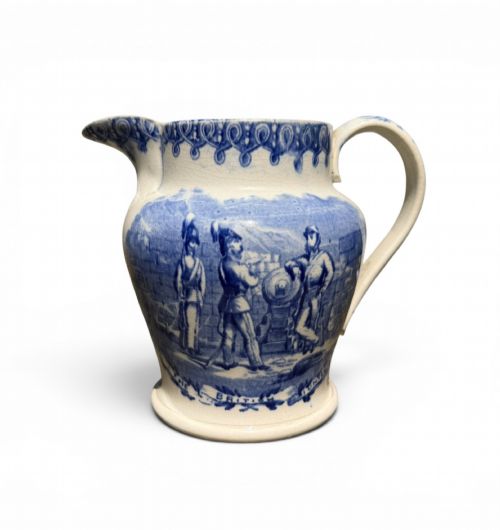
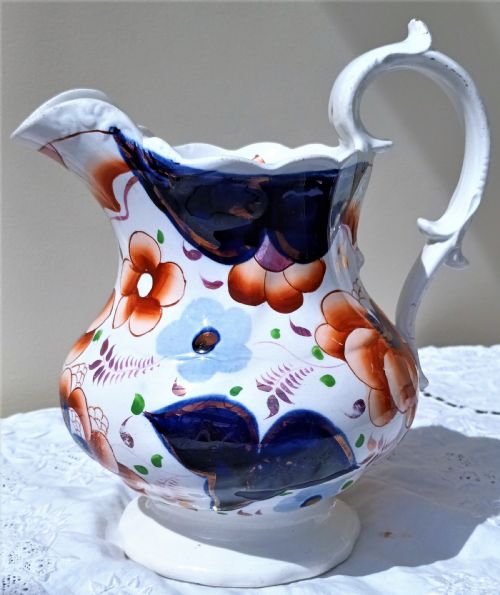
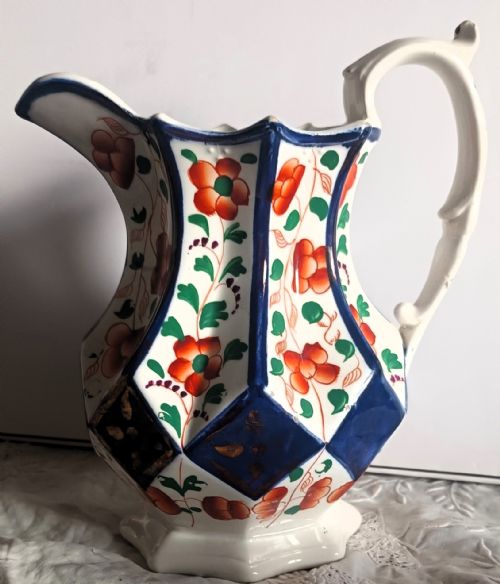
When searching for a white earthenware pitcher, collectors encounter robust ceramic vessels designed for utility and display across several centuries. The selections on this page span Georgian, Victorian, and Edwardian eras, encompassing diverse domestic forms.
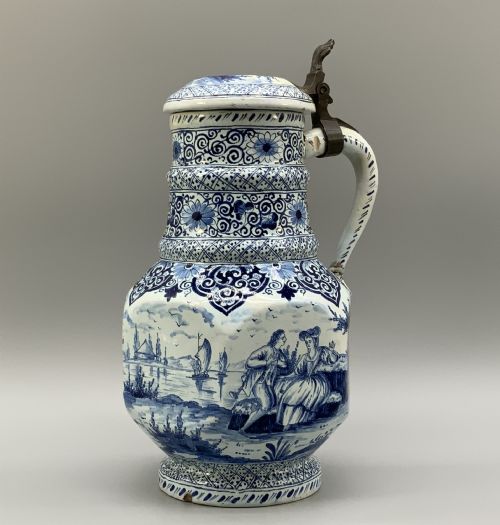
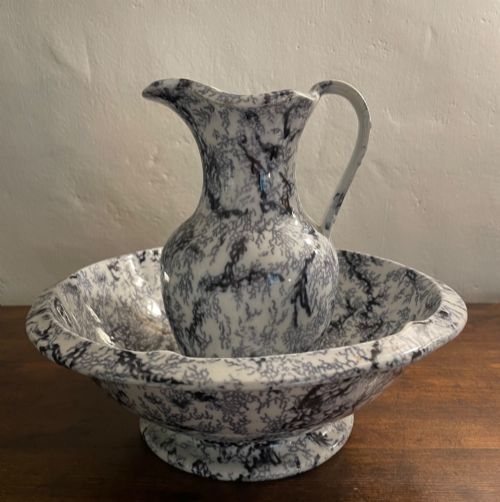
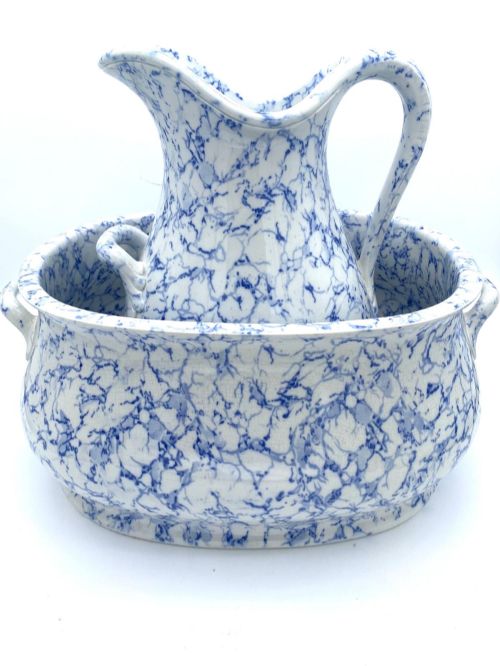
The most common examples include Staffordshire transferware pieces, Dutch delftware vessels, and complete bathroom wash sets. These range from small milk jugs and creamers to large water pitchers and footbath vessels.
Originating from English potteries and continental workshops, these items demonstrate how functional kitchen and washroom items evolved into decorative display pieces. Many retain traces of daily service alongside their decorative blue and white or polychrome patterns.
Materials and construction
Potters shaped these vessels using earthenware, creamware, or pearlware bodies, frequently applying tin glaze or clear lead glazes over the clay. Cobalt blue, enamel pigments, and occasional gold leaf added colour and detail to the fired surfaces.
Moulding techniques such as cabbage leaf patterns or faceted sides gave structure to the ceramic body before glazing. Pewter lids appeared on certain eighteenth-century Dutch delftware pieces to secure the contents.
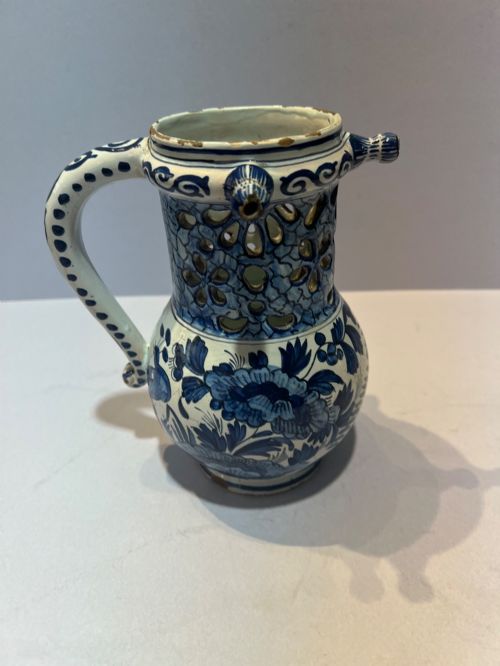
Object forms include standard jugs, pitchers, wash set ewers, puzzle jugs, apothecary jars, and figural Toby jugs.
Quality and execution
The standard of a white earthenware pitcher rests on the crispness of the moulded details and the control shown in the glaze application. Transfer-printed scenes display varying degrees of clarity, where sharper ink transfer indicates superior workshop output.
Hand-painted polychrome or blue and white pieces derive distinction from the sureness of the brushwork and the stability of the glaze during firing. Well-balanced handles and cleanly finished spouts separate standard utilitarian kitchenware from finer cabinet examples.
Minton·Leeds Pottery·Doulton Lambeth·Pieter Verburg
The White Earthenware Pitcher Glossary
- Earthenware
- Porous pottery fired at lower temperatures than stoneware or porcelain. It requires a glaze to hold liquids.
- Tin-glazed earthenware
- Pottery covered with an opaque white glaze containing tin oxide, providing a smooth surface for painted decoration.
- Pearlware
- A refined form of earthenware developed in the late eighteenth century featuring a subtle bluish glaze to mimic porcelain.
- Transferware
- Pottery decorated by applying a printed design from a copper plate onto paper and then onto the ceramic body.
- Toby jug
- A pottery jug moulded in the shape of a seated person, typically a robust figure holding a mug and a jug.
White Earthenware Pitcher: Frequently Asked Questions
How do I date a ceramic pitcher?
Dating relies on observing the clay body, glaze characteristics, and decorative style recorded in the manufacturing marks or potting technique. Creamware and pearlware point toward the Georgian period, while flow blue and bright transfer prints typically signal Victorian production.
Shape and handle construction also offer clues to the era of manufacture. Later nineteenth-century examples often display bolder transfer patterns and heavier earthenware bodies compared to earlier eighteenth-century delftware.
Were these pitchers used daily?
Most of these vessels served practical domestic roles as water jugs, milk vessels, wash set pitchers, or apothecary jars. Their sturdy earthenware construction allowed them to withstand regular household tasks in kitchens and bedrooms.
Over time, many transitioned from working kitchenware to decorative display items. Surviving examples often show light wear from their original service.
How should I display my pitcher?
These pitchers sit well on open wooden shelves, sideboards, or within cabinet displays where their glazes catch the light. Grouping graduated sets or matching wash basins enhances their visual impact in a room.
Placing them away from direct heat sources protects the glaze and any delicate enamel decorations. Ensure stable placement, particularly with larger one-gallon or footbath jugs.