


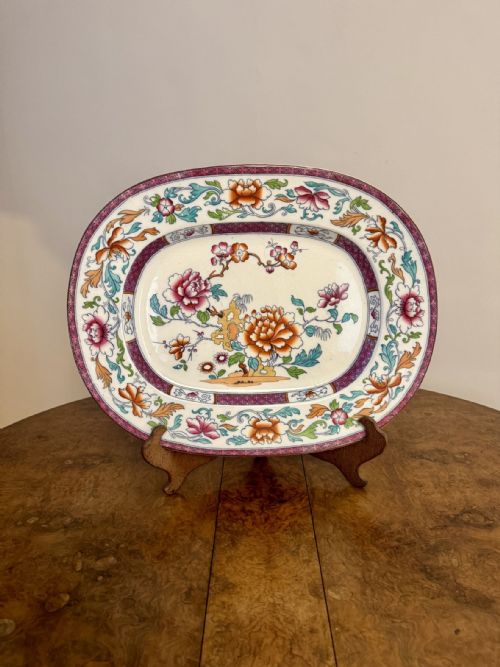
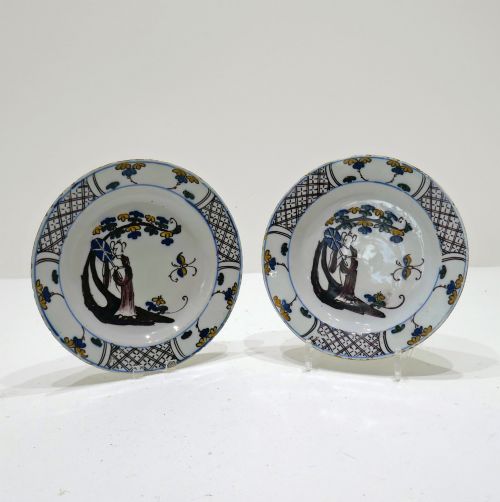
White Earthenware Dish
These white earthenware dish examples span centuries of ceramic tradition, offering both bold chargers and practical platters for the home.
White Earthenware Dish
A white earthenware dish encompasses everything from robust seventeenth-century chargers to delicate Victorian platters and serving dishes. These domestic and decorative items display the evolution of pottery forms across British, Dutch, and French traditions.
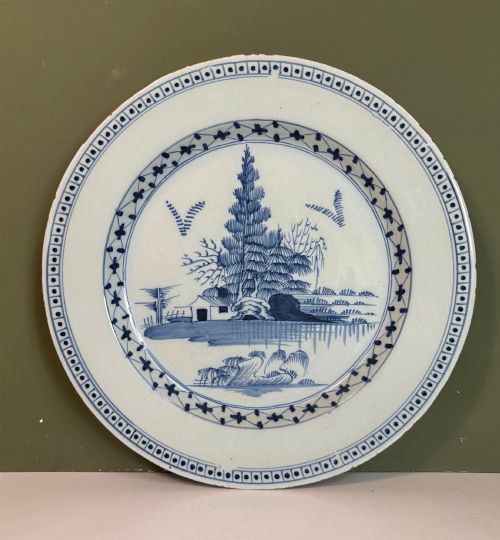
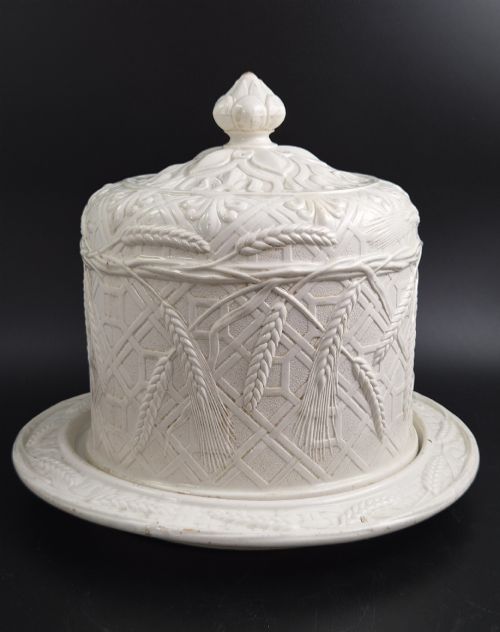
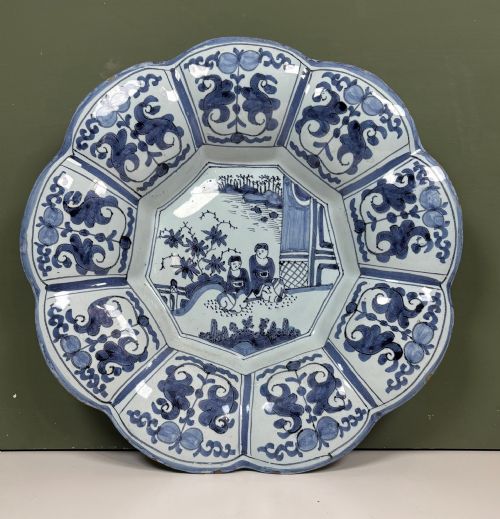
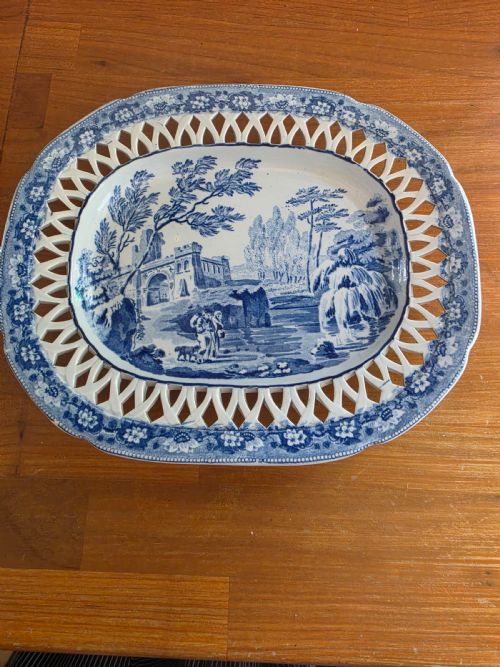
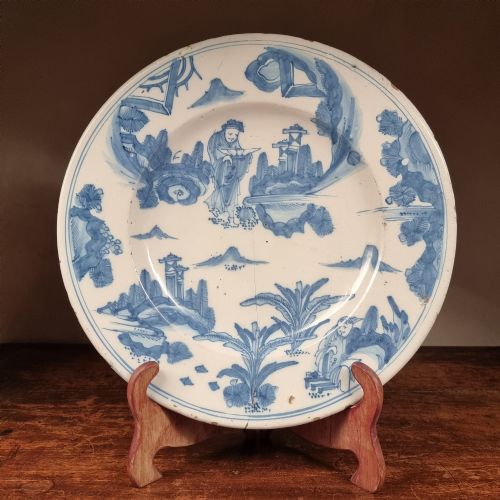
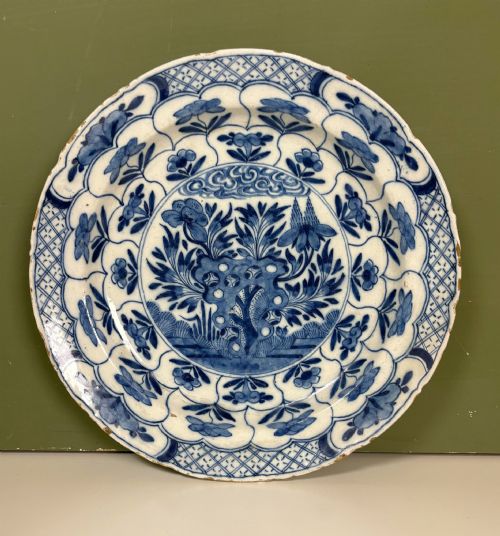
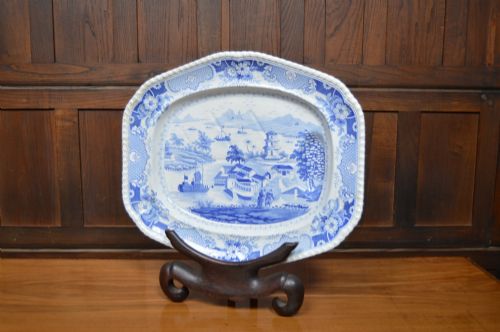
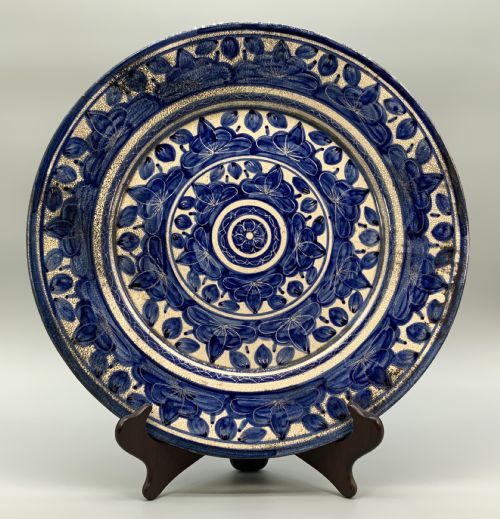
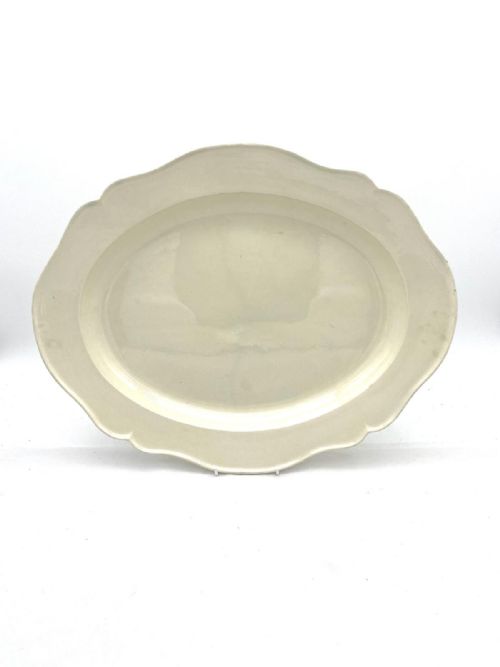
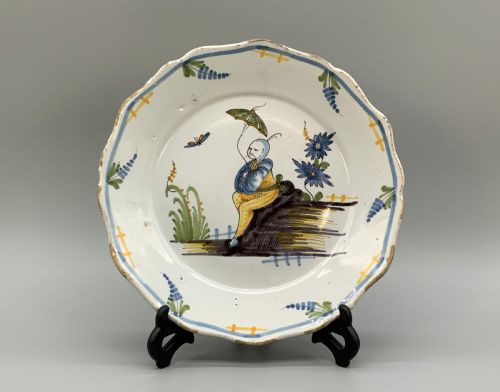
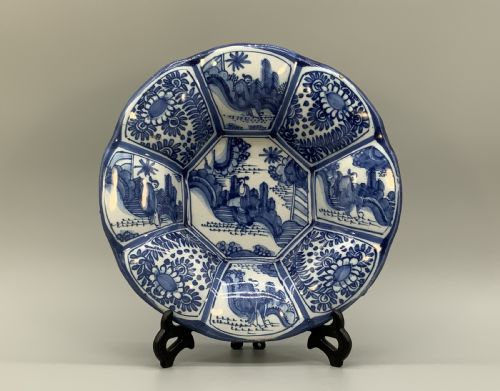
The pieces appearing on this page range from early tin-glazed earthenware and creamware to later transfer-printed ironstone and faience. Collectors encounter deep chargers, lobed plates, vegetable tureens, and large meat platters spanning multiple centuries.
Materials and Construction Techniques
Potters built these vessels using porous clay bodies coated in opaque tin glazes or clear lead glazes to create the characteristic white surface. Artisans applied cobalt pigment, manganese, or polychrome enamel directly onto the raw glaze before high-temperature firing.
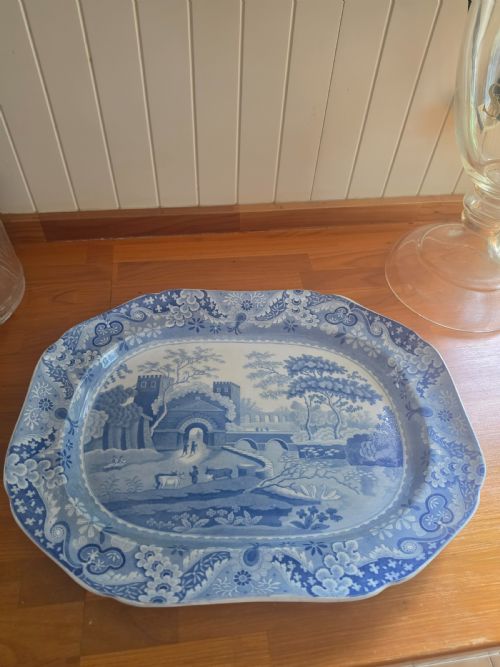
Later nineteenth-century pieces frequently utilise transfer-printing technology, applying detailed copperplate engravings onto cream-coloured earthenware bodies. This mechanical transfer method allowed intricate scenic designs to cover large platters, tureens, and chargers with striking precision.
Listings feature white earthenware vessels from the seventeenth century through the Victorian era, utilising tin glaze, cobalt pigment, and transfer printing.
Assessing Craftsmanship and Visual Impact
Quality in a white earthenware dish rests upon the clarity of the painted tin-glaze or the crispness of the transfer-printed scene. Finer examples exhibit balanced proportions, minimal glaze distortion during firing, and vibrant cobalt pigments that hold strong contrast against the white background.
Hand-painted delftware and faience demonstrate the steady hand of the decorator through brushwork precision and pigment saturation. Transferware quality depends on the sharpness of the copperplate impression without excessive blurring or pooling of the blue oxide.
Spode·Davenport·John Rogers and Son·James Wallace and Co·J and R Clews·J and R Riley
The White Earthenware Dish Glossary
- Tin Glaze
- A ceramic glaze made opaque by the addition of tin oxide, creating a smooth white surface suitable for painted decoration. It formed the primary coating for European delftware and faience production.
- Transferware
- A pottery decoration technique where a design is engraved on a copper plate, inked, transferred to tissue paper, and applied to the ceramic body. This method revolutionised British pottery production during the Georgian and Victorian periods.
- Charger
- A large decorative plate or shallow bowl typically displayed on walls or sideboards rather than used for dining. Seventeenth and eighteenth-century examples often feature elaborate hand-painted motifs.
- Creamware
- A refined, pale yellow-toned earthenware developed in England during the eighteenth century. Its smooth glaze provided an ideal ground for transfer printing and silver-shaped moulding.
- Faience
- European tin-glazed earthenware produced primarily in France, Spain, and other continental regions. Pieces often display colourful pigments and distinctive regional styles.
White Earthenware Dish: Frequently Asked Questions
How do I clean an antique earthenware dish?
Wash these ceramic pieces gently by hand using lukewarm water and mild soap, avoiding harsh scrubbing or dishwashers.
Dry them thoroughly with a soft cloth to protect the historic glaze and prevent moisture absorption through any exposed earthenware body.
Can I use these antique platters for serving food?
Many nineteenth-century transferware platters and tureens were originally designed for family meals and remain structurally robust enough for table use.
Early tin-glazed chargers from the seventeenth and eighteenth centuries are better suited for display due to their age and delicate glaze composition.
What is the difference between a charger and a platter?
A charger is predominantly a large, shallow decorative plate made to be showcased on walls or furniture rather than loaded with heavy food.
A platter serves a functional dining purpose, shaped specifically for presenting meats, poultry, or vegetables at the table.