

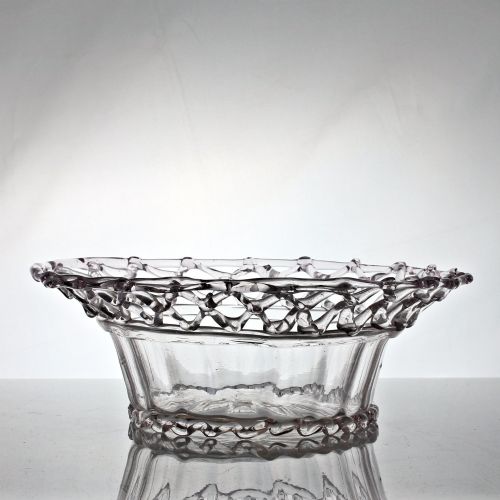
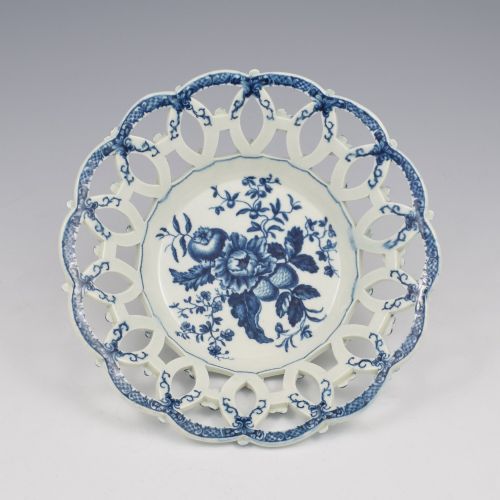


Georgian Reticulated Basket Dish
A georgian reticulated basket dish brings openwork ceramic craft to the table, offering pierced lattice designs that collectors prize for display.
Georgian Reticulated Basket Dish
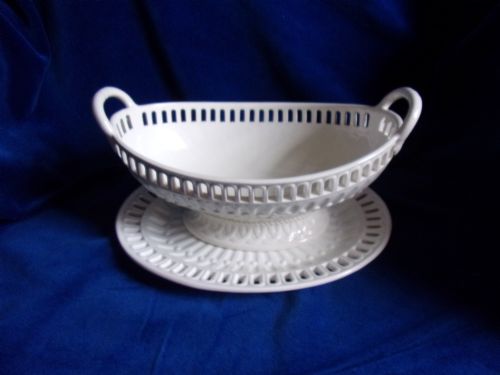
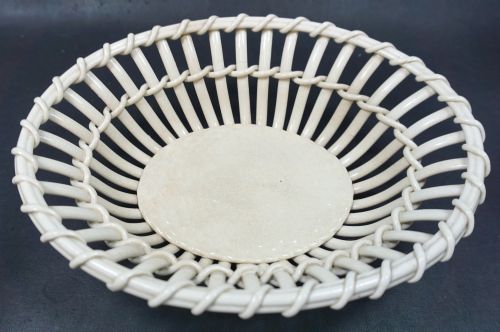
A georgian reticulated basket dish encompasses pierced ceramic vessels and platters designed for serving fruit, chestnuts or sweetmeats during the eighteenth and nineteenth centuries. These pieces appear primarily as earthenware, creamware, pearlware, and porcelain, frequently featuring intricate openwork borders or woven lattice walls.
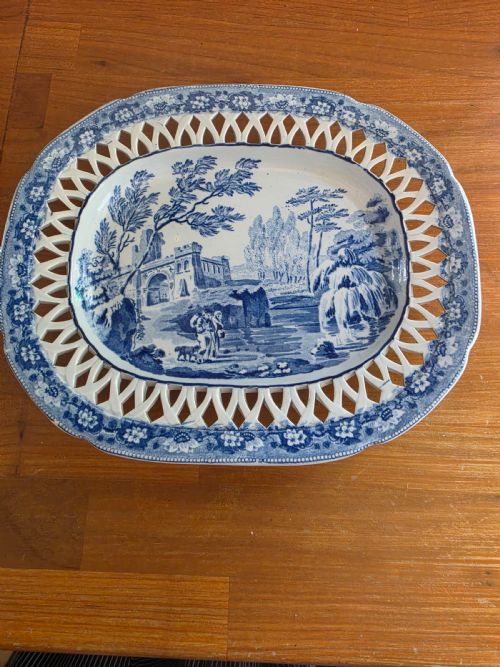
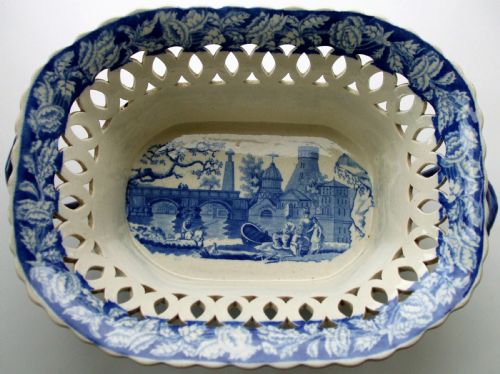
The selection on this page centres on British earthenware and porcelain from the eighteenth and nineteenth centuries, alongside Chinese export porcelain and Belgian glass. Forms range from chestnut baskets with matching stands to circular bowls and fretted platters decorated in blue and white transfer printing or hand-painted famille rose colours.
Buyers encounter regional varieties spanning English factories like Worcester, Wedgwood, Davenport, and Clews, as well as continental and export works. Each item utilises pierced or traforato techniques to create light, decorative vessels intended for formal dining displays.
How they were made
Potters constructed these vessels using earthenware, creamware, pearlware, and porcelain bodies, shaping them by hand or moulding them over forms. Artisans then pierced the wet clay walls or applied applied lattice strips to create the characteristic openwork reticulation before firing.
Decoration relied on underglaze blue and white transfer printing, lead glazes, or hand-painted enamel palettes such as the Chinese export famille rose style. Factories like Worcester and Mason applied these intricate patterns across porcelain and ironstone surfaces prior to the final glaze firing.
Georgian Reticulated Basket Dish Retail Price Guide 2026
Typical asking prices for georgian reticulated basket dish among the pieces listed under this phrase on Sellingantiques today, from the lower quarter to the upper quarter. They describe what is for sale here now, not the wider market.
Materials span earthenware, creamware, pearlware, porcelain, lead glaze, and glass across eighteenth and nineteenth-century periods.
What varies in quality
Quality rests upon the crispness of the piercing and the fineness of the ceramic body, where sharper lattice cuts and thinner porcelain walls denote superior craftsmanship. The precision of transfer-printed river scenes or hand-painted enamel details also marks the distinction between standard utilitarian wares and high-status display pieces.
Completeness dictates value, particularly when baskets retain their original matching stands, undertrays, or applied twig handles. Pieces bearing clear factory attribution or documented early patterns maintain a stronger distinction among collectors.
Davenport·Wedgwood·J. and R. Clews·Mason
The Georgian Reticulated Basket Dish Glossary
- Reticulated
- Pierced or net-like decoration formed by cutting openings into the clay body before firing. This technique creates decorative openwork borders resembling basketry.
- Creamware
- A refined earthenware developed in England during the eighteenth century, characterised by a pale yellowish lead glaze. Wedgwood perfected this light ceramic body for tableware.
- Pearlware
- An improved earthenware introduced in the late eighteenth century featuring a bluish glaze that pooled in crevices to mimic Chinese porcelain. It superseded creamware for blue and white transfer-printed items.
- Traforato
- An Italian term used to describe pierced, fretted, or openwork glass and ceramic decoration. It denotes items worked with deliberate cut-out patterns.
- Chestnut basket
- A specialised vessel equipped with a pierced lid or openwork body designed for holding roasted chestnuts at the table. These often included a matching undertray.
Georgian Reticulated Basket Dish: Frequently Asked Questions
What were chestnut baskets used for?
These vessels held hot roasted chestnuts during dessert courses in formal dining rooms, allowing steam to escape through the pierced walls.
Servants brought them to the table as part of elaborate tiered table settings alongside fruit and sweetmeats.
How do I identify a creamware basket?
Creamware displays a warm, pale yellow tone beneath a transparent lead glaze, distinguishing it from later whiter earthenwares.
Look for refined potting and delicate pierced lattice work typical of late eighteenth-century English factories.
Are these baskets meant for food?
While originally designed for dining service, antique reticulated dishes are now primarily displayed as decorative objects.
Age and historical glaze compositions mean most owners prefer to use them for dry display rather than serving food.
What is the difference between pearlware and creamware?
Pearlware incorporates a small amount of cobalt in the glaze to create a bluish tint that contrasts with the warmer yellow hue of creamware.
This stylistic shift occurred around the turn of the nineteenth century to better imitate imported Chinese porcelain.