


White Ceramic Table Lamp
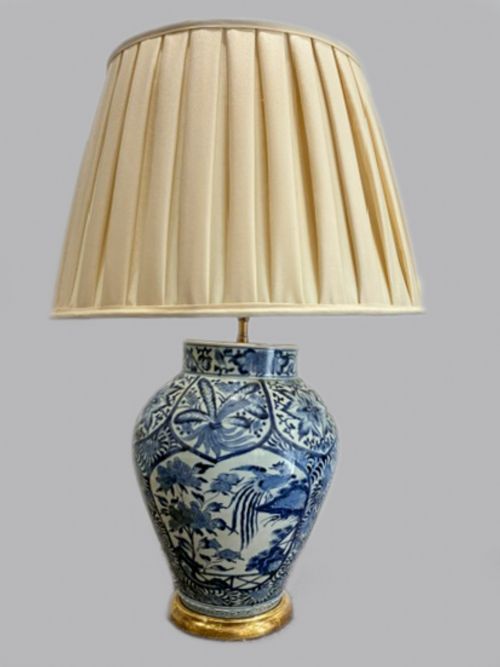
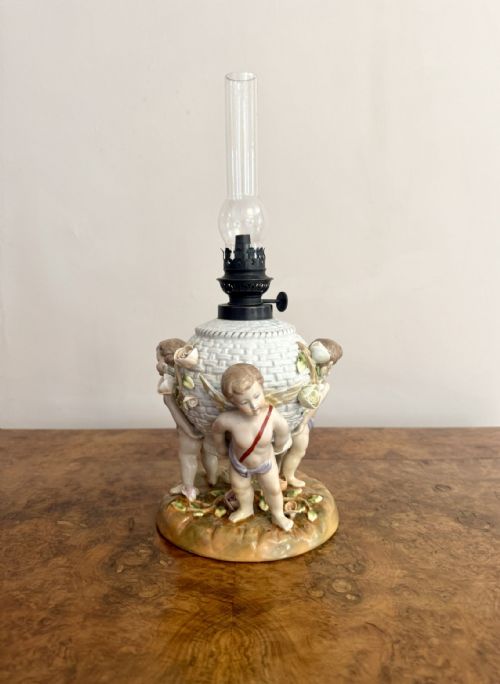
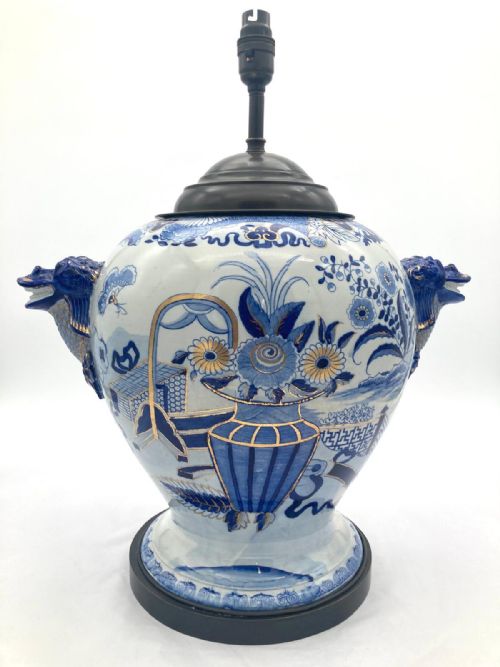
These white ceramic table lamp designs combine converted historical vases and purpose-built porcelain bodies to bring soft illumination and classical form to a room.

White Ceramic Table Lamp
A white ceramic table lamp brings together centuries-old ceramic traditions and practical domestic illumination, taking forms ranging from converted antique vases to purpose-made porcelain figures. When you search for this phrase, you encounter pieces that span multiple centuries, from seventeenth-century Japanese vessels to twentieth-century art deco creations.
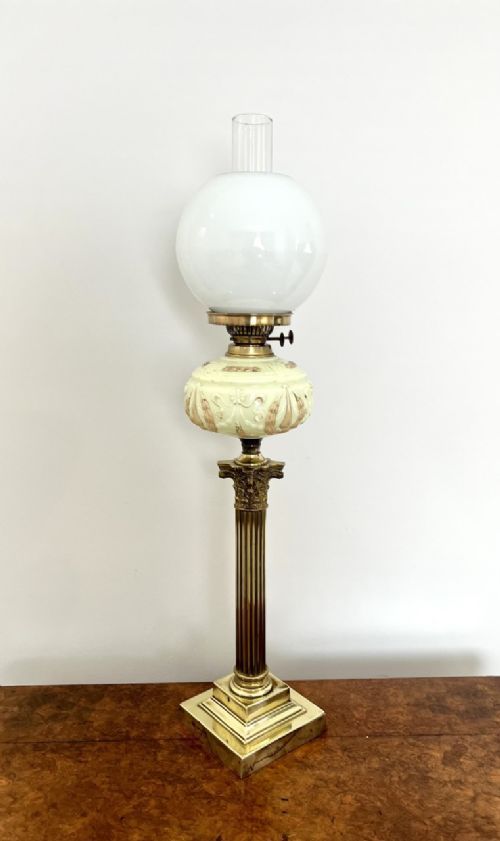
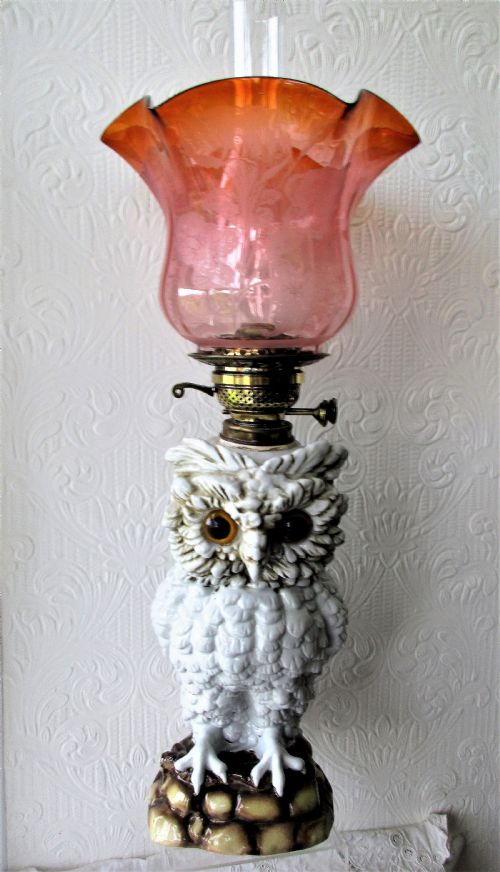
The material vocabulary of these pieces draws heavily on porcelain, earthenware, and ironstone, often mounted on brass, bronze, or glass bases. Many examples originate as oil lamps from the Victorian era or earlier ceramic vases adapted for electricity with handmade fabric or silk shades.
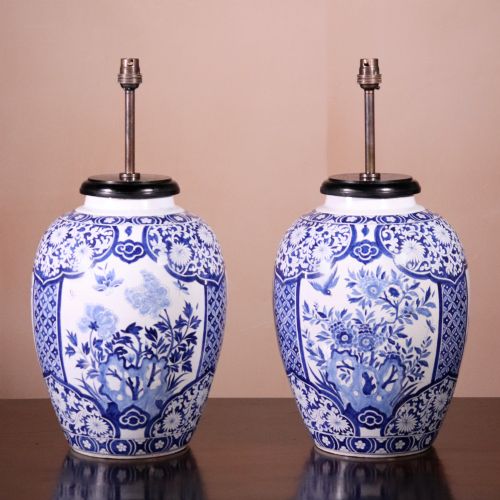
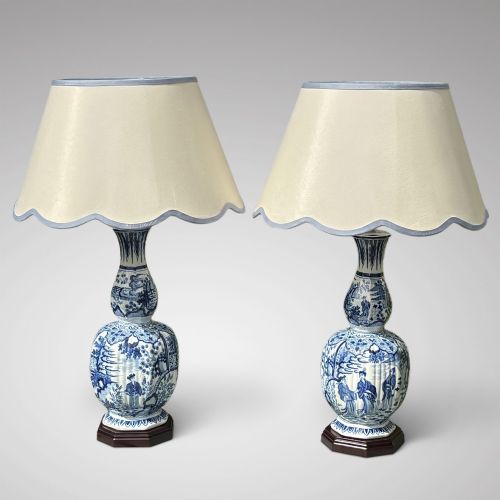
Stylistic influences run from Chinese Qing dynasty blue and white porcelain and Blanc de Chine figures to European productions from German and French factories. Pairs appear frequently among these listings, offering symmetrical options for mantelpieces or side tables.
What varies in quality
The distinction between ordinary and exceptional examples rests upon the artistic merit of the ceramic body and the integrity of the conversion. Hand-painted detail on porcelain figures, crispness in relief moulding such as pate-sur-pate, and the weight of associated brass or bronze mounts separate standard production items from masterworks.
Provenance and preservation also dictate standing within the market. Original factory condition, matching pairs with uniform glaze coloration, and historical mounts executed in ormolu or gilt bronze elevate individual lamps far above assembled pairs or later adaptations.
Listings feature porcelain, earthenware, and ironstone bodies spanning the eighteenth, nineteenth, and twentieth centuries, mounted on brass and glass.
Sitzendorf·Ernst Bohne and Sohn·Hicks and Meigh·Gien
The White Ceramic Table Lamp Glossary
- Blanc de Chine
- A white porcelain produced in Dehua, China, known for its milky glaze and frequently moulded into figures such as the Dog of Fo. This material forms the basis for several minimalist lighting options.
- Ginger Jar
- A broad-shouldered ceramic container originally used to transport spices, later adapted into a popular silhouette for table lamps. These jars often display blue and white painted decoration.
- Pate-sur-pate
- A ceramic decoration technique where liquid porcelain clay is built up in successive layers on a contrasting body to create a low relief cameo effect. This method demands high skill from the ceramic artist.
- Ormolu
- Gilded brass or bronze applied as a decorative mount to enrich the base or collar of a lamp. It adds structural support and decorative warmth to porcelain bodies.
- Ironstone
- A heavy, durable type of earthenware patented in the nineteenth century to imitate Chinese porcelain. It provides a sturdy white body suited to large lamp bases.
White Ceramic Table Lamp: Frequently Asked Questions
Are these lamps converted from old vases?
Many examples began as seventeenth, eighteenth, or nineteenth-century ceramic vases, ginger jars, and oil lamps which were subsequently adapted for electrical wiring.
This method of conversion preserves historical ceramic art while allowing the pieces to serve modern functional lighting needs in domestic settings.
How do I identify porcelain from earthenware?
Porcelain typically exhibits a finer, vitrified white body that can show translucency when held to light, whereas earthenware is more opaque and porous.
Items described as ironstone or majolica offer different weights and surface textures compared to traditional hard-paste or soft-paste porcelain bodies.
Do these lamps come with shades?
Selected pieces are offered with handmade fabric or silk shades designed to complement the proportions and period of the ceramic base.
Listings specify whether a shade is included, allowing buyers to source matching or period-appropriate alternatives if needed.
How should I clean a ceramic lamp base?
Gentle dusting with a soft, dry cloth is usually sufficient for glazed ceramic and porcelain surfaces to prevent accumulation of grime.
Harsh chemical cleaners should be avoided, particularly around gilt bronze mounts, hand-painted underglaze blue details, and electrical components.