



White Ceramic Sculpture
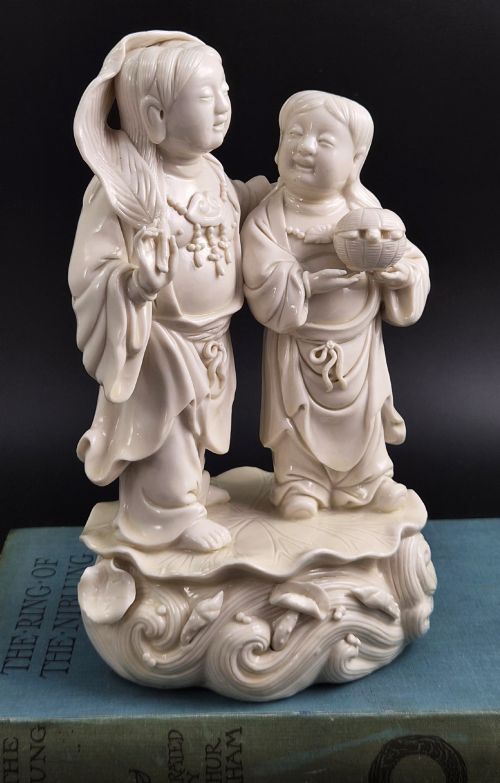
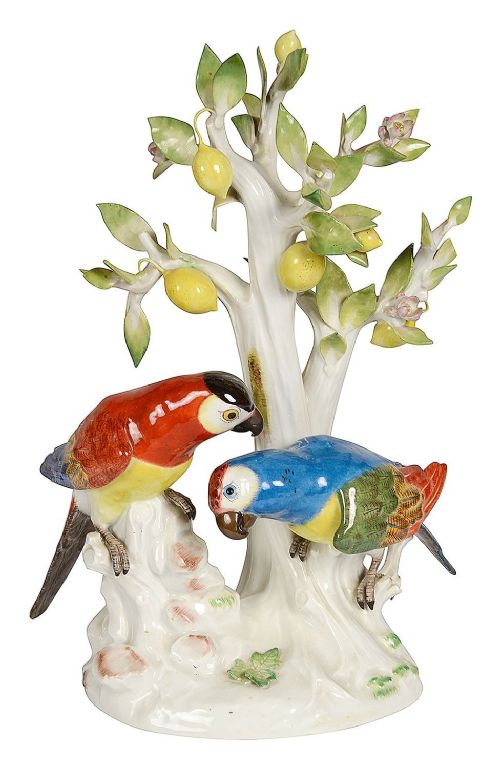
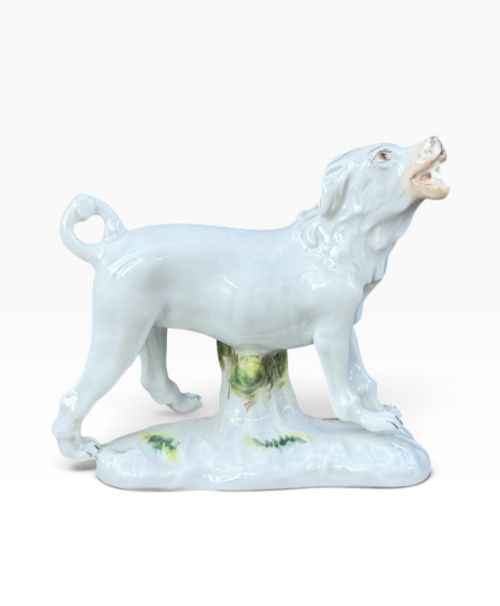
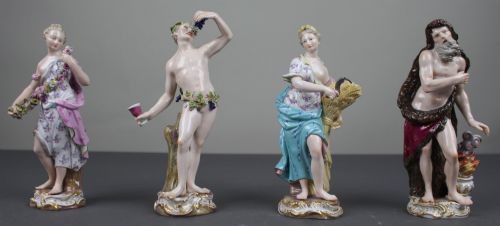
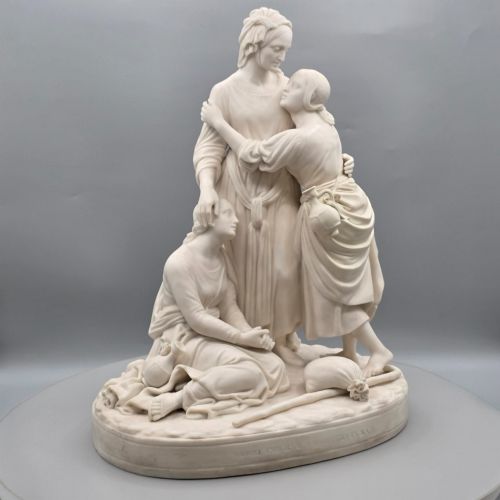
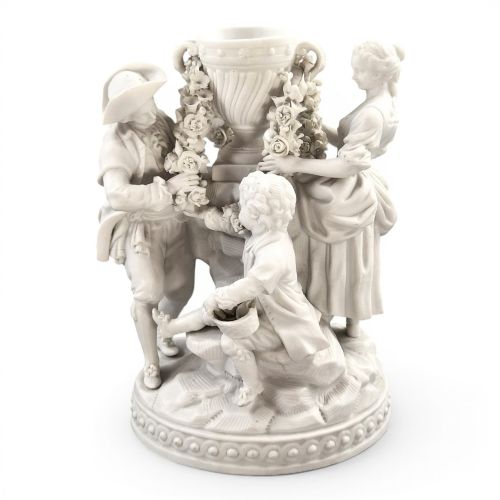
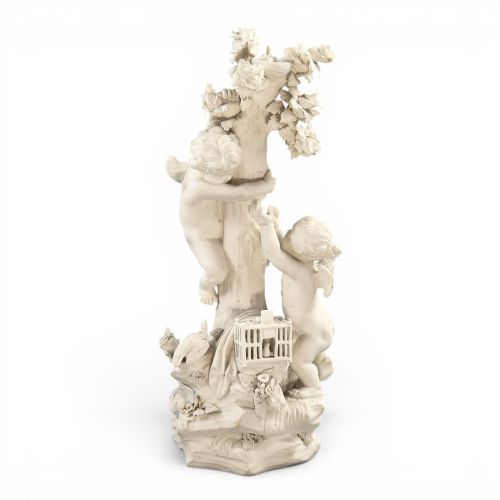
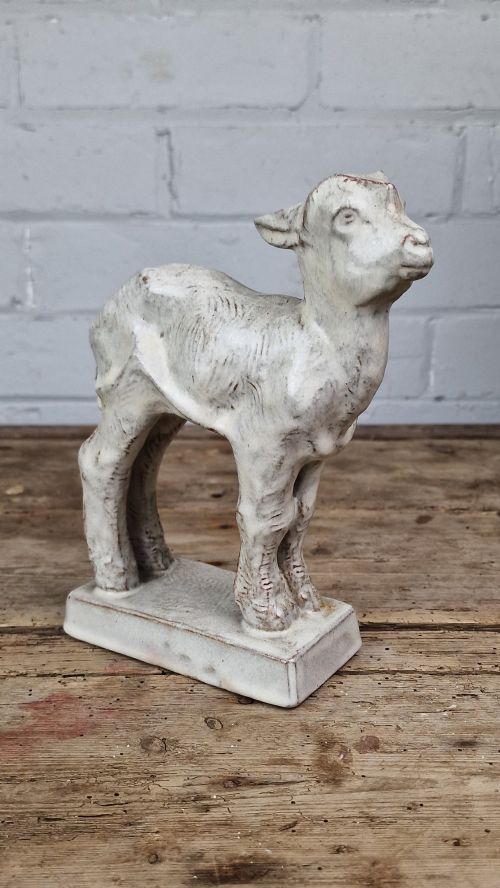
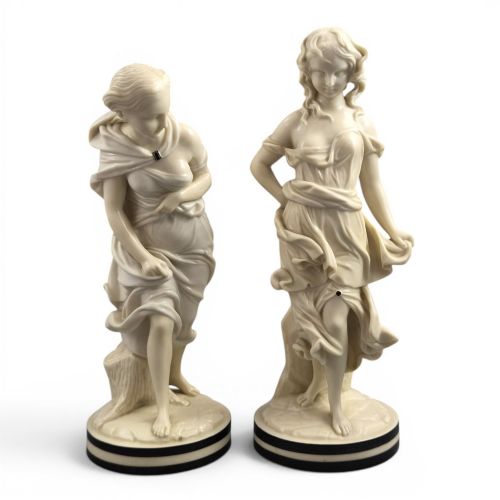
White ceramic sculpture brings together figures, busts, and animals modelled in porcelain, bisque, and terracotta across several centuries.
White Ceramic Sculpture
White ceramic sculpture encompasses figurative pieces, busts, and animal studies shaped from clay and fired into lasting forms. When exploring white ceramic sculpture, buyers encounter subjects ranging from classical mythology and allegorical figures to domestic animals and exotic birds.
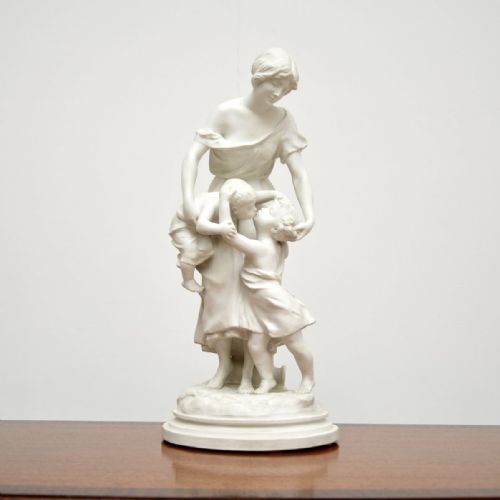
The objects span multiple periods, with many examples originating from Victorian workshops, Georgian kilns, and early twentieth-century makers. Forms appear as single standing figures, paired ornaments, and complex sculptural groups depicting human figures or wildlife.
Makers utilised various ceramic bodies, notably unglazed bisque and glossy porcelain, to achieve different visual textures. These pieces function primarily as decorative ornaments for display on mantelpieces, tables, and cabinets.
Materials and production methods
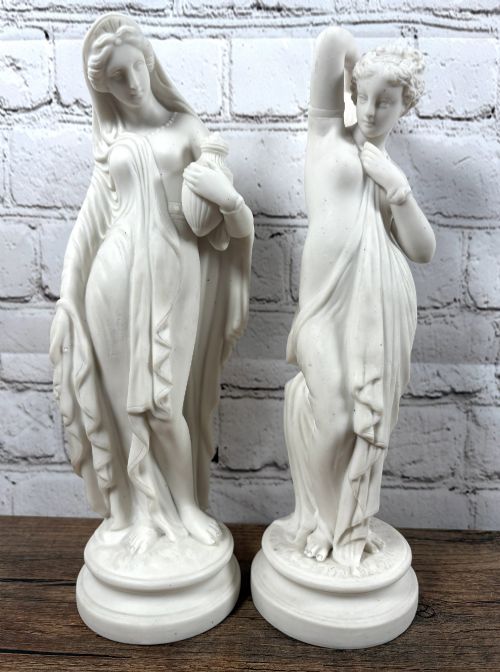
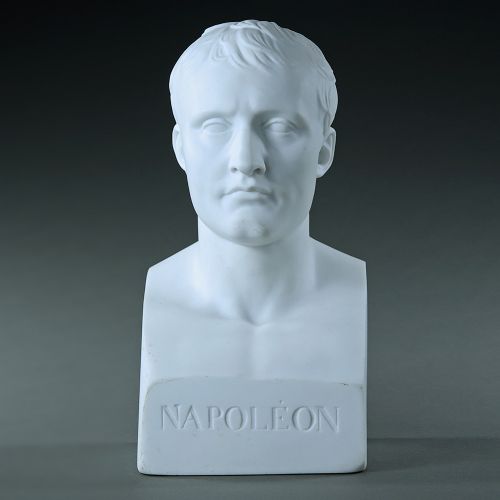
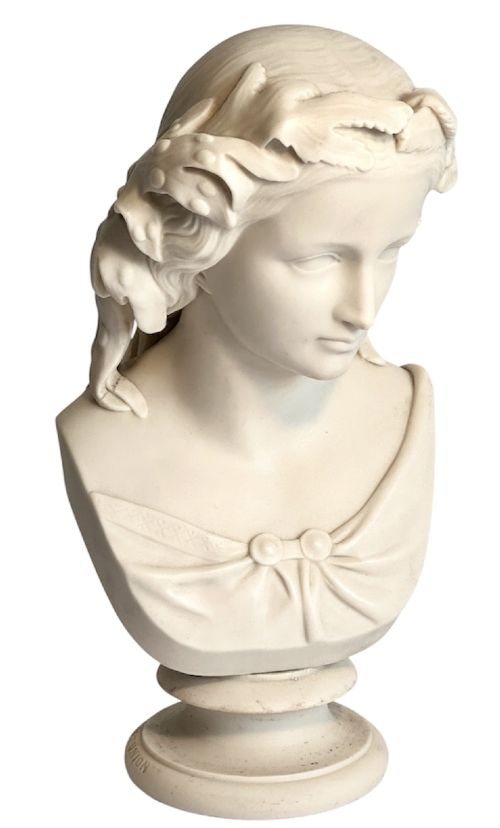
Makers formed these pieces using specialised ceramic bodies including parian porcelain, soft-paste porcelain, and biscuit porcelain. Parian ware was developed in the nineteenth century to imitate carved marble, providing a smooth, unglazed surface suitable for classical busts and literary figures.
Earlier Georgian and continental European works relied on soft-paste porcelain or biscuit porcelain, fired without glaze to highlight the crispness of the modelled detail. Terracotta and earthenware also appear, moulded and shaped into figures before receiving a surface finish or glaze.
White Ceramic Sculpture Retail Price Guide 2026
Typical asking prices for white ceramic sculpture among the pieces listed under this phrase on Sellingantiques today, from the lower quarter to the upper quarter. They describe what is for sale here now, not the wider market.
Listings feature Victorian parian figures alongside eighteenth-century biscuit porcelain groups and early twentieth-century terracotta animal models.
Factors that distinguish quality
The purity of the ceramic body and the uniformity of the unglazed surface also separate finer works from standard production. Skill in composition distinguishes individual artist models and major factory output from simpler commercial castings.
Meissen·Minton·Royal Worcester·Derby·Bow·Sevres
The White Ceramic Sculpture Glossary
- Bisque porcelain
- Un-glazed porcelain with a matte, marble-like surface texture. It is also known as biscuit porcelain.
- Parian porcelain
- A fine-grained British porcelain developed in the nineteenth century to imitate carved white marble. It was frequently used for portrait busts and literary figures.
- Bocage
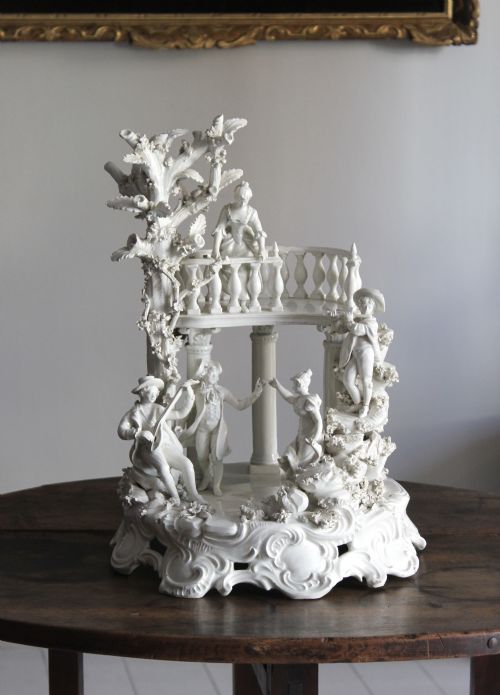
- An ornamental background of carved or modelled foliage and flowers found behind figures on eighteenth-century ceramic pieces. It provides a naturalistic setting for animals and shepherds.
- Soft-paste porcelain
- An artificial porcelain composition fired at lower temperatures than hard-paste porcelain. It was widely used in eighteenth-century European factories before natural clay deposits were discovered locally.
White Ceramic Sculpture: Frequently Asked Questions
What is parian porcelain?
Parian porcelain is a dense, unglazed ceramic material introduced in the nineteenth century to resemble carved white marble. It allowed manufacturers to produce detailed busts and classical figures with a smooth, matte finish.
The material takes its name from Paros, a Greek island celebrated for its white marble. British potteries utilised it extensively for sculptural groups and portrait subjects.
How do I clean unglazed bisque figures?
Unglazed bisque and biscuit porcelain require careful handling because their matte surfaces absorb dust and oils easily. Dry dusting with a soft brush is generally recommended for routine maintenance.
Moisture and harsh cleaning agents should be avoided, as they can penetrate the porous ceramic body and leave permanent stains. Professional advice should be sought for stubborn marks.
What does bocage mean on old figures?
Bocage refers to the applied ceramic foliage and leaves that frame the background of many eighteenth and nineteenth-century figures. It originated on porcelain animal and pastoral groups to create a woodland setting.
Because these leafy branches are delicate and fired separately or attached by hand, they are particularly susceptible to historical losses and restoration.
How can I tell eighteenth-century figures apart?
Eighteenth-century figures are identified by their paste composition, glaze characteristics, modelling style, and factory marks where present. Early English figures from factories like Bow or Derby often feature distinct clay bodies and unglazed undersides.
Stylistic details, such as facial expressions and the treatment of clothing, help separate different European and British manufacturing centres from that era.