



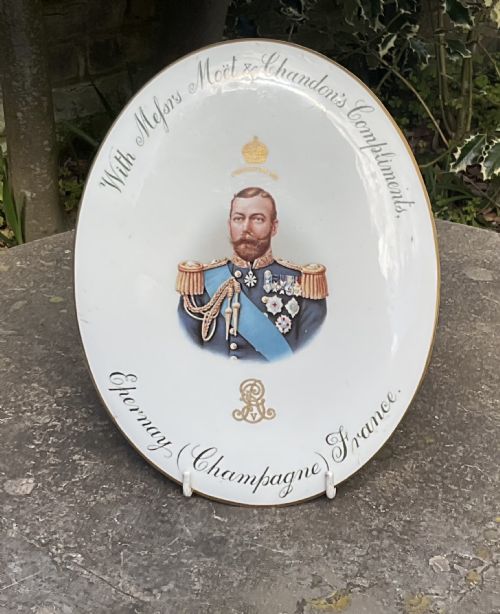


White Ceramic Plaque
A white ceramic plaque brings centuries of decorative ceramic art directly to your wall, ranging from devotional scenes to grand chargers.
White Ceramic Plaque
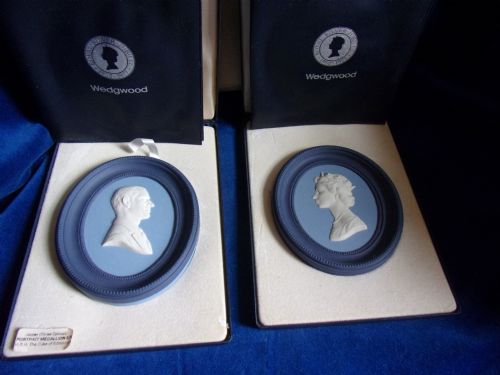
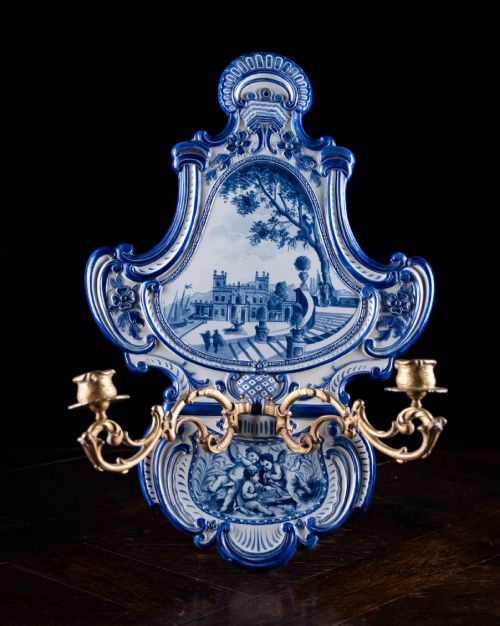
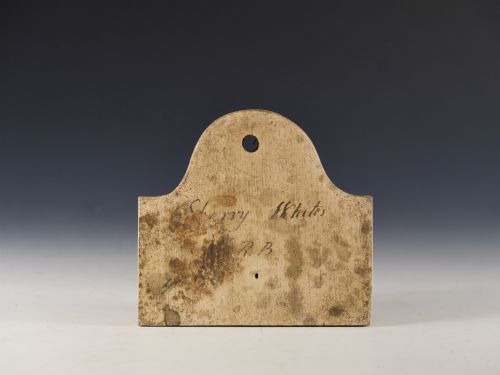
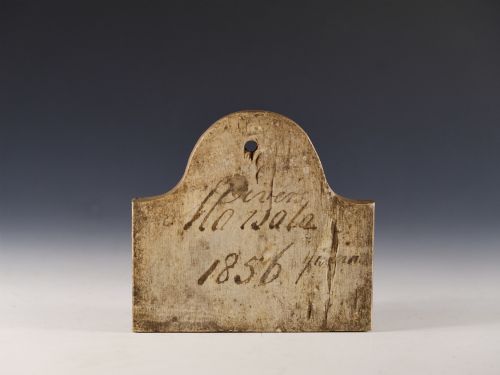
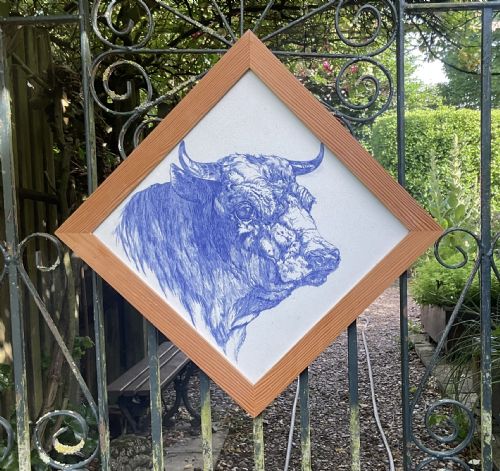
A white ceramic plaque encompasses wall plaques, decorative chargers, bin labels, and portrait medallions spanning from the eighteenth century through to the mid-twentieth century. Collectors searching for a white ceramic plaque will encounter diverse forms including Dutch Delft, Spanish faience, and intricate pate sur pate works.
The pieces on this page originate from periods such as the eighteenth, nineteenth, and early twentieth centuries, representing styles from Rococo Revival and Victorian Historicism to Art Nouveau and Moorish Revival. Domestic wall art and utilitarian cellar items share this category, demonstrating the broad historical use of glazed earthenware and porcelain.
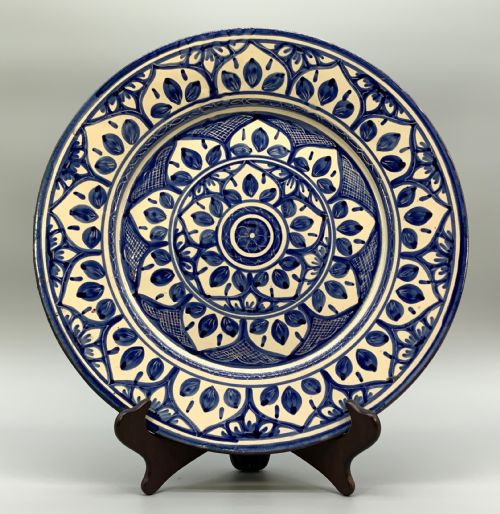
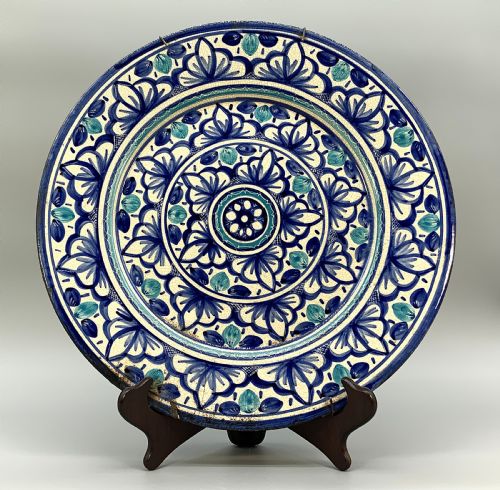
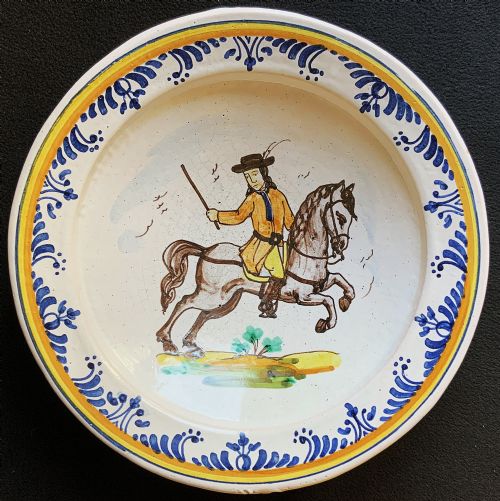
Wall plaques and large chargers dominate the selection, often featuring hand-painted polychrome or blue and white motifs. Buyers will also find specialised items such as wine cellar bin labels and framed devotional plaques amongst the varied ceramic forms.
Materials and methods
Artisans utilised porcelain, earthenware, and tin-glazed earthenware as the primary base materials for these plaques and chargers. Tin glaze provided an opaque white surface suitable for detailed hand-painting in blue and polychrome pigments.
Techniques ranged from standard pottery moulding and glazing to specialised applications like pate sur pate, where layers of slip build up a low-relief design on a contrasting ground. Kiln firing fixed these glazes and pigments, creating durable decorative objects designed to withstand generations of display.
Listings feature ceramics spanning the eighteenth century to the mid-twentieth century, employing porcelain, earthenware, and tin-glazed earthenware.
Distinctions in quality
The refinement of the ceramic body and the precision of the hand-painted or moulded decoration dictate the standing of a piece. Finer works demonstrate exceptional control in brushwork, particularly within detailed portraiture, heraldry, or intricate Chinoiserie and Moorish patterns.
The execution of specialised techniques, such as pate sur pate relief work or tin glazing, separates standard production items from exceptional studio and factory outputs. Superior pieces maintain crispness in relief and depth of colour across the glazed surface.
Villeroy and Boch·Royal Bonn·Mintons·Bassano
The White Ceramic Plaque Glossary
- Ceramic
- An inorganic, non-metallic solid material made by heating clay and related minerals to high temperatures. This broad term covers earthenware, stoneware, and porcelain items found on this page.
- Tin-Glazed Earthenware
- Pottery featuring a lead glaze made opaque by the addition of tin oxide. This white surface serves as the ground for painting before a final firing.
- Pate sur pate
- A French term meaning paste on paste, denoting a method of ceramic decoration where successive layers of liquid clay slip are built up in low relief. It creates a cameo-like effect on a contrasting ceramic ground.
- Charger
- A large decorative plate intended for display on a wall or sideboard rather than for dining use. These pieces often feature elaborate painted scenes or patterns.
- Bin Label
- A small marker utilised in wine cellars to identify specific vintages or types of wine. Ceramic examples often feature painted lettering on a white glazed ground.
White Ceramic Plaque: Frequently Asked Questions
What is a white ceramic plaque?
A white ceramic plaque is a decorative wall-mounted art piece or functional tile made from fired clay with a white glaze or porcelain body. These items encompass hand-painted scenes, relief portraits, and commemorative items from various historical periods.
Such pieces were designed primarily for interior display, ranging from devotional imagery to tavern and cellar labelling. The white surface typically provides a contrasting ground for detailed pigments.
How were antique ceramic chargers used?
Antique ceramic chargers served mainly as decorative wall plates or large presentation platters in prosperous homes. Their substantial size allowed artisans to display complex pictorial scenes and dense ornamental patterns.
Over time, many chargers transitioned exclusively into wall art, hung using specialised wire attachments or displayed on sideboards. They reflect the aesthetic tastes of periods spanning from the eighteenth century onwards.
What is tin-glazed earthenware?
Tin-glazed earthenware is pottery covered with a lead glaze containing tin oxide, which fires to an opaque white finish. This technique allowed European potteries to imitate prized Chinese porcelain.
Painters applied cobalt blue and other metallic oxides directly onto the unfired white glaze. The piece then underwent a final kiln firing to fuse the colours permanently.
How do I care for antique ceramic wall art?
Caring for antique ceramic wall art involves keeping pieces away from direct sunlight and damp environments to protect the glaze and pigments. Dusting gently with a dry, soft cloth prevents particulate buildup without risking the surface.
Secure mounting is essential for heavy items such as chargers and large plaques. Professional framing or hanging hardware designed for weight distribution ensures safe long-term display.