


Edwardian Royal Memorabilia
Edwardian royal memorabilia captures the pageantry and solemnity of early twentieth-century Britain through commemorative plaques, boxes, and maritime pieces.
Edwardian Royal Memorabilia
Edwardian royal memorabilia encompasses commemorative objects produced around the reigns and coronations of monarchs like Edward VII, George V, and Queen Victoria. These pieces bridge personal loyalty and national history, marking significant state occasions and naval milestones.
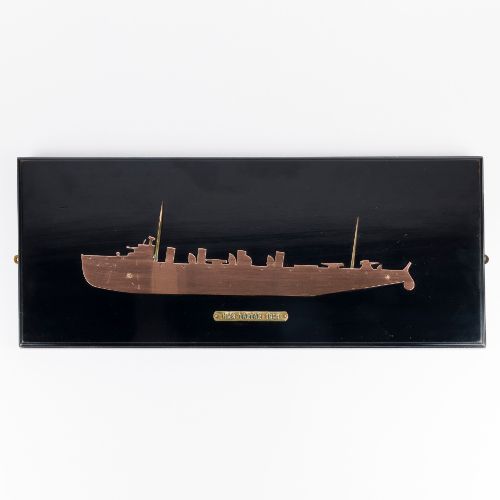
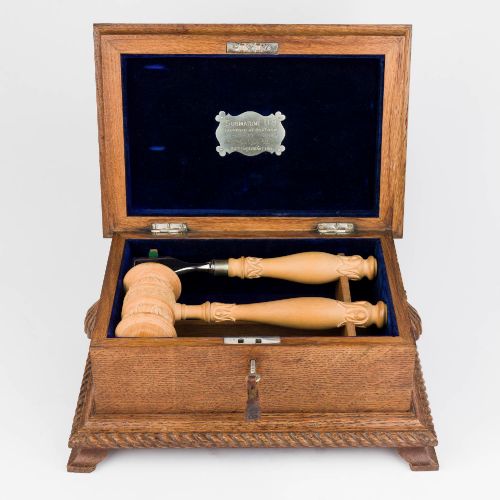
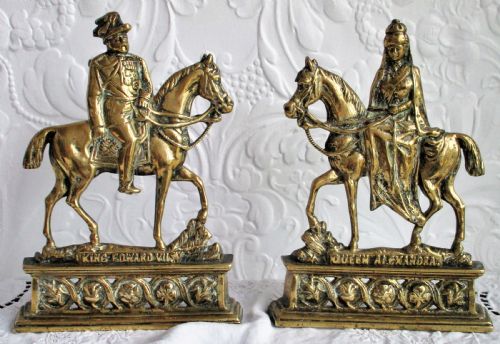
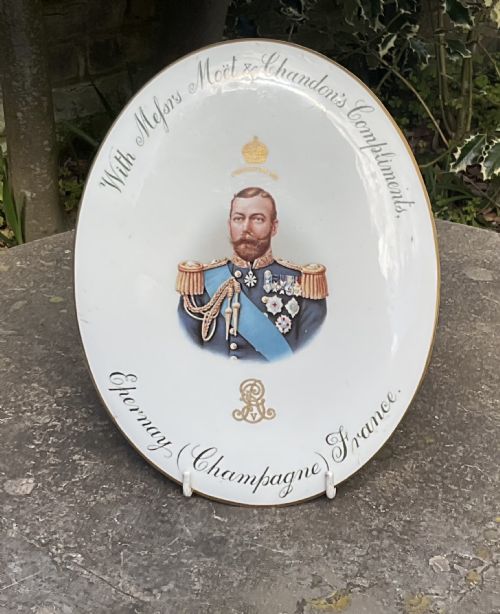
The objects available on this page include commemorative cups, presentation boxes, wall plaques, and chimney ornaments. Maritime and military themes appear frequently, reflecting the era's naval focus through items such as destroyer plaques and submarine launching caskets.
Most items date from the early twentieth century, specifically spanning the Edwardian period, 1910, 1920, and 1900. Styles range from straightforward Edwardian design to Edwardian maritime, military pieces, and interwar realism.
Materials and Techniques
Techniques combine metal casting, silver plating, and ceramic decoration with fine art mediums such as oil painting on canvas. Details like signatures, inscriptions, and presentation plaques indicate careful individual finishing rather than mass production.
A Royal Flying Corps finger plate ensures you can proudly open doors with the exact grip of a 1912 aviator.
Assessing Quality and Provenance
Quality in these pieces rests on the clarity of the historical connection, such as documented royal launches or specific military regiments. Maker attribution also elevates a piece, with firms like Elkington and Co or potteries like Wemyss demonstrating superior manufacturing standards.
Material substance and preservation define the range, from solid sterling silver boxes and framed oil paintings to plated brass chimney ornaments. Intact inscriptions, original frames, and well-preserved ceramic glazes distinguish finer survivals.
Elkington and Co·Kershaw Schofield·Wemyss
The Edwardian Royal Memorabilia Glossary
- Launching casket
- A decorative box created to hold the ceremonial instruments used during the launch of a naval vessel. These are heavily tied to Edwardian maritime history.
- Chimney ornament
- A decorative figurine or plaque designed for display on a mantelpiece. They often depict monarchs or patriotic subjects.
- Silver plate
- A thin layer of silver applied to a base metal core such as brass or copper. This technique allowed makers to produce impressive presentation items more affordably.
- Finger plate
- A protective metal plate mounted on a door around the handle to prevent wear. Military examples often bear regimental insignia or royal connections.
- Wemyss
- A renowned Scottish pottery known for hand-painted commemorative ceramics. Pieces from this pottery command strong collector interest.
Edwardian Royal Memorabilia: Frequently Asked Questions
What defines edwardian royal memorabilia?
These pieces are items created to celebrate British monarchs, royal events, and military achievements during the early twentieth century. They include commemorative ceramics, presentation boxes, plaques, and framed portraits.
The selection leans heavily into maritime and military commemorations, reflecting the patriotism of the era. Makers utilised materials ranging from simple brass and oak to sterling silver and oil on canvas.
How were commemorative cups used?
Commemorative cups, such as coronation pieces, were typically created as display items rather than for daily dining. They marked specific events like coronations and jubilees.
Collectors prize these ceramics for their hand-painted details and direct connection to historical pageantry. They capture the public enthusiasm surrounding royal successions.
What are launching caskets?
Launching caskets held the ceremonial items, such as engraved mallets and silver trowels, used by dignitaries when launching ships. They are specific to naval and maritime history.
These boxes frequently commemorate Royal Navy destroyers and submarines. Their association with specific vessels gives them strong naval provenance.
How do I care for silver plated items?
Silver plated items require gentle cleaning with non-abrasive cloths to preserve the thin precious metal layer over the base metal. Avoid harsh chemical dips that strip the original patina.
Display these pieces away from direct sunlight and damp environments to protect both the metal and any associated wooden frames or velvet linings.