


Edwardian Ceramic Wall Plaque
These edwardian ceramic wall plaque examples bring hand-painted artistry and relief modelling to interior walls.
Edwardian Ceramic Wall Plaque
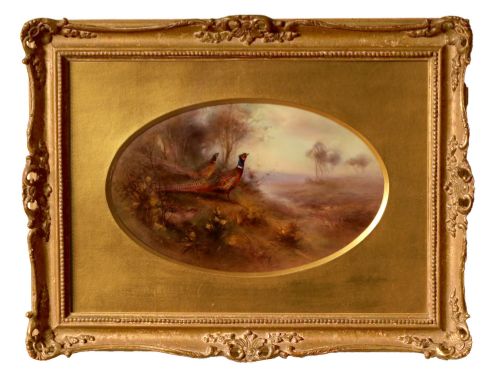
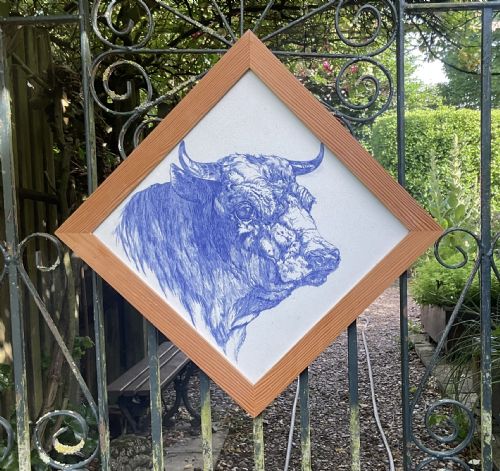
An edwardian ceramic wall plaque combines decorative pottery with wall display, often taking the form of framed porcelain panels, painted tiles or relief plaques.
The selections here span the Edwardian period alongside pieces from nineteen hundred and nineteen twenty, showing diverse influences from Arts and Crafts and Art Nouveau styles.
Makers and artists range from Royal Worcester painters to Mintons and Longwy, alongside works after Clodion attributed to Reginald Robert Tomlinson.
How they were made
Makers utilised ceramic, porcelain and glass bodies, frequently framing the finished panels in wood, giltwood, or gilt wood.
Decoration relied on hand-painted imagery, turquoise relief work, and jasperware techniques to create neoclassical or pictorial scenes.
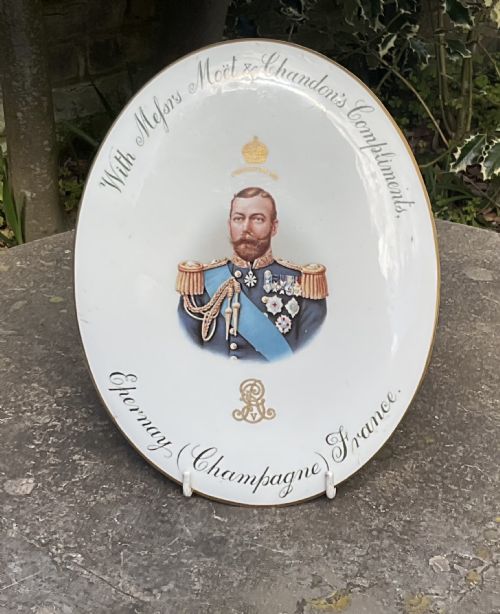
Children frolic with goats and cheetahs share space with butchery scenes and champagne branding on these walls.
What varies in quality
Quality rests in the precision of the hand-painted detail and the fidelity of the moulded relief, particularly on signed artist works.
The choice of framing material, from simple pine to gilded wood, adds context to the presentation of each plaque.
James Stinton·Royal Worcester·Mintons·Longwy·Reginald Robert Tomlinson·Wedgwood
The Edwardian Ceramic Wall Plaque Glossary
- Jasperware
- A type of fine stoneware developed by Wedgwood, usually featuring white neoclassical reliefs against a coloured matte ground. Fourteen framed cameos demonstrate this distinct ceramic style.
- Relief
- Sculpture in which figures project from a flat background. Turquoise relief plaques show children with animals in this raised technique.
- Porcelain
- A ceramic material made by heating materials, generally including kaolin, in a kiln. Royal Worcester pieces utilise this fine ceramic body for hand-painted art.
- Tile
- A thin slab of ceramic used for surfacing walls. Mintons and Longwy examples provide decorative pictorial displays.
Edwardian Ceramic Wall Plaque: Frequently Asked Questions
How do I hang a ceramic wall plaque?
Most framed ceramic plaques utilise secure picture wire or attached wooden brackets designed to bear the weight of the ceramic and its frame.
Ensure the wall fixing matches the specific weight of the porcelain or tile piece before mounting.
Were these plaques meant for indoor use?
These decorative ceramic and porcelain pieces were produced primarily for interior domestic display rather than exterior architectural installation.
Framed examples and painted tiles served as ornamental wall art within Edwardian reception rooms and hallways.
How do I identify an Edwardian plaque?
Dating relies on stylistic markers such as Arts and Crafts or Art Nouveau motifs, alongside recorded dates and maker marks from the early twentieth century.
Records or signatures by artists like James Stinton help confirm the period of production.
Are these plaques hand painted?
Several pieces feature detailed hand-painted artwork directly onto porcelain surfaces, particularly works associated with Royal Worcester artists.
Other examples employ moulded relief or transfer printing methods depending on the maker and style.