




King George V Portrait
These king george v portrait works capture royal likenesses through oil painting, watercolour, and photographic formats.
King George V Portrait
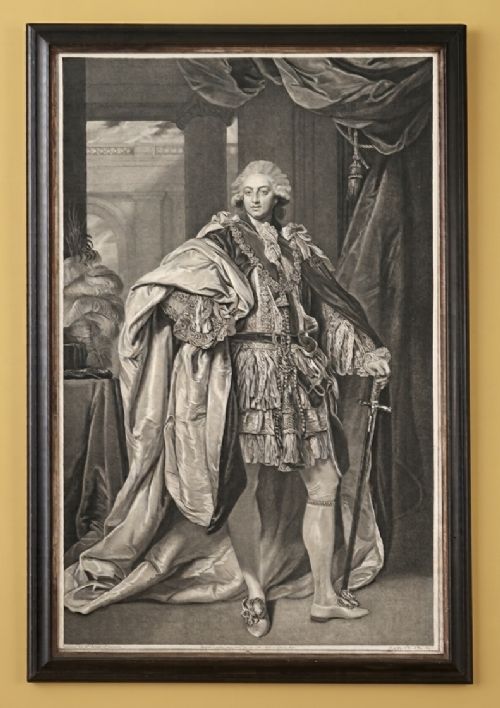
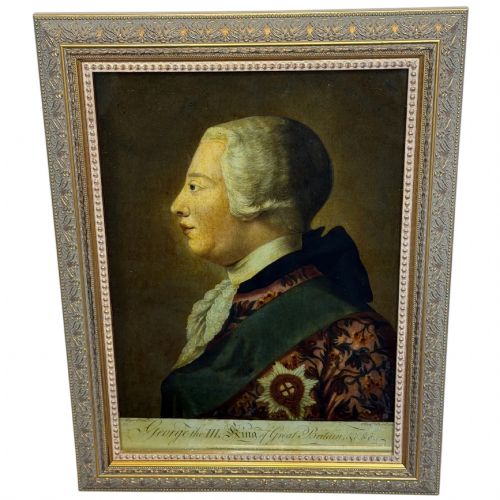
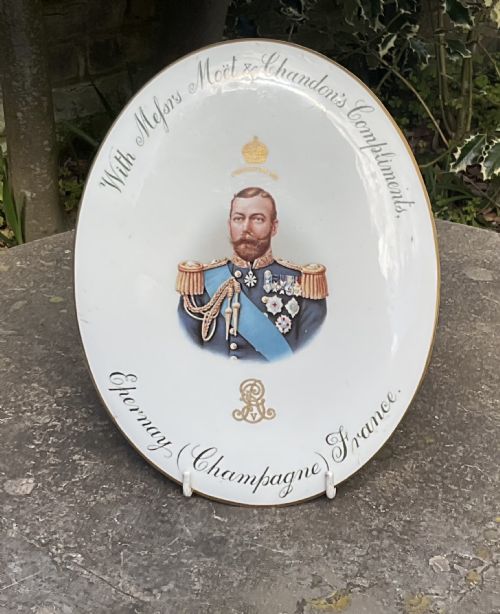
When you search for a king george v portrait, you encounter depictions created during the monarch's reign and subsequent commemorative periods. The selections range from oil on canvas works to framed photographic prints produced by royal commission.
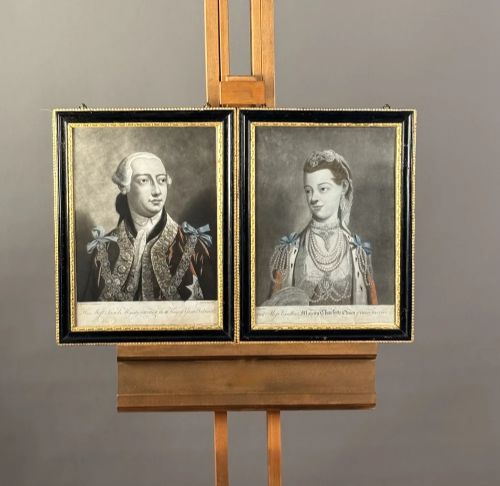
Interwar realism and 20th century portraiture dominate the visual styles associated with this monarch. Works often pair the king with Queen Mary within stepped oak presentation frames bearing commemorative plaques.
The material record includes signed watercolours, oil paintings on canvas, and signed framed photographs supplied by luxury retailers like Aspreys. These portrayals record the official appearance of the monarch during the early decades of the twentieth century.
Materials and construction
Makers utilised oil paint applied to canvas as well as watercolour on paper to capture the royal visage. Photographic portraits received professional framing, occasionally housed in timber surrounds with metal presentation plaques attached.
Listings for this phrase include oil on canvas, watercolour on paper, and signed photographic prints within timber frames.
Distinctions in craftsmanship
Execution of facial likeness and fine details in regalia separates standard commemorative output from masterworks by named painters. The presence of artist signatures, original exhibition framing, and royal commission provenance elevate individual pieces.
The integrity of the canvas, the preservation of the oil paint or watercolour pigments, and the original condition of the wooden frames determine the overall standard of survival across these royal depictions.
Kershaw Schofield·Sir Oswald Hornby Joseph Birley·Richard Purcell·Thomas Frye
The King George V Portrait Glossary
- Interwar Realism
- An artistic style from the period between the first and second world wars focusing on truthful representation. This approach defines many royal portraits produced during the reign of King George V.
- Stepped Oak Frame
- A timber picture surround featuring recessed levels that direct the eye inward toward the artwork. These frames frequently house commemorative corporate presentations from the silver jubilee.
- Royal Commission
- An official instruction issued on behalf of the monarch for the creation of an artwork. Such pieces carry documented provenance connecting the artist directly to the royal household.
- Oil on Canvas
- Pigment mixed with drying oil applied to a stretched woven fabric support. This traditional medium preserves the depth and tone of twentieth century royal portraiture.
King George V Portrait: Frequently Asked Questions
What periods do these royal portraits cover?
The available works span the early twentieth century, reflecting the lifespan and reign of the monarch through contemporary paintings and photographs.
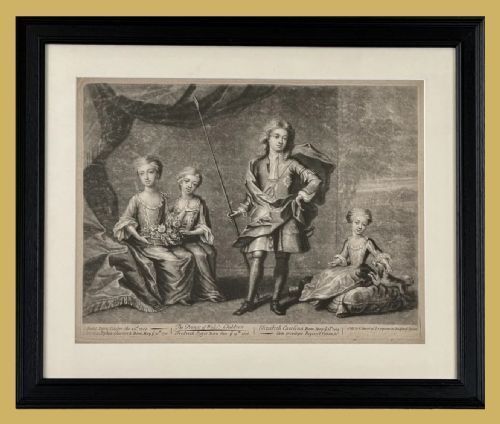
Additional pieces connect to the broader Georgian eras and later commemorative moments, showing how royal imagery evolved over time.
How were these royal portraits displayed?
Original pieces hung in corporate boardrooms, public institutions, and private collections, often presented to mark significant royal jubilees.
Many retain their original timber frames and dedicated presentation plaques recording the original corporate recipients.
Are these portraits signed by the artists?
Selected oil paintings and watercolours feature artist signatures or inscriptions placed directly upon the lower corners of the canvas or paper.
Photographic prints also appear signed by the monarch or associated royal figures, accompanied by luxury retail provenance.
What materials support these artworks?
Makers utilised oil paint upon stretched canvas, watercolour pigments on paper, and photographic emulsions mounted within protective glass and wooden frames.
Oak timber serves as the primary material for the stepped presentation frames accompanying the canvas works.