





White Ceramic Group
White ceramic group describes multi-figure porcelain and earthenware compositions that capture narrative scenes, portrait groups and classical subjects in monochrome or painted ceramic.
White Ceramic Group
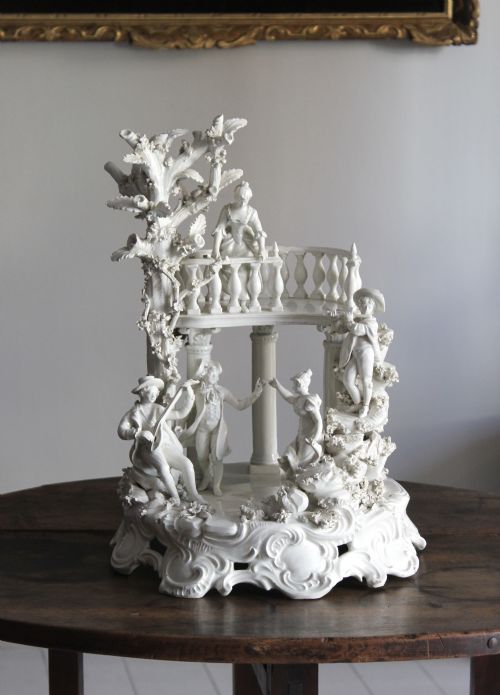
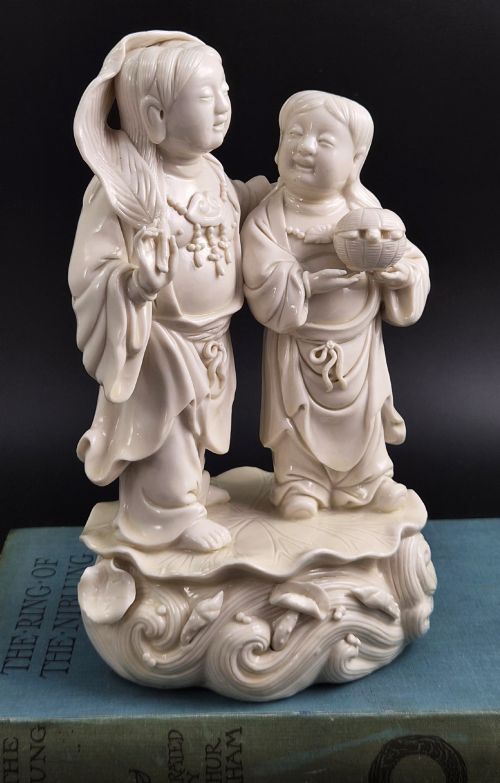
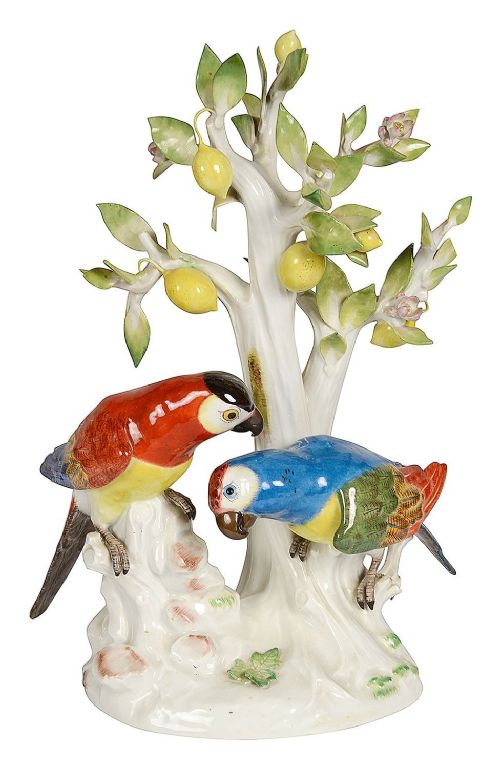
A white ceramic group brings together multiple figures or animals modelled in porcelain, earthenware or biscuit, often depicting classical allegories, historical alliances or literary scenes. Buyers searching for a white ceramic group encounter pieces spanning the Georgian and Victorian eras, originating from English potteries as well as continental European factories.
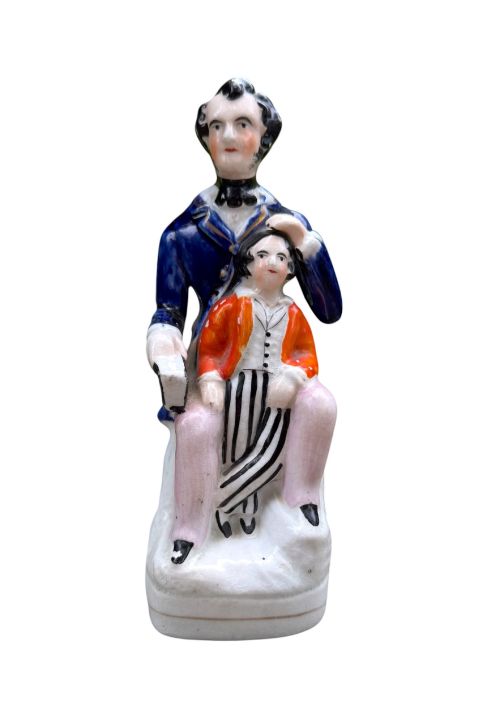
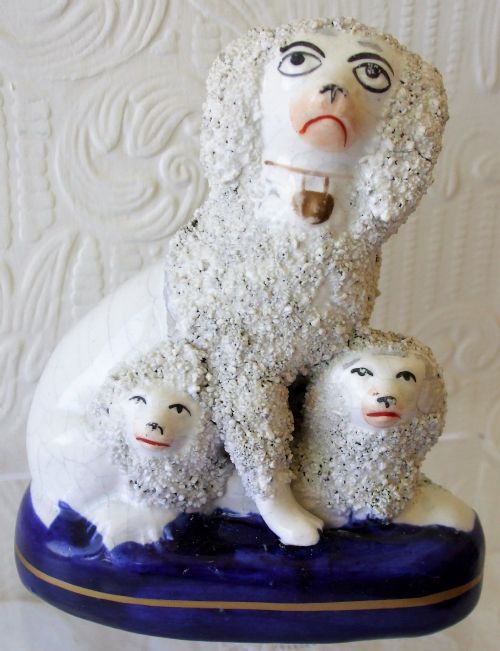
The most common examples on this page are Staffordshire earthenware figures and continental porcelain groups from the nineteenth century. These range from portrait groups depicting contemporary royalty and military events to pastoral pairs and theatrical subjects.
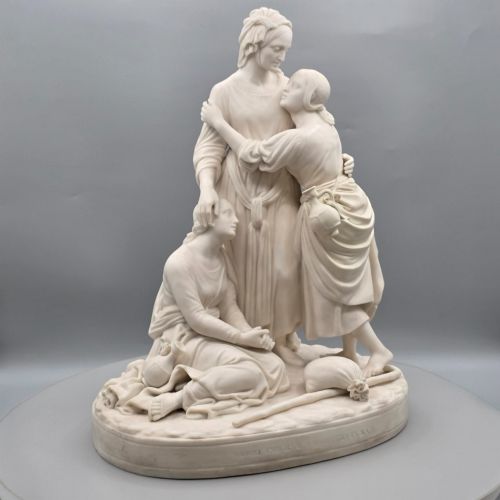
Earlier Georgian examples from factories like Derby or continental centres present classical mythological narratives executed in fine soft-paste or hard-paste porcelain. Later Victorian productions include Staffordshire flatbacks and Parian ware sculptures modelled after classical statuary.
Materials and Manufacturing Techniques
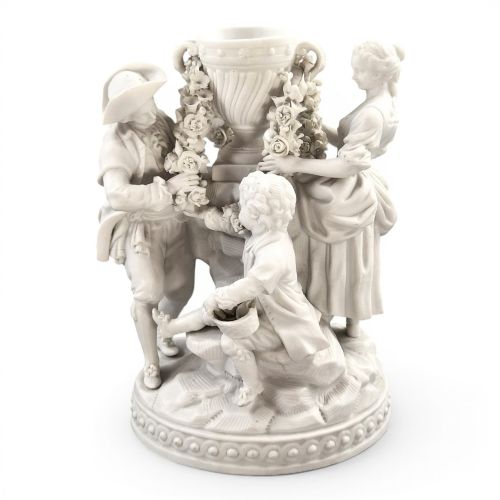
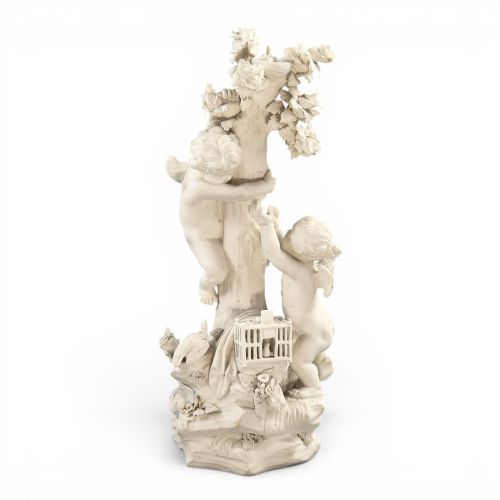
Makers utilised various ceramic compositions including hard-paste porcelain, soft-paste porcelain, earthenware and unglazed biscuit porcelain. Biscuit porcelain, frequently seen in Parian ware and French sculptural groups, received no glaze, allowing fine modelled details and anatomical contours to remain sharp.
Glazed porcelain and earthenware groups combined slip casting or press moulding with hand-modelling of delicate elements like foliage or lace. Enamel colours, gold leaf and lead glaze added polychrome highlights and protective surfaces to figures produced in Staffordshire and European porcelain works.
White Ceramic Group Retail Price Guide 2026
Typical asking prices for white ceramic group among the pieces listed under this phrase on Sellingantiques today, from the lower quarter to the upper quarter. They describe what is for sale here now, not the wider market.
The listings span the 18th, 19th and early 20th centuries, featuring earthenware, hard-paste porcelain, soft-paste porcelain and biscuit porcelain.
Evaluating Ceramic Quality
The choice of ceramic body also dictates distinction, with finely potted hard-paste porcelain and high-relief biscuit figures achieving greater sculptural depth than thicker earthenware press-mouldings. Details such as applied lace, hand-painted enamel and crisp gilding separate standard production items from masterworks.
Meissen·Minton·Derby·Carl Thieme Dresden·Vion et Baury·Ernst Bohne Sohne·Karl Tutter
The White Ceramic Group Glossary
- Biscuit Porcelain
- Un-glazed porcelain fired once to vitrification, yielding a matte surface resembling marble. This finish became popular for nineteenth-century sculptural groups and Parian ware.
- Parian Ware
- A fine-grained, unglazed white biscuit porcelain developed in the nineteenth century to imitate white marble. It is particularly associated with classical figure groups and literary subjects.
- Flatback
- An earthenware figure moulded with a finished front and a plain, unpainted flat reverse designed for placement against a wall on a mantelpiece.
- Spill Vase
- A hollow ceramic figure incorporating a cylindrical vase designed to hold wooden spills for lighting fires or candles. These often feature domestic or pastoral sculptural groups.
- Hard-paste Porcelain
- A durable ceramic paste composed of kaolin and petuntse fired at high temperatures. It supports sharp modelling and bright underglaze decoration.
White Ceramic Group: Frequently Asked Questions
What is a ceramic group?
A ceramic group is a modelled composition featuring two or more human figures, animals or allegorical subjects produced in porcelain or earthenware. These pieces were designed primarily for decorative display on mantelpieces and tables.
They capture narrative scenes, historical portraits and classical mythology, offering a tangible record of period tastes in interior decoration and sculpture.
How were Parian figures used?
Parian figures served as decorative mantelpiece ornaments and table centrepieces in nineteenth-century homes. Their marble-like finish appealed to Victorian collectors seeking accessible classical sculpture.
Unlike utilitarian ceramics, these groups functioned purely as aesthetic objects, reflecting educational themes, literature and classical antiquity.
What distinguishes Staffordshire flatbacks?
Staffordshire flatback figures feature unpainted, flat backs because they were intended to be viewed solely from the front on high shelves or mantelpieces. They are typically made from earthenware rather than porcelain.
These pieces often commemorated current events, royalty, theatrical performers or literary characters, making them popular souvenirs and household ornaments.
How do I date a porcelain figure?
Dating porcelain figures relies on identifying factory marks, ceramic body composition, modelling style and glaze characteristics. Early pieces from the eighteenth century often feature soft-paste bodies and hand-painted polychrome enamels.
Nineteenth-century examples frequently employ improved kiln technologies, factory stamps, or distinct Victorian subject matter such as Crimean War portraits and Parian bodies.