





White Cast Iron Planter
White cast iron planter designs bring heavy metal garden urns and jardinieres into the open air, shaped by nineteenth-century foundry traditions.
White Cast Iron Planter
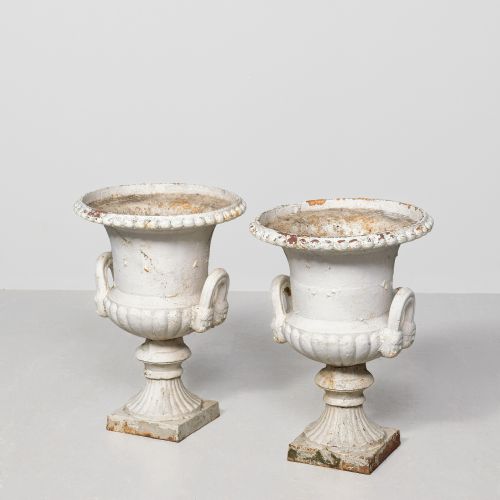
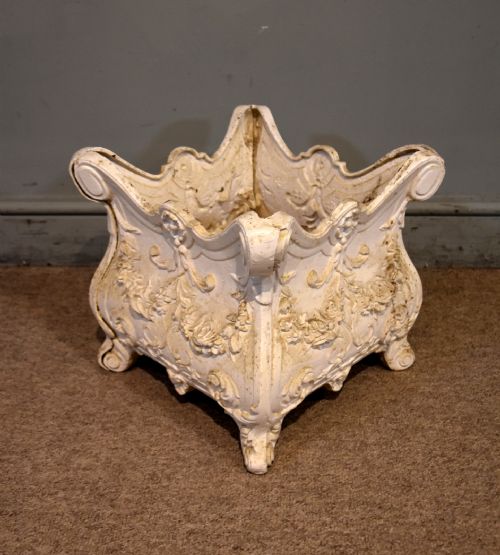
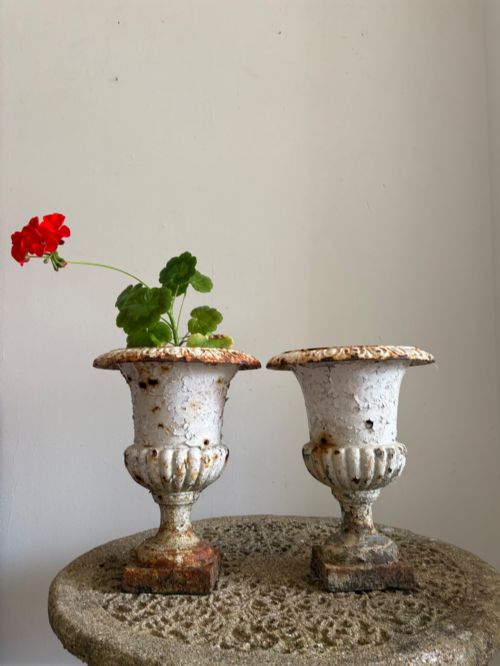
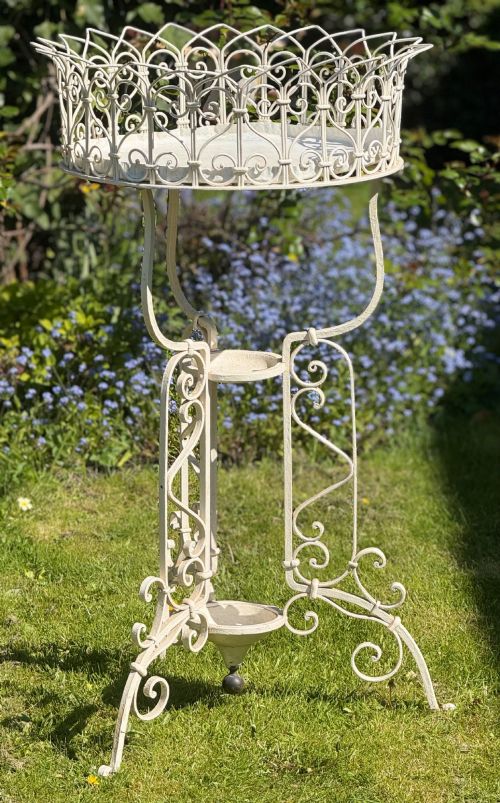
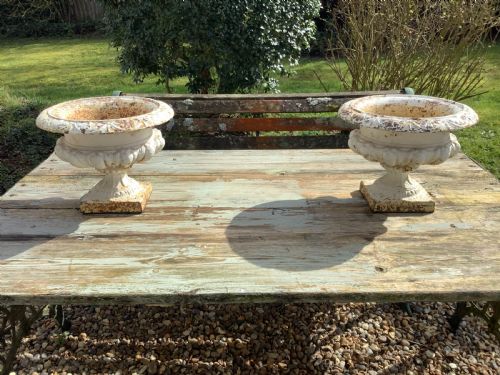
A white cast iron planter serves as a robust vessel for garden greenery, taking the form of Campagna urns, column planters, and tiered plant stands. These objects originate largely from the nineteenth century, spanning Victorian, Regency, and early twentieth-century periods.
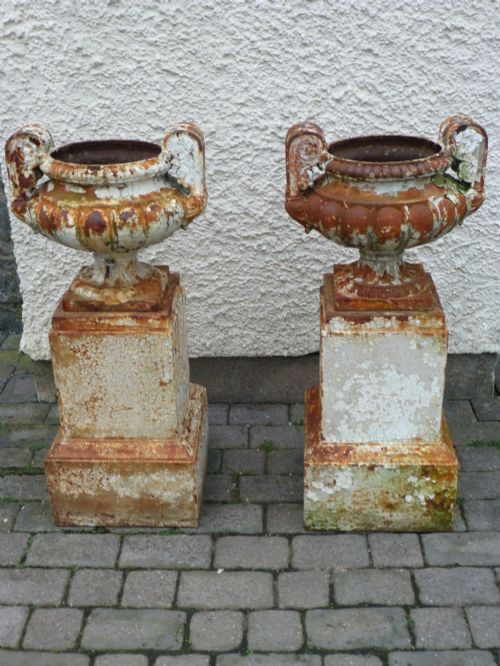
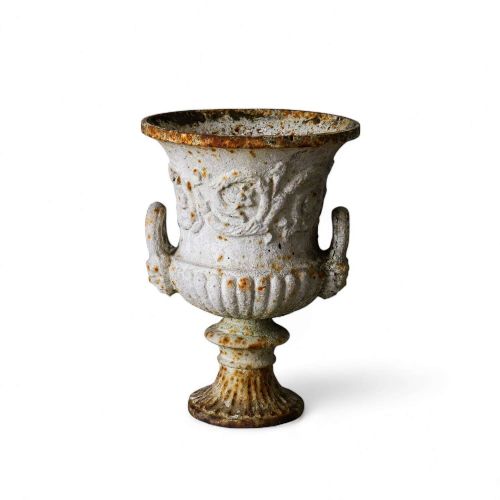
Buyers will encounter garden urns on plinths alongside tazza urns and wirework jardinieres. The pieces combine utilitarian garden function with classical decorative motifs such as acanthus leaves and gadrooning.
How they were made
Foundries utilised cast iron poured into moulds to create heavy garden vessels with crisp decorative details. Wrought iron and wirework also appear alongside the primary metal structures.
Surfaces received layers of paint or enamel finishes that weathered over decades of outdoor exposure, leaving original distressed textures on many surviving examples.
White Cast Iron Planter Retail Price Guide 2026
Typical asking prices for white cast iron planter among the pieces listed under this phrase on Sellingantiques today, from the lower quarter to the upper quarter. They describe what is for sale here now, not the wider market.
A few unexpected pieces swap traditional urns for cast iron boy and girl statues holding court in the garden.
What varies in quality
The distinction between ordinary utility items and exceptional pieces lies in the crispness of the cast ornamentation and the presence of original foundry marks. Recognisable foundry work from makers like Coalbrookdale or Andrew Handyside elevates a piece.
Proportion and the survival of matching original plinths or pedestals separate standard garden vessels from more substantial matched pairs and architectural compositions.
Falkirk Carron foundry·Coalbrookdale·Andrew Handyside
The White Cast Iron Planter Glossary
- Campagna urn
- A bell-shaped garden vessel with a flared rim, frequently cast in iron during the nineteenth century. These forms draw directly from classical antiquity.
- Gadrooned
- Decorated with a series of convex curves or flutes moulded into the body of the urn. This ornament adds texture around the bowl of the planter.
- Tazza
- A shallow cup or bowl-shaped vessel elevated on a stem and foot. In garden metalwork, these serve as low, wide planters.
- Jardiniere
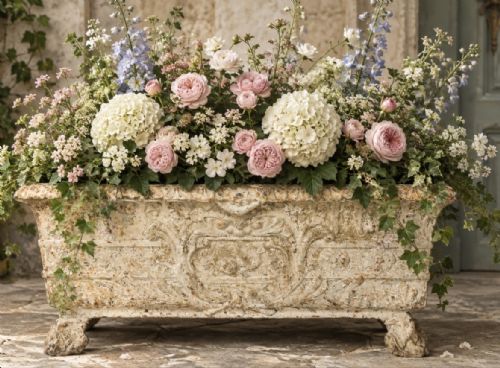
- An ornamental pot or stand designed to hold plants or flowers. These items often feature intricate wirework or cast iron openwork.
- Plinth
- A heavy rectangular block supporting an urn or statue. Many period garden pieces rely on these matching bases for height and stability.
White Cast Iron Planter: Frequently Asked Questions
Where should I place a heavy cast iron urn?
These robust vessels suit permanent outdoor garden settings, courtyards, and entranceways where their substantial weight provides stability against wind and weather.
Position them on level stone flags, gravel paths, or dedicated masonry plinths to distribute the considerable load safely across the ground.
How do I care for weathered painted metal?
Allow weathered painted surfaces to retain their historic character without heavy scraping, as original distressed finishes contribute to period authenticity.
Wash the metal gently with water and mild soap to remove dirt and debris, avoiding harsh chemical strippers that destroy the historic patina.
Can these planters stay outside all winter?
Cast iron withstands cold temperatures effectively, but moisture trapped inside damp soil can freeze and exert pressure on the metal walls.
Raise the base slightly on pot feet to ensure proper drainage and line large bowls appropriately if severe freezing threatens your local climate.
How do I identify a nineteenth-century period piece?
Examine the surface texture for the uneven finish characteristic of nineteenth-century sand casting, along with distinct decorative details like acanthus leaves.
Look closely for maker stamps or foundry attribution marks cast into the iron body, which often confirm the nineteenth-century production date.